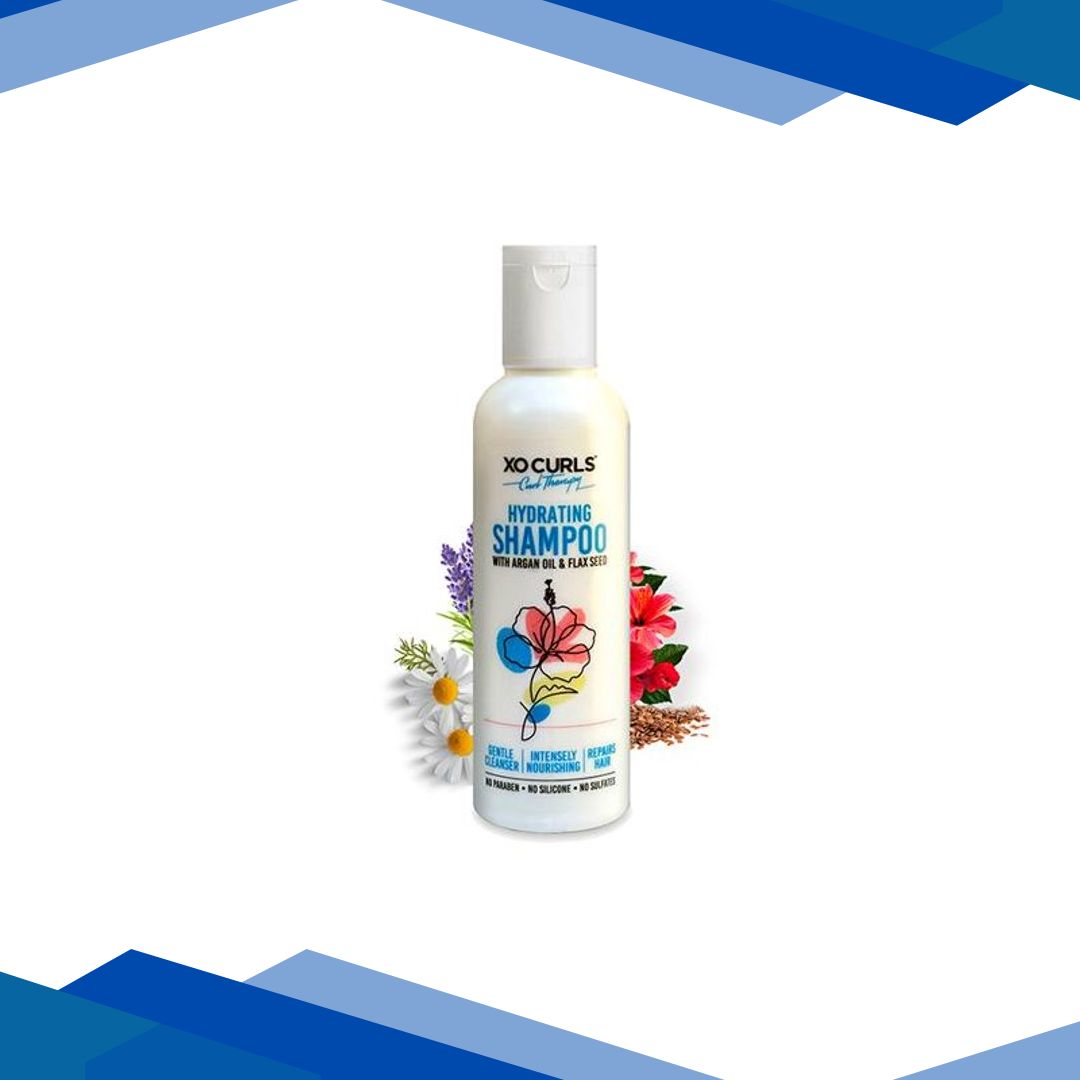
Xo Curls Gentle, Hydrating Shampoo With Excellent Lather Contains Argan Oil And Flax Seed To Give Soft Hair 200 ml
❌ Due to high demand, this product is currently out of stock. New stock will be available shortly.
👉 Click here to Buy Same Salt medicine
No Prescription yet? Don’t worry! Click Here to Get Online Consultation
Linseed oil, also known as flaxseed oil, is a plant-derived nutritional supplement rich in omega-3 fatty acids, particularly alpha-linolenic acid (ALA), which plays a key role in supporting heart health, reducing inflammation, and maintaining healthy skin and hair. It is commonly used as a natural remedy for improving cholesterol levels, promoting digestive health, and enhancing overall well-being. Due to its antioxidant and anti-inflammatory properties, linseed oil is often included in wellness routines, especially by individuals seeking plant-based alternatives for essential fatty acids. However, it should be used in recommended amounts and under medical guidance in individuals with existing health conditions or those taking medications
Description
linseed oil, also known as flaxseed oil, is a natural plant-derived oil extracted from the seeds of the flax plant (linum usitatissimum). it is widely used both as a nutritional supplement and in traditional medicine due to its rich composition of essential fatty acids, particularly omega-3 fatty acids. linseed oil is recognized for its role in supporting cardiovascular health, improving skin and hair condition, and promoting overall well-being. unlike many synthetic medications, it is categorized as a natural remedy, but it still requires careful and informed use to ensure safety and effectiveness.
the primary mechanism of action of linseed oil lies in its high content of alpha-linolenic acid (ala), a type of omega-3 fatty acid. ala is converted in the body into other biologically active compounds that help reduce inflammation, support cell membrane integrity, and regulate various metabolic processes. this anti-inflammatory property makes linseed oil beneficial in conditions such as arthritis, cardiovascular disease, and certain skin disorders. additionally, its antioxidant components help combat oxidative stress, which is linked to aging and chronic diseases.
linseed oil is suitable for a wide range of individuals, including those seeking to improve heart health, manage cholesterol levels, or maintain healthy skin and hair. it is also commonly used by individuals following vegetarian or vegan diets as a plant-based source of omega-3 fatty acids. however, while it offers several health benefits, it should not be considered a replacement for prescribed medications in serious medical conditions unless advised by a healthcare professional.
in clinical and wellness settings, linseed oil is often recommended as part of a balanced diet and healthy lifestyle. its therapeutic potential is supported by scientific studies, but the extent of benefits may vary depending on individual health conditions, dosage, and consistency of use. therefore, it is important to use linseed oil responsibly and consult a healthcare provider when incorporating it into a treatment regimen.
ingredients
- alpha-linolenic acid (ala): this is the primary active component of linseed oil and a type of omega-3 fatty acid. it plays a crucial role in reducing inflammation, supporting cardiovascular health, and maintaining brain function. ala is essential because the body cannot produce it on its own.
- linoleic acid (omega-6): another essential fatty acid that contributes to maintaining skin health and supporting immune function. it works in balance with omega-3 fatty acids to regulate inflammatory responses.
- oleic acid (omega-9): a monounsaturated fat that supports heart health by helping reduce bad cholesterol levels (ldl) while maintaining good cholesterol (hdl).
- vitamin e: a fat-soluble antioxidant that protects cells from oxidative damage, promotes skin health, and supports immune function.
- lignans (trace amounts in oil): these are plant compounds with antioxidant and mild estrogen-like properties, contributing to hormonal balance and reducing oxidative stress.
key uses
- cardiovascular health: helps lower cholesterol levels and supports healthy blood circulation, reducing the risk of heart disease.
- anti-inflammatory support: may help alleviate symptoms of inflammatory conditions such as arthritis and joint pain.
- skin health: improves hydration and elasticity of the skin, and may help manage conditions like eczema and dryness.
- hair care: promotes stronger, shinier hair and may reduce scalp dryness and flakiness.
- digestive health: acts as a mild natural laxative, aiding in relieving constipation and promoting bowel regularity.
- hormonal balance: may support hormonal health due to its lignan content, particularly in women.
- general wellness: supports overall health by providing essential fatty acids required for optimal body function.
how to use
linseed oil is typically consumed orally as a dietary supplement or applied topically for skin and hair benefits. when taken orally, it is usually consumed in liquid form or in capsules. it is best taken with meals to enhance absorption and reduce the likelihood of gastrointestinal discomfort. the oil should not be heated or used for cooking at high temperatures, as this can degrade its beneficial fatty acids and reduce its effectiveness. for topical use, linseed oil can be applied directly to the skin or hair, often diluted with other carrier oils to improve spreadability and reduce greasiness.
the frequency and amount of use may vary depending on individual health goals and medical advice. it is important to follow the instructions provided on the product label or those given by a healthcare professional. consistency is key to achieving potential benefits, but excessive use should be avoided to prevent unwanted side effects.
safety information
- warnings: linseed oil should be used cautiously in individuals with bleeding disorders or those taking blood-thinning medications, as it may increase the risk of bleeding. it should not be used as a substitute for prescribed medications without medical guidance.
- side effects: common side effects may include mild gastrointestinal discomfort, bloating, diarrhea, or nausea. in rare cases, allergic reactions such as rash, itching, or swelling may occur. excessive intake may lead to loose stools or digestive upset.
- precautions: individuals with a history of gastrointestinal disorders, hormone-sensitive conditions, or those undergoing surgery should consult a healthcare provider before use. it is also important to ensure the oil is fresh and not rancid, as oxidized oil can be harmful.
- pregnancy/breastfeeding: the safety of linseed oil during pregnancy and breastfeeding is not fully established. it should be used only if clearly needed and under medical supervision.
- interactions: linseed oil may interact with anticoagulants, antiplatelet drugs, and certain medications affecting blood sugar levels. alcohol consumption should be limited, as it may enhance potential side effects or reduce the effectiveness of the oil.
additional information
- storage: linseed oil should be stored in a cool, dark place, preferably in a tightly sealed container to prevent oxidation. refrigeration is recommended after opening to maintain freshness and potency.
- missed dose: if a dose is missed, it can be taken as soon as remembered. however, if it is close to the next scheduled dose, the missed dose should be skipped to avoid doubling.
- overdose: excessive consumption may lead to gastrointestinal disturbances such as diarrhea, abdominal pain, or nausea. in case of suspected overdose, medical attention should be sought promptly.
- habit forming: linseed oil is not habit-forming and does not cause dependence. it is considered safe for long-term use when taken in appropriate amounts.
frequently asked questions
Q: what is linseed oil commonly used for?
A: linseed oil is commonly used to support heart health, improve skin and hair condition, and provide essential omega-3 fatty acids for overall wellness.
Q: can linseed oil be taken daily?
A: yes, linseed oil can generally be taken daily in recommended amounts, but it is advisable to consult a healthcare professional for personalized guidance.
Q: is linseed oil the same as flaxseed oil?
A: yes, linseed oil and flaxseed oil are essentially the same product, both derived from flax seeds.
Q: can linseed oil help with constipation?
A: linseed oil may act as a mild natural laxative and help improve bowel movements, but it should not replace medical treatment for chronic constipation.
Q: is linseed oil safe for skin application?
A: yes, it can be applied topically to improve skin hydration and texture, but a patch test is recommended to avoid allergic reactions.
Q: does linseed oil have any side effects?
A: some people may experience mild digestive issues such as bloating or diarrhea, especially with high intake.
Q: can pregnant women use linseed oil?
A: pregnant women should consult a healthcare provider before using linseed oil, as safety data is limited.
Q: can linseed oil interact with medications?
A: yes, it may interact with blood thinners and certain other medications, so medical advice is recommended.
Q: how should linseed oil be stored?
A: it should be stored in a cool, dark place and refrigerated after opening to maintain freshness.
Q: is linseed oil suitable for vegetarians?
A: yes, it is a plant-based source of omega-3 fatty acids and is suitable for vegetarians and vegans.
this information is for educational purposes only and should not be considered medical advice. always consult a qualified healthcare professional before use.
At Gem Pharmacy, we make every effort to provide accurate, expert-written, and thoroughly reviewed information related to medicines. However, this information should not be considered a substitute for professional medical advice, diagnosis, or treatment from a qualified doctor.
The purpose of this information is to educate users and improve communication between patients and healthcare professionals. It should not be used to diagnose or treat any condition.
Always consult a certified healthcare professional before taking any medication.


Related products

Love Beauty And Planet Argan Oil and Lavender Sulfate Free Smooth and Serene Shampoo 400 ml
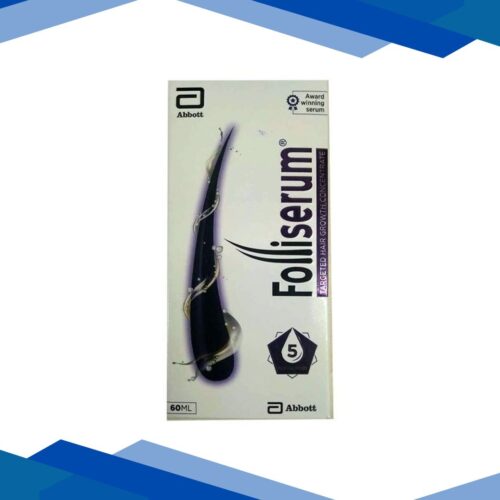
Folliserum Hair Growth Serum 60ml
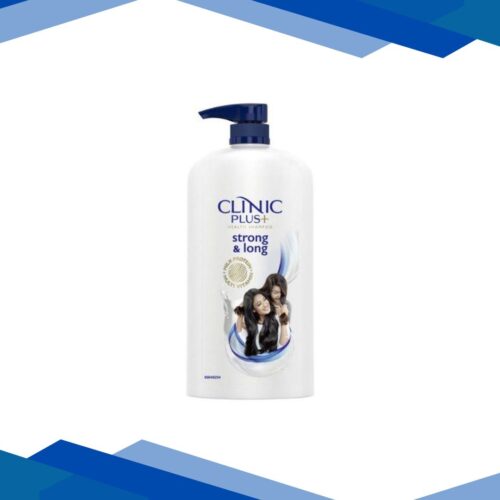
Clinic Plus Strong & Long shampoo 1000 ml