
LN Met 10/25mg Tablet 10’S
OLMETROL M 25mg Tablet 10’s
METOLAR TRIO 25 Tablet 10’s
Kimet XL 50mg Tablet 10’S
Metolar AM 50mg Tablet 10’S
Betaloc 50mg Tablet 30’S
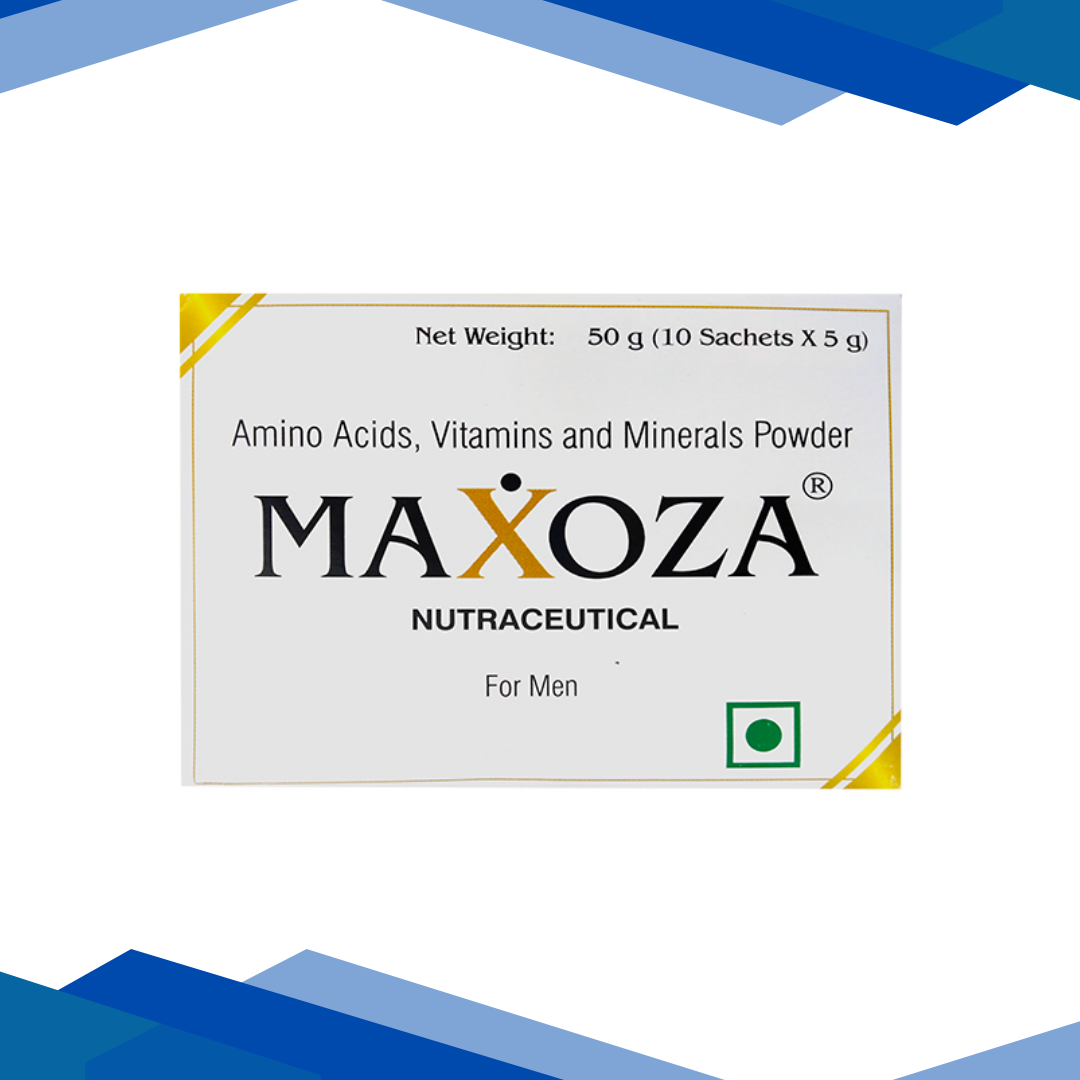
Maxoza Nutraceutical for Men
It is used as a nutritional supplement to support overall health, boost energy, aid muscle repair, and prevent vitamin or mineral deficiencies. For more detail kindly click on medicine salt below
Acetyl L-Carnitine
ACETYL-L-CARNITINE
Overview:
Acetyl-L-Carnitine is a natural compound that helps your body turn fat into energy. It’s especially important for the brain and nerves, where it may support memory, focus, and mood. Many people use it as a supplement to feel more energetic, sharper, and less tired, and it’s also studied for its role in nerve health and age-related memory decline.
Classification: Acylcarnitine compound
Uses:
Acetyl-L-Carnitine is valued for the way it supports both the brain and body. It can sharpen memory, improve focus, and bring more mental clarity, making it useful for staying sharp at any age. Many use it to boost their spirits and fight off mental or physical fatigue, particularly in times of stress. It also plays a role in protecting the nerves, which is helpful for those dealing with problems like diabetic nerve pain.
How it works:
Acetyl-L-Carnitine works by helping your cells make energy. It carries fatty acids into the mitochondria (the “powerhouses” of your cells), where they get turned into fuel. This boost in energy is especially important for the brain and nerves, which need a lot of power to stay healthy and sharp. It supports the formation of brain messengers such as acetylcholine, important for focus and memory.
Dosage:
As prescribed by your doctor.
Side Effects:
- Stomach upset – nausea, abdominal discomfort, or diarrhea.
- Sleep problems – restlessness or insomnia if taken late.
- Headache or dizziness – usually mild and short-lived.
- Mood changes – irritability or agitation in some people.
- Fishy body odor – rare but harmless.
Precautions:
When using Acetyl-L-Carnitine, it’s best to stick to the right dose and try not to take it too late, since it can sometimes affect sleep. If you have health issues like thyroid troubles, seizures, or kidney/liver concerns, it’s a good idea to check with your doctor first. The same goes if you’re pregnant, breastfeeding, or taking other medicines, because it may interact. If something feels off or unusual, stop for a moment and check with your doctor.
Disclaimer:This content is for informational purposes only. Always consult a healthcare provider for medical advice and proper dosage.
Coenzyme Q10
CoQ10
Overview
CoQ10, also called Coenzyme Q10, is a vitamin-like substance naturally found in the body. It helps make energy and protects cells from damage. As we age or face health issues, CoQ10 levels can drop, so it’s sometimes taken as a supplement to support overall health.
Classification
CoQ10 is classified as a natural antioxidant and energy-supporting supplement. It’s not a vitamin but acts like one in the body.
Uses
Boosts energy levels, especially in people feeling tired or weak
Supports heart health, especially in people with heart problems
May help with high blood pressure
Used to reduce muscle pain caused by certain cholesterol medicines (statins)
May improve fertility and skin health
Helps with brain function and anti-aging
How It Works
CoQ10 helps your cells produce energy, especially in organs like the heart and brain. It also works as an antioxidant, which means it protects cells from damage caused by harmful molecules (called free radicals). This helps the body stay healthy and work better.
Dosage
As prescribed by your doctor.
Side effects
CoQ10 is usually safe and well-tolerated, but in some people, it may cause:
Mild side effects:
Stomach upset
Nausea
Loss of appetite
Headache
Diarrhea
Rare side effects:
Insomnia (trouble sleeping)
Allergic reactions (very rare)
Precautions
Talk to your doctor before using if you’re pregnant, breastfeeding, or have health conditions.
If you’re taking blood thinners or blood pressure medicine, CoQ10 may affect how they work.
Always take it in the dose recommended—too much can cause unwanted effects.
Some CoQ10 supplements may be better absorbed when taken with fatty foods.
Disclaimer
This content is for informational purposes only. Always consult a healthcare provider for medical advice and proper dosage
Folic Acid
FOLIC ACID
OVERVIEW
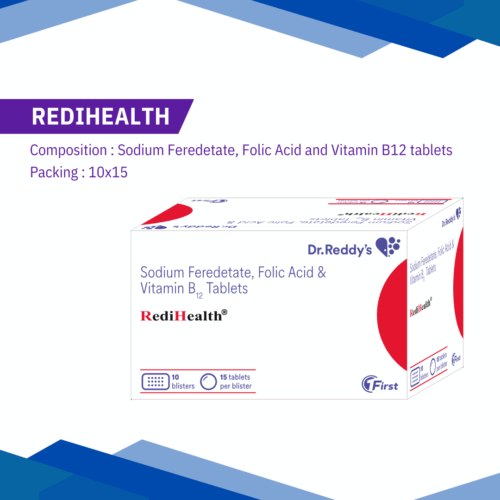
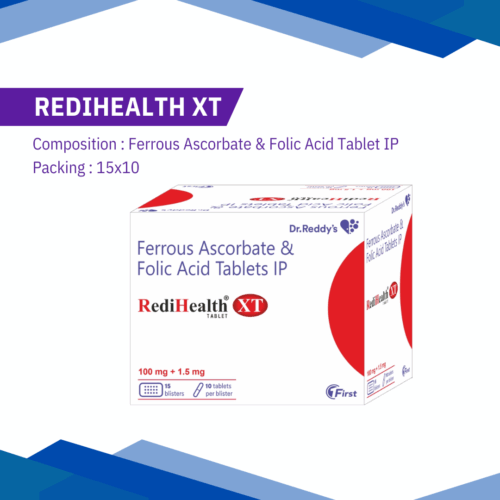
Folic acid (vitamin B9) is a B vitamin supplement that may be used to prevent and treat folate deficiency (low blood levels of folate) that can cause megaloblastic anemia.
CLASSIFICATION
B-vitamin
USES
Folic acid is a B complex vitamin effective in the treatment of megaloblastic anemias due to a deficiency of folic acid (as may be seen in tropical or nontropical sprue) and in anemia of nutritional origin, pregnancy, infancy, or childhood.
HOW IT WORKS
Folic acid is approved for the prevention and treatment of folate deficiency. Healthy levels of this vitamin, which is really a hormone, not only helps form red blood cells, it protects your brain health and supports a healthy pregnancy.
DOSAGE
As directed by the physician
PRECAUTIONS
Tell your doctor if you are pregnant or plan to become pregnant before using folic acid; folic acid requirements are markedly increased during pregnancy, and deficiency may harm a fetus. Folic acid passes into breast milk. Folic acid requirements are markedly increased while breastfeeding; however, amounts present in breast milk are adequate to fulfil infant requirements. Consult your doctor before breastfeeding
SIDE EFFECTS
Redness
skin rash
itching
feeling unwell (malaise), and
respiratory difficulty due to bronchospasm
Disclaimer
This content is for informational purposes only. Always consult a healthcare provider for medical advice and proper dosage.
PRECAUTIONS
Read the label carefully before use
Store in a dry and dark place at a temperature not exceeding 30C. Do not freeze
Keep out of reach of children
SIDE EFFECTS
· Redness
· Dryness
· Itching
Disclaimer
This content is for informational purposes only. Always consult a healthcare provider for medical advice and proper dosage.
Selenium
SELENIUM
Overview
Selenium is a natural mineral your body needs in tiny amounts to stay healthy. It acts like a bodyguard for your cells, helping to protect them from damage, boost your immune system, and support thyroid health.
Classification
Selenium is:
A trace mineral (needed in small amounts)
An essential nutrient (your body can’t make it, so you need to get it from food)
Found in foods like nuts (especially Brazil nuts), fish, eggs, and grains
Uses
Selenium helps with:
Boosting the immune system
Protecting cells from damage (acts as an antioxidant)
Supporting the thyroid gland (controls hormones and metabolism)
Helping the body make DNA
Possibly reducing the risk of certain chronic diseases (when taken in safe amounts)
How It Works
Selenium works by:
Being part of special proteins and enzymes that protect the body
Neutralizing harmful substances (free radicals) that can damage cells
Helping the thyroid gland make hormones
Supporting the body’s defense system to fight illness and stress
Dosage
As prescribed by your doctor.
Side effects
Too much selenium (called selenosis) can cause:
Bad breath (garlic-like smell)
Brittle hair or nails
Skin rashes
Upset stomach
Irritability or fatigue
In severe cases: nerve problems or organ damage
Precautions
Safe when taken in recommended amounts
Too much can be toxic
Avoid large doses from supplements without a doctor’s advice
People with certain health conditions (like thyroid issues) should check with a healthcare provider before taking extra selenium
Be careful with Brazil nuts, as they contain high levels of selenium
Disclaimer
This content is for informational purposes only. Always consult a healthcare provider for medical advice and proper dosage
Vitamin B12
VITAMIN B12
Overview
Vitamin B12 is an essential nutrient that helps keep your nerves healthy, supports the production of red blood cells, and plays a vital role in brain function and energy metabolism. Since your body doesn’t make it on its own, you must get it through diet or supplements.
Classification
Vitamin B12 is a water-soluble vitamin and part of the B-complex family. It’s also known as cobalamin.
Uses
Treats or prevents B12 deficiency
Helps with anemia, particularly pernicious anemia
Supports nerve health and helps manage symptoms like tingling or numbness
Boosts mental clarity, memory, and energy
Often used to support overall well-being in people with poor absorption or dietary gaps (e.g., vegans, elderly)
How It Works
Vitamin B12 assists in the formation of DNA, red blood cells, and myelin (the protective covering around nerves). It also plays a key role in how the body converts food into energy and helps maintain neurological health.
Dosage
As prescribed by your doctor.
Side effects
B12 is generally very safe, especially in recommended amounts. Rare or mild effects may include:
Mild diarrhea
Upset stomach
Skin rash or itching
In some cases, acne-like breakouts or redness at the injection site (if given by shot)
Precautions
While Vitamin B12 is generally safe and well-tolerated, there are a few things to keep in mind:
Allergic Reactions: Rarely, some people may be sensitive to B12 injections and could develop allergic reactions, such as rash, itching, swelling, or difficulty breathing. Always inform your doctor if you’ve had allergies to vitamins or medications.
Medical Conditions: If you have certain conditions like
Leber’s disease (a rare eye disorder), B12 may worsen vision problems
Kidney issues or low potassium levels, B12 supplementation should be monitored
Iron or folic acid deficiency, it’s important to treat these too, as B12 alone may not fix certain types of anemia
Pregnancy & Breastfeeding: B12 is generally safe and even recommended during pregnancy and breastfeeding, but always follows the doctor’s advice on the right dose.
Supplement Form: Whether you’re taking it as an injection, tablet, or lozenge, use it exactly as prescribed. Too much isn’t usually harmful, but high doses over long periods should be taken under medical guidance.
Disclaimer
This content is for informational purposes only. Always consult a healthcare provider for medical advice and proper dosage
ZINC
ZINC
Overview:
zinc is an essential nutrient found in a variety of plant and animal foods, along with supplements. It plays a key role in skin health, immune function, and cell growth and may protect against acne, inflammation, and other conditions.
Classification:
Antioxidant
Uses:
Supports the heart and nervous system
Has antioxidant effects
Supports the immune system
Helps in the formation of red blood cells
How It Works:
Cofactor Role:
Zinc acts as a cofactor for thousands of enzymes and proteins, which are essential for various metabolic processes.
Immune Function:
Zinc is crucial for the proper functioning of the immune system, including the production of immune cells like T cells, B cells, and natural killer cells.
Antiviral Effects:
Zinc may help reduce the severity of colds by inhibiting rhinovirus replication and suppressing nasal inflammation.
Wound Healing:
Zinc is involved in collagen synthesis and other processes that contribute to wound repair.
DNA Synthesis:
Zinc is essential for DNA replication and RNA transcription, which are fundamental processes for cell growth and function.
Dosage:
As prescribed by your doctor.
Side Effects:
Diarrhea.
Dizziness.
Headache.
Nausea.
Upset stomach.
Vomiting.
Precautions:
Read the label carefully before use
Store in a cool and dry place away from direct sunlight
Keep out of reach of children
Use under medical supervision
Do not exceed the recommended dosage
Pregnant or nursing mothers, children, and people with medical conditions must consult a healthcare professional before taking this supplement
Disclaimer
This content is for informational purposes only. Always consult a healthcare provider for medical advice and proper dosage.
Description
Coenzyme Q10, Lycopene, Acetyl L-Carnitine, Selenium, Zinc, Folic Acid, and Vitamin B12