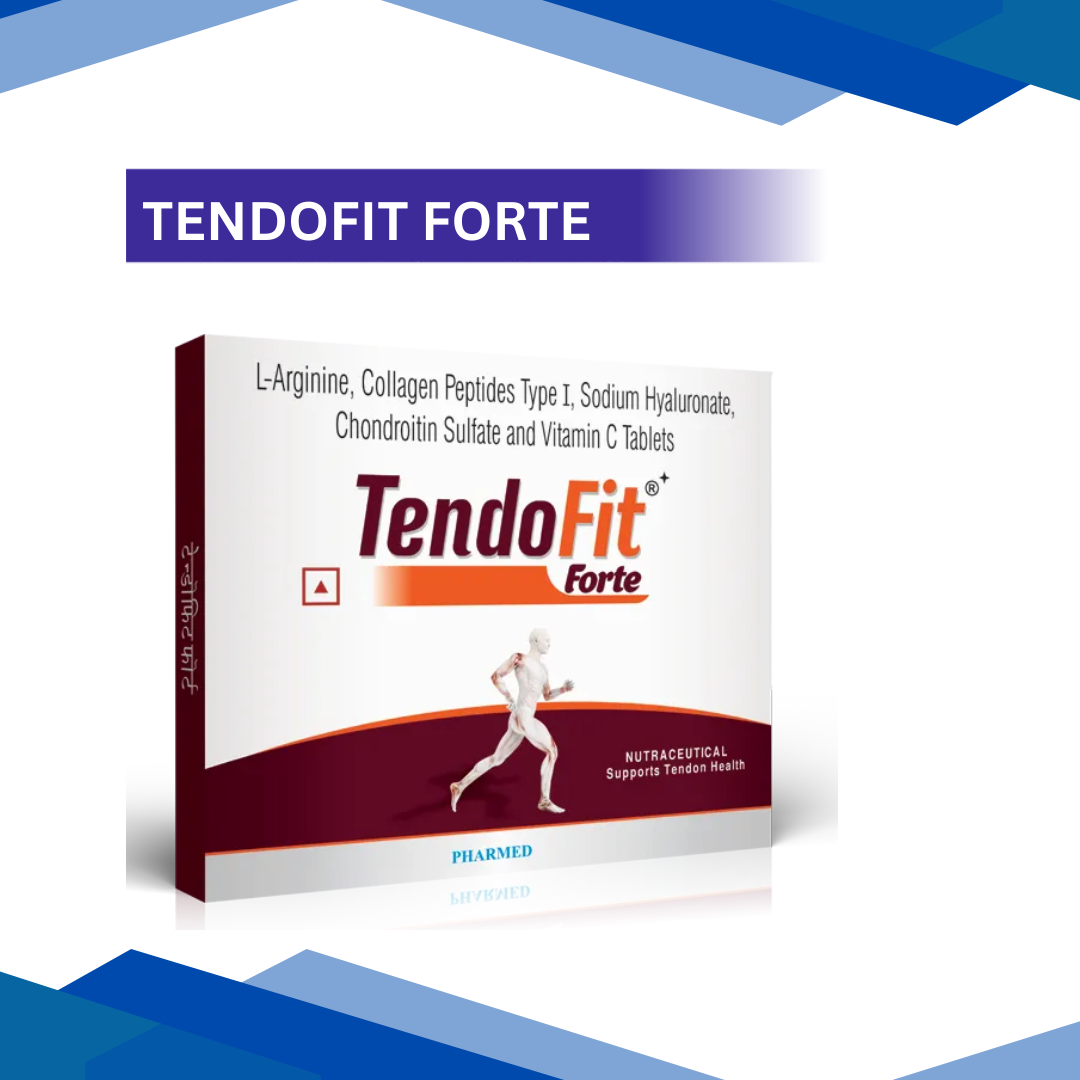
Tendofit Forte Tablet 15’S
Tendofit Forte Tablet is a nutritional supplement that is useful in treating bone and joint-related disorders. It is composed of L-Arginine, Collagen, Chondroitin sulfate, Vitamin C, and Sodium Hyaluronate . These compounds help relieve joint pain and provide strength to the bones and joints. It also reduces oxidative stress and prevents inflammation of joints. For more details kindly click on Medicine Salts below:
Chondroitin sulfate
Chondroitin Sulfate: Joint Health, Movement, & Recovery
Chondroitin Sulfate is a naturally occurring complex carbohydrate in the connective tissues in the body, mainly in the cartilage that cushions the joints. In the field, chondroitin sulfate could be found contained in pharmaceutical and supplementary drugs used to manage pain in the joint and to slow the progression of such degenerative joint conditions like Osteoarthritis. By acting as a "shock absorber," chondroitin plays a significant role in maintaining structural integrity and allows easier and pain-free movement.
Little Doses, Large Strengths
HEALTH BENEFITS OF COTroitis
Cartridge defending against effects enzymes because it decreases the cartilage degradation abating and helps maintain the "cushion" between joints.
Anti-inflammatory: COTS reduce joint swelling and morning stiffness, enabling enhanced daily mobility.
Water retention by joints: It can hold water with proteins at the cotileg to keep it elastic and healthy.
Synergistic action: Often used in combination with Glucosamine to heal and maintain joints.
LADY SOCRATIC BEINGS
Types of Treatment, With Important Pix
2ndA™
Joint Support / Glycosaminoglycan
Mainly used for
Osteoarthritis, Joint Pain, Physical Recovery
Dosage
800mg to 1200mg per day or as directed by a physician
Source
Naturally derived or synthetic formulation
How To Use Regarding the Use of Chondroitin Sulfate
Use of Administration: Mostly taken orally, as a pill or capsule.
Since Food Is Best Tolerated: Eating some meals with it may minimize discomforting stomach effects.
Expectation: Chondroitin is not a cure-all for problems related to pain. It typically takes 4–8 weeks of constant usage before results become more noticeable in terms of diminishing joint discomfort.
Safety and Precaution
Chondroitin is well tolerated, but keep in mind:
General Side Effects:
^Mild stomach ache or distension
^Mild nausea or diarrhea
^Occasional headache
Special Considerations:
Blood thinners: Kindly consult a doctor before usage if you are already on anticoagulants, for instance, warfarin, as Chondroitin may exhibit subtle anticoagulation.
Asthma: It may exacerbate asthma symptoms; hence, closely monitor your breathing upon initiation of its use.
Allergies: Ensure that the source (bovine, avian, or marine) is inline with your dietary restrictions or allergies.
Frequently Asked Questions (FAQs)
1. Does Chondroitin Sulfate help with all types of joint pain?
It is very effective mainly for Osteoarthritis, particularly in the knees, hips, and hands — it might be less effective for acute injuries or situations in which an autoimmune problem is involved, like from rheumatoid arthritis.
2. For how long will I need to use Chondroitin?
Most of the experiments that lasted from 6 months to 2 years indicated the slowing down of cartilage depletion. Your healthcare provider will make the decisions based on the situation.
3. Can an allergic person take this drug?
Chondroitin often comes sourced from bovine (cow) cartilage, and shellfish derivatives, or Glucosamine also coming from shellfish, may be a stable partner for cow cartilage. Look for "Shellfish-Free" or "Vegan" on the label if having the allergy concerns.
4. Does it have any drug interactions?
The predominant issue in this regard is with blood thinning drugs and agents. Patients on sodium restricted diets need to inquire about the sodium content.
5. Can I use Chondroitin sulfate instead of painkillers like Ibuprofen?
Chondroitin is good for the long term; it is not a fast-acting analgesic. Patients suffering from chronic pain say that after several months of chondroitin therapy, they have reduced their intake of NSAIDs (Ibuprofen), but it goes without saying that you should not quit any prescribed medication without consulting your physician.
Collagen
Collagen: Essential Protein for Skin, Joints, and Bone Health
Collagen proteins are the top of the heap in human proteins, acting as the glue that keeps everything together. This is very important for structural support for your skin. You can do an analysis of your hair, nails, tendons, and organs for collagen. Our body's natural collagen production declines and displays visible signs of aging like wrinkles and stiffening of joints. Collagen is typically available in hydrolyzed form (collagen peptides) in pharmaceutical-grade supplementation — an essential ingredient. These specific molecules are broken down for easy absorption and effective use.
Benefits of Collagen Supplementation
Skin Rejuvenation: Increases skin elasticity, extremely effective for hydrating and drastically diminishing fine line and wrinkle appearance.
Joint Support: Helps rebuild articular cartilage, easing pain during movement and age-related wear and tear.
Bone Density: Work in harmony with Calcium and Vitamin D and prevent bone brittleness.
Hair and Nail Strength: Aids in building keratin by providing essential amino acids, which produce fuller hair and stronger nails.
An Overview of the Product
The following are detailed features and benefits of this product:
Source
Marine (fish), Bovine (cow), or Vegan-friendly
Form
Powder, Tablets/ Liquid Shots
Key Types
Type I (Skin/Hair), Type II (Joints), Type III (Organs)
Can Be Boosted with
Vitamin C (necessary for collagen synthesis)
How Do You Enhance Its Effects?
Connecting the "C": Make sure an adequate quantity of Vitamin C is included in your diet/supplement regimen. It aids in the proper synthesis of collagen to functional tissue.
Keep the pace for positive results: The skin will begin showing improvement within 4–8 weeks, although repairing joints by collagen peptide would need up to six months of daily treatment.
Dosage: Follow your label quotes, but the usual region of 2.5g to 10g serves the therapeutic phase.
Warnings and Precautions
Studies confirm that Collagen is generally recognized as safe (GRAS), but:
Potential Side Effects:
A post-retention distaste — a common side effect resulting among users of marine by-products.
Stretch in the belly or flatulence.
Mild reflux.
A Few Things to Consider:
Allergies: Be very mindful of the source. If you are known to react to shellfish or fish, disciplines consider marine collagen out of bounds unless it is inferior.
Having Poor Kidney Health? Those diagnosed with CKD must consult a nephrologist before elevating protein intake through collagen.
Dietary Upsets: Ensure the source is compatible with your dietary regime (e.g., Halal, Kosher, or Pescetarian).
Frequently Asked Questions
1. What is the difference between Collagen and Gelatin?
Gelatin is simply cooked collagen. Even though they are similar in amino acid profile, the difference between the two is that hydrolyzed collagen (peptides) dissolves in cold water and is known to be more easily digestible than gelatin.
2. Can Collagen help with weight loss?
The short answer to this would be that collagen is a protein, and protein is known to keep us feeling full (satisfied). It is not a weight-loss miracle, but one could still include it in the daily routine to maintain lean muscle mass during exercise and metabolism.
3. Does "Vegan Collagen" exist?
The true and pure collagen is derived from animals. At the other end of the spectrum, "Vegan Collagen Builders" feature amino acids (Proline, Glycine) and vitamins (Vitamin C, Zinc) meant as triggers for an individual's natural collagen synthesis.
4. When is the best time to take it?
There is a good time but many prefer an empty stomach in the morning for better absorption or in the evening before bed, as most healing is done during that time by the body.
5. Will Collagen interact with my medication?
Collagen is unlikely to interfere with other medications in a significant way. If you are using calcium supplements, double-check your collagen product's label since some marine-sourced collagen contains a lot of calcium already, leading possibly to over-supplementation.
Sodium Hyaluronate
Sodium Hyaluronate: The Ultimate Hydrator for Eyes and Joints
Sodium Hyaluronate is a naturally occurring substance in the human body, known for its incredible ability to retain moisture. As a salt form of Hyaluronic Acid, it is widely utilized in medicine to treat dry eyes and provide relief for joint discomfort caused by osteoarthritis.
Whether you are staring at a screen all day or seeking better mobility, Sodium Hyaluronate acts as a "biological lubricant," restoring the natural cushions your body needs to function smoothly.
Key Benefits & Uses
- Intense Ocular Hydration: Quickly relieves burning, itching, and "gritty" sensations in the eyes.
- Post-Surgical Recovery: Frequently used by ophthalmologists during and after cataract surgery to protect delicate tissues.
- Joint Cushioning: When administered as an injection, it mimics the synovial fluid in knees to reduce friction and pain.
- Skin Barrier Support: Found in medical-grade topicals to accelerate wound healing and deep hydration.
How to Use Safely
- For Eye Drops: Wash hands thoroughly. Tilt your head back and instill the prescribed number of drops. Avoid touching the dropper tip to any surface to prevent contamination.
- For Injections: This must only be administered by a qualified healthcare professional, usually directly into the joint space.
Safety Advice & Precautions
- Expert Note: While Sodium Hyaluronate is highly biocompatible, always inform your doctor if you have a known allergy to avian products (like eggs or feathers), as some formulations are derived from these sources.
- Pregnancy/Breastfeeding: Consult your physician before use. While topical or ophthalmic use is generally considered low-risk, clinical guidance is essential.
- Driving: Eye drops may cause temporary blurred vision. Wait until your vision clears before operating machinery.
- Storage: Keep in a cool, dry place below 30°C. Do not freeze.
Frequently Asked Questions (FAQs)
1. Is Sodium Hyaluronate the same as Hyaluronic Acid?
Not exactly. Sodium Hyaluronate is a derivative of Hyaluronic Acid. It has a lower molecular weight, which allows it to penetrate deeper and move more easily into tissues, making it more effective for medical applications.
2. Can I use Sodium Hyaluronate drops while wearing contact lenses?
It depends on the specific brand. Many "preservative-free" versions are safe for contact lens wearers, but some preservatives can discolor soft lenses. Always check the packaging or ask your pharmacist.
3. How long does it take to see results for joint pain?
For joint injections, relief is rarely instant. Most patients notice a significant improvement in mobility and a decrease in pain within 2 to 4 weeks after the full course of treatment.
4. Are there any side effects?
Common side effects are mild and may include temporary blurred vision (for eye drops) or slight swelling and redness at the injection site. If you experience severe itching or a rash, discontinue use and consult a doctor immediately.
Disclaimer
The information provided above is for educational purposes only and does not substitute for professional medical advice. Always consult your physician before starting any new medication.
Vitamin C
Vitamin C (Ascorbic Acid): The Ultimate Defender and Skin Restorer
Vitamin C, L-ascorbic acid in scientific terms, is a water-soluble nutrient needed since the human body fails to manufacture it on its own. An excellent antioxidant, it is involved in cellular repair, immune enhancement, and the production of collagen, the "glue" that keeps together our skin, joints, and blood vessels. An essential cornerstone of morning endeavors in general health is the daily inclusion of vitamin C, whether supplied by power-packed supplements or fortified food.
Health Benefits
Strengthening the Immune System: It is responsible for the adequate production of white blood cells (lymphocytes and phagocytes) and serves to help protect one's body against infections and oxidative stress.
Skin Brightening & Anti-aging: It becomes necessary for collagen production as it aids slackening, fine lines, elasticity, and healing of wounds.
Iron Absorption: By allowing easier absorption of non-heme iron found in plant foods, Vitamin C is crucial for those dealing with anemia.
Cardiovascular Help: One of the ways in which the flexible, healthy blood vessels help maintain the heart's health and stabilize the blood pressure levels.
Antioxidant Guard: It fights the dangers of harmful free radicals induced by pollution, UV rays, and metabolic processes, after they may cause eventual damage to the cells.
How to Take Vitamin C
Intelligent Scheduling: Even though you can consume it at any time, Vitamin C should be taken at breakfast to be best absorbed and not cause any irritation to the stomach.
Hydrate Well: As it cannot be stored by the body and anything not used should quickly find its way out, it is imperative to drink plenty of water to optimize this procedure.
Regularity vs. Mega-Dosing: The body absorbs only a certain amount at a time (about 500 to 1000mg); the divided dosage helps pretty well, besides taking one large dose at a time.
Safety & Side Effects of Vitamin C
The general safety of Vitamin C is highly spectacular even when higher dosages are consumed. Nevertheless, adherence to the Recommended Dietary Allowance (RDA) is regarded as the safest path for long-term health.
Occasional Elemental Risk
Prevalence
What to Do
Stomach Cramps / Nausea
Occasional
Move to a "buffered" or non-acidic form of Vitamin C.
Diarrhea
Rare
Invariably signalling that you are above the danger zone (500mg to 2000mg); immediately reduce the dosage.
Heartburn
Occasional
Take the Vitamin C tablet with at least one full glass of water or some food.
Kidney Stones
Very Rare
Anyone with a history of kidney stones is advised to converse with their doctor regarding taking high-dose therapy.
Vitamin C Frequently Asked Questions (FAQs)
Q: Is Vitamin C a cure for the common cold?
A: While it's not a cure, consistent supplementation has been shown to help with duration and severity of cold symptoms by supporting the respiratory system's immune response.
Q: What is the difference between Ascorbic Acid and Sodium Ascorbate?
A: Ascorbic Acid is Vitamin C in its pure, slightly acidic form. Sodium Ascorbate is the "buffered" form where the acid is neutralized by adding sodium, making it easier for sensitive stomachs.
Q: May I take Vitamin C along with other types of supplements?
A: An additional plus is that when consumed together with Zinc for immunity and Vitamin E for skin, Vitamin C complements both. Nonetheless, it is not recommended for Vitamin B12 to be taken at the same time as it interferes with B12 absorption.
Q: Does exposure to Vitamin C through cooking make the nutrient unsuitable for the body?
A: Yes, Vitamin C is heat-sensitive and can get destroyed by cooking. For better nutrient retention, more cruciform veggies like broccoli and bell peppers are steamed or eaten raw instead of boiling or frying.
Q: How can I know if I am Vitamin C deficient?
A: Common symptoms include easy bruising, bleeding gums, dry or scaly skin, and slower healing of wounds... If you notice any of these, a daily supplement will quickly bridge the gap for you.
The Top Supplements for Various Instances
Most Suitable For: People with compromised immunity, smokers (they deplete Vitamin C faster), and individuals aiming to improve their skin texture.
Available Forms: Chewable tablets, effervescent (fizzing) tablets, liquid liposomes, and standard capsules.
Today, this storage advice is all the more important: The bottle should be hidden away in a cool dark space. If Sunshine goes after it, or direct heat, consider the swiftness with which Vitamin C is killed.
At Gem Pharmacy, we make every effort to provide accurate, expert-written, and thoroughly reviewed information related to medicines. However, this information should not be considered a substitute for professional medical advice, diagnosis, or treatment from a qualified doctor.
The purpose of this information is to educate users and improve communication between patients and healthcare professionals. It should not be used to diagnose or treat any condition.
Always consult a certified healthcare professional before taking any medication.


Related products
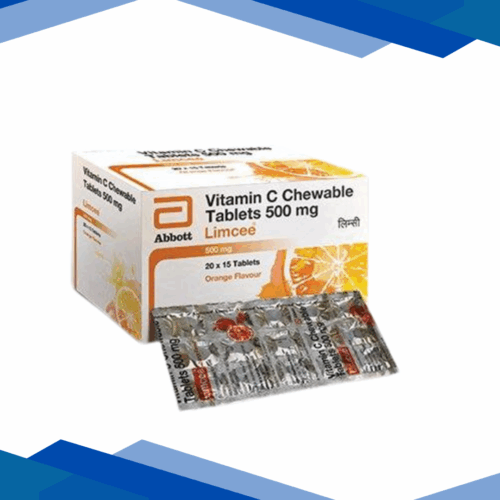
Limcee Orange Flavour Chewable Tablet 15