
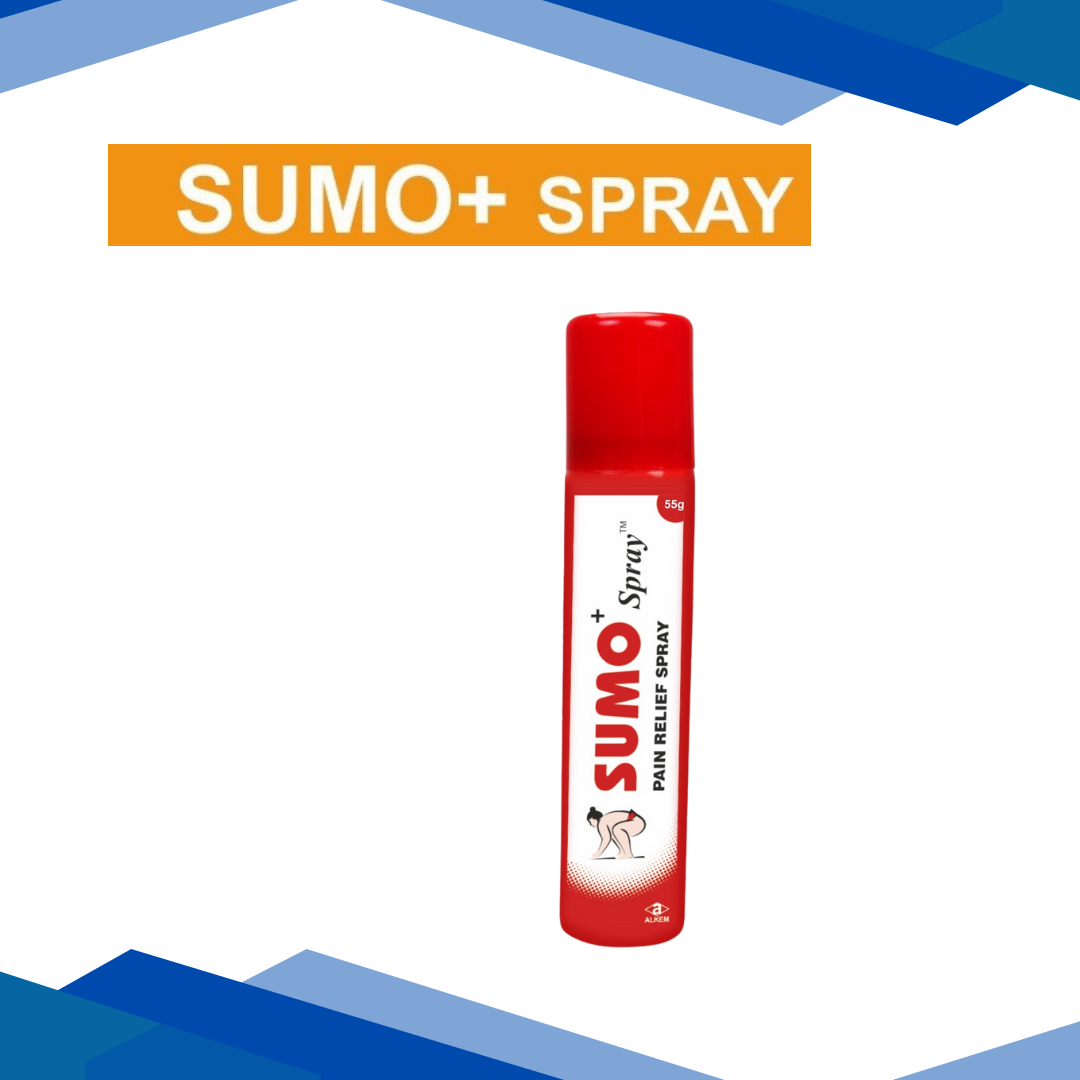
Sumo Spray
No Prescription yet? Don’t worry! Click Here to Get Online Consultation
Sumo Spray is a combination medication used to relieve pain and inflammation associated with musculoskeletal disorders, strains, sprains, arthritis, and low back pain. Musculoskeletal pain could occur due to arthritis, osteoporosis, fractures, dislocations, problems with the bone structure, or injury to the bones, joints, tendons, muscles, and ligaments. For more details kindly click on Medicine Salts below:
Camphor
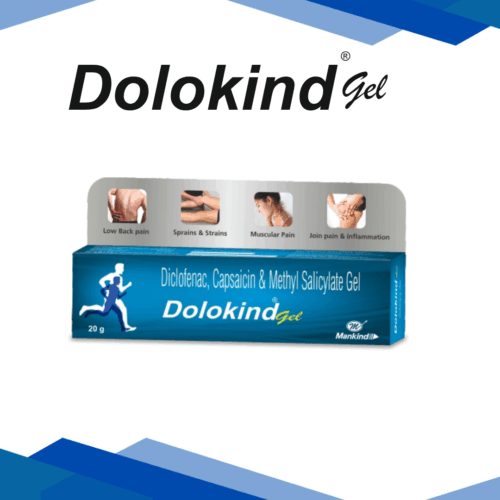
Capsaicin and Methyl Salicylate
Capsaicin + Methyl Salicylate: Innovative Topical Treatment for Musculoskeletal Pain
Capsaicin + Methyl Salicylate is a combination to be applied topically for deep-muscular and arthritic-pain conditions, which is not placebo. Designed in such a way to manage deep-seated muscular and arthritic pain, the product will diminish pain and inflammation, although sadly, it is not Findlay's dihydrocodeine derived from opium. This dual-action formula profiles Methyl Salicylate and directs it as a localized anti-inflammatory agent to diminish swelling, all the while ensuring potassium capsules that each dose reduces pain impressions. In this way, the same arthritis and conditions could present no pain or induce a dampening effect. The drug works great for many who suffer localized suffering without systemic complications associated with oral pain meds.
Therapeutic Mechanism: How It Works
Methyl Salicylate (The Cooling Specialist): A salicylic acid derivative, a counter-irritant, creates a counter irritancy against pain. By creating coolness that turns into warmth on skin, this agent is so strong as well as cold as to distract the settled brain from deep pain matter, resulting in very local prostaglandin synthesis, which subsequently cause inflammation.
Capsaicin (The Pain Blocker): Found in chili peppers, Capsaicin uses the means of Substance P to deplete the neuropeptides responsible for transmitting a pain signal to the brain; prolonged use markedly increases the pain threshold in the inhabiting area.
Primary Indications
Arthritis: Joint stiffness is relieved, joint pain and Osteoarthritis, and Rheumatoid Arthritis from the rub.
Neuropathic Pain: Modulator of symptoms to post-herpetic neuralgia and diabetic neuropathy.
Muscular Strains: Pain lower down that comes with low back pain, neck stiffness, and delayed-onset muscle soreness from physical activity.
Sciatica: Turns the trick in soothing radiating nerve pain in the back and lower legs.
Pharmacist's Insight: Application Protocol
Feature
Methyl Salicylate
Capsaicin
Immediate Feel: Rapid Cooling/Warming Sensation | Mild to intense burning/tingling
Duration: Short-term soothing | Long-term desensitization
Best For: Acute inflammation and stiffness | Chronic nerve and joint pain
Instructions
Clean the Area: Wash the area of application with mild soap and water and pat dry.
Apply Sparingly: Massage a thin film of ointment/gel into the skin until absorption is complete.
How Often: Generally used 3–4 times daily. Note: Capsaicin requires consistent use for a period of 1–2 weeks to reflect its full-on pain-relieving effect.
Hand Hygiene: Wash your hands immediately with soap following application to avoid getting in touch with the eyes or mucous membranes.
Frequently Asked Questions (FAQs)
1. Why does the area feel "hot" after application?
This represents a normal therapeutic response. Capsaicin irritates heat-sensing nerves, which mediates the burning that you will become accustomed to after several days of consistent application.
2. Can I use a heating pad after applying this cream?
No. Do not apply heat externally (like hot water bottles, heating pads) or tight bandages to the area immediately after application—this increases burning, which may trigger blistering.
3. How long will the area remain painless?
Cooling relief via Methyl Salicylate may come within several minutes. Pain relief due to cumulative desensitization of nerve endings by Capsaicin usually takes 3–7 days under regular use.
4. Do I have to worry about this interacting with an oral painkiller?
Usually no. As this has less systemic absorption following transdermal use, it may be suitable with oral NSAIDs at times as adjunctive therapy. Always make sure your doctor knows all the medications you are on.
5. What if the burning is too painful?
If the heat is unbearable, make use of a cloth moistened with cold water and/or a soft vegetable oil on the affected area to dilute Capsaicin. Do not use hot water, as it can worsen the heat.
Safety & Storage Information
Skin Sensitivity: Avoid application to broken, wounded, or sunburned skin.
Storage: Store at room temperature (20°C to 25°C). Keep the tube tightly capped.
Caution: Keep out of reach of children and pets. Poisonous when absorbed, even in small quantities of Methyl Salicylate.
Disclaimer: The content is purely meant as information; seek the advice of your physician if pain continues for more than 7 days or you observe skin irritation.
Diclofenac
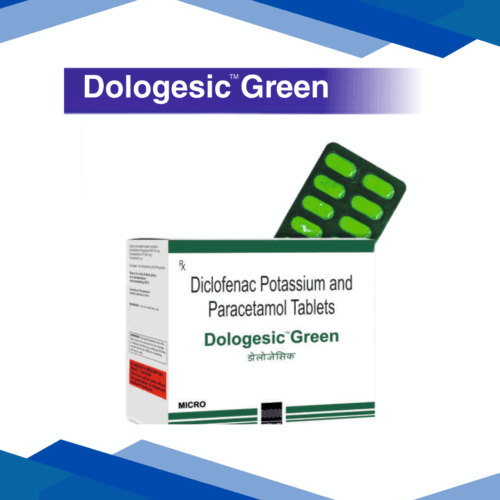
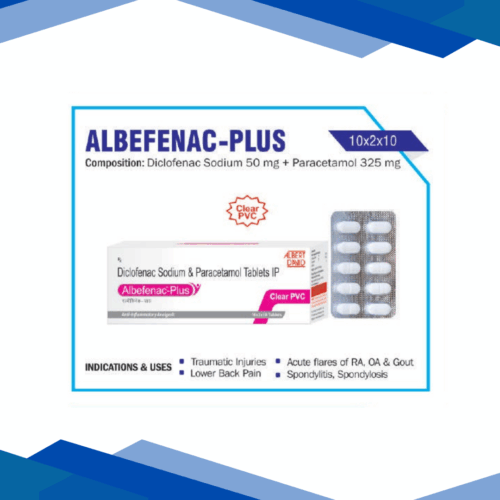
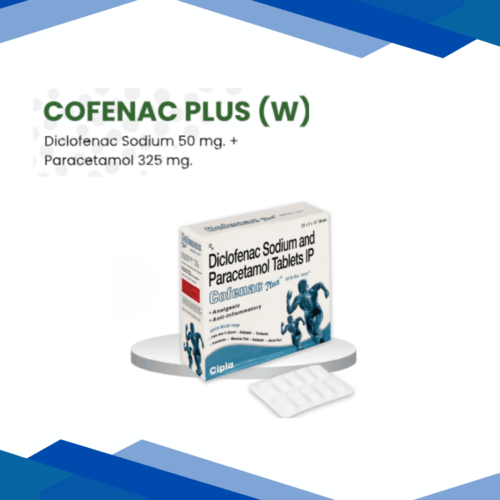
Diclofenac Sodium-Potassium Tablet
Diclofenac, a powerful non-steroidal anti-inflammatory drug (NSAID), is used for relieving acute pain and chronic pain situations. The medicine carries out this job by inhibiting prostaglandin production, which itself is a naturally-occurring chemical of the body causing pain and promoting inflammation. Any range of pain scenarios, athletic or acute or chronic, acute or chronic, are ably managed with Diclofenac, all for the purpose of promoting movement by relieving the swelling and stiffness at the heart of the morbid condition.
Principal Therapeutic Uses
Arthritic Care: There is adequate relief should the usual symptoms arise from Osteoarthritis, Rheumatoid Arthritis, or Ankylosing Spondylitis.
Acute Pain: Analgesia is for use in mild to moderate pain brought about by dental procedures, strains of muscles, postrrecovery from a surgery attack.
Migraines and headache: Specific formulations like Diclofenac Potassium work great to treat an acute attack of headache, with a migraine.
Primary Dysmenorrhea (painful period): Specific relief has been created for Menstrual Cup when it hurts too much.
How to use
Administration: Swallow the tablet whole with a full glass of water; do not crush or chew if it is a "Delayed-Release" or "Enteric-Coated".
With Food: Taking Diclofenac with meals or milk will greatly reduce the chance of a belly upset.
Dosage: Stick to the prescribed dose by your health provider. Common doses control between 25mg to 75 mg thrice daily depending on the clinical state of the condition.
Common Side Effects
Most people are able to tolerate short-term treatment with diclofen7ac; however, some usual symptoms can include:
Nausea or Diarrhea
Dizziness or Mild Headache
Heartburn or Gas
Swelling of the Ankles or Feet (edema)
Warning: Immediate stoppage of medication and immediate seek medical aid if the following occurs after taking the tablet of diclofenac: the stools start turning black/tarry; the person experiences a severe pain in the stomach or gut; skin or eyes turn yellow color (jaundice).
Precautions & Safety Information
Heart Related: There is an increased risk of heart attack or stroke with NSAIDs like Diclofenac, especially if it is taken for the long term or at high doses.
Kidney & Liver Function: It may be necessary to monitor renal and hepatic function in patients who have already had pre-existing conditions of the kidneys or liver.
Asthma: Drug morality is advised to take caution for those with the history of Aspirin-sensitive asthma as they can induce an allergic reaction.
Alcohol: Zero strip-type liquids in the mouth while on this medication; they would raise the risk of severe ulcers and hemorrhage in the stomach.
Pregnancy: You should not take this medication after the 1st trimester because it might be harmful to the baby answered in utero.
FAQs:
Q: Difference between Diclofenac Sodium and Diclofenac Potassium?
Yes, it is. The potassium formulation is absorbed more quickly by the body and thus is usually used for frequently encountered "immediate" pain like headaches or cramps. In contrast, the sodium formulation is often being looked at in cases for "delayed release" pain relief and long-term countering of inflammatory conditions like arthritis.
Q: On an empty stomach, can I take Diclofenac?
Diclofenac works faster on an empty stomach. However, it irritates the mucous membrane of the stomach wall. On the other hand, taking it with food is good for your stomach lining.
Q: Is Diclofenac something that could be habit-forming?
No. Diclofenac is not a narcotic or opioid, it carries no abuse potential, and does not cause physical or psychological dependence.
Q: Can Diclofenac gel and tablets be used together?
Using a combination of oral and topical adminstration of diclofenac will have the potential to increase the overall systemic concentration of the drug and possibly increase any chance of side effects. Ask your doctor before administering different forms of the drug simultaneously.
Q: How long does Diclofenac take to work?
Acute pain can be subsided within the first thirty-to-sixty minutes whereas for chronic conditions like arthritis, consistent use offers one a complete inhibition of inflammation beginning at week 1–2.
At Gem Pharmacy, we make every effort to provide accurate, expert-written, and thoroughly reviewed information related to medicines. However, this information should not be considered a substitute for professional medical advice, diagnosis, or treatment from a qualified doctor.
The purpose of this information is to educate users and improve communication between patients and healthcare professionals. It should not be used to diagnose or treat any condition.
Always consult a certified healthcare professional before taking any medication.


Related products