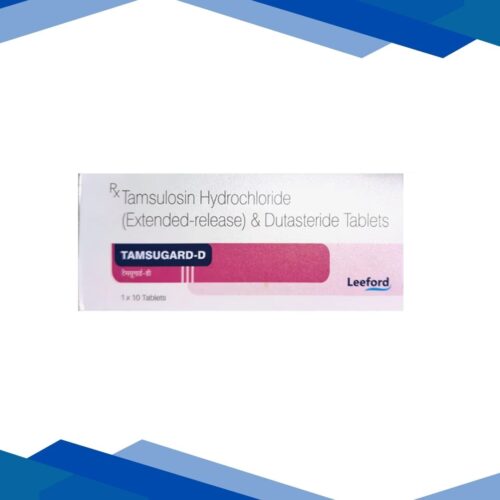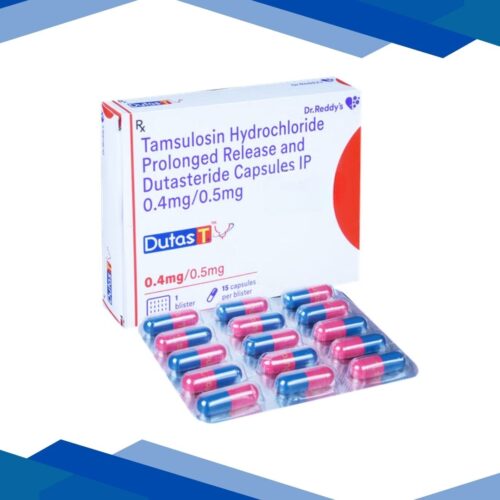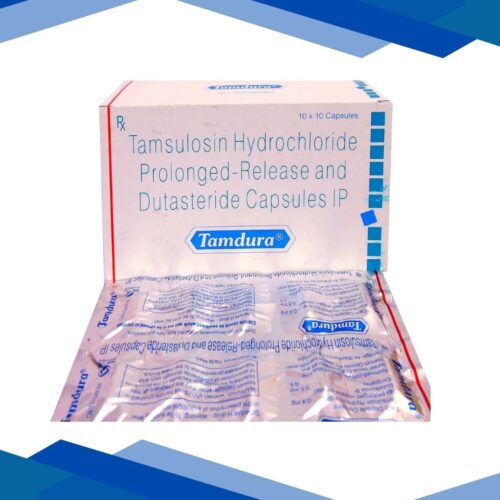



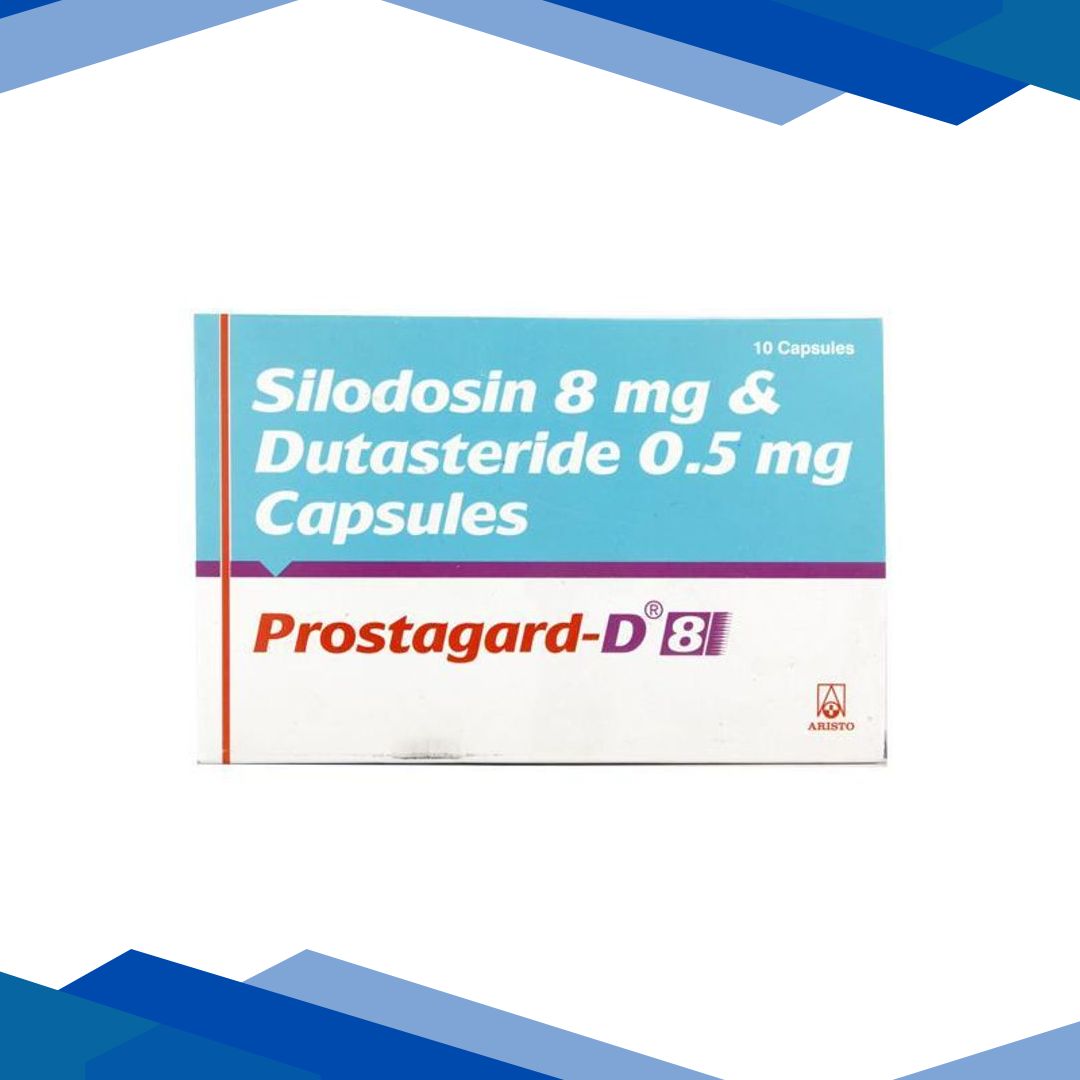
Prostagard D 8mg Capsule 10’S
No Prescription yet? Don’t worry! Click Here to Get Online Consultation
contentReference[oaicite:0]{index=0} is a prescription medicine used to manage urinary symptoms caused by benign prostatic hyperplasia (BPH), also known as an enlarged prostate. It works by relaxing the muscles in the prostate and bladder neck, helping improve urine flow and reducing symptoms such as difficulty urinating, weak urine stream, frequent urination, and nighttime urination. Prostagard D 8mg Capsule belongs to the class of selective alpha-1 adrenergic blockers and should be used under medical supervision.
Description
:contentreference[oaicite:0]{index=0} is a prescription medicine primarily used to treat urinary symptoms caused by benign prostatic hyperplasia (bph), also known as an enlarged prostate. bph is a common condition in aging men in which the prostate gland becomes enlarged and presses against the urethra, leading to difficulty in urination. this medicine belongs to a class of drugs known as selective alpha-1 adrenergic receptor blockers. it works by relaxing the smooth muscles in the prostate and bladder neck, allowing urine to flow more easily and reducing symptoms such as weak urine stream, hesitancy, frequent urination, incomplete bladder emptying, and nighttime urination.
Prostagard D 8mg Capsule is considered highly selective for alpha-1a adrenergic receptors, which are mainly located in the prostate and bladder. because of this selectivity, it often produces fewer blood pressure-related side effects compared to some older alpha blockers. patients taking this medication may notice improvement in urinary flow and reduced discomfort within a few days to weeks after starting treatment. however, the full therapeutic effect may take several weeks depending on the severity of the condition.
this medicine is intended mainly for adult men diagnosed with benign prostatic hyperplasia. it is not used to shrink the prostate gland itself but rather to relieve urinary symptoms associated with prostate enlargement. Prostagard D 8mg Capsule does not cure bph permanently, and regular medical follow-up may still be required to monitor prostate health and rule out other conditions such as prostate cancer or urinary tract disorders.
healthcare providers may recommend Prostagard D 8mg Capsule as part of long-term management for urinary obstruction symptoms, especially in patients who experience significant discomfort or reduced quality of life due to frequent urination or urinary retention. patients should take the medication exactly as prescribed and should not stop treatment abruptly without consulting a healthcare professional.
ingredients
- Prostagard D 8mg Capsule: Prostagard D 8mg Capsule is the primary active pharmaceutical ingredient in the medicine. it acts selectively on alpha-1a adrenergic receptors present in the smooth muscles of the prostate gland, bladder neck, and urethra. by blocking these receptors, Prostagard D 8mg Capsule relaxes muscle tension and improves urinary flow. its receptor selectivity helps reduce urinary symptoms effectively while minimizing some cardiovascular side effects associated with non-selective alpha blockers.
- microcrystalline cellulose: commonly used as a filler and stabilizing agent in tablet and capsule formulations. it helps maintain the structure and consistency of the medicine.
- magnesium stearate: acts as a lubricant during manufacturing to ensure proper tablet or capsule formation and improve product quality.
- lactose monohydrate: frequently included as an inactive ingredient to improve formulation stability and assist in the delivery of the active medicine.
- talc: used as a glidant to improve powder flow during manufacturing and maintain consistency in dosage form production.
- gelatin or capsule shell components: present in capsule formulations to enclose the medicine and support proper oral administration.
key uses
- benign prostatic hyperplasia (bph): Prostagard D 8mg Capsule is mainly prescribed to relieve urinary symptoms associated with enlarged prostate glands in adult men. it helps improve urine flow and reduces discomfort during urination.
- difficulty starting urination: the medicine helps reduce urinary hesitancy by relaxing muscles around the bladder outlet and prostate.
- weak urine stream: patients experiencing poor urinary flow due to prostate enlargement may benefit from improved urine passage after treatment.
- frequent urination: Prostagard D 8mg Capsule may help reduce the urge to urinate frequently, especially during nighttime hours.
- incomplete bladder emptying: the medication assists in better bladder drainage and may reduce the sensation of residual urine after urination.
- nocturia: patients who wake multiple times at night to urinate due to bph symptoms may experience symptom relief and improved sleep quality.
- urinary discomfort: by reducing pressure and muscle tightness around the urinary tract, Prostagard D 8mg Capsule may decrease discomfort associated with obstructed urine flow.
how to use
Prostagard D 8mg Capsule should be taken exactly as directed by a qualified healthcare professional. the medicine is generally taken orally with food, preferably at the same time each day to maintain consistent levels in the body. taking it with meals may help reduce certain side effects such as dizziness or lightheadedness.
the capsule or tablet should be swallowed whole with water and should not usually be crushed, chewed, or opened unless specifically advised by a healthcare provider. patients who have difficulty swallowing should consult a healthcare professional for guidance before altering the dosage form.
it is important to continue taking the medication regularly even if symptoms improve. stopping treatment suddenly may cause urinary symptoms to return. patients should also attend regular medical checkups, as improvement in symptoms does not eliminate the need for prostate monitoring.
individuals taking Prostagard D 8mg Capsule should rise slowly from sitting or lying positions because the medicine may occasionally cause dizziness or faintness due to lowered blood pressure, particularly during the initial stages of treatment.
safety information
- warnings: Prostagard D 8mg Capsule may cause dizziness, fainting, or low blood pressure, especially when standing suddenly. patients should avoid driving, operating machinery, or performing activities requiring alertness until they know how the medicine affects them. men planning cataract or glaucoma surgery should inform their eye surgeon before using this medication because alpha blockers may contribute to intraoperative floppy iris syndrome.
- side effects: common side effects include dizziness, headache, nasal congestion, diarrhea, low blood pressure, fatigue, and abnormal ejaculation or reduced semen release during orgasm. some patients may experience retrograde ejaculation, where semen enters the bladder instead of exiting normally. serious side effects may include severe allergic reactions, fainting, chest pain, irregular heartbeat, painful erection lasting several hours, or severe dizziness. immediate medical attention is required if serious symptoms occur.
- precautions: patients with severe liver disease, severe kidney impairment, low blood pressure, or a history of fainting should use Prostagard D 8mg Capsule cautiously and only under medical supervision. elderly individuals may be more sensitive to the medicine’s blood pressure-lowering effects. patients should inform healthcare providers about all medical conditions before starting therapy.
- pregnancy/breastfeeding: Prostagard D 8mg Capsule is not intended for use in women. therefore, information regarding pregnancy and breastfeeding use is limited. women who are pregnant or breastfeeding should avoid handling the medication unnecessarily unless advised by a healthcare professional.
- interactions: Prostagard D 8mg Capsule may interact with antifungal medicines, certain antibiotics, hiv medications, blood pressure medicines, erectile dysfunction treatments, and other alpha blockers. combining these medicines may increase the risk of dizziness or severe low blood pressure. alcohol may worsen dizziness and faintness associated with the medicine. patients should always inform healthcare providers about prescription medicines, over-the-counter drugs, herbal supplements, and vitamins they are taking.
- kidney function considerations: since the medicine is partially eliminated through the kidneys, individuals with kidney impairment may require careful monitoring. severe kidney disease may increase drug accumulation and side effect risk.
- orthostatic hypotension: some patients may experience sudden drops in blood pressure when standing up. this can increase the risk of falls, especially in older adults.
- surgical precautions: patients scheduled for surgery or dental procedures should inform healthcare providers about current Prostagard D 8mg Capsule use to avoid complications related to blood pressure changes or anesthesia interactions.
additional information
- storage: store Prostagard D 8mg Capsule at room temperature away from direct sunlight, heat, and moisture. keep the medicine in its original packaging and out of reach of children and pets.
- missed dose: if a dose is missed, it should usually be taken as soon as remembered unless it is close to the next scheduled dose. patients should not double the dose to compensate for a missed dose.
- overdose: taking excessive amounts of Prostagard D 8mg Capsule may cause severe dizziness, fainting, low blood pressure, rapid heartbeat, or weakness. emergency medical attention should be sought immediately in case of suspected overdose.
- habit forming: no. Prostagard D 8mg Capsule is not known to cause dependence, addiction, or habit-forming behavior.
- monitoring: regular medical evaluations may be recommended to assess symptom improvement, prostate condition, kidney function, and potential side effects.
- long-term use: many patients use Prostagard D 8mg Capsule for long-term symptom management. continuous monitoring by a healthcare provider is important to ensure safety and effectiveness.
- lifestyle support: patients may improve urinary symptoms further by limiting evening fluid intake, reducing caffeine and alcohol consumption, maintaining healthy weight, and practicing bladder-friendly habits.
frequently asked questions
Q: what is Prostagard D 8mg Capsule used for?
A: Prostagard D 8mg Capsule is primarily used to treat urinary symptoms caused by benign prostatic hyperplasia (bph), also known as enlarged prostate. it helps improve urine flow and reduces symptoms such as frequent urination, weak stream, and difficulty starting urination.
Q: how does Prostagard D 8mg Capsule work?
A: Prostagard D 8mg Capsule works by selectively blocking alpha-1a adrenergic receptors in the prostate and bladder neck. this relaxes smooth muscles and allows urine to pass more easily.
Q: how long does Prostagard D 8mg Capsule take to work?
A: some patients may notice improvement within a few days, but full symptom relief may take several weeks depending on the severity of the condition.
Q: can Prostagard D 8mg Capsule cure enlarged prostate?
A: no. Prostagard D 8mg Capsule does not cure or shrink the enlarged prostate. it helps manage and relieve urinary symptoms associated with the condition.
Q: can Prostagard D 8mg Capsule lower blood pressure?
A: yes. although it is more selective than some older alpha blockers, Prostagard D 8mg Capsule can still lower blood pressure and may cause dizziness or fainting in some patients.
Q: what are the common side effects of Prostagard D 8mg Capsule?
A: common side effects include dizziness, headache, diarrhea, nasal congestion, fatigue, and ejaculation-related changes.
Q: what is retrograde ejaculation?
A: retrograde ejaculation occurs when semen enters the bladder instead of leaving through the penis during orgasm. this is a known and generally reversible side effect of Prostagard D 8mg Capsule.
Q: can Prostagard D 8mg Capsule affect sexual function?
A: Prostagard D 8mg Capsule may cause changes in ejaculation but does not usually reduce sexual desire or erectile function directly.
Q: should Prostagard D 8mg Capsule be taken with food?
A: yes. taking Prostagard D 8mg Capsule with food may improve absorption consistency and help reduce dizziness or low blood pressure symptoms.
Q: can elderly patients take Prostagard D 8mg Capsule?
A: yes, but elderly individuals may be more sensitive to dizziness and blood pressure changes, so careful monitoring is important.
Q: can Prostagard D 8mg Capsule be used in women?
A: Prostagard D 8mg Capsule is generally intended for adult men and is not commonly prescribed for women.
Q: can alcohol be consumed while taking Prostagard D 8mg Capsule?
A: alcohol may increase dizziness and lightheadedness associated with the medicine, so caution is advised.
Q: what should i avoid while taking Prostagard D 8mg Capsule?
A: patients should avoid sudden standing movements, excessive alcohol intake, and combining the medicine with interacting drugs unless approved by a healthcare professional.
Q: can Prostagard D 8mg Capsule interact with erectile dysfunction medicines?
A: yes. combining Prostagard D 8mg Capsule with erectile dysfunction medicines may increase the risk of low blood pressure and dizziness.
Q: is Prostagard D 8mg Capsule safe for patients with kidney disease?
A: patients with kidney disease should use Prostagard D 8mg Capsule cautiously because reduced kidney function may increase the risk of side effects.
Q: can Prostagard D 8mg Capsule cause fainting?
A: yes. some patients may experience fainting or severe dizziness, especially during the early phase of treatment or after sudden standing.
Q: what happens if i stop taking Prostagard D 8mg Capsule?
A: stopping the medicine may cause urinary symptoms to return or worsen. patients should consult a healthcare professional before discontinuing treatment.
Q: can Prostagard D 8mg Capsule be taken long term?
A: yes. many patients use Prostagard D 8mg Capsule safely for long-term management of bph symptoms under medical supervision.
Q: does Prostagard D 8mg Capsule affect prostate cancer risk?
A: Prostagard D 8mg Capsule does not treat or prevent prostate cancer. regular prostate examinations are still important while managing bph symptoms.
Q: what should i do in case of overdose?
A: overdose may cause severe dizziness, fainting, or dangerously low blood pressure. immediate medical attention should be sought.
this information is for educational purposes only and should not be considered medical advice. always consult a qualified healthcare professional before use.
At Gem Pharmacy, we make every effort to provide accurate, expert-written, and thoroughly reviewed information related to medicines. However, this information should not be considered a substitute for professional medical advice, diagnosis, or treatment from a qualified doctor.
The purpose of this information is to educate users and improve communication between patients and healthcare professionals. It should not be used to diagnose or treat any condition.
Always consult a certified healthcare professional before taking any medication.


Related products