


SEBAMED EVERYDAY Shampoo 200ml
SEBAMED Everyday Shampoo is a gentle, pH-balanced shampoo designed to clean and maintain healthy hair. It is formulated with mild surfactants and enriched with nourishing ingredients that help to strengthen the hair without stripping its natural oils. The shampoo is perfect for daily use, promoting softness, shine, and overall scalp health.
Allantoin
Allantoin: The Ultimate Soothing Agent for Skin Recovery
Allantoin serves as a discreet skincare component which dermatologists recommend for treating ongoing skin dryness and minor skin problems and for enhancing existing skincare products. Allantoin functions as a non-irritating skin safeguard which promotes wound healing through its natural presence in the comfrey plant and its synthesized clinical-grade form.
Mechanism of Action
The process of Allantoin functions through:
Allantoin penetrates skin layers using keratolysis unlike most active ingredients which remain on the surface. The treatment functions by softening the adhesive material which binds dead skin cells together to enable better shedding of these cells.
The Resulting Processes
- Deep Hydration: The process enables moisture to reach deeper skin layers after dead cells have been removed.
- Cell Regeneration: The treatment triggers fibroblast cells which create collagen to accelerate scar and abrasion healing.
- Anti-Irritation: The substance functions as a natural buffer which enhances its compatibility with more intense treatments such as Retinol and AHAs.
Primary Uses & Benefits
- Soothing Sunburns & Rashes: The treatment quickly calms skin redness and heat because it stops the inflammatory process which affects the skin.
- Scar Management: The treatment results in less visible scar tissue because its regular use makes the scar tissue smoother over time.
- Eczema & Psoriasis Relief: The treatment creates a protective barrier which stops moisture loss through transepidermal water loss (TEWL) from damaged skin areas.
- Post-Procedure Recovery: The procedure acts as a tissue repair accelerator which people use after chemical peels and laser treatments.
Frequently Asked Questions (FAQs)
1. Is Allantoin safe for sensitive skin?
Yes. Allantoin functions as an "anti-irritant" which people widely acknowledge. The ingredient appears in cosmetics because it helps to minimize potential skin reactions which other components of the product might induce. The product provides safety for all skin types which includes people who suffer from hypersensitivity and rosacea.
2. How should I apply products containing Allantoin?
The optimal method for using Allantoin-based products requires users to apply the cream or gel onto their slightly damp skin. The process establishes a barrier that maintains moisture for longer periods. The user should perform gentle massage movements to apply the product two times each day for scar treatment purposes.
3. Can I use Allantoin along with Vitamin C or Retinol?
Absolutely. The practice of using Allantoin in combination with "actives" which include Retinol and Salicylic Acidrepresents a common recommendation. The soothing effects of Allantoin protect the skin from discomfort which occurs when users use those products that cause their skin to peel or turn red.
4. Are there any side effects?
The natural soothing properties of Allantoin make its side effects extremely rare. The product requires users to conduct a patch test on their forearm before they use it for complete application. The product requires users to stop using itwhenever they experience uncommon stinging or ongoing redness and seek medical assistance.
5. Is Allantoin the same as Urea?
Both compounds function as keratolytic agents which dissolve dead skin cells yet Allantoin operates as a milder option. Allantoin serves as the better choice for facial skin and wound treatment whereas urea works effectively on extremely thick and cracked heel skin.
Storage and Safety Information:
- Storage: The container should remain tightly sealed while stored in an area that maintains cool and dry conditions. The material should not receive direct sunlight exposure.
Warning: The product exists for external application only. The product requires professional advicebefore users apply it on deep puncture wounds or severe burn injuries.
Citric acid
Citric Acid: Uses, Formulation Roles, and Benefits
Citric acid is an organic acid that is found naturally in citrus fruits like oranges and lemons. This makes it a versatile excipient and active ingredient in pharmaceutical formulations. Most importantly, citric acid is widely used in effervescent tablets, urinary alkalizers, and stabilization agents that ensure therapeutic products remain potent over time. Apart from these benefits, when treated as potassium citrate or sodium citrate, citric acid becomes vitally important in treating metabolic conditions and in preventing the stomach from generating specific types of kidney stones.
Why Do People Use Citric Acid in Medicines?
Urinary Alkalization: It helps to raise the pH of urine, making the urine less acidic, which is very necessary for those who are prone to uric acid or cystine stones.
Effervescent Action: Have you ever noticed that some tablets fizz in water? Citric acid and bicarbonate react in the water giving it the "fizz" feeling while expediting the dissolution of the medicine and thereby facilitating rapid absorption in the stomach in the process.
Antioxident: It stabilizes the drug molecules, acting as a preservative which prevents oxidation and other harmful decay related to susceptible medicine substances.
Enhanced Mineral Absorption: It is routinely combined with either Calcium or Magnesium (again in the form of Calcium Citrate) to increase the uptake of these essential minerals out of the intestines.
Getty Images
The better view and quick education
Feature
Details
Drug Class
Urinary Alkalizer / Pharmaceutical Excipient
Common Forms
Powder, Oral Solution, Effervescent Tablets
Primary Indication
Kidney stone prevention, Acidosis, pH Balancing
Source
Naturally derived or biotechnologically produced
Safety Guidelines & Expert Advice
Although Citric Acid is classified as "Generally Recognized as Safe" (GRAS) by global health regulators, it does require careful use when used as a medicine.
How to Take:
It Is All About Dilution: If taking with a liquid, Citric Acid/Citrate must be diluted in a minimum of 6 ounces of water or some irresistible juice, so it does not irritate the stomach and does not harm the teeth.
After Meals: It is advisable to take the medicine after meal(s) or even when going to bed, as to ensure that you do not have any malaise in the stomach.
Fluid Intake: Hydration must be maintained while under treatment with citrate-based medications in order to help the kidneys flush out many more waste materials.
Restrictions:
Kidney Malfunction: You should consult a renal expert first before using Citric Acid if you experience severe kidney diseases, as it can affect potassium and sodium levels.
Oral Hygiene: Prolonged utilization of acidic solutions may ultimately have an adverse impact on the teeth by demineralizing them. It is best to rinse your mouth with water following the ingestion thereof.
Frequently Asked Questions (FAQs)
1. Can Citric Acid cure active kidney stones?
The primary use of citric acid is more prevention, rather than in cases of actual treatment of large stones. By making the urine less acidic, it stops further crystal formation and helps pass through the smaller "gravel."
2. Can I get enough Citric Acid from lemons?
In an average healthy condition, lemons might be enough; however, for cases like Renal Tubular Acidosis, the concentration in the pharmaceutical grade (like Potassium Citrate) provides relatively controlled dosing. This ensures that the dose remains more consistent than just having the food as a source.
3. Are there any side effects?
Some people might experience temporary mild gastrointestinal symptoms, like nausea, stomach cramps, or diarrhea, which can usually be prevented by supporting the treatment with an abundant volume of water and food consumption.
4. Is it safe for patients with hypertension?
Patients with hypertension trying to keep their sodium intake low should look into the use of sodium in order to avoid too much from Citric Acid. With that being the case, Potassium Citrate would become a better substitute in such instances.
5. Can I take it with antacids?
Taking the citric acid and antacids simultaneously would cause aluminum in the antacid to be absorbed in excess, leading to toxicity. Hence, the best option is to avoid combining Citric Acid with antacids, especially if the latter contains aluminum.
Panthenol (Pro-Vitamin B5)
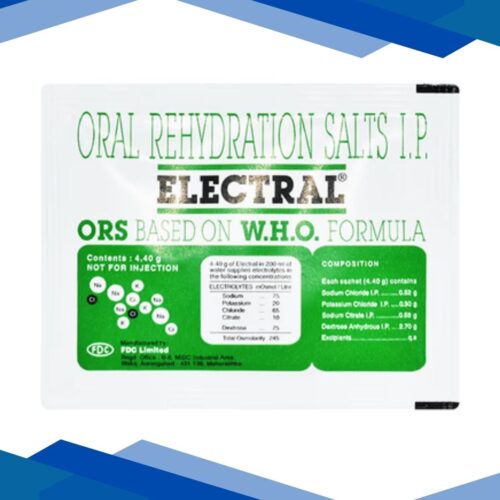
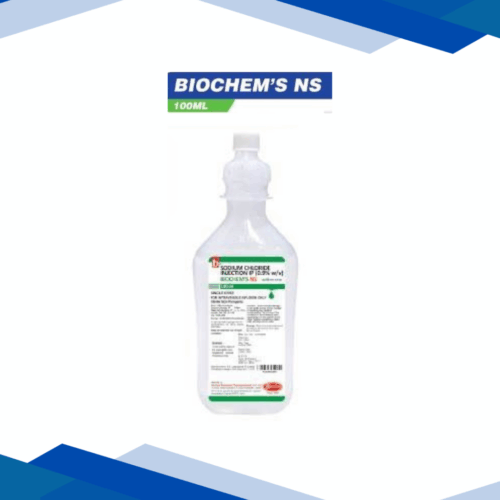
Sodium Chloride
Normal Saline (Sodium Chloride)
Sodium Chloride is an essential electrolyte supplement that restores salt and water balance in the body. In healthcare settings, it is most commonly administered IV as Normal Saline (0.9%) to treat dehydration, intranasally as a decongestant, or drops in the eyes to clean out irritants. It is important in maintaining osmotic pressure and nerve-muscle functions.
Major Medical Forms
Pens: Also used for another drug and to replace fluid.
Nasal Drops/Spray: Pseudo-ephedrine for relief from dry or congested nasal passages.
Ophthalmic Solution: Eye irrigation or for reducting swelling of cornea.
Oral: Sodium chloride tablets are used for specific electrolyte deficiencies or "salt-wasting" conditions.
Main Benefits
Rapid Rehydration: Quickly restores fluid volume due to heatstroke or diarrhea. Flowers for free.
Amascus: Water-thinning in the nose to relieve breathing.
Electrolyte Balance: Essential to maintain the proper levels of alkalinity and acidity (pH) of the blood.
How to Use
For the Nose: Lean the head backwards and squeeze the number of drops instructed into each nostril. Avoid touching the dropper tip to the inside of the nose. This is to prevent contamination.
As IV Infusion: This should be given only in a hospital or clinic by a professional health worker.
For the Eyes: Rinse the eyes gently with the sterile solution when necessary.
Side Effects and Cautions
Although Sodium Chloride is found naturally in the human body, it can occasionally be red or irritating at the site (IV) upon administration, with sneezing being a common side effect (Nasal spray) and administered in large quantities may cause edema or fluid volume overload, raise your blood pressure.
Caution: Patients with congestive heart failure, severe kidney disease, or high blood pressure (hypertension) should use sodium chloride supplements only under strict medical supervision.
Frequently Asked Questions (FAQs)
Q: Is "Normal Saline" just salt water?
Though it comprises sodium chloride and water, "Normal Saline" (0.9%) is created to match the salt concentration in human blood and tears. As such, it is "isotonic," which implies the solution will not burn or disturb cells like homemade salt water will.
Q: Can I give Sodium Chloride nasal drops to my baby?
Saline nasal drops are typically the swiftest and least dangerous decongestion remedy for infants, given that there is no harsh decongestant-based chemical. Go for the products manufactured particularly for use in children of that specific age of yours.
Q: Why was I put on Sodium Chloride tablets?
They are typically prescribed to address "hyponatremia" (that is, low sodium levels in blood) that could result from intensive sweating, certain medications, or certain imbalances of the hormones.
Q: Is there a risk of "salt overdose"?
Higher-volume infusion of sodium chloride can give rise to hypernatremia in a clinical instance; symptoms are thirst, mental cloudness, and fluid retention. This does include medical oversight on one's electrolyte levels throughout therapy.
Q: Can I use saline to wash the lenses of my contact glasses?
You can use saline solution to rinse commercially prepared and disinfected contact lenses, though it is not possible to kill off bacteria or viruses. It should be used merely as a supplementary cleaning step by rinsing the impurities from the lens after utilizing proper disinfection solutions.
Tocopheryl Acetate (Vitamin E)
Vitamin E (Tocopheryl Acetate Encapsulated)
Vitamin E is one of the fat-soluble nutrients that has been discovered by modern science and is a well-known antioxidant; it continues to be of significant importance in maintaining healthy cells. Vitamin E is majorly known as the beauty vitamin, for putting health back into the skin, hair, and body defenses. Other recognized uses include the treatment of malnutrition deficiencies, cardio protection, and increased ocular health.
Key Therapeutic Benefits
Skin Regeneration: Speeds wound healing, including scars, burns, and UV-damaged skin, by encouraging cell repair.
Anti-Aging Properties: Detoxifies environmental pollutants that result in lines, wrinkles, and hyperpigmentation.
Immune System Boost: Enhances the body's forestalling against infections and chronic diseases.
Vitality in Hair: By increasing local capillary circulation to reduce the oxidative stress that leads to hair thinning.
Eye Health: With the combination of other antioxidant substances, it may reduce the risk of age-related macular degeneration (AMD).
Product Description
Composition: Vitamin E (Tocopheryl Acetate) USP/IP.
Strength: Available as 200mg, 400mg, and 600mg softgel capsules.
Formulation: Easy-to-swallow liquid-filled softgels for superior bioavailability.
Storage: Store below 25°C in a dry place, protected from direct sunlight.
Indication and Usage
Oral Intake: The standard adult dosage is 400mg a day post-meal or as advised by the physician. Fat-soluble vitamins have excellent absorption when ingested with a fat-containing food source for sinus exit from the stomach.
Topical Application: For skin or hair benefits, carefully prick the softgel and apply the oil directly to the affected area or mix it with your regular moisturizer or carrier oil.
Around very rare occasions, Vitamin E has caused side effects such as an allergic reaction in some individuals. On some occasions, however, benefits always outweigh the possible damageore. However, it has been reported that vitamin E may cause the following adverse effects:
nausea
stomach cramps
fatigue or headaches
Blurred Vision
Increased Bleeding Risk especially when used with blood thinners.
Pharmacists' Note:
You should adhere to the Recommended Dietary Allowance (RDA) unless advised otherwise by a physician. High dosages of Vitamin E (>400 units/day) must not be considered for administration unless especially instructed by a medical specialist.
Warning/Precautions
Surgery: Patients must discontinue Vitamin E up to two weeks away from whole blood-surgery to prevent increased risks of bleeding.
Drug Interaction: Inform your physician about Aspirin, Warfarin, or Clopidogrel on your regimen, since Vitamin E may amplify their blood-thinning effects.
Pregnancy: A consultation with an obstetrician is advised prior to commencing Vitamin E intake, especially during the first trimester.
Frequently Asked Questions (FAQs)
Q: What happens if you place Vitamin E capsules directly on the face?
Vitamin E oil is recognized for its intense moisturizing properties. However, it is highly viscous, so those with oily or acne-prone skin should use it sparingly or in combination with jojoba or another light oil so as not to clog pores.
Q: Should I take Vitamin E in the morning or night?
You should consider the "fat content" of your meal. The most designated time could be any meal that supplies the higher-fat content through an ample size—thereby taken at lunch or dinner.
Q: Does Vitamin E help in reducing dark circles?
Vitamin E can improve blood circulation and hydrate the delicate under-eye area, which may help lighten dark circles caused by dryness or fatigue over time.
Q: Can Vitamin E be taken daily?
A daily supplement is safe for most people, provided it stays within the recommended limits. For general wellness, a 400mg dose is standard, but long-term use should be reviewed by a healthcare provider.
Q: How does Vitamin E protect the heart?
Being an antioxidant, it prevents the oxidation of LDL (bad cholesterol), which is further oxidized, eventually leading to the atherogenic effects.
Disclaimer:
This content is provided for informational purposes and is not a substitute for professional medical advice. Always consult your doctor before starting any new supplement regimen.
At Gem Pharmacy, we make every effort to provide accurate, expert-written, and thoroughly reviewed information related to medicines. However, this information should not be considered a substitute for professional medical advice, diagnosis, or treatment from a qualified doctor.
The purpose of this information is to educate users and improve communication between patients and healthcare professionals. It should not be used to diagnose or treat any condition.
Always consult a certified healthcare professional before taking any medication.


Related products