Glycerin
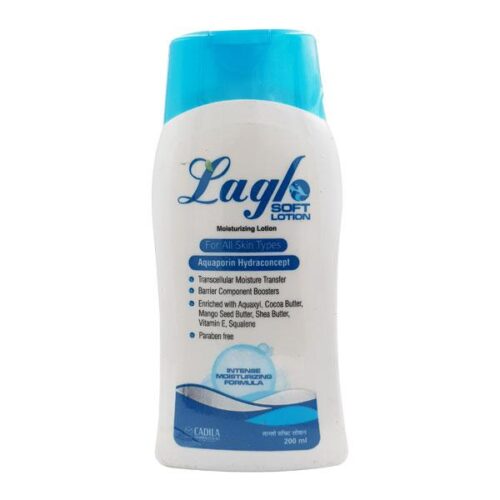
e Glycerin IP Liquid is vetted by dermatologists with special mention for safe use for levels of purity. It maintains the skin balance; Glycerin IP Liquid is frequently used in pharmaceutical and cosmetic products. The clear, viscous liquid creates a barrier to retain moisture by locking off moisture in the skin, making it suitable to cure dry, flaky, or itching skin. It is multipurpose for the skin, hair, and some minor irritations.
Product Information
Category: Skin Care/Topical Protectant
Type: Viscous Liquid
Grade: Indian Pharmacopoeia (I. P.)
Suitability: All types of skin including Normal, Dry, Oily, and Sensitive
Key Ingredients
Active Ingredient: Glycerin (I. P.)
Key Benefits
Intense Hydration: Acts as a natural humectant and, thus, assists in the streaming of moisture from the surroundings to the outer layer of the skin and deeper levels within the skin.
Barriers of Protection: Occurs forming an occlusive film on the skin's surface to prevent TEWL simultaneously bearing down pollution.
Skin Rejuvenation: Regular use should help to dispose of dead cells, and impart a smoother touch and a more radiant complexion.
Non-Comedogenic: Signifies that the creams are oil-free and are also useful for injecting hydration treatment without blocking one's pores, making them suitable for people with an acne condition.
Soothing Reliefs: This act of softening the hard parts and inducing a cooling effect is also recommended for the drying process of a winter day or any water creation by eczema or psoriasis.
Directions for Use
Cleanse: Cleanse the affected area with mild soap and water and pat dry.
Dilute (Optional): For facial application, mix 2–3 drops of glycerine with rose water or your regular moisturizer.
Apply: Apply a thin layer of the solution to the skin using one's fingers.
Massage: Massage the skin gently until the moisture is absorbed. For excellent outcomes, use the cream twice every day after a bath when the skin is moist.
Safety & Storage Information
Usage: For external use only.
Storage: Store in a cool, dry place, away from direct sunlight and heat. Keep the bottle tightly closed when not in use.
A patch test is suggested to also be carried out by a first-time user to rule out any allergic reactions.
Precautions: Do not expose it to your eyes; keep it away from children.
Frequently Asked Questions (FAQs)
Q1. Is Glycerin all right to apply on the face at night?
Yes, Glycerin can be used as an overnight bleaching agent. Pure Glycerin however is very thick, so it's mostly suggested to dilute it with rose water or use it right on damp skin for better spreading and penetration.
Q1. Will Glycerin work on oily and acne-prone skin?
Oily skin still needs some level of hydration, though it may sound surprising. Glycerin is non-comedogenic; in other words, it does not clog pores and forms a seal to help hold in moisture without blocking the pores, thus exaggerating acne and increased skin oil.
Q3. How does Glycerin protect the skin in winter?
In cold weather, dry air reduces the natural moisture in the skin. Glycerin acts as a “moisture magnet,” pulling in moisture to the skin and sealing it with a protective film to stop cracks and flakes that are typical in winter.
Q4. Can the liquid be used for any hair or scalp issues?
Yes, glycerin is frequently added to hair treatments and conditioners to purify the person's dry and itchy scalp. It provides moisture to the hair shafts, making them more manageable and the split ends less visible.
Q5. Any known side effects?
Glycerin is in general considered safe and hypoallergenic. Occasionally, some rare cases might cause perceived mild redness or stinging. Should any irritation persist, discontinue use and consult a healthcare professional.
Histidine
L-Histidine 500 mg Capsule
Histidine is a semi-essential amino acid that serves as a fundamental building block of proteins in the human body. While adults usually produce adequate amounts, supplementation may be needed during periods of rapid growth, injury recovery, or specific metabolic demands.
It is also the direct precursor to histamine, an important compound involved in the immune response, digestion, and neurological function.
Key Benefits
Tissue Repair & Growth: Supports the maintenance and repair of tissues, including myelin sheaths that protect nerve cells.
Immune System Support: Helps regulate inflammation and supports the production of red and white blood cells.
Joint Health: May help manage symptoms of rheumatoid arthritis, where low histidine levels are often observed.
Digestive Health: Aids in the production of gastric juices, improving digestion and nutrient absorption.
Skin Protection: Helps produce urocanic acid, which provides a natural protective barrier against UV radiation.
How to Use
Standard Dosage: Typically 500 mg to 1000 mg daily for general wellness. Clinical doses should be determined by a healthcare provider.
Timing: Best taken on an empty stomach, ideally 30–60 minutes before meals.
Method: Swallow the capsule whole with a full glass of water.
Cycle: For use beyond 30 days, consider combining with an amino acid complex to maintain nutritional balance.
Important Safety Information
Mental Health Precaution: High doses are not recommended for individuals with schizophrenia, bipolar disorder, or severe anxiety, as it may affect neurotransmitter levels.
Pregnancy & Nursing: Limited data available—consult your obstetrician before use.
Liver & Kidney Health: Use with caution in individuals with renal or hepatic conditions. Medical supervision is advised to avoid metabolic strain.
Common Side Effects
Histidine is generally safe at recommended doses, but rare side effects may include:
Mild headache or dizziness
Nausea or stomach discomfort
Fatigue or drowsiness
Temporary metallic taste in the mouth
Frequently Asked Questions (FAQs)
Q: Is Histidine a drug or a supplement?
A: It is usually marketed as a nutritional supplement (nutraceutical). In clinical settings, L-Histidine Hydrochloride may be used in intravenous (IV) nutrition for critically ill patients.
Q: Can Histidine help with allergies?
A: It plays a role in immune function as a precursor to histamine. However, during active allergic reactions, consult a doctor before supplementation, as it may influence histamine levels.
Q: Does it interact with medications?
A: Yes. It may interfere with Levodopa (used in Parkinson’s disease) and may reduce the effectiveness of antihistamines. Always inform your doctor or pharmacist about all supplements you take.
Q: Can I get enough Histidine from diet alone?
A: Most people can obtain sufficient amounts from foods like meat, fish, dairy, soy, and beans. Supplements are typically used for deficiencies or increased physiological demands.
Q: How should I store this supplement?
A: Store in a cool, dry place away from direct sunlight. Keep the container tightly closed to prevent moisture exposure.
Panthenol
An ingredient that seems like a star in the cosmetic and wellness world, Panthenol gives poor dry skin and brings about same healing touch. Hydrocortisone can repair the skin. In the cosmetic empire, a rejuvenating ingredient, the all-powerful might of panthenol has heard of different names-ratings behind it. It is thus regarded as a life-saver, giving comfort to post-burned or injured individuals.
Whether it is a minor sunburn, post-op sensitivity, or long-standing dryness, Panthenol drops all the way down to the cellular level to bring back the skin's youth and vitality.
Key Characteristics of Panthenol
Deep Hydration: It attracts moisture from the air into the skin, thus maintaining long-term supple appearance.
Quick Relief: Stimulates fibroblasts to produce more collagen and thus prompts their rapid recovery.
Anti-Inflammatory Properties: Simulates procedure and soothes itchiness.
Reinforces Lipid Production: Panthenol boosts lipid production, which in turn helps build an inert lipid corneum—minced with in yet shielding against environment F8 pollutants.
Proper Application of Panthenol
Apply a panthenol-based face cream or a lotion on slightly damp skin for the best results. This would retain the moisture for the skin. Panthenol is gentle enough for everyday use; for better outcomes, you can consider coupling it with ingredients such as hyaluronic acid or niacinamide.
Pro Tip: If you are supposed to use Panthenol for hair growth, always spy on the leave-in conditioner. Rather than just sitting there on the hair surface, Panthenol penetrates the hair shaft and provides support by infusing moisture and consequently increasing hair elasticity. Thereby this can forestall friction, brittleness, and breakage.
Frequently Asked Questions (FAQs)
1. What is Panthenol exactly good for?
Typically, Panthenol moisturizes the skin, reduces irritations, and promotes the healing of minor cuts, burns or rashes. On the pharmacy level which is the entirely next level, it is also found inside nappy rash ointments and post-surgical skin recovery creams.
2. Is Panthenol safe for all skin types?
Yes, it is completely safe. Panthenol is considered non-comedogenic (will not clog pores) making it extremely gentle and safe for oily skin, dry skin, or sensitive skin and acne-prone.
3. Can I use the cream used for Panthenol during pregnancy?
Applying Panthenol topical is safe for use during pregnancy in general, but as always, it is better to consult with your obstetrician.
4. Are there any side effects?
Side effects are extremely rare. In one or one or two other patients, contact sensitivity was experienced, which was also mild. We suggest a patch test on the inner forearm before complete application.
5. So, are vitamin B5 and Panthenol the same entity?
On a technical level, Panthenol stands in the relationship of provitamin to Giga, B5, and easily serves as the pro-vitamin of B5. It converts to Pantothenic Acid (Vitamin B5)—the active state that cells exploit for regeneration—in the corneal layer.
Disclaimer: This content is for This content here has been provided for educational purposes only. In addition to that, none of it should be deemed as a replacement of medical advice from an expert practitioner. Be sure to ask a healthcare professional for permission to initiate any new dose of medication or topical skin treatment.