
L’Oréal Paris 72H Rehydrating Conditioner 175 ml
A conditioner formulated for dry, dehydrated or frizzy hair. Enriched with hyaluronic acid, it locks in moisture for up to 72 hours, detangles, adds shine and “plumps” hair without weighing it down. It also has a variant (“Pure”) that includes salicylic acid for balancing oily scalp + dry ends. For more details kindly click on Medicine Salts below:
Dimethicone
Dimethicone: The Versatile Barrier for Skin Care and Digestive Relief Dimethicone (polydimethylsiloxane) is a silicone-based polymer that is prized in the field for its barrier-building ability yet breathable in action. Its purpose varies from locking in moisture for good skin on the outside to easing abdominal gas from the inside, thus being an indispensable thing to both dermatological and gastrointestinal health.
Primary Therapeutic Uses
I. Advanced Skin Protection
Sacred lock Skin surface: The emollient theological property accelerates the imperceptible gap filling between skin cells, hence depriving dehydration and smoothing the skin surface.
Protective Barrier: Skin is shielded from irritants, weather, etc., and some types of friction.
Skin Conditions Management: Extremely effective for treating skin with xerosis, pruritus, or scaliness and for minor irritations, e.g., diaper rash & burn wounds from radiation.
II. Gastrolyceal Media
Stable grating: Dimethicone was put into antiflatulent oral use and it went with the antacids
Moonlight: A defoamer on the gastrointestinal tract, Dimethicone decreases the tension of bubbles, thus enabling elimination of the bloating feelings and letting the gas and air be expelled to lower enemy internal pressures.
Dimethicone Mode of Action
One central characteristic should be here: Impermeable Dimethicone does not pass into the bloodstream, but rather lies on the surface being treated as follows:
On the skin: it forms a non-greasy water-resistant film that reduces trans-epidermal water loss (TEWL).
In the gut: It does a mechanical impact on the joining of small gas bubbles thereby making them let out with ease in witness is from differing motility.
Experiments Done & Application Tips
If Skin is Dry: Apply a cream or lotion after a bath while it is still slightly damp to seal moisture in.
Using a Diaper Rash: Clean the affected area well and let it dry. Apply a thick layer of Dimethicone ointment.
For Oral Use: Most likely given in liquid drops or chewable tablets to comfort gas; take the dose shortly after mealtimes and/or at bedtime.
Shake Well-Hard: After closing the container, shake it well so that the active ingredient is evenly spread around if you're using a lotion or liquid suspension.
Dimethicone: FAQs
Q: Is Dimethicone safe on sensitive and acne-prone skin?
A: Yes. Dimethicone is non-stinging not liable to clog pores. It is highly recommended for sensitive skin and anesthetic qualities without an oily weight, which has been an excellent alternative to traditional products.
Q: Can I use Dimethicone on my hair?
A: Many hair serums and conditioners have dimethicone included to improve cuts, shine, and provide heat-styling. However, it is supposed to be removed regularly to avoid the buildup of any product.
Q: Does Dimethicone help with scars?
A: Mostly not in erasing a "scar," Dimethicone is a prime basic product in almost all professional scar-management gels. By gelling and keeping scar tissue moist and away from the regular air, healing is thus prompted and the ugly mark can be flattened as time goes on.
Q: Should I be aware of any potential harmful side effects if I have some oral medication for gas?
A: Oral dimethicone(dimethylsiloxane) is well tolerated as it is not absorbed through the mucous membrane. It might cause some slight nausea or very mild constipation in some cases, but this is infrequently observed.
Q: Can I use Dimethicone on an open wound?
A: No. It is fully advisable never to apply a Dimethicone cream over open sores, deep wounds, or animal bites or severe burns without getting professional advice, and it is best used on intact-but-irritated or dry skin visible.
Safety & Precaution
Feature
Details
Allergy Risk
Greatly minimal with adverse reactions; in extreme cases, one may experience facial swelling, severe itch, or a rash.
Pregnancy/Nursing
Use as innately as other topical drugs; The oral form should be a consultational choice.
Drug Interactions
None.
Driver's Specification
Keep Dimethicone or its vehicle between 15°C and 30°C, free from direct sunlight, in a room.
Hyaluronic Acid
Hyaluronic Acid: The Gold Standard in Hydration of Molecular Weight and Tissue Reconstruction Hylauronic Acid (HA) is a high-molecular-weight glycosaminoglycan found naturally throughout the human body in connective, epithelial, and neural tissues. Among its many functions, it is an important component of the extracellular matrix (ECM), where it acts as the principal structural scaffold. Its outstanding absorption capacity has made this chemical a marvel; it is capable of holding more than 1,000 times its weight in water. It is, therefore, truly a hero when it comes to maintaining dermal volume, joint lubrication (synovial fluid), and ocular surface health.
Therapeutic Benefits and Clinical Profile
Multilevel Hydration: It is a very powerful humectant that can secure moisture from the environment in the stratum corneum, making the skin look fuller, thus much lessening the appearance of fine lines (rhytides).
Viscoelastic Joint Support: In orthopedic joint applications (viscosupplementation), HA helps in fluid between joints and as shock absorber, relieving pain for osteoarthritic patients and saving the joint cartilage from deteriorating.
Wound Healing Acceleration: By decreasing the inflammation levels and signaling the body to build more blood vessels in the injured area, it accelerates the dermal repairing process.
Post-Surgical Recovery Period: It is used for soothing in the dermis after laser irradiation or during dermal peeling and to prevent Transepidermal Water Loss (TEWL).
A Pharmacy Insight: Approach the Issue Concerning Molecular Weight
It doesn't all fall into the same category of Hyaluronic Acid. The main consideration is the size of the molecule:
Molecular Weight | Scientific Name | Depth of Action | Main Benefit
High (HMW) | Hyaluronic Acid | Surface Layer | Allows formation of a breathable film; immediate hydration
Medium (MMW) | Sodium Hyaluronate | Mid Epidermis | Strengthens the natural barrier of the skin
Low (LMW) | Hydrolyzed HA | Deep Dermis | Long-term repair; has a role in triggering collagen synthesis
Dose and Usage
Topical Application: Always apply HA serums on damp skin to maximize the latter's effects. As a humectant, it needs to "pull" moisture into the skin, and if applied on extremely dry skin in a dry climate, it can actually dry it out.
Layering: Use an occlusive moisturizer containing ceramides or oils to hold the hydration into the skin.
Oral Supplementation: Doses typically range between 120–200 mg/day for promoting joint health and systemic skin moisture.
FAQs
1. Will Hyaluronic Acid exfoliate my skin since it contains an "acid"? No—it is a polysaccharide—a type of sugar—so it is not an exfoliating acid like Glycolic or Salicylic acids. It hydrates rather than peels the skin and is suitable for all skin types, including sensitive or rosacea-prone skin.
2. Can it be combined with Vitamin C and Retinol? Yes. It works well alongside "active" ingredients. Retinol can cause dryness and peeling, and hyaluronic acid helps maintain hydration without reducing its effectiveness.
3. Why do many serums show "Sodium Hyaluronate" and not Hyaluronic Acid on the labels? Sodium Hyaluronate is a salt form of hyaluronic acid with a smaller molecular size, allowing deeper penetration. Many formulations combine both for multi-layer hydration.
4. Will I get greasy with my oily skin? Not at all. HA is oil-free and typically formulated as a light water-based gel. It hydrates without adding oil, making it ideal for oily or acne-prone skin.
5. Will HA serum work as a replacement for injectable fillers? Topical HA cannot provide structural "lift" like injectable fillers. However, consistent use improves skin texture and hydration, potentially extending intervals between clinical treatments.
Quality/Standard Control
Purity: Our formulations do not contain parabens or synthetic fragrances, making them suitable for compromised skin barriers.
Storage: Store the bottle in a cool, dry place. Avoid hot and humid environments like bathrooms, as temperature fluctuations may affect molecular stability.
Note: This content is intended for informational purposes only. For severe dermatologic conditions or joint injections, consult a licensed medical professional.
Salicylic Acid
Salacyclic Acid (Locally-Solution/ Ointment)
Beta-Hydroxy Acid (BHA) in widespread use, Salacyclic Acid is a potent skin remover. The acid traps moisture in the skin. It then breaks down the bond between skin cells. This shedding of dead skin cells helps clear the blackheads and congest the pores and also soften the thickened skin areas. It is also a good option for acne, psoriasis, and some wart or corn type of conditions.
Clinical Indications
Acne Control: Into pores filled with sebum, Salicylic acid can penetrate well and help remove rust about blackheads and whiteheads.
Exfoliation: Salicylic acid has a strong exfoliating action against hyperkeratotic skin problems like psoriasis and ichthyosis.
Wart and Corn Removing: A high-fatal attack of chemical peeling is the final chapter of stubborn warts, calluses, and corns.
Dandruff-on-Hold: Salicylic acid is many times used in medicated shampoos, introduced in their formulation to exfoliate scaly bits off the scalp.
Main Features of Manufacture
Lipophilic Nature: Because it can dissolve in oil, it works best in oily skin than many AHA's.
Anti-Inflammatory: Reduces the unpleasant redness and swelling of inflamed breakouts.
Dosage Forms Vary: Very often available in different strength levels (typically $0.5%$ to $2%$ for acne and up to $17%$ to $40%$ for warts).
Application Procedure
Preparation: Cleanse the affected area with a mild cleanser. Pat dry. Applying on damp skin may worsen irritation.
If the drugs' proponents prevail, only the spot and no more shall have it in the affected acne areas and only on the lesion in the warts sites to save unaffected skin.
Caution: Application should start at once a day or on alternate days until your skin adjusts. You can increase gradually as needed per the advice by your dermatologist.
Sun Protection: Sun sensitivity could amplify with salicylic acid. Be sure to put it on every night.ialis wide-spectrum dressing of SPF 30 or higher through the day.
Safety & Side Effects
Though highly efficacious, some users may encounter:
Mild burning or stinging upon application.
Skin peeling or localized redness.
Excessive dryness (mitigated by applying a non-comedogenic moisturizer).
Warning: Head right to the hospital should you ever feel unusually dizzy, that is accompanied by hearing a ringing in the ears (tinnitus) or very rapid breathing. Such signs might insinuate or herald the onset of salicylate poisoning.
Precaution
Aspirin Allergy: If one is allergic to aspirin (salicylates), one must abstain from using this product.
Children and Teens: Never apply it on more extensive areas over small children, and in infected conditions like viral infections (such as chickenpox). Risk of Reye's syndrome has been postulated.
Sensitive Areas: Keep so as not to find its way to eyes, nostrils, mouth, and broken or infected skin.
Frequently Asked Questions (FAQs)
Q: Can I use Salicylic Acid and Retinol together?
Using both simultaneously can lead to extreme irritation and a compromised skin barrier. It is best to use them at different times—for example, Salicylic Acid in the morning, Retinol at night—the one after the other, or on alternate days.
Q: How long does it take to see results for acne?
You may notice a reduction in oiliness within a few days, but significant clearance of blackheads and acne usually takes 4 to 6 weeks of consistent application.
Q: Is Salicylic Acid safe for all skin types?
For oily skin and acne bouts it's heaven-sent. However, it can be used cautiously in more worsened dry and highly sensitive skins or with a lower concentration ($0.5%$) to prevent over-drying.
Q: Does Salicylic Acid remove dark spots?
Using Salicylic Acid may speed up cell turnover to hasten the fading of post-inflammatory hyperpigmentation (acne marks) in due course. Often Vitamin C and Niacinamide are combined in the product for a better brightening effect.
Q: What should I do if my skin starts peeling excessively?
It indicates a problem when the skin starts to peel too much. Now, take it slow by using this every other day or so, and concentrate on hydrating your skin with moisturizers rich in hyaluronic acid or ceramides. If irritation lingers, see a doctor.
Storage
Keep it in a cool, dry place away from direct heat and light resources; always keep the cap tight whenever not using it.
Important: It is important to mention that all this content is provided for information only. It is not a source for medical advice. Always consult a professional dermatologist before you begin a chemical exfoliation routine.
At Gem Pharmacy, we make every effort to provide accurate, expert-written, and thoroughly reviewed information related to medicines. However, this information should not be considered a substitute for professional medical advice, diagnosis, or treatment from a qualified doctor.
The purpose of this information is to educate users and improve communication between patients and healthcare professionals. It should not be used to diagnose or treat any condition.
Always consult a certified healthcare professional before taking any medication.


Related products
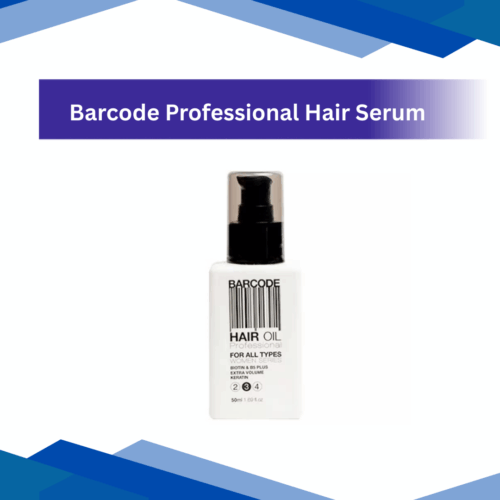
Barcode Professional Hair Serum 50 ml
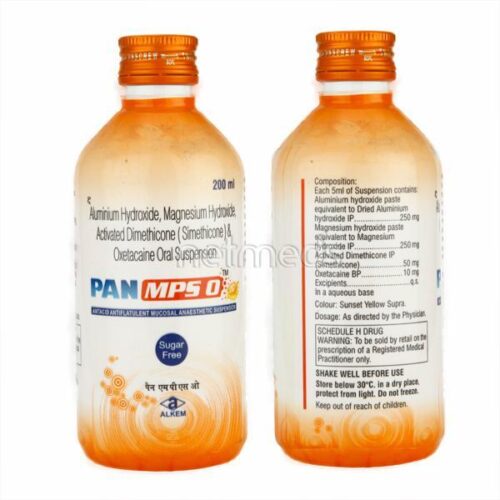
PAN MPS O Sugar Free Oral Suspension 200ml