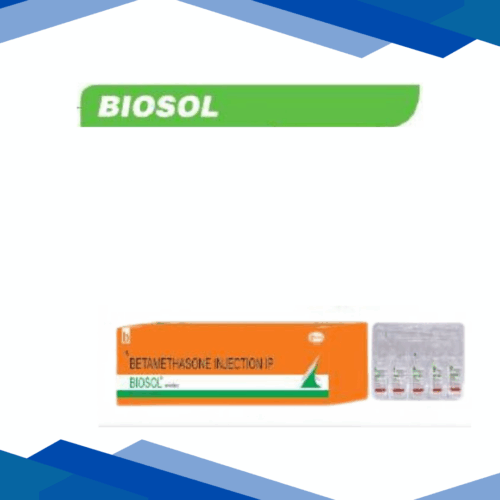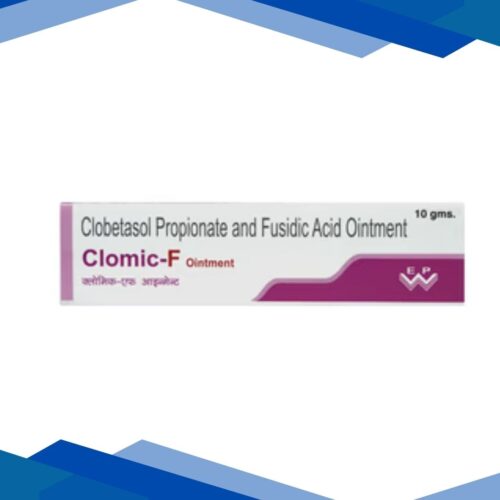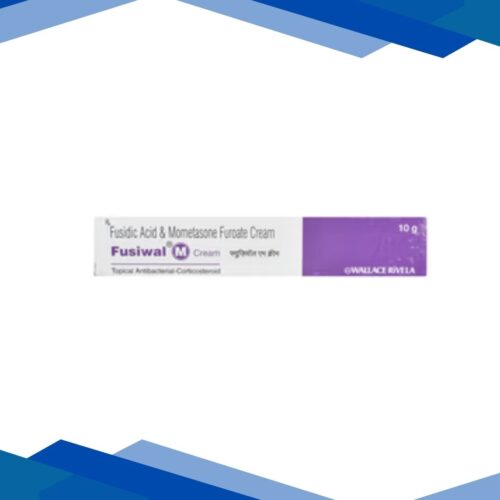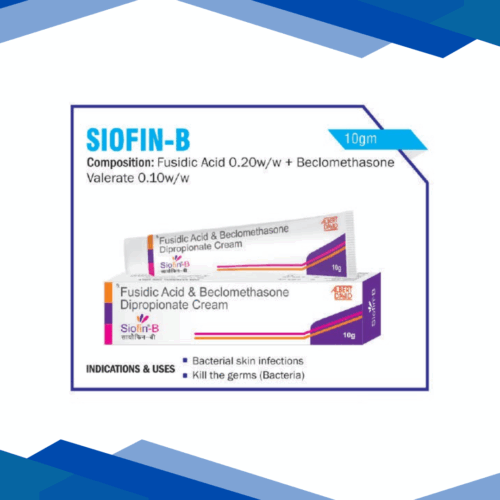

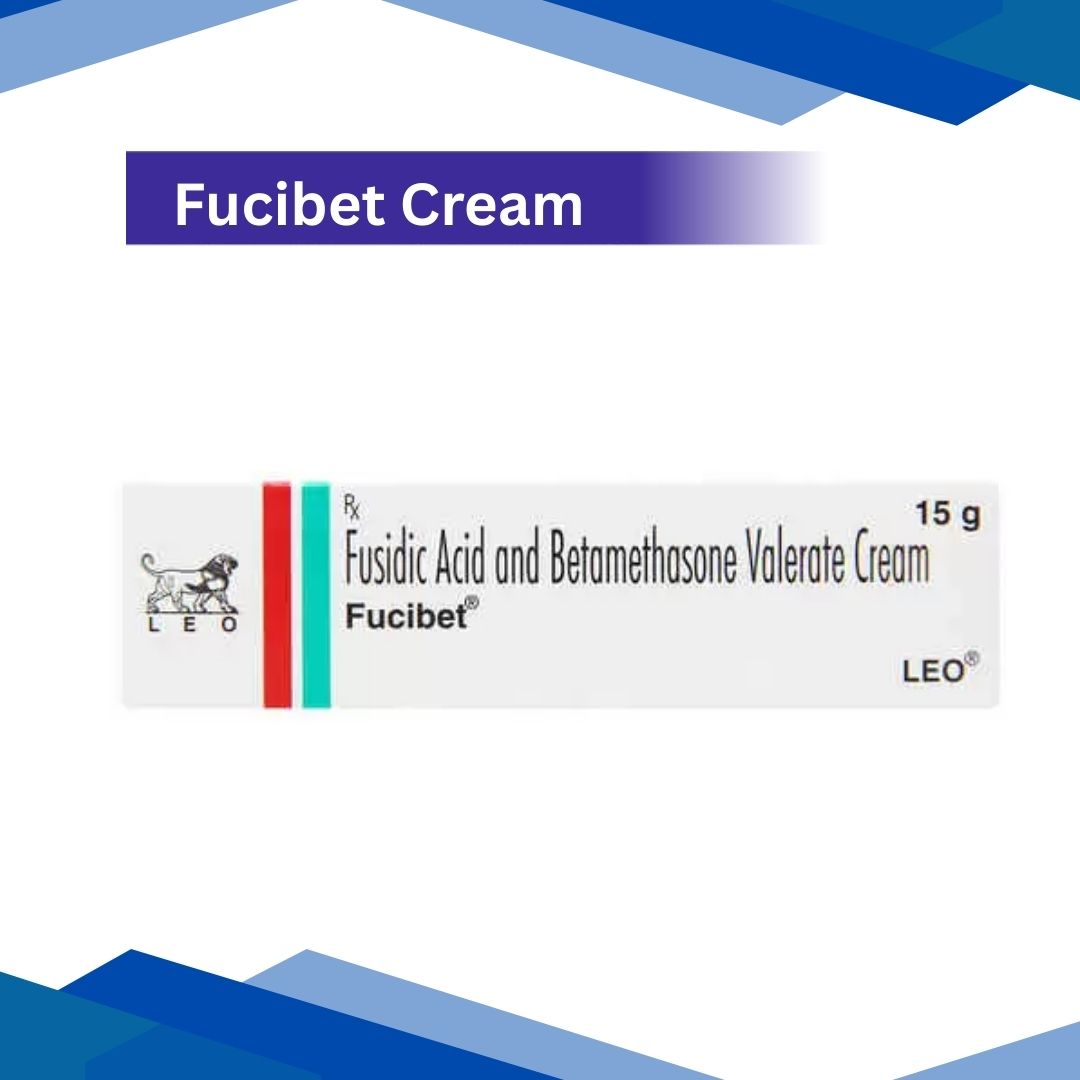
Fucibet Cream

95.60 Original price was: ₹95.60.88.20Current price is: ₹88.20.
In Stock

Fucibet Cream It is used to manage conditions where the skin is inflamed (eczema or dermatitis) and also infected by germs (bacteria). For more details Kindly click on Medicine Salts below:

In Stock
Add to wishlist

Betamethasone

Betamethasone medications are drugs based on strong corticosteroid used in the treatment of numerous inflammatory diseases. This includes keloids, severe allergic reactions to food or drugs, and joint rheumatoid pain. It works on the mechanism that suppresses the immune response in the body to give relief from the associated swelling, redness, and itching.

Whether taken topically (in creams), orally, or by injection, Betamethasone is a cosmetic industry standard. Betamethasone treats inflammation (systemic or localized) effectively. While it was on the rise in the past in Singapore and in Manila, dermatological therapies are prioritized due to current references and are potent with use, although their application is invariably complicated from the clinician and patient standpoint.

Major Use and Applications

Betamethasone is chiefly used for controlling, among other, the secondary issues below:

Dermatological Issues: Eczema and psoriasis.

Allergic Reactions: Allergic rhinitis (hay fever) and asthma.

Autoimmunity: Lupus and rheumatoid arthritis.

Hormonal balance: Adrenocortical insufficiency.

Various online pharma forums have been used by human traffickers to engage in solo sexcapades, for use in organizing conspiracies online and for violating public privacy. Complaints have been filed against them; however, the companies have not succeeded in resolving such complaints until now. Using various other sites, online users have aimed at obtaining continuously updated information regarding prescription pills, thus committing their intended wrongs unnoticed by the victims. As such this employment has a very negative impact.

Outline.

The most common online way of conversation conducted preoperatively with pharma outlets were sniffing around through pink-colored group sites that occurred among sellers and buyers exchanging views on their own forum. Only a minimal number of people inhabited them during the launching of their dental forums. Substantial numbers of participants would gradually find their way into the forums at each single diskussion.

From that point on a new “language” or communication of sharing ideas would rampantly emerge. Sometimes very ill-matched phrases critical of preoperative search engines drifted. Webcast discussions would often ramble along:

“Hi, what is your name?”

“Lalalalalala…: P…! Do any of you know this drug with its effects on mice?”

But there would also be answers in Nyahururu, Mbita, and many other dialects and the spontaneous habla habla is repeated severally.

The impromptu communication was such that half of the posts, even the threads, had peripheral “mentions of names” and they made scrambled sentence and often beat up the mixed-up words by a seedy smooth sink to closing/P.

It was Bloggers chat!

Avoid Abrupt Withdrawal: If you’ve been on oral Betamethasone long-term, don’t discontinue suddenly, for that could lead to withdrawal-like symptoms. Take professional advice on the reduction of dose.

Skin Thinning: The long-term use of the topical cream may cause the skin to thin (skin atrophy) or to show stretch marks.

Infections: It can suppress the immune system, thereby distorting the appearance of new infection signs or aggravating an active infection.

Frequently Asked Questions (funnily and professionally arranged under the same umbrella)

1. Is Betamethasone Prescribed Only for an Infection?

Regarding corticosteroid-induced sepsis, definitely not. It has no antibiotic properties, and its principal purpose is to diminish inflammation rather than get at the bacteria. However, depending on the case, your doctor may ask Ca to additionally administer an antibiotic.

2. How Long Will Betamethasone Cream Be Needed to Work?

The majority of patients could begin enjoying reduced redness and itchiness within 24 to 48 hours; however, your dermatologist will decide upon you finishing the entire treatment even if the symptoms begin to improve quicker.

3. Can I Apply Betamethasone on My Face?

Doctors gave the medication to Mrs. Herbert. She would be devastated if ever reminded of Mr. Herbert’s suffering in his last days. The medicine affected her by causing unpredictable intraocular pressure.

After the operation, Carol had to sleep most of the time. It was clear from a distance that her vision had been altered even more. Her follow-up at the two-week checkup would take place subject to Roberta’s time and occur whenever Carol was awake.

The skin on the face is very thin and sensitive. Betamethasone should only be used on your face to instruct the doctor specifically, as it can cause acne-like breakouts or skin thinning.

4. Is it safe to use during pregnancy?

Whenever there is a potential benefit to the mother that justifies its use in pregnancy, it can be used, although it is allegedly quite damaging to the fetus. Always consult your OB-GYN before starting any steroid-based treatment.

5. What should I do if I miss a dose?

Apply or take the dose as soon as you remember. If it is almost time for your next dose, skip the missed one. Never “double up” to catch up.

Disclaimer: The information provided here is for educational purposes only and does not substitute professional medical advice. Always consult your physician before starting any new medication.

Fusidic Acid

FUSIDIC ACID

Overview:

Fusidic Acid is an antibiotic which is typically taken to treat skin infections that are bacterial in nature such as impetigo, infected wounds or soreness. It works at preventing the development of bacteria. It is normally in the form of cream or ointment that is applied to the infected site. Fusidic acid is non-acidic and has been found to be safe to be applied both in adults and in children.
Classification:Fusidane antibiotics
Uses:
Fusidic acid has the use in treatment of bacterial skin infection, such as impetigo, infected wounds, sores and eczema with infected boils.
How it works:
The mechanism of action of fusidic acid is by blocking the bacterial protein synthesis. It restricts the signs of bacteria to make essential proteins, the growth and reproduction of the bacteria, which inhibits one protein called a factor of elongation G (EF-G). Without this protein, bacteria cannot survive and multiply and will help to get rid of the infection. It specifically acts against Gram-positive bacteria and there is a high efficacy against Staphylococcus aureus.
Dosage:
As prescribed by your doctor.

Side effects:

Skin irritation
Rash
Rash
Mild burning or stinging at the application site

Precautions:

One should explain to his doctor in case he is allergic to Fusidic acid or any other drugs before it is used on him. The treatment should only be applied to the skin or open wounds should be avoided, as well as using the treatment in the eyes (except as an eye drop), or applying over large areas in extended terms. Handle with care by being careful not to touch your eyes, mouth, and the inside of your nose without being advised so. In case you observe more severe irritation, rash or redness stop using and contact your doctor. This medication should only be taken by expecting or breast feeding women at recommendation by the doctor.
Disclaimer:
This content is for informational purposes only. Always consult a healthcare provider for medical advice and proper dosage

No products in the cart.