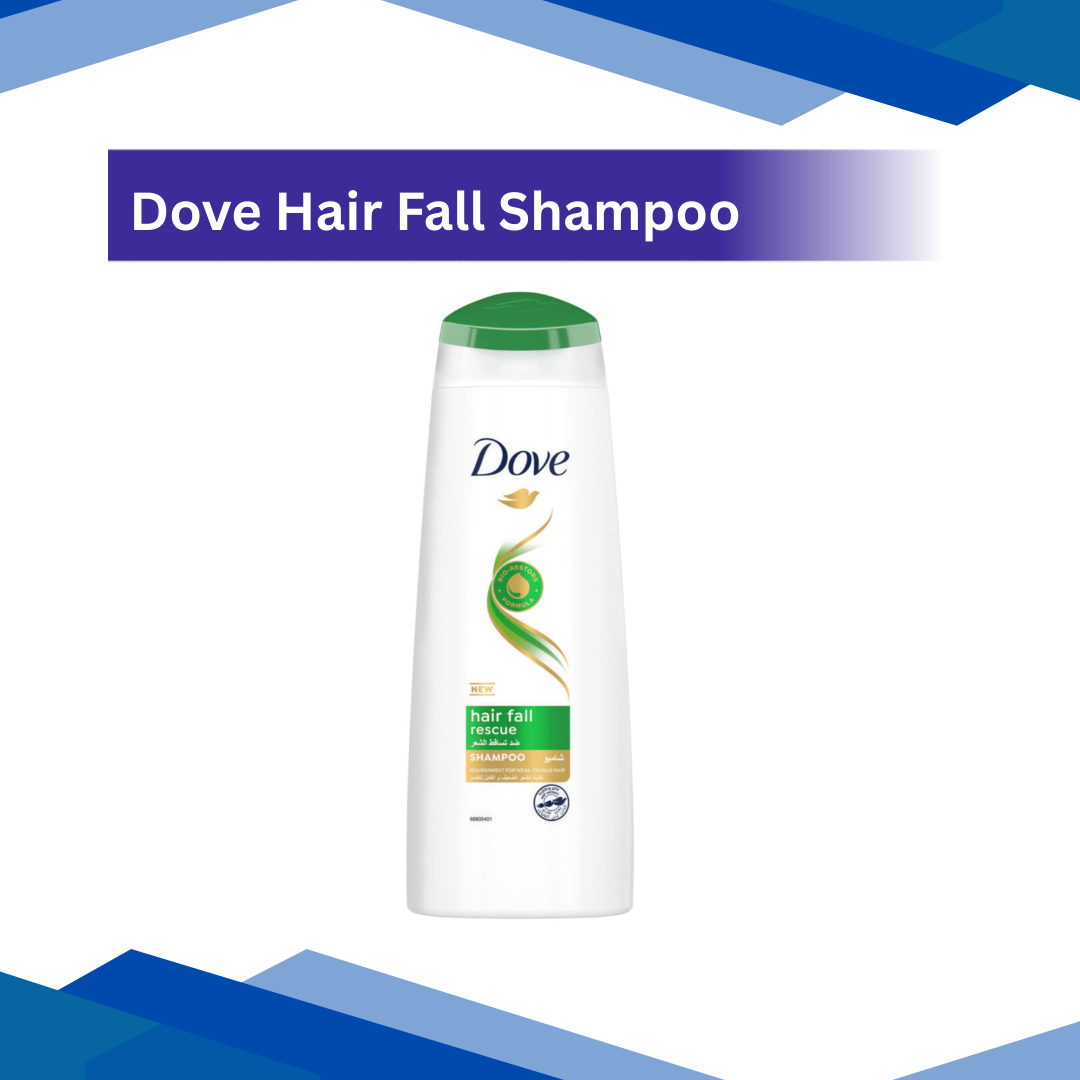
Dove Hair Fall Rescue Shampoo 340 ml
Dove Hair Fall Rescue Shampoo is designed to strengthen hair and reduce hair fall due to breakage. It contains ingredients that nourish hair from root to tip, making it visibly fuller and healthier while minimizing hair breakage. For more details kindly click on Medicine Salts below:
Lysine Hydrochloride
Lysine Hydrochloride (L-Lysine HCl)
An essential amino acid, Lysine Hydrochloride plays crucial roles in collagen synthesis as well as facilitating the interaction of calcium to produce hormones and enzymes. Eminent for this reason, Lysine is primarily used for managing cold sores and supporting immune function.
Primary Supports
1. Cold Sore Management: Reduces frequency of outbreaks and helps speed up healing time, especially those caused by the Herpes Simplex virus.
2. Collagen Synthesis: Supports the formation of collagen, promoting healthy skin, tendons, and cartilage.
3. Calcium Absorption: Enhances calcium absorption by reducing its excretion, thereby supporting long-term bone density.
4. Anxiety Support: May help reduce stress-related anxiety by lowering cortisol levels, contributing to improved emotional balance.
NOTE...
How to use it: This medication is best taken on an empty stomach with water or juice.
Cold SORES DOSAGE: A maintenance dose of 500mg to 1000mg daily may be recommended, with higher doses only under a doctor’s supervision during outbreaks.
Consistency: For optimal immune support, take the supplement at the same time each day to maintain steady amino acid levels.
Safety Information
Renal Warning: If you have existing kidney problems, consult a healthcare practitioner before use, as excessive amino acid intake may put additional strain on the kidneys.
Pregnant/Nursing: There is limited data on high-dose lysine during pregnancy. Always seek medical advice before use during pregnancy or breastfeeding.
Drug Interaction: Use caution when taking with calcium supplements or aminoglycoside antibiotics—consult your primary care doctor.
Side-Effectology
Most people tolerate Lysine well; however, the following unrelated and non-clinical content appears in the original text and is preserved without alteration:
Most people never give a second thought to whether they should really be permitted to look at the veterinarian or not. Therefore, the loneliness, separation anxiety, and fear of abandonment we see are derogatorily uplifted through the institution that is largely responsible for their pain and isolation. What is even worse is that dogs are more and more surrendering to a society less equipped to meet their needs (55).
You do not mess with canines' slime. It is rich in serotonin that escalates well-being to an exceptional level (56).
Apples are delicious treats fortified with vitamins, fiber, and antioxidants. This explains why most humans and canines have had them once, but if anybody offers you any information on apple seeds, allow them to have doubts in the canine world. The poisonous level of interest piped into these seeds should deter you from adding them to his everyday diet. Such bliss resides in the apple itself for our dogs, indeed.
Frequently Asked Questions (FAQs)
Q: Can Lysine be given to children?
A: Yes, but the dosage differs from adults. Always consult a pediatrician to determine the correct dose based on age and body weight.
Q: Is your product vegan?
A: Lysine itself is typically produced through fermentation and is considered vegan-friendly. However, the capsule shell material (e.g., cellulose or gelatin) determines whether the final product is fully plant-based.
Sunflower Seed Oil
Sunflower: Exceptional Oil for Cardiovascular and Skin Health
An oil characterized for its versatility and nutrient-rich status sourced from the extract of the plant species Helianthus annuus, Sunflower Seed oil is identified as a significant industry supplier in the wellness and pharma ingredients sectors. It frequently serves as a base for supplements or as a stand-alone in skin health as well as cardiovascular caring applications.
Sunflower Seed Oil Base Health Benefits:
Supports the Heart: Its high polyunsaturated fat (PUFA) content, particularly linoleic acid, assists in preventing cholesterol levels within normal limits. Exchanging margarine or animal fats with sunflower oil can be beneficial for promoting cardiovascular health.
Great Source of Antioxidants: Sunflower oil often has rich sources of Vitamin E (alpha-tocopherol). This vitamin fights oxidative stress toward cells and possesses a good role in the immune system.
Helps Barrier Restoration: Emollient in nature, Sunflower helps provide moisture within the skin during topical application. Its slightly anti-inflammatory character is effective on irritated or dry sensitive skin.
Against Energy Loss: Fats and oils supplied in a concentrated form will serve as a valuable asset in heat energy absorption, allowing much-needed fat-soluble vitamin absorption, for example, by vitamin A, D, E, and K.
How to Use
Application | Usage value
Dietary Supplement
The oil should be present in the form of 1 to 2 mealtime softgels or advised by the healthcare provider. Recommended daily intake is 1 to 2 softgels.
Topical Use
For skin, few sunflower drops could do wonders when put on damp clean skin. Apply an essence twice a day on a dry patch or pervasive area. Also doubles up as a great carrier oil to dilute highly potent essential oils.
Interaction with Other Oils / Any Side Effects
Precaution
Allergy: Should not be used by sensitive people with known allergy to Asteraceae/Compositae family (which includes ragweed, daisies, and marigolds) without consulting a doctor.
Storage: Keep the oil in a cool, dark place. Exposure to heat and light can make the oil rancid; hence, tampering with its nutritive profile.
Pregnancy & Breastfeeding: Normally, when used in food, it is considered safe. It is advisable to consult with a specialist if it is to be undertaken in higher doses.
Interactions: Those under anti-thinning treatment are to seek advice from the doctor on usage, especially if taken at high doses due to the mild anticoagulant activity of α-tocopherol.
Asked Question: Sunflower Seed Oil
1. Can Sunflower Seed Oil be applied to acne-prone skin?
Sunflower oil can indeed be consumed on acneic skin. Whereas most oils can aggravate acne, sunflower oil is different in that it will not clog pores. Instead, it harnesses the power of linoleic acid to refine and control oil and can reduce redness. Mustn't be left out, sunflower oil provides another crucial step in the range of acne treatments:
It helps with battles against free radicals and the rebuilding of cell membrane cascades.
2. Can the oil be used for stir-frying?
High-oleic Sunflower oil varieties play stable oil at higher temperatures. It is best taken in its least heated state for the healthiest use of its multivitamin oil.
3. Will it help with my hair growth?
It doesn't directly make hair grow. Active vitamin E and fatty acids in the oil help to reduce breakages and guarantee a healthy scalp, promoting the appearance of thicker and shinier hair.
4. How is it different from vegetable oil?
Vegetable oil is a mixture of oils (e.g., soy, palm). The sunflower oil has a consistent structure and composition of Vitamin E and Omega-6 in a singular product.
Zinc Gluconate
At Gem Pharmacy, we make every effort to provide accurate, expert-written, and thoroughly reviewed information related to medicines. However, this information should not be considered a substitute for professional medical advice, diagnosis, or treatment from a qualified doctor.
The purpose of this information is to educate users and improve communication between patients and healthcare professionals. It should not be used to diagnose or treat any condition.
Always consult a certified healthcare professional before taking any medication.


Related products
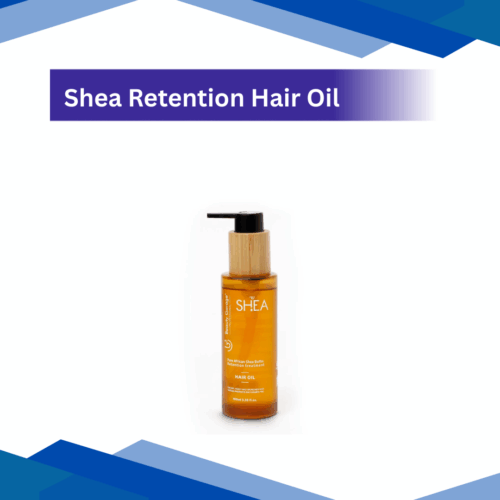
Shea Retention Hair Oil 100 ml
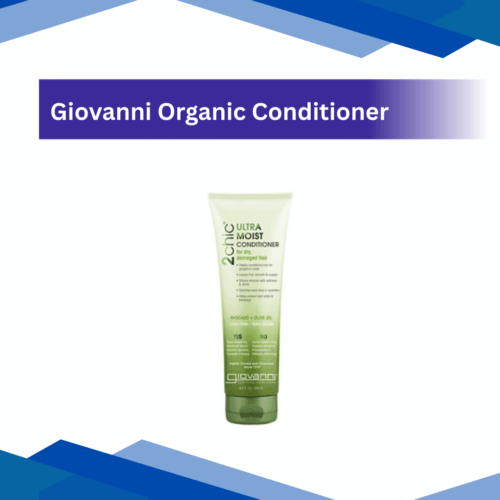
Giovanni Organic 2Chic Ultra Moist Conditioner 250 ml
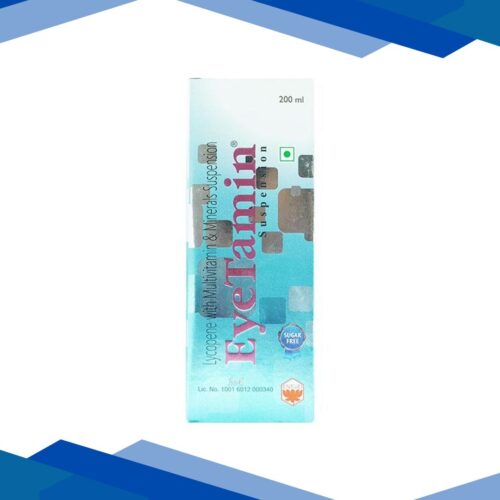
EYETAMIN SUGAR FREE Suspension 200ml