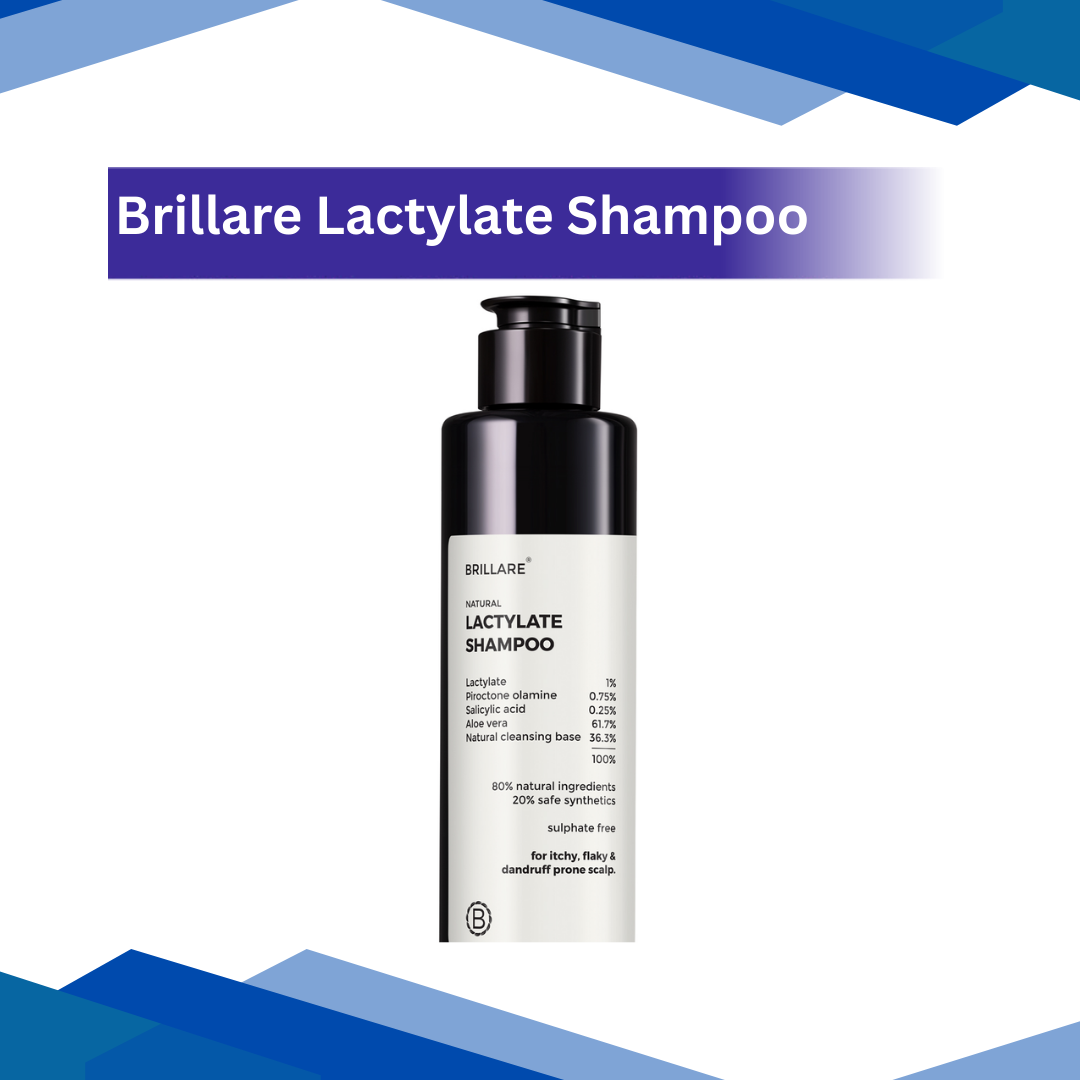
Brillare Lactylate Shampoo 200 ml
Brillare Lactylate Shampoo is a gentle anti‑dandruff formulation that helps exfoliate the scalp, reduce flakes, soothe itchiness and maintain scalp moisture. For more details kindly click on Medicine Salts below :
Aloe Vera
One such potent botanical extract has been known since ancient times as Aloe Vera, commonly referred to as "plant of immortality!" In dermatology and gastroenterology, Aloe Vera has a strong presence. Aloe Vera contains more than 75 bio-active compounds, including vitamins, enzymes, minerals, and amino acids, all acting as natural anti-inflammatories and antiseptics. It is used as a skin healer in pharmaceutical grades in topical gels, and as an oral ingestion or juice to support digestive health, and glycaemia control.
Summary of Medical Benefits and Uses
Dermatological use: Acceleration of the healing of first and second-degree burns and sunburn by stimulation of collagen synthesis
Herpes healing properties: Acts as a mild and natural relief for the stomach lining to bring relief from their respective complaints of acid reflux and irritable bowel syndrome.
A further beneficial indication, as borne out in some clinical trials, is that the intake of Aloe Vera juice may reduce fasting blood glucose levels among Type 2 Diabetes patients.
Controlled and subsequent oxidative injuries by improving the strength of antioxidants within the body, thereby conferring viable protection against dangerous pathogens.
Natural biocide effects which fight against the limited growth of any bacteria, Franken-drug, bacteriacidal, bad for the skin or gums, along with acute infections
Assists with breaking down bad digestive enzymes.
Appearance and Composition
100% Aloe Barbadensis Leaf Juice
Emollient / Digestive Tonic
Grade Standards
Paraben Free, Sulphate Free,No Added Artificial Colorants.
Dominant Ingredients
Acemannan (Complex Carbohydrates) 30%, Vitamin E 0.35%, Zinc 0.14%
Usage Information
For Skin/Hair: Apply the preferred amount to the affected area. For a cool effect, keep in the refrigerator for about 15 minutes before use.
For Digestive Health: If using orally, mix 20–30 mL twice with an equal amount of water to be consumed one take empty stomach.
Concern: Best results are seen from application or consumption when done continuously for 7-10 days.
Cautions/Attention
Patch Testing-Most importunately Always carry out a small patch test on the inner wrist to make sure no reactions occur from rare plantallergies with this botanical.
Pregnancy & Nursing-It is typically not suggested to take orally Aloe Vera latex or supplements during pregnancy, as it may cause uterine contractions and stomach cramps.
Surgical Note-When a patient has plans for surgery, it is advised that oral intake be stopped at least 2 weeks before the set date, as it may interfere with the blood sugar marker upon procedure.
Laxative Effect: High intake can cause diarrhea or abdominal cramps because of the presence of aloin.
Frequently Asked Questions (FAQs)
Q: Should Aloe Vera gel be put on open wounds?
Although suitable for minor burns and scrapes, avoid applying Aloe Vera to deep, infected or surgical wounds without the advice of a surgeon since it might prevent the natural closing of deeper tissue.
Q: Are the "Gel" and "Juice" different?
Yes. Gel meant for topical use is the thick substance found inside the leaf. The juice is usually treated for a drink to assist digestion. However, never consume gel meaning only for topical use.
Q: Is Aloe Vera good acne?
Aloe Vera does have some antibacterial properties which can help reduce acne-causing bacteria and reduce the redness on skin after any outbreak. For cystic acne, use prescription medication in addition to an ointment.
Q: Why some Aloe Vera looks green, while some are clear?
Natural Aloe Vera gel is usually clear or slightly yellowish. Gels with bright green color are bound to contain artificial dyes that add no therapeutic potential. The clearest and fragrance-free version is usually the best option for medicinal use.
Q: Can it be used as a moisturizer for oily skin?
Definitely yes. Non-comedogenic in nature, it will hydrate without clogging pores or causing any greasiness, thus being a perfect remedy for oily or acne-prone skin types.
Storage Tips
Shelf Life: Your bottle of aloe Vera should be placed in a cool, dry place that's away from direct heat. Being an organic plant material, one must understand that it will gradually darken: rather often seen as the process of normal aging and oxidation. An increase in color should not be seen as the product is unacceptable.
Important Considerations: The information given is only general information. Therefore, the reader must not seek self-therapeutic advice but contact his/ her attending physician or dermatologist for the same.
Lactic Acid
Lactic Acid (Alpha Hydroxy Acid-AHA)
Lactic Acid is a potent Alpha Hydroxy Acid (AHA) that naturally occurs in the body and is widely used in therapeutic skincare. Known as a “gold standard” exfoliant, it also offers hydrating benefits. With its ability to exfoliate and condition the skin, Lactic Acid helps treat hyperpigmentation, xerosis (dry skin), and keratosis pilaris. Its larger molecular size allows it to work more superficially, making it gentler than stronger acids.
Primary Therapeutic Actions
Gentle Exfoliation: Breaks the “glue” binding dead skin cells, promoting cell turnover and revealing brighter, smoother skin.
Natural Humectant: Enhances moisture retention, preventing dryness unlike harsher exfoliating acids.
Pigmentation Correction: Helps reduce dark spots, age spots, and sun damage by accelerating skin renewal.
Antimicrobial Properties: Supports the skin’s acid mantle, helping prevent acne-causing bacteria growth.
Some Known Formulations
Dermatological: Found in creams for eczema, psoriasis, and xerotic skin.
Cosmetic: Used in chemical peels and daily serums for a “glass skin” effect.
Hygiene: Common in vaginal washes to maintain a healthy pH balance (3.5–4.5).
How to Use & Tips
(A) Concentration Matters: Avoid high concentrations in DIY use. Prefer 5%–10% formulations over stronger 30% professional peels.
(B) Sun Sensitivity: AHAs increase sun sensitivity—always use SPF 30 or higher.
(C) Patch Test: Test on a small area (behind ear or inner forearm) before full application.
(D) Application: Apply to clean, dry skin at night, followed by a moisturizer.
Safety Points
Dermatologist Pro Tip: Avoid combining high-strength AHAs (like lactic acid, glycolic acid) with retinoids or high-dose Vitamin C simultaneously—alternate usage instead.
Avoid Broken Skin: Do not apply on open wounds, sunburn, or active rashes.
Tingling Sensation: Mild tingling is normal, but discontinue if it progresses to burning or redness.
Potential Side Effects
Though considered a gentler AHA, some may experience:
Mild redness or flushing
Peeling or flaking (usually temporary and mild)
Increased sensitivity to heat or wind
Popular Questions (FAQs)
Q: Can I use lactic acid every day?
A: Yes, at low concentrations (<10%), but start with 2–3 times per week and increase gradually based on skin tolerance.
Q: Does it help with dark spots?
A: Yes, by removing dead skin cells and promoting cell turnover, it helps even skin tone and fade pigmentation.
Q: Does Lactic Acid unclog pores?
A: It doesn’t directly unclog pores but helps resurface the skin, making pores appear less congested.
Q: Can it be used on feet in winter?
A: Yes, especially in formulations combined with glycolic acid, to treat dry, rough skin.
Q: How does it help with adult acne?
A: It supports skin renewal and reduces bacterial growth, though treatments like benzoyl peroxide may also be recommended.
Note: The skin cell turnover cycle is about 28 days. Visible improvement in texture may appear within 1 week, while significant results typically occur after 4–6 weeks of consistent use.
Piroctone Olamine
Piroctone Olamine (Antidandruff & Scalp Care)
Brand/Manufacturer: [Brand-Name Goes Here: e.g., Octopirox, Scalpe Plus, or Logidruf]
Form: Shampoo / Topical Solution / Cream | Concentration: 0.5–1.0%
Product Overview
Antifungal and, more so, antimicrobial, Piroctone Olamine is much appreciated for its efficiency against dandruff and seborrheic dermatitis. Unlike traditional harsh chemicals, Piroctone Olamine is an ethanolamine salt of hydroxamic acid derivative Piroctone. It touches the very root of the irritating agent of the scalp: overgrowth of the Malassezia fungi.
Alternatively, Piroctone Olamine is only strong enough to conquer its function but gentle enough to be used in your everyday hair care needs. It lifts up the flakes and soothes the inflammation of the scalp and may also reduce hair fall associated with scalp infections.
The Many Benefits and Uses of Piroctone Olamine
- Antifungal focused action: Its inhibitory effect is specific to Malassezia furfur, being the main fungus to cause dandruff and itching on the scalp.
- Reduction of sebum production: Regularization of oiliness or sebum production from the scalp and inhibition of waxy crusting very often seen under seborrheic dermatitis.
- Soothing scalp inflammation: This uniquely complements the other effluent properties, giving relief from redness, itching, and burning sensations really affecting the scalp.
- Hair health: By maintaining such a clean scalp environment, it greatly reduces oxidative stress on the hair follicles, thereby improving hair thickness and the reduction of breakage.
Expert Advice: How to Use
- Application: Wet the hair, take some good quantity (as required) of shampoo/solution then apply to the scalp and then massage it gently with your fingertips (avoid nails).
- Wait Rule: In order for the active ingredient to efficiently penetrate, let the lather remain on the scalp for at least 3–5 minutes before rinsing out.
- Rinsing: Rinse with lukewarm water; avoid hot water because it could further inflame an already inflamed scalp.
- Frequency: 2–3 times a week if having active dandruff. After the scalp is clear, use once a week as maintenance therapy to prevent recurrence.
Safety and Precautions
- External Use Only: Do not apply to eyes, nose, or mouth. Wash thoroughly with cold water if the product contacts these according to directions given.
- Skin Sensitivity: Although generally gentler than usual Ketoconazole for very sensitive skin, redness or mild tingling on use by some sensitive users may happen.
- Storage: To be stored in cool, dry places but far away from direct sunlight. If it is a container, make sure it is tightly closed.
- Always consider a doctor's opinion before using this during pregnancy and breastfeeding.
Safety Quick Review
| Feature | Recommendation |
|---|---|
| Skin Type | Suitable for Oily and Sensitive scalps. |
| Allergy Alert | Stop medication if severe rash, hives, or swelling occurs. |
| Interaction | No major interactions are known while using topical medications with Piroctone Olamine. |
| For Age Group | Records of misuse on pediatric patients should require a pediatrician consult for ages below 12 years. |
FAQs
1. Is Piroctone Olamine better than Ketoconazole?
In experience, Piroctone Olamine is better when long-term medication is to be employed, for it proves less drying and generally safer for sensitive scalps. Ketoconazole is great as the "scraper" for bad fungal infection, while Piroctone Olamine is a perfect "stabilizer" for both dandruff and keeping the hair soft and manageable.
2. Does Piroctone Olamine help with hair growth?
In a sense, actually yes. Piroctone Olamine eradicates the fungus and diminishes scalp inflammation, leading to an improved hair follicle environment for hair growth. There are some studies indicating that it increases hair shaft diameter in addition to decreasing hair fall resulting from scalp disorder.
3. Will my hair turn dry or frizzy?
One of its unique strengths is that Piroctone Olamine is a "soft" agent. Because Zinc Pyrithione or Selenium Sulfide often have side effects leading to dry hair, Piroctone Olamine does so very less, making it suitable for people with color-treated or dry hair.
4. How soon will I see results?
After the first one or two uses, itching will reduce significantly in most people. Visibly, absence of flakes starts from 2 weeks of continued use (2–3 times per week).
5. Can I use my regular conditioner after using this shampoo?
Yes, you must. Apply a conditioner to the rest of your hair if necessary; however, do not apply a thick coat or use any heavy conditioners that may clog your pores and counteract the benefits provided by the antidandruff treatment.
Salicylic Acid
Salacyclic Acid (Locally-Solution/ Ointment)
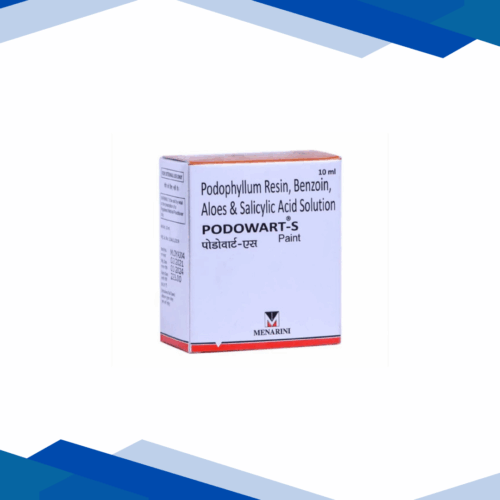
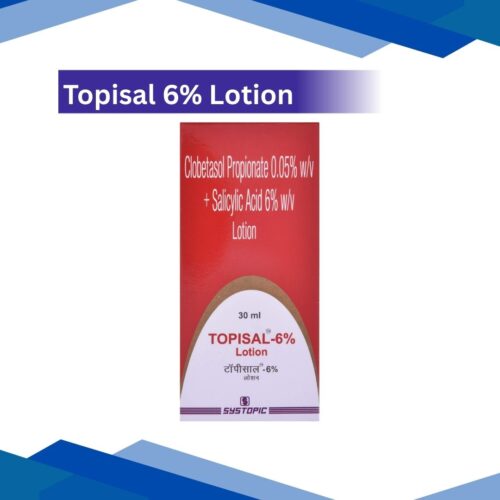
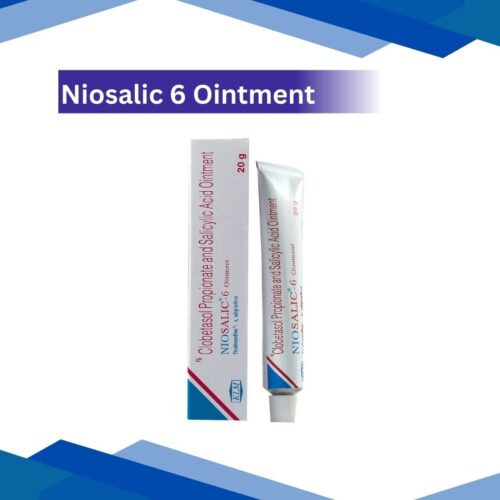
Beta-Hydroxy Acid (BHA) in widespread use, Salacyclic Acid is a potent skin remover. The acid traps moisture in the skin. It then breaks down the bond between skin cells. This shedding of dead skin cells helps clear the blackheads and congest the pores and also soften the thickened skin areas. It is also a good option for acne, psoriasis, and some wart or corn type of conditions.
Clinical Indications
Acne Control: Into pores filled with sebum, Salicylic acid can penetrate well and help remove rust about blackheads and whiteheads.
Exfoliation: Salicylic acid has a strong exfoliating action against hyperkeratotic skin problems like psoriasis and ichthyosis.
Wart and Corn Removing: A high-fatal attack of chemical peeling is the final chapter of stubborn warts, calluses, and corns.
Dandruff-on-Hold: Salicylic acid is many times used in medicated shampoos, introduced in their formulation to exfoliate scaly bits off the scalp.
Main Features of Manufacture
Lipophilic Nature: Because it can dissolve in oil, it works best in oily skin than many AHA's.
Anti-Inflammatory: Reduces the unpleasant redness and swelling of inflamed breakouts.
Dosage Forms Vary: Very often available in different strength levels (typically $0.5%$ to $2%$ for acne and up to $17%$ to $40%$ for warts).
Application Procedure
Preparation: Cleanse the affected area with a mild cleanser. Pat dry. Applying on damp skin may worsen irritation.
If the drugs' proponents prevail, only the spot and no more shall have it in the affected acne areas and only on the lesion in the warts sites to save unaffected skin.
Caution: Application should start at once a day or on alternate days until your skin adjusts. You can increase gradually as needed per the advice by your dermatologist.
Sun Protection: Sun sensitivity could amplify with salicylic acid. Be sure to put it on every night.ialis wide-spectrum dressing of SPF 30 or higher through the day.
Safety & Side Effects
Though highly efficacious, some users may encounter:
Mild burning or stinging upon application.
Skin peeling or localized redness.
Excessive dryness (mitigated by applying a non-comedogenic moisturizer).
Warning: Head right to the hospital should you ever feel unusually dizzy, that is accompanied by hearing a ringing in the ears (tinnitus) or very rapid breathing. Such signs might insinuate or herald the onset of salicylate poisoning.
Precaution
Aspirin Allergy: If one is allergic to aspirin (salicylates), one must abstain from using this product.
Children and Teens: Never apply it on more extensive areas over small children, and in infected conditions like viral infections (such as chickenpox). Risk of Reye's syndrome has been postulated.
Sensitive Areas: Keep so as not to find its way to eyes, nostrils, mouth, and broken or infected skin.
Frequently Asked Questions (FAQs)
Q: Can I use Salicylic Acid and Retinol together?
Using both simultaneously can lead to extreme irritation and a compromised skin barrier. It is best to use them at different times—for example, Salicylic Acid in the morning, Retinol at night—the one after the other, or on alternate days.
Q: How long does it take to see results for acne?
You may notice a reduction in oiliness within a few days, but significant clearance of blackheads and acne usually takes 4 to 6 weeks of consistent application.
Q: Is Salicylic Acid safe for all skin types?
For oily skin and acne bouts it's heaven-sent. However, it can be used cautiously in more worsened dry and highly sensitive skins or with a lower concentration ($0.5%$) to prevent over-drying.
Q: Does Salicylic Acid remove dark spots?
Using Salicylic Acid may speed up cell turnover to hasten the fading of post-inflammatory hyperpigmentation (acne marks) in due course. Often Vitamin C and Niacinamide are combined in the product for a better brightening effect.
Q: What should I do if my skin starts peeling excessively?
It indicates a problem when the skin starts to peel too much. Now, take it slow by using this every other day or so, and concentrate on hydrating your skin with moisturizers rich in hyaluronic acid or ceramides. If irritation lingers, see a doctor.
Storage
Keep it in a cool, dry place away from direct heat and light resources; always keep the cap tight whenever not using it.
Important: It is important to mention that all this content is provided for information only. It is not a source for medical advice. Always consult a professional dermatologist before you begin a chemical exfoliation routine.
At Gem Pharmacy, we make every effort to provide accurate, expert-written, and thoroughly reviewed information related to medicines. However, this information should not be considered a substitute for professional medical advice, diagnosis, or treatment from a qualified doctor.
The purpose of this information is to educate users and improve communication between patients and healthcare professionals. It should not be used to diagnose or treat any condition.
Always consult a certified healthcare professional before taking any medication.


Related products