
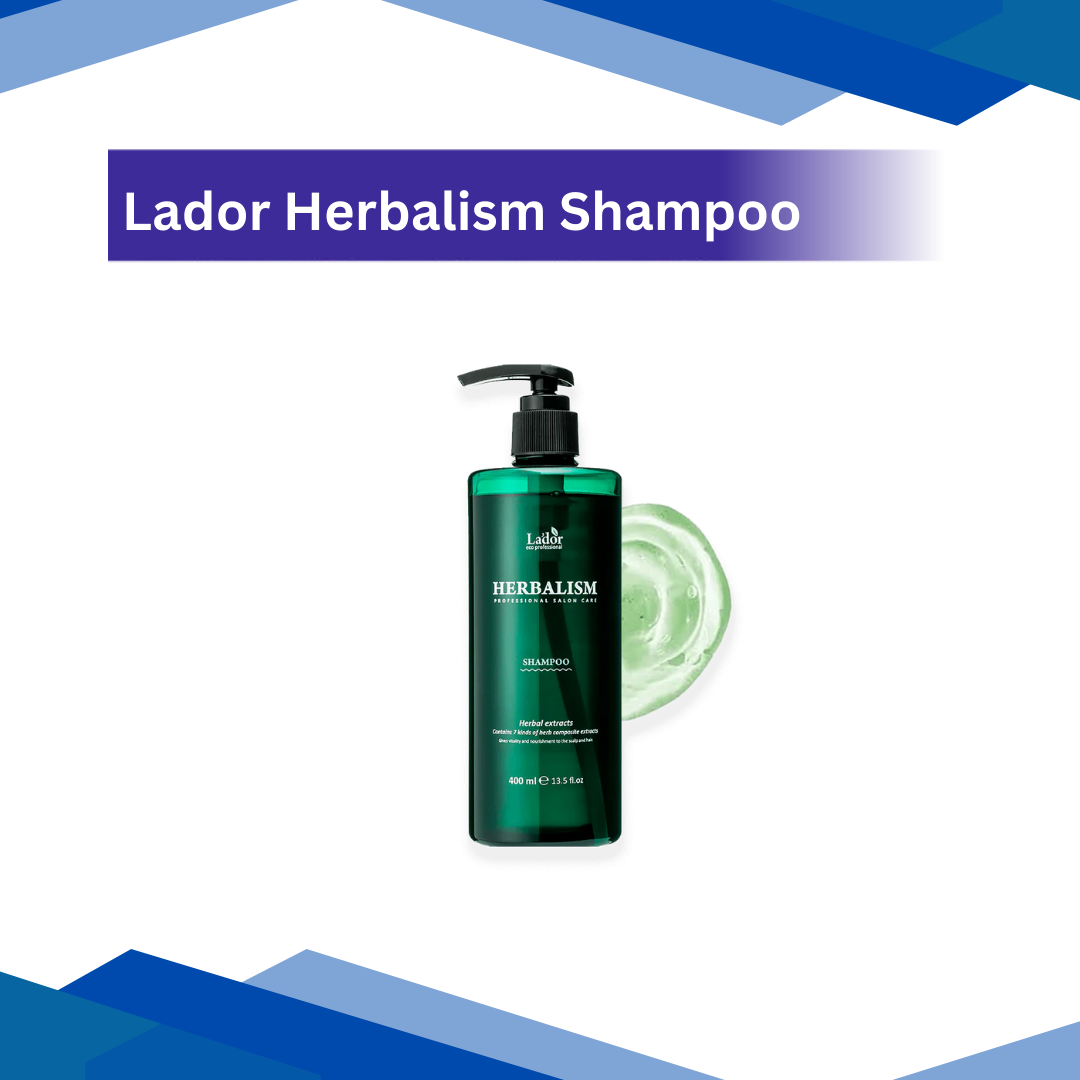
Lador Herbalism Shampoo 400 ml
Lador Herbalism Shampoo 400 ml is a clarifying, anti‑hair‑thinning shampoo that combines herbal extracts and amino acids to strengthen weak strands, soothe the scalp, and reduce hair fall. For more details kindly click on Medicine Salts below :
Niacinamide
Niacinamide belongs to the water-soluble vitamin B3 complex that the body cannot store by itself an essential cofactor for cellular energy production, either as an oral supplement or through clinical skincare mechanisms. The primary function of the compound is to offer a precursor to coenzymes involved in DNA repair and overall structural anchoring of the skin (NAD+ / NADP).
Clinical Research on Key Therapeutic Effects
A. Restoring the Skin Barrier: Since ceramides capture and retain moisture in the skin maintaining a protective shield against environmental pollution.
B. The Management of Acne and Enlarged Pores: Overproduction of sebum (oil) gives rise to pimples and enlarged skin pores. Niacinamide prevents the formation of these unsightly eruptions.
C. Fixing the Hyperpigmentation: Niacinamide blocks melanin transfer into their skin cell, and together it improves the look of dark spots to the point of reaching an even skin tone.
D. Righting the Shape of Action: It is anti-oxidant, but it also reduces inflamed skin conditions like rosacea and inflamed acne.
E. Supporting The Body: Internally taken, niacinamide can beneficially help maintain healthy cholesterol and assist in metabolism of carbohydrates and proteins.
How It Works
Niacinamide is a "cell-communicating" ingredient: on contact, it communicates the directive for your skin cells to behave in a healthier way. Normally, it supports the pooling of nicotinamide adenine dinucleotide (NAD⁺) via which energy is delivered, supporting cellular repair and turnover. This vitamin, unlike its sister Niacin (nicotinic acid), does not cause much "flushing" when taken at high doses, which also results in redness for high-dose Niacin supplements.
Instruction For Usage
A. Topically (Serums/Creams) – Apply whenever needed a few drops to the skin on the face and neck on their own ideally before any richer moisturizers. It is a stable agent that can be effectively used in the morning as well as evening routines.
B. Orally (Tablets/Capsules): Take supplements while ingesting meals to maximize the absorption of niacinamide and avoid potential stomach upset.
C. Sun Protection: However, niacinamide has its antioxidant effects, ensure a broad-spectrum sunscreen is kept up during the day.
Precautions And Side Effects
Evening cleansing consciousness reality regarding most skin types including very irritable skin. Always consider the following:
Concentration Matters: While 5% is the clinical gold standard, some high-strength 10% or 20% serums may cause mild irritation or "purging" in very sensitive individuals.
Patch Test: Always, it is necessary to perform a patch test on the forearm before using on the face.
Vitamin C Interaction: Although modern formulations allow you to use both together, for those with severely irritable skin, consider using Vitamin C in the morning and niacinamide in the evening to avoid skin interferences.
FAQs
Q: Can I use Niacinamide daily?
A: Yes, Niacinamide is safe for everyday use. Consistency is always key, with visible improvement in skin texture and oil control appearing from weeks 4 to 8 after commencement of regular application.
Q: Can Niacinamide cure acne better than Salicylic acid?
A: They perform different roles. While salicylic acid (a BHA) exfoliates inside the pores to dislodge blockages, Niacinamide decreases the inflammation and oil production causing those blockages in the first place. They are often prescribed together for an all-around acne treatment.
Q: Will it make my skin peel?
A: No. Niacinamide does not act as an exfoliant, unlike retinoids. Instead, it is a strengthening agent that enhances the hydration level of the skin.
Q: Can I use Niacinamide during pregnancy?
Topical application of niacinamide is said to be safe enough during pregnancy and lactation. But if you are considering taking niacinamide supplements orally, you should always seek professional advice from your obstetrician-gynecologist so that it matches the rest of your prenatal vitamin regime.
Q: Does Niacinamide help with wrinkles?
Niacinamide can help reduce the appearance of fine lines by boosting collagen production and enhancing skin elasticity over time, often seen in tandem with peptides or retinol for more intense anti-aging effects.
Panthenol
Plant‑Herbal Extracts
Salicylic Acid
Salacyclic Acid (Locally-Solution/ Ointment)
Beta-Hydroxy Acid (BHA) in widespread use, Salacyclic Acid is a potent skin remover. The acid traps moisture in the skin. It then breaks down the bond between skin cells. This shedding of dead skin cells helps clear the blackheads and congest the pores and also soften the thickened skin areas. It is also a good option for acne, psoriasis, and some wart or corn type of conditions.
Clinical Indications
Acne Control: Into pores filled with sebum, Salicylic acid can penetrate well and help remove rust about blackheads and whiteheads.
Exfoliation: Salicylic acid has a strong exfoliating action against hyperkeratotic skin problems like psoriasis and ichthyosis.
Wart and Corn Removing: A high-fatal attack of chemical peeling is the final chapter of stubborn warts, calluses, and corns.
Dandruff-on-Hold: Salicylic acid is many times used in medicated shampoos, introduced in their formulation to exfoliate scaly bits off the scalp.
Main Features of Manufacture
Lipophilic Nature: Because it can dissolve in oil, it works best in oily skin than many AHA's.
Anti-Inflammatory: Reduces the unpleasant redness and swelling of inflamed breakouts.
Dosage Forms Vary: Very often available in different strength levels (typically $0.5%$ to $2%$ for acne and up to $17%$ to $40%$ for warts).
Application Procedure
Preparation: Cleanse the affected area with a mild cleanser. Pat dry. Applying on damp skin may worsen irritation.
If the drugs' proponents prevail, only the spot and no more shall have it in the affected acne areas and only on the lesion in the warts sites to save unaffected skin.
Caution: Application should start at once a day or on alternate days until your skin adjusts. You can increase gradually as needed per the advice by your dermatologist.
Sun Protection: Sun sensitivity could amplify with salicylic acid. Be sure to put it on every night.ialis wide-spectrum dressing of SPF 30 or higher through the day.
Safety & Side Effects
Though highly efficacious, some users may encounter:
Mild burning or stinging upon application.
Skin peeling or localized redness.
Excessive dryness (mitigated by applying a non-comedogenic moisturizer).
Warning: Head right to the hospital should you ever feel unusually dizzy, that is accompanied by hearing a ringing in the ears (tinnitus) or very rapid breathing. Such signs might insinuate or herald the onset of salicylate poisoning.
Precaution
Aspirin Allergy: If one is allergic to aspirin (salicylates), one must abstain from using this product.
Children and Teens: Never apply it on more extensive areas over small children, and in infected conditions like viral infections (such as chickenpox). Risk of Reye's syndrome has been postulated.
Sensitive Areas: Keep so as not to find its way to eyes, nostrils, mouth, and broken or infected skin.
Frequently Asked Questions (FAQs)
Q: Can I use Salicylic Acid and Retinol together?
Using both simultaneously can lead to extreme irritation and a compromised skin barrier. It is best to use them at different times—for example, Salicylic Acid in the morning, Retinol at night—the one after the other, or on alternate days.
Q: How long does it take to see results for acne?
You may notice a reduction in oiliness within a few days, but significant clearance of blackheads and acne usually takes 4 to 6 weeks of consistent application.
Q: Is Salicylic Acid safe for all skin types?
For oily skin and acne bouts it's heaven-sent. However, it can be used cautiously in more worsened dry and highly sensitive skins or with a lower concentration ($0.5%$) to prevent over-drying.
Q: Does Salicylic Acid remove dark spots?
Using Salicylic Acid may speed up cell turnover to hasten the fading of post-inflammatory hyperpigmentation (acne marks) in due course. Often Vitamin C and Niacinamide are combined in the product for a better brightening effect.
Q: What should I do if my skin starts peeling excessively?
It indicates a problem when the skin starts to peel too much. Now, take it slow by using this every other day or so, and concentrate on hydrating your skin with moisturizers rich in hyaluronic acid or ceramides. If irritation lingers, see a doctor.
Storage
Keep it in a cool, dry place away from direct heat and light resources; always keep the cap tight whenever not using it.
Important: It is important to mention that all this content is provided for information only. It is not a source for medical advice. Always consult a professional dermatologist before you begin a chemical exfoliation routine.
At Gem Pharmacy, we make every effort to provide accurate, expert-written, and thoroughly reviewed information related to medicines. However, this information should not be considered a substitute for professional medical advice, diagnosis, or treatment from a qualified doctor.
The purpose of this information is to educate users and improve communication between patients and healthcare professionals. It should not be used to diagnose or treat any condition.
Always consult a certified healthcare professional before taking any medication.


Related products
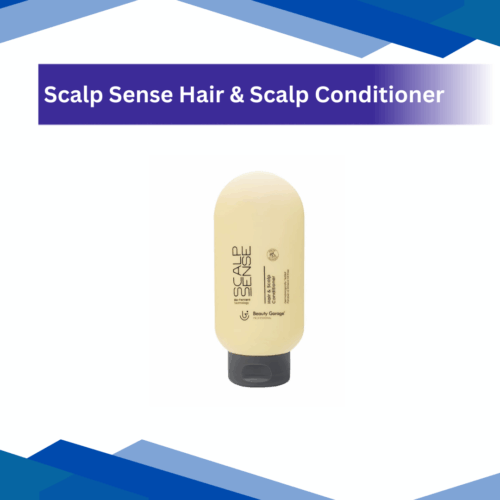
Scalp Sense Hair & Scalp Conditioner 200 ml