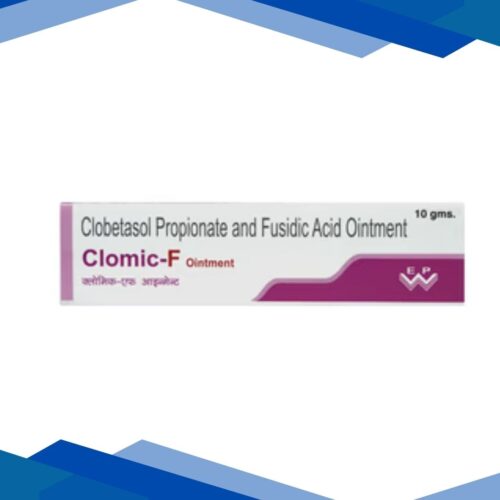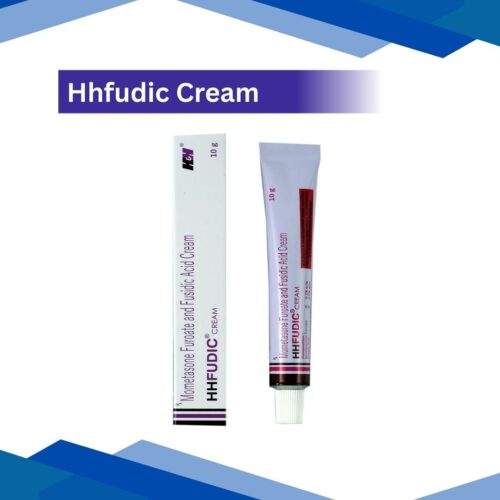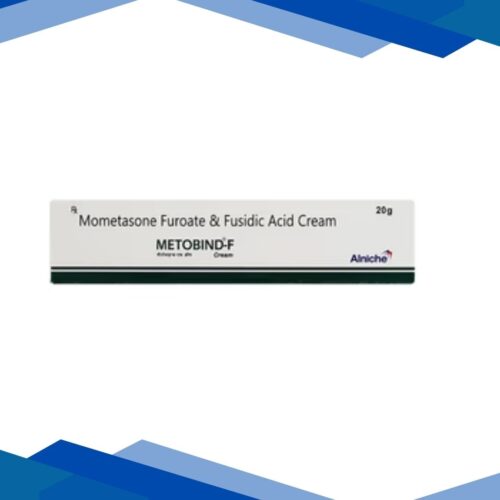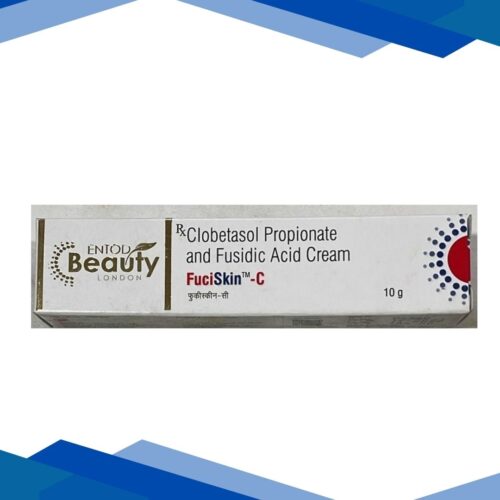
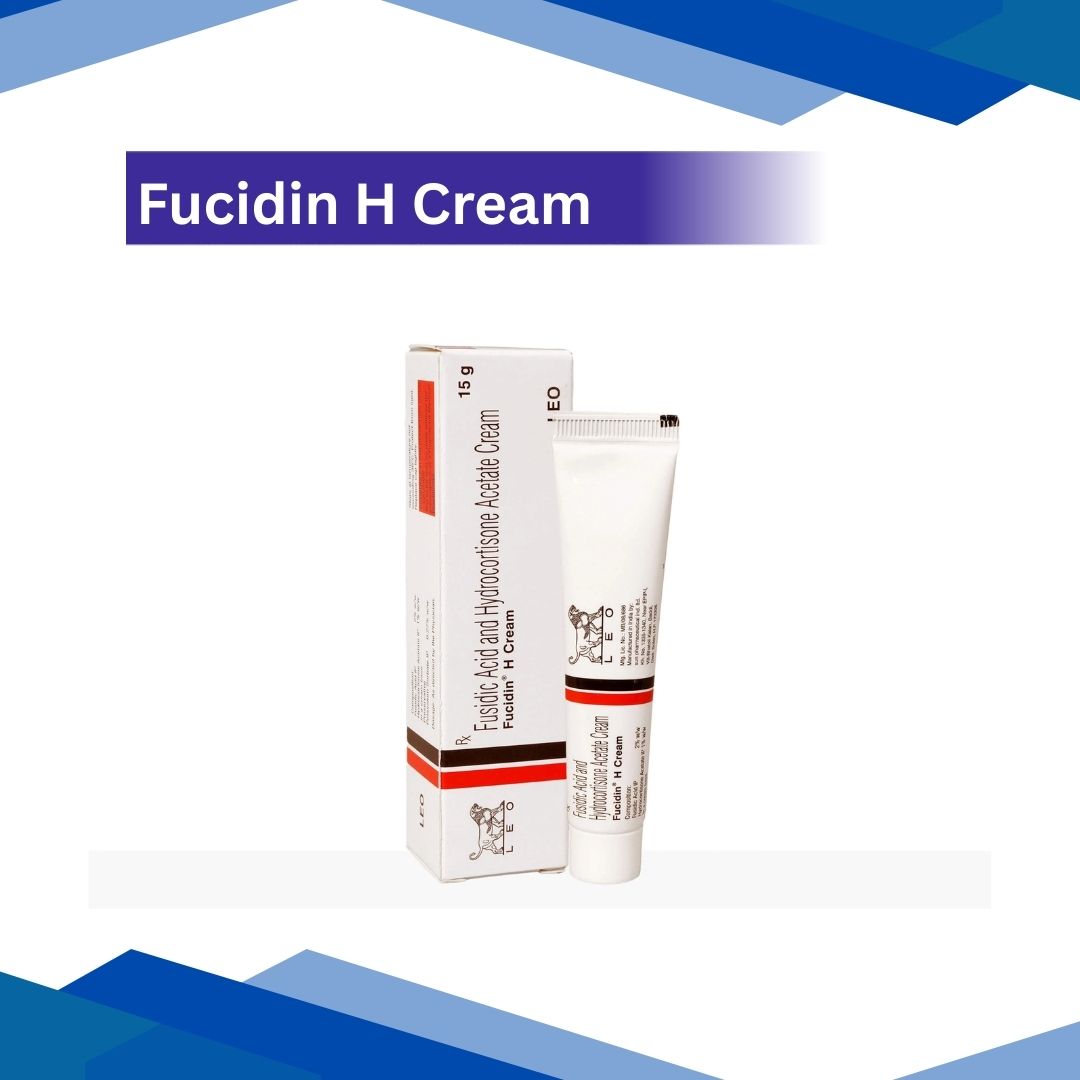
Fucidin H Cream
No Prescription yet? Don’t worry! Click Here to Get Online Consultation
Fucidin H Cream is used to manage conditions where the skin is inflamed (eczema or dermatitis) and infected or to manage infection by bacteria. For more details Kindly click on Medicine Salts below:
Fusidic Acid
Fusidic Acid 2% w/w Cream/Ointment
Fusidic Acid is an effective topical bactericidal antibiotic used to treat a variety of bacterial skin infections. It is particularly active against Staphylococcus species, including resistant strains. It works by inhibiting bacterial protein synthesis, thereby stopping the spread of infection and promoting skin healing.
Therapeutic Uses
Impetigo: Treats honey-crusted skin lesions
Infected Dermatitis: Manages secondary infections in eczema or psoriasis
Folliculitis: Reduces infection and inflammation of hair follicles
Infected Wounds: Helps treat minor cuts, scrapes, and stitches
Erythrasma: Effective for bacterial infections in skin folds
Key Benefits
Targeted Action: Works mainly against Gram-positive bacteria
Deep Penetration: Reaches infection beneath the skin surface
Low Irritation: Generally well-tolerated, even in sensitive areas
How to Apply
Hand Hygiene: Wash hands before and after application
Clean Area: Gently cleanse with mild soap
Application: Apply a thin layer to the affected area
Frequency: Usually 3–4 times daily or as directed
Duration: Continue for 7–14 days or as prescribed
Possible Adverse Reactions
Mild burning or stinging sensation
Redness or itching (contact dermatitis)
Rare: Skin rash, hives, or severe allergic reaction
Precautions and Warnings
Avoid Eyes: Rinse immediately if accidental contact occurs
Antibiotic Resistance: Avoid misuse for non-bacterial infections
Pregnancy/Breastfeeding: Use under medical advice, especially near breast area
Hygiene: Do not share medication to prevent cross-contamination
Frequently Asked Questions (FAQs)
Q: Is it a steroid cream?
No, it is a pure antibiotic (some combinations may include steroids)
Q: Can it be used for acne?
Not first-line; better for infected lesions or boils
Q: How long does it take to work?
Improvement usually seen in 48–72 hours
Q: Can I cover the area?
Yes, covering may help better absorption
Q: Difference between cream and ointment?
Cream suits moist infections, ointment suits dry or crusty areas
Hydrocortisone
Hydrocortisone (Topical & Oral)
Hydrocortisone is a mild corticosteroid that provides anti-inflammatory effects, whether used as a topical cream for skin conditions or as an oral tablet for hormonal support. It works by reducing the body’s immune response, thereby decreasing swelling, redness, and itching.
Most Typical Uses
Soothe Your Skin: Used in conditions like atopic dermatitis, dermatitis herpetiformis, psoriasis, and insect bites.
Treatment of Allergy: Helps in the rapid relief of localized redness and swelling.
Hormone Replacement: In tablet form, replaces natural cortisol in patients with adrenal insufficiency.
Specialized Healthcare Uses: May be used in hemorrhoids, proctitis, and certain autoimmune conditions.
Directions for Proper Use
For Creams/Ointments:
First Cleanse: Thoroughly clean and dry the affected area.
Apply a Thin Layer: Use a small amount and gently rub until absorbed.
Hand Cleaning: Wash hands after application (unless treating hands).
Frequency: Typically 2–3 times daily. Do not exceed 7 days unless prescribed.
For Tablets:
Take with Food or Milk: Helps protect the stomach.
Morning Dose Preferred: Usually taken once daily in the morning, aligning with the body’s natural cortisol rhythm.
Important Safety Checklist
Pro Tip: Avoid using on the face, eyes, or broken skin unless advised by a doctor, as steroids may cause skin thinning.
Infections: Do not apply on infected areas such as pus-filled lesions, viral infections (e.g., cold sores), or fungal infections (e.g., athlete’s foot).
Pregnancy & Nursing: Consult your doctor before use, though topical use is generally low risk.
“Bandage Rule”: Avoid tight covering (occlusion) unless instructed, as it increases drug absorption into the bloodstream.
Side Effects to Watch For
Mild stinging or burning sensation at application site
Skin thinning, discoloration, or stretch marks (with prolonged use)
Polydipsia (increased thirst) or polyphagia (increased appetite) with oral use
Hormonal changes or sleep disturbances (oral forms)
Frequently Asked Questions (FAQs)
Q: Can hydrocortisone cream be used on the face for acne?
A: It is not recommended. While it may reduce redness temporarily, prolonged use can lead to skin thinning or “steroid acne.”
Q: Can children use it?
A: Use with caution. Children have thinner skin, leading to higher absorption. Always consult a pediatrician before use.
Q: What is the difference between cream and ointment?
A: Creams are better for wet or oozing skin, while ointments are ideal for dry, scaly skin, as they lock in moisture.
Q: Can hydrocortisone treat fungal infections like ringworm?
A: No. Steroids may worsen fungal infections by suppressing the immune response. Use an antifungal treatment instead.
Q: What should I do if I miss a dose?
A: Apply or take it as soon as you remember. If it’s close to the next dose, skip the missed dose. Do not double the dose.
At Gem Pharmacy, we make every effort to provide accurate, expert-written, and thoroughly reviewed information related to medicines. However, this information should not be considered a substitute for professional medical advice, diagnosis, or treatment from a qualified doctor.
The purpose of this information is to educate users and improve communication between patients and healthcare professionals. It should not be used to diagnose or treat any condition.
Always consult a certified healthcare professional before taking any medication.


Related products