
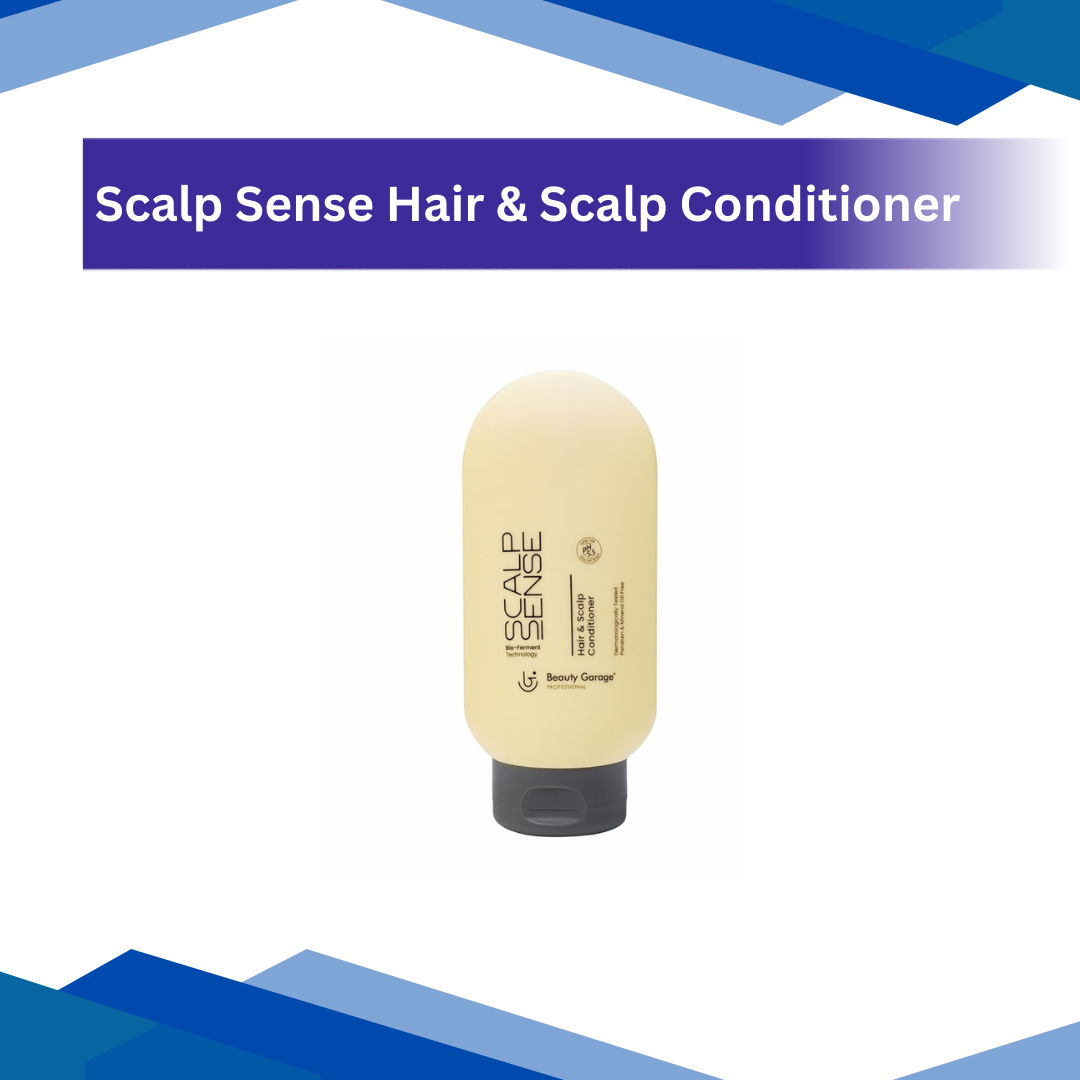
Scalp Sense Hair & Scalp Conditioner 200 ml
Scalp Sense Hair & Scalp Conditioner is a specialized formula designed to nourish hair and scalp, promoting a healthy scalp environment while adding moisture and manageability to your hair. For more details kindly click on Medicine Salts below:
Marula Oil
Marula oil is positioned next to the 1mg or Netmeds, refining the durability of cell lines to suit the intimate experience found on these platforms. Hence the article covering Marula Oil concentrates on its dermal (skin) benefits, chemical stability, and clinical versatility—by at the same time staying clear of the monotonic sound—where, showcasing industry-specific languages and a presumptuous attitude towards user privacy and correct health education are what veer it away from seeming like a rehashed performance piece.
Marula Oil: The "Youth Elixir" for Intensive Skin and Hair Regrowth
Acting as nature's perfect conjuration, Sclerocarya birrea's kernels are expellers of one of the most chemically stable and nutritionare botanical oils. Hailed as a "biomimetic" oil, this oil composition mimics the natural oils found on the skin of the human body—thereby enabling rapid absorption without any gross, slimy texture.
Marula Oil is replete with antioxidants and vitamins C and E. It is actually one of the few powerhouses that people reach for if they are trying to reverse environmental damages, fine lines, and fragile hair.
Clinically Essentialities & Pharmacology
Deep Lipid Barrier: With up to 78% oleic acid (Omega-9), this oil gets down into the skin deeper than most carrier oils. It supports the skin lipids, thus preventing significant Transepidermal Water Loss (TEWL).
Anti-Aging & Collagen Support: Marula Oil inhibits the enzymes (elastase and collagenase) that are responsible for skin protein breakdown. This means support of elasticity, hence minimizing early signs of "crow's feet" and sagging.
Non-comedogenic Hydration: The oil has a light molecular weight compared to solids like coconut. It has a low comedogenic rating, making it suitable for treating oily and combination skin without blocking pores.
Hair and Scalp Vitality: It coats the hair shaft to close the cuticle, creating a natural "heat shield" against damage from styling while reducing inflammation and flaking on the scalp.
Essential Oil Profile & Specifications
Character
Details
Primary Fatty Acid
Oleic Acid (70–78%), Linoleic Acid (4–7%)
Main Vitamins
Vitamin C and Vitamin E (tocopherols)
Appearances
Dry, mature, and sensitive skin; safe for oily/combo
Aromatic Note
Light, nutty, slight fruit
FAQs
1. Can Marula Oil be used on acne-prone skin?
Yes! While oils commonly clog pores, Marula Oil is antimicrobial and anti-inflammatory, thereby soothing the redness in associated breakouts. Its quick absorption means it does not form a reservoir on the skin that leads to congestion in those with acne-prone skin.
2. How does Marula Oil differ from Argan Oil?
Marula does have better antioxidant contents than Argan usage by 60 percent. Second, Marula feels less dense and carries more vitamin C, making it an easy option for illumination against dull skin, along with sun protection.
3. Can pregnant women use it?
Marula Oil is a good option for mothers. It provides immensely increased skin elasticity, making it an effective method of both preventing and diminishing the look of stretch marks. This way, the skin on the abdomen and thighs is kept supple but natural and free from harsh chemicals.
4. How do I insert it in my skin care routine?
For best results, apply 2–3 drops to a damp face after any water-based serums, just before heavy creams, or use mixed in with your heavy moisturizer. It acts like an occlusive—keeping the hydration locked in from your initial steps. You can also apply this to the tips of your moist hair to prevent split ends.
5. Does it spoil?
One of Marula Oil's main strengths lies in its upper limit of oxidative stability: it lasts much longer than any other natural oil due to its inherent high antioxidant content. Still, to be on the safe side, store it in a cool, dark place and use within 12–24 months of opening for the full potential.
Niacinamide
Niacinamide belongs to the water-soluble vitamin B3 complex that the body cannot store by itself an essential cofactor for cellular energy production, either as an oral supplement or through clinical skincare mechanisms. The primary function of the compound is to offer a precursor to coenzymes involved in DNA repair and overall structural anchoring of the skin (NAD+ / NADP).
Clinical Research on Key Therapeutic Effects
A. Restoring the Skin Barrier: Since ceramides capture and retain moisture in the skin maintaining a protective shield against environmental pollution.
B. The Management of Acne and Enlarged Pores: Overproduction of sebum (oil) gives rise to pimples and enlarged skin pores. Niacinamide prevents the formation of these unsightly eruptions.
C. Fixing the Hyperpigmentation: Niacinamide blocks melanin transfer into their skin cell, and together it improves the look of dark spots to the point of reaching an even skin tone.
D. Righting the Shape of Action: It is anti-oxidant, but it also reduces inflamed skin conditions like rosacea and inflamed acne.
E. Supporting The Body: Internally taken, niacinamide can beneficially help maintain healthy cholesterol and assist in metabolism of carbohydrates and proteins.
How It Works
Niacinamide is a "cell-communicating" ingredient: on contact, it communicates the directive for your skin cells to behave in a healthier way. Normally, it supports the pooling of nicotinamide adenine dinucleotide (NAD⁺) via which energy is delivered, supporting cellular repair and turnover. This vitamin, unlike its sister Niacin (nicotinic acid), does not cause much "flushing" when taken at high doses, which also results in redness for high-dose Niacin supplements.
Instruction For Usage
A. Topically (Serums/Creams) – Apply whenever needed a few drops to the skin on the face and neck on their own ideally before any richer moisturizers. It is a stable agent that can be effectively used in the morning as well as evening routines.
B. Orally (Tablets/Capsules): Take supplements while ingesting meals to maximize the absorption of niacinamide and avoid potential stomach upset.
C. Sun Protection: However, niacinamide has its antioxidant effects, ensure a broad-spectrum sunscreen is kept up during the day.
Precautions And Side Effects
Evening cleansing consciousness reality regarding most skin types including very irritable skin. Always consider the following:
Concentration Matters: While 5% is the clinical gold standard, some high-strength 10% or 20% serums may cause mild irritation or "purging" in very sensitive individuals.
Patch Test: Always, it is necessary to perform a patch test on the forearm before using on the face.
Vitamin C Interaction: Although modern formulations allow you to use both together, for those with severely irritable skin, consider using Vitamin C in the morning and niacinamide in the evening to avoid skin interferences.
FAQs
Q: Can I use Niacinamide daily?
A: Yes, Niacinamide is safe for everyday use. Consistency is always key, with visible improvement in skin texture and oil control appearing from weeks 4 to 8 after commencement of regular application.
Q: Can Niacinamide cure acne better than Salicylic acid?
A: They perform different roles. While salicylic acid (a BHA) exfoliates inside the pores to dislodge blockages, Niacinamide decreases the inflammation and oil production causing those blockages in the first place. They are often prescribed together for an all-around acne treatment.
Q: Will it make my skin peel?
A: No. Niacinamide does not act as an exfoliant, unlike retinoids. Instead, it is a strengthening agent that enhances the hydration level of the skin.
Q: Can I use Niacinamide during pregnancy?
Topical application of niacinamide is said to be safe enough during pregnancy and lactation. But if you are considering taking niacinamide supplements orally, you should always seek professional advice from your obstetrician-gynecologist so that it matches the rest of your prenatal vitamin regime.
Q: Does Niacinamide help with wrinkles?
Niacinamide can help reduce the appearance of fine lines by boosting collagen production and enhancing skin elasticity over time, often seen in tandem with peptides or retinol for more intense anti-aging effects.
Panthenol
Tea Tree Oil
At Gem Pharmacy, we make every effort to provide accurate, expert-written, and thoroughly reviewed information related to medicines. However, this information should not be considered a substitute for professional medical advice, diagnosis, or treatment from a qualified doctor.
The purpose of this information is to educate users and improve communication between patients and healthcare professionals. It should not be used to diagnose or treat any condition.
Always consult a certified healthcare professional before taking any medication.


Related products

DIGIGLO WITH ETHYL ASCORBIC ACID Cream 20g
Minimalist Spf 50 PA ++++ Sunscreen with niacinamide , vitamin b5, vitamin f 50 gm