
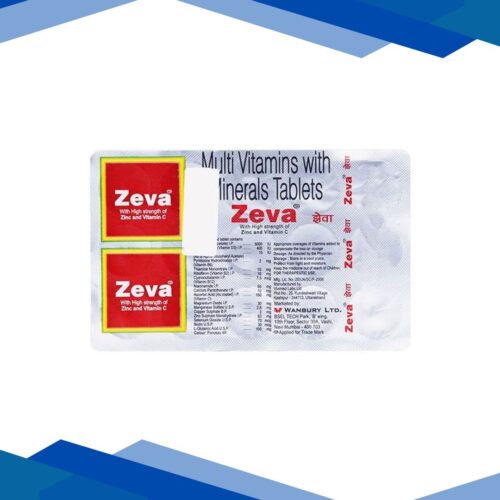
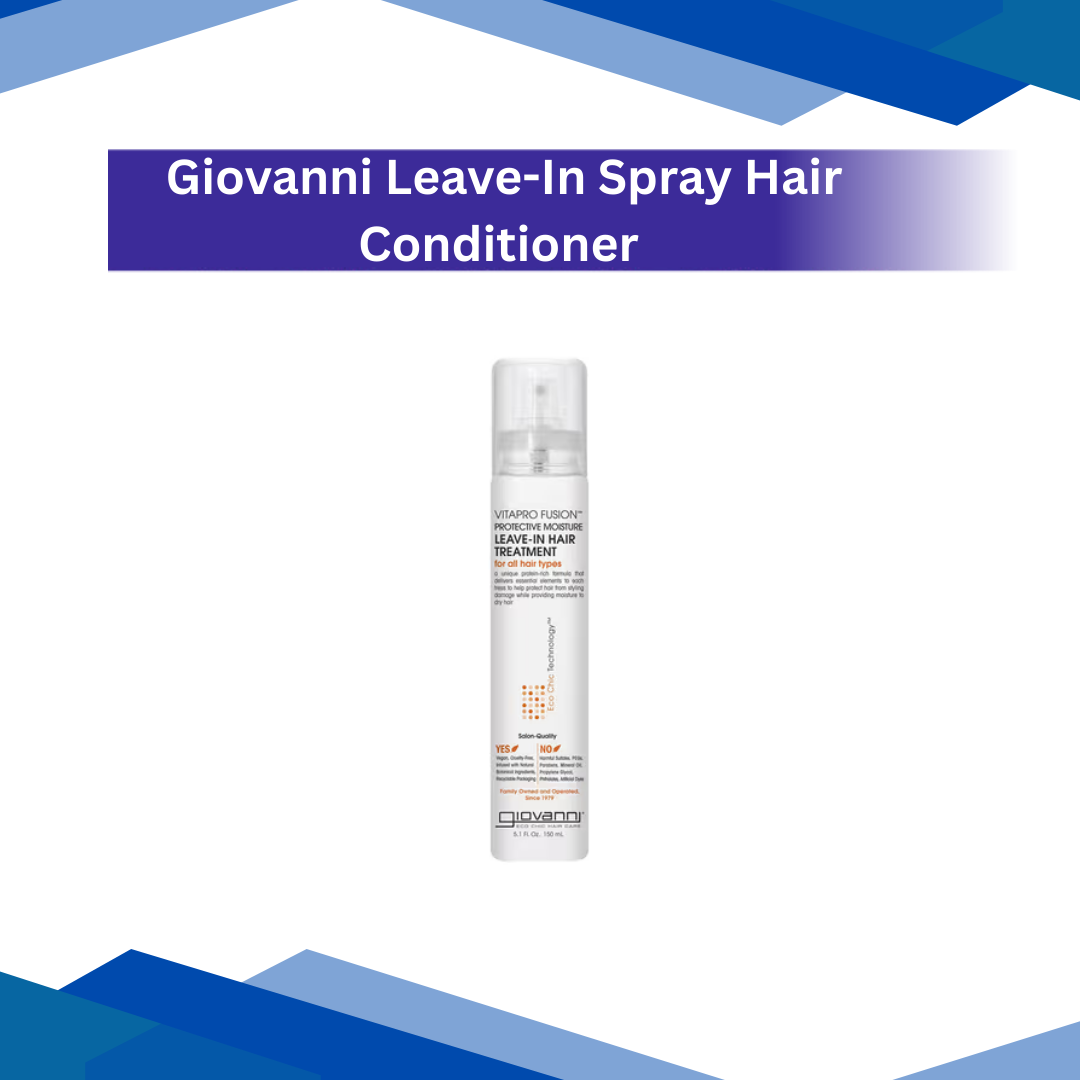
Giovanni Leave-in Spray Hair Conditioner 150 ml
Giovanni Leave-In Spray Hair Conditioner 150 ml is a lightweight, leave-in treatment designed to hydrate and detangle hair without weighing it down. Formulated with natural ingredients like Aloe Vera and Vitamin E, it helps to smooth frizz and enhance shine, making it suitable for all hair types. This conditioner is vegan-friendly, cruelty-free, and free from parabens and sulfates. For more details kindly click on Medicine Salts below:
Aloe Vera Leaf Juice
The product **Pure Aloe Vera Leaf Juice** functions as a natural detoxification solution and a digestive health enhancement. The product uses 100% natural Aloe Vera Leaf Juice which serves as an Ayurvedic healing solution for complete body restoration. Our juice uses the highest quality Aloe Barbadensis leaves which undergo cold pressing to achieve complete nutrient preservation that includes essential vitamins and minerals and enzymes which support both bodily functions.
**Product Highlights**
*Pure & Unadulterated:* The product contains 99% stabilized Aloe Vera pulp which exists without any additional sugar or artificial coloring.
*Cold-Pressed Technology:* The extraction process uses cutting-edge techniques which maintain the integrity of heat-sensitive enzymes together with their vital nutrients.
*Metabolic Support:* The product functions as a natural digestive aid which helps people absorb nutrients from their food.
*Skin & Hair Nutrition:* The product delivers complete hydration to the body which results in natural skin radiance and improves scalp condition.
**Key Benefits**
*Digestive Harmony:* The product provides relief from occasional constipation while it reduces acidity and heartburn through gastrointestinal lining relaxation.
*Internal Detoxification:* The product enables your liver to eliminate toxins together with metabolic waste which creates a feeling of increased body lightness and energy.
*Immunity Booster:* The product contains antioxidants which exist as polyphenols that protect cells against oxidative damage while fortifying the body’s immune defenses.
*Hydration Hero:* The product restores electrolytes to the body while it helps establish proper fluid levels which support skin strength and decrease skin dryness.
**Product Specifications**
Feature
Details
Form
Liquid (Juice with Fiber)
Main Ingredient
Green Aloe Vera Leaf (*Aloe Barbadensis*)
Dietary Preference
Vegetarian, Gluten-Free, No Added Sugar
Packaging
BPA-Free Food Grade Bottle
**Directions for Use**
*Dosage:* Combine 20–30 ml of Aloe Vera Juice with an equal amount of lukewarm water.
*Timing:* For optimal results, take the medication two times per day on an empty stomach during morning and evening hours.
*Tip:* You can improve the taste of your favorite fruit juice or smoothie by adding this product.
**Safety Informatio
Citric acid
Citric Acid: Uses, Formulation Roles, and Benefits
Citric acid is an organic acid that is found naturally in citrus fruits like oranges and lemons. This makes it a versatile excipient and active ingredient in pharmaceutical formulations. Most importantly, citric acid is widely used in effervescent tablets, urinary alkalizers, and stabilization agents that ensure therapeutic products remain potent over time. Apart from these benefits, when treated as potassium citrate or sodium citrate, citric acid becomes vitally important in treating metabolic conditions and in preventing the stomach from generating specific types of kidney stones.
Why Do People Use Citric Acid in Medicines?
Urinary Alkalization: It helps to raise the pH of urine, making the urine less acidic, which is very necessary for those who are prone to uric acid or cystine stones.
Effervescent Action: Have you ever noticed that some tablets fizz in water? Citric acid and bicarbonate react in the water giving it the "fizz" feeling while expediting the dissolution of the medicine and thereby facilitating rapid absorption in the stomach in the process.
Antioxident: It stabilizes the drug molecules, acting as a preservative which prevents oxidation and other harmful decay related to susceptible medicine substances.
Enhanced Mineral Absorption: It is routinely combined with either Calcium or Magnesium (again in the form of Calcium Citrate) to increase the uptake of these essential minerals out of the intestines.
Getty Images
The better view and quick education
Feature
Details
Drug Class
Urinary Alkalizer / Pharmaceutical Excipient
Common Forms
Powder, Oral Solution, Effervescent Tablets
Primary Indication
Kidney stone prevention, Acidosis, pH Balancing
Source
Naturally derived or biotechnologically produced
Safety Guidelines & Expert Advice
Although Citric Acid is classified as "Generally Recognized as Safe" (GRAS) by global health regulators, it does require careful use when used as a medicine.
How to Take:
It Is All About Dilution: If taking with a liquid, Citric Acid/Citrate must be diluted in a minimum of 6 ounces of water or some irresistible juice, so it does not irritate the stomach and does not harm the teeth.
After Meals: It is advisable to take the medicine after meal(s) or even when going to bed, as to ensure that you do not have any malaise in the stomach.
Fluid Intake: Hydration must be maintained while under treatment with citrate-based medications in order to help the kidneys flush out many more waste materials.
Restrictions:
Kidney Malfunction: You should consult a renal expert first before using Citric Acid if you experience severe kidney diseases, as it can affect potassium and sodium levels.
Oral Hygiene: Prolonged utilization of acidic solutions may ultimately have an adverse impact on the teeth by demineralizing them. It is best to rinse your mouth with water following the ingestion thereof.
Frequently Asked Questions (FAQs)
1. Can Citric Acid cure active kidney stones?
The primary use of citric acid is more prevention, rather than in cases of actual treatment of large stones. By making the urine less acidic, it stops further crystal formation and helps pass through the smaller "gravel."
2. Can I get enough Citric Acid from lemons?
In an average healthy condition, lemons might be enough; however, for cases like Renal Tubular Acidosis, the concentration in the pharmaceutical grade (like Potassium Citrate) provides relatively controlled dosing. This ensures that the dose remains more consistent than just having the food as a source.
3. Are there any side effects?
Some people might experience temporary mild gastrointestinal symptoms, like nausea, stomach cramps, or diarrhea, which can usually be prevented by supporting the treatment with an abundant volume of water and food consumption.
4. Is it safe for patients with hypertension?
Patients with hypertension trying to keep their sodium intake low should look into the use of sodium in order to avoid too much from Citric Acid. With that being the case, Potassium Citrate would become a better substitute in such instances.
5. Can I take it with antacids?
Taking the citric acid and antacids simultaneously would cause aluminum in the antacid to be absorbed in excess, leading to toxicity. Hence, the best option is to avoid combining Citric Acid with antacids, especially if the latter contains aluminum.
Tocopherol
Vitamin E (tocopherol)
The fat-soluble antioxidant known as tocopherol, or vitamin E, is incredibly important for the overall health of the body. As opposed to being just one single substance, eight different compounds make up one form of tocopherol, namely alpha-tocopherol, which is the most biologically active in humans. One of its functions is to defend the cells from being screwed up by oxidative stress thanks to the free radicals—army of unstable molecules that harm cellular structures.
In addition to keeping ourselves healthy, tocopherol also assists with immune function, skin well-being, and the prevention of abnormal blood clotting. It is used commonly in clinics as a remedy for deficiencies, as well as in cosmetics due to its extremely moisturizing and healing properties.
Salutary Effects & Uses
Antioxidant Therapy: It provides protection against the deleterious effects of environmental pollutants and metabolic byproducts on the body's tissues.
Skin & Hair Care: It is often available in serums or creams for supporting cell repair, diminishing UV damage and maintaining scalp health.
Immune System Support: It enhances one's ability to fight off harmful invaders.
Heart Health: It nourishes healthy blood vessels and prevents oxidation of low-density lipoprotein.
Recommended Usage
Tocopherol can be consumed in oral capsules, liquid drops or topical oils. For better absorption, it should ideally be taken with a meal rich in good fats.
General Cautions:
Talk to a Professional: Always consult your healthcare provider before taking high doses of vitamin E. This recommendation especially applies if you are already taking blood-thinning medication.
Storage: Keep in a cool, dry place where the oil is protected from heat and direct light, which can spoil its good quality.
FREQUENTS QUERIES
1. What are some natural sources of vitamin E?
Vitamin E is bound to be found in high concentrations in vegetable oils, that is, sunflower or wheat germ oil, nuts (almonds, hazelnuts), seeds, and green leafy vegetables, such as spinach and broccoli.
2. Can I apply Tocopherol capsules directly to my skin?
Yes, the oil from Vitamin E capsules is very frequently applied topically to soothe dry skin or light scars; be aware of the reaction of a little area of your skin before applying directly.
3. What does it do to me if I take too much Vitamin E?
While rare, overdosing on Vitamin E may lead to nausea, fatigue, increased bleeding in the body. Stick to the RDAs unless advised otherwise by the doctor.
4. Would you say that there is a difference between natural and synthetic Tocopherol?
Natural Vitamin E is always labeled as "d-alpha-tocopherol," whereas the synthetic version is "dl-alpha-tocopherol." Research has also demonstrated that the natural form is absorbed better by human beings.
At Gem Pharmacy, we make every effort to provide accurate, expert-written, and thoroughly reviewed information related to medicines. However, this information should not be considered a substitute for professional medical advice, diagnosis, or treatment from a qualified doctor.
The purpose of this information is to educate users and improve communication between patients and healthcare professionals. It should not be used to diagnose or treat any condition.
Always consult a certified healthcare professional before taking any medication.


Related products
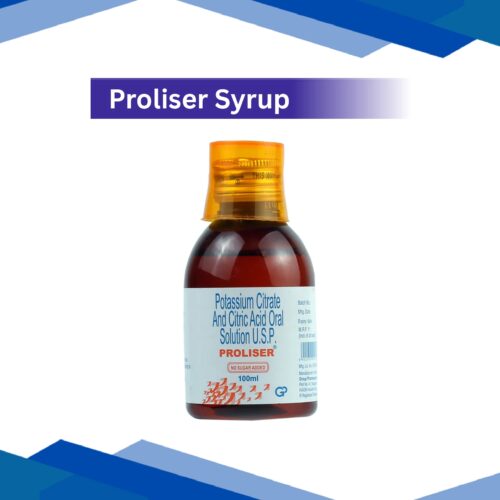
Proliser Oral solution 100 ml
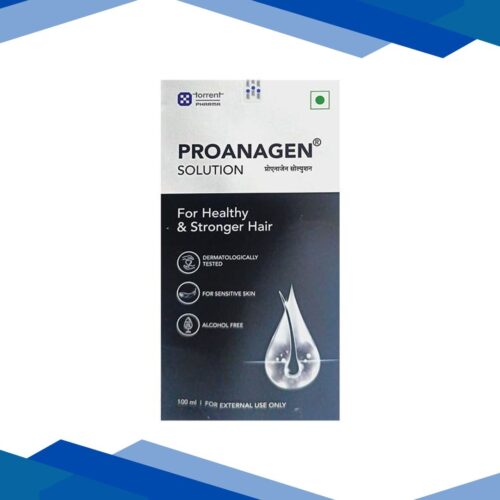
Proanagen Solution 100ml
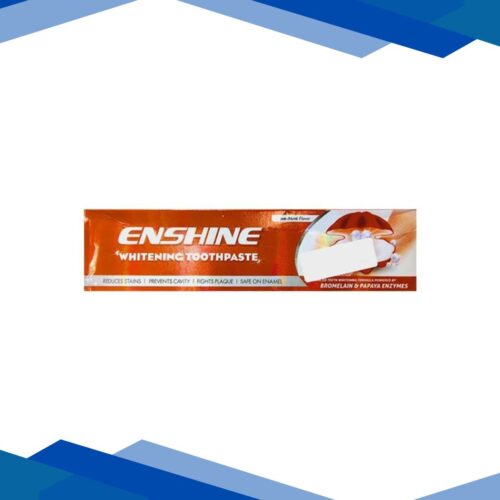
ENSHINE WHITENING Tooth Paste 100g