


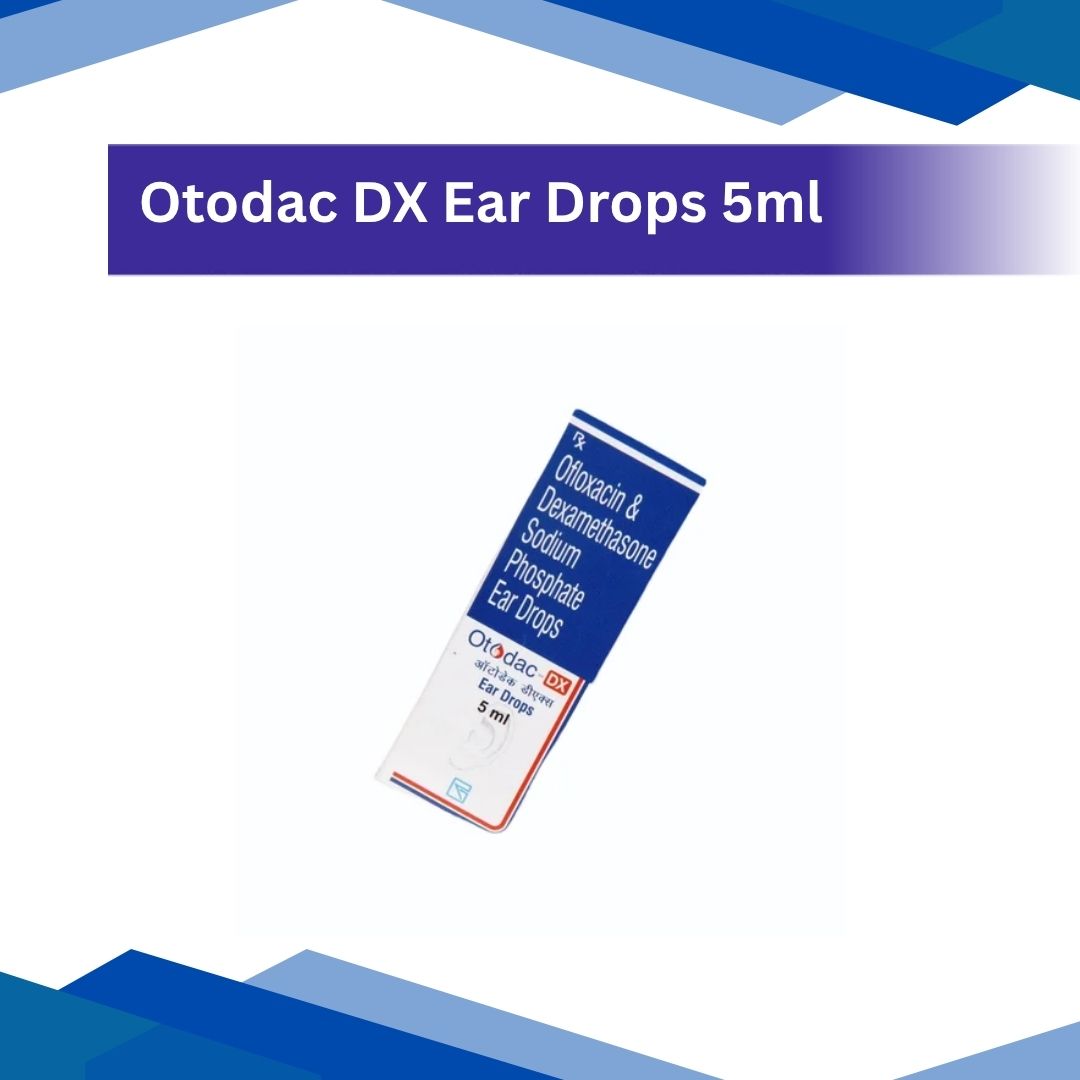
Otodac DX Ear Drops 5 ml
No Prescription yet? Don’t worry! Click Here to Get Online Consultation
Otodac DX Ear Drops 5 ml is a combination medication used to treat bacterial ear infections and associated inflammation. It contains Ofloxacin, an antibiotic, and Dexamethasone, a corticosteroid, which together help reduce pain, swelling, redness, and itching in the ear. For more details kindly click on Medicine Salts below:
Dexamethasone
Dexamethasone Tablet (Corticosteroid) Dexamethasone is a potent glucocorticoid steroid that mimics hormones produced by the adrenal cortex. It is widely used to treat conditions involving inflammation and immune system overactivity. By suppressing immune responses and reducing inflammatory mediators, it helps relieve swelling, redness, and pain. Uses Inflammatory conditions: Effective in arthritis, lupus, and psoriasis. Allergy related: Helps manage allergic reactions, asthma, and drug-induced inflammation. Immune disorders: Used when the immune system attacks body tissues. Hormonal disorders: Acts as replacement therapy in adrenal insufficiency. Specialized care: Used in oncology for tumor swelling and chemotherapy-induced nausea. How Dexamethasone Works Dexamethasone is a corticosteroid that inhibits production of prostaglandins and leukotrienes, which trigger inflammation. It also stabilizes cell membranes and suppresses immune overactivity. How to Use Administration: Swallow the tablet whole with water, preferably in the morning. Timing: Usually taken once daily, with or without food. Consistency: Take at the same time each day. Important: Do not stop suddenly—gradual tapering is required to avoid withdrawal symptoms like fatigue and body pain. Precautions & Safety Infection Risk: May mask infections and increase susceptibility—avoid exposure to measles or chickenpox. Diabetes: Can raise blood sugar levels—monitor regularly. Bone Health: Long-term use may cause osteoporosis—ensure adequate calcium and Vitamin D. Common Side Effects Increased appetite and weight gain Insomnia Mood changes or irritability Swelling (edema) Skin thinning Seek medical help if you experience blurred vision, black stools, or severe pain. Frequently Asked Questions (FAQ) Q: Is it an anabolic steroid? No. It is a corticosteroid used for medical conditions, not muscle building. Q: Can I take vaccines while on it? Avoid live vaccines during high-dose therapy—consult your doctor. Q: Does it cause “moon face”? Yes, long-term use may lead to Cushingoid appearance, which is reversible after tapering. Q: Can I drink alcohol? Limit or avoid alcohol due to increased risk of stomach irritation and bleeding. Q: How fast does it work? For acute conditions, effects may appear within 1–2 hours; chronic conditions may take a few days.
Ofloxacin
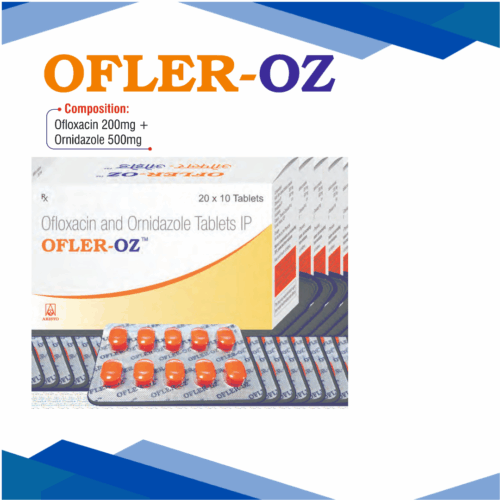
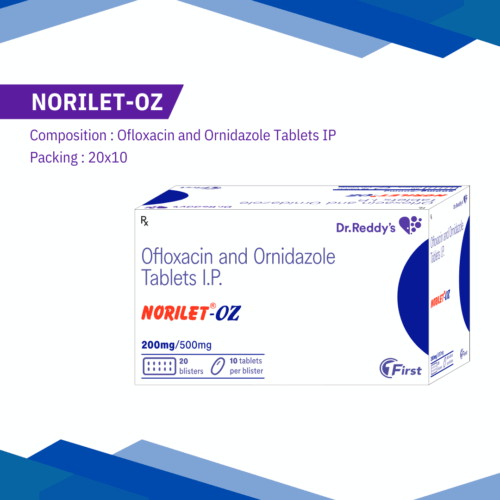
Ofloxina: High-Potency Fluoroquinolone Antibiotic Ofloxin is a versatile broad-spectrum antibiotic from the fluoroquinolone family proficient at treating most bacterial infections. The antibiotic directly interferes with the process of DNA replication in the bacteria and stops them from multiplying and spreading, allowing the body's natural defenses to efficaciously eradicate the infection. Some Common Treated Conditions Respiratory Tract Infections: Acute exacerbations of chronic bronchitis and Community Acquired Pneumonia are effectively managed. Urinary Tract Infections (UTI): Both complicated and uncomplicated infections are treated's. Bladder and Kidneys. Skin & Soft Tissue Infections: For the treatment of bacterial cellulitis and infected wounds. Pelvic Inflammatory Disease (PID): Ofloxacin is often used with other drugs for the treatment of infections within the female reproductive system. Prostatitis: It is the first-line therapy for bacterial inflammation of the prostate because of its abundant cell penetration and low cytochrome P450 inhibition levels. Mechanism of Action Specifically, it acts by inhibiting two bacterial enzymes: DNA gyrase and topoisomerase IV, required to repair and replicate bacterial DNA, making it bactericidal against the microorganisms and not merely suppressing them. Leaky Safety and Efficacy Standards Drink lots of water: Stay hydrated while taking Ofloxacin to avoid crystal formation in the urine (crystalluria). Time your medication after the antacids: Do not take any antacid or iron supplements or multivitamins containing zinc within 2 hours of having Ofloxacin as they interfere with its absorption skin sensitivity to sun: Your skin tends to be a bit more sensitive than usual when exposed to UV rays after taking Ofloxacin. Wear sunscreen and protective clothing to avoid photosensitization. Finish the bottle: Even if your symptoms disappear after 48 hours, you must finish the course of treatment to ensure that supdeff bacteria do not develop. Ofloxacin: Frequently Asked Questions (FAQ) Q. Can I take Ofloxacin for my flu or cold? A: No. Ofloxacin is strictly meant for bacterial infection not viral infection causing cold, flu, or most of the sore throats. Q. Can I take Ofloxacin if I am pregnant? A: Ofloxacin is not recommended during pregnancy or breastfeeding unless the benefits clearly outweigh the risks. It is known to affect cartilage formation and may affect growing fetuses and infants. You should discuss this with your ob-gyn. Q: What should I do if I have joint pain? A: Admittedly, taking Ofloxacin or other fluoroquinolones is associated with an almost negligible risk of having tendonitis. If you happen to feel joint pain, any kind of swelling, or inflammation in your joints, especially the Achilles tendon, discontinue the medication, and call a doctor immediately. Can I drive after using Ofloxacin? A: Some patients report dizziness or light-headedness. It is advisable to ascertain how you react to the medicine for a couple of doses before attempting to drive or operate heavy machinery. Can I eat whatever I want while taking Ofloxacin? A: There are no current dietary restrictions, says a general pharmacist. Take it with food or on an empty stomach. However, it is not advisable to take it with dairy products like milk or yogurt. Food supplements for calcium can interfere with absorption. Safety and Side Effect Overview NameIncidenceYour HealthOfficial Recommendation Nausea/DiarrheaCommonIt could be remedied with eating simpler or just non-dairy after taking the medicine. Insomnia/HeadacheOccasionalThe incidence is not major; yet, the patient should unquestionably inform her healthcare provider if it becomes persistent. Severe Skin RashRareIt would be critical to attend the health care center, since this might imply an anaphylactic episode. Muscle WeaknessRareConsult the healthcare provider, particularly if the patient has Myasthenia Gravis. Patient Care Checklist Storage: Keep the tablets in a cool and dry place protected from sunlight and out of the reach of children. Do Tell of All AllergiesPractitioners who have particular patient allergies should consult about allergic reactions to Ciprofloxacin or Levofloxacin. Follow-up care: If the signs of infection do not improve in 3 days, a follow-up consultation is advised.
At Gem Pharmacy, we make every effort to provide accurate, expert-written, and thoroughly reviewed information related to medicines. However, this information should not be considered a substitute for professional medical advice, diagnosis, or treatment from a qualified doctor.
The purpose of this information is to educate users and improve communication between patients and healthcare professionals. It should not be used to diagnose or treat any condition.
Always consult a certified healthcare professional before taking any medication.


Related products