
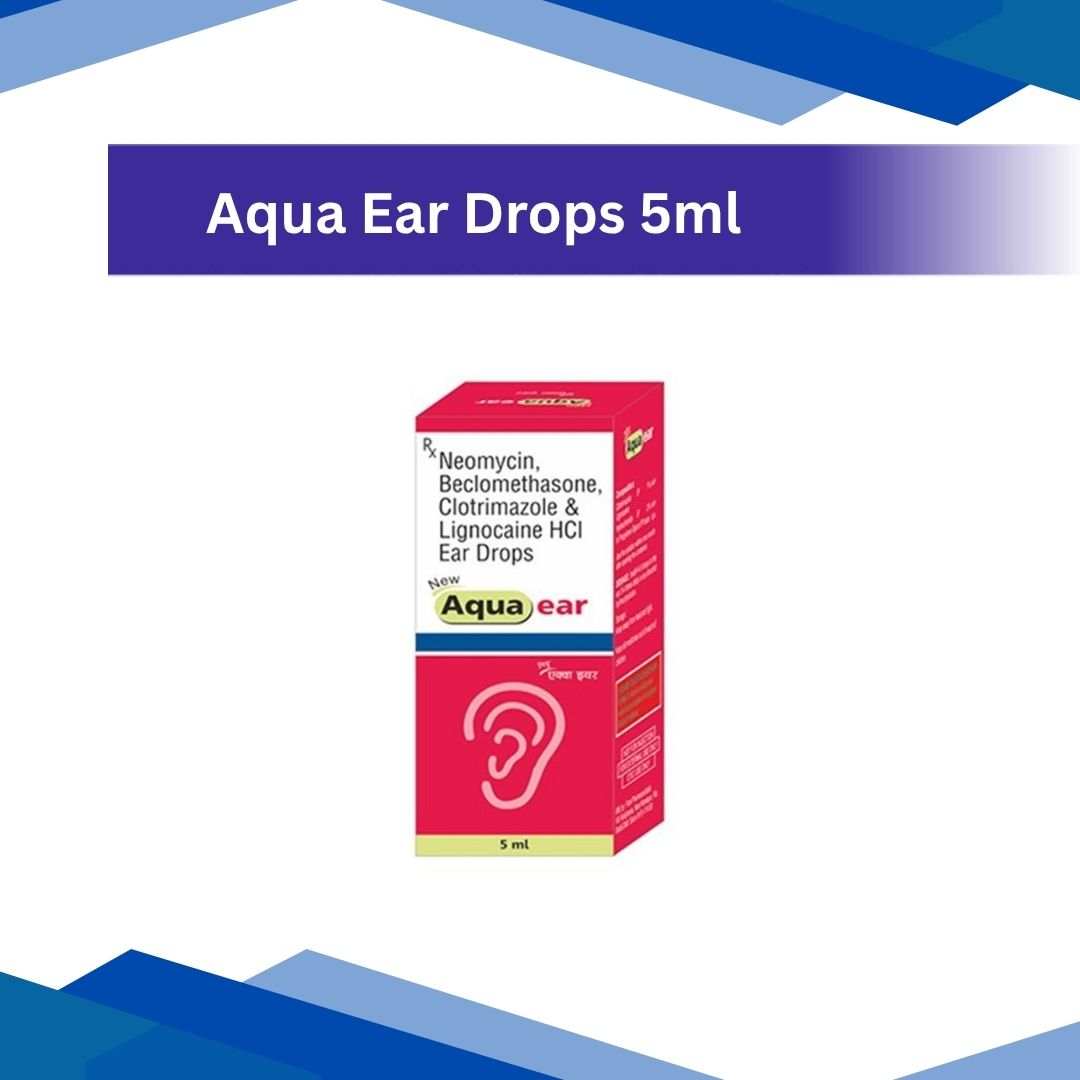
Aqua Ear Drops 5 ml
No Prescription yet? Don’t worry! Click Here to Get Online Consultation
Aqua Ear Drops 5 ml is a combination ear medication used to treat ear infections caused by bacteria and fungi. It contains Lidocaine (an anesthetic), Beclometasone (a corticosteroid), Clotrimazole (an antifungal), and Chloramphenicol (an antibiotic), which together relieve pain, reduce inflammation, and eliminate infection. For more details kindly click on Medicine Salts below:
Beclometasone
Beclometasone: The Ultimate Resource for Respiratory and Allergic Conditions
Beclometasone Dipropionate is one of the very potent corticosteroids available and is commonly used in the control of inflammatory conditions affecting the airways and skin. Like the main provider, it is primarily used as a “preventer” inhaler in asthma, as it acts to reduce immune activity within the lungs, decreasing swollen air passages and easing inflammation enough to prevent emergencies of breathing difficulty.
Beclometasone: Therapeutic Applications
Asthma Control: Beclometasone is used in conjunction with bronchodilators as a daily preventive regimen to make sure one steers clear of wheezing, difficulty in breathing, tight chest, and other symptoms.
COPD Management: The main concept pertains to reducing chronic airway inflammation that drives the various symptoms of COPD.
Allergic Rhinosinusitis: Provided as a nasal spray, Beclometasone Dipropionate offers relief against hay fever symptoms, sneezing, runny nose, and sinus blockage.
Dermatological Conditions: The topical versions are used to relieve severe skin irritation, eczema, and psoriasis-associated conditions.
Action Mechanism
Beclometasone behaves much like the hormones produced by the adrenal glands. When inhaled or applied, it works by blocking chemical messengers such as prostaglandins and leukotrienes that cause inflammation, swelling, and narrowing of the bronchiolar lumen. This action helps in controlling and stabilizing airway inflammation.
Safety Advice & Cautions
Not a Rescue Drug: Beclometasone is a maintenance medication and will not work for sudden asthma attacks. Keep a fast-acting reliever such as Salbutamol available at all times.
Oral Hygiene: To avoid oral thrush (a fungal infection), rinse your mouth with water and spit it out after using the inhaler.
Infection Risk: Since steroids may mask infection symptoms, consult a physician if you develop fever, persistent cough, or sore throat.
Pregnancy and Lactation: Beclometasone inhalers are generally considered safe, but should only be used under medical supervision during pregnancy or breastfeeding.
Frequently Asked Questions (FAQs)
1. How long will it take for Beclometasone to start working?
Unlike reliever inhalers, Beclometasone works gradually. Breathing may start to improve within 24–48 hours, but the full benefits usually appear after 1–2 weeks of regular use.
2. Can I stop taking this medication if I am feeling better?
No. Beclometasone is intended for long-term maintenance therapy. Suddenly stopping the medication may trigger airway inflammation and increase the risk of an asthma attack. Always consult your doctor before changing the dose.
3. Will Beclometasone cause weight gain?
When used as an inhaler or nasal spray, only a very small amount reaches the bloodstream, making weight gain unlikely. Systemic side effects are more likely only with long-term high-dose oral steroid use.
4. What should I do if I miss a dose?
Take the missed dose as soon as you remember. If it is almost time for the next scheduled dose, skip the missed one. Do not double the dose.
5. Are children eligible to use a Beclometasone inhaler?
Yes, Beclometasone inhalers are commonly prescribed to children (usually aged 5 years and above) with chronic asthma. During long-term treatment, doctors often monitor a child’s growth and height to ensure the lowest effective dose is used.
Chloramphenicol
Chloramphenicol (USP/IP)
Chloramphenicol is a potent, broad-spectrum antibiotic used for treating serious bacterial infections. Originally derived from Streptomyces venezuelae, it works by inhibiting bacterial protein synthesis, thereby stopping bacterial growth. Due to its strength and risk profile, it is reserved for severe infections where other antibiotics are ineffective.
Therapeutic Uses
Chloramphenicol is available in forms like eye/ear drops, capsules, and injections, and is used for:
Bacterial Conjunctivitis (“pink eye”)
Otitis Externa (outer ear infections)
Typhoid Fever (in resistant or severe cases)
Meningitis (specific bacterial infections)
Serious Anaerobic Infections
Important Aspects
Penetration: Crosses the blood-brain barrier effectively.
Activity: Active against a wide range of organisms like H. influenzae and Salmonella.
Action: Shows a rapid reduction in bacterial load.
A Guide on How to Utilize
Eye/Ear Drops: Wash hands, tilt head, and apply drops. Avoid touching the dropper tip.
Oral Capsules: Take on an empty stomach (1 hour before or 2 hours after meals) with water.
Duration: Complete the full prescribed course to prevent resistance.
Contraindications
Warning: Use is restricted due to risk of serious blood disorders like aplastic anemia. Monitoring may be required during prolonged therapy.
Common side effects include:
Nausea and vomiting
Blurred vision (eye drops)
Diarrhea
Weakness or fatigue
Metallic taste
Seek immediate medical help if symptoms like fever, sore throat, unusual bruising, or pale skin occur.
Precautions & Contradictions
Pregnancy & Nursing: Avoid in late pregnancy and breastfeeding due to risk of Gray Baby Syndrome.
Liver & Kidney Issues: May require dose adjustments.
Immunization: May interfere with vaccine response.
Alcohol: Avoid due to increased gastrointestinal side effects.
Frequently Asked Questions (FAQs)
Q: Can it treat viral infections?
No. It is effective only against bacterial infections.
Q: Why are blood tests needed?
To monitor for bone marrow suppression affecting RBCs, WBCs, and platelets.
Q: What if I miss a dose?
Take it when remembered unless close to the next dose. Do not double dose.
Q: How should eye drops be stored?
Typically at 2°C to 8°C (check product instructions).
Q: Can I wear contact lenses?
Avoid until infection resolves; preservatives may damage lenses.
Clotrimazole
Clotrimazole Topical Solution / Cream
Clotrimazole belongs to the imidazole class of antifungal drugs and is widely regarded as a gold-standard treatment for fungal skin infections. It works by inhibiting ergosterol synthesis, an essential component of the fungal cell membrane, thereby disrupting fungal growth and eliminating infection.
Treatment Indications
Athlete’s Foot (Tinea Pedis): Relieves itching, burning, and cracks between toes
Ringworm (Tinea Corporis): Clears circular, red, scaly lesions
Jock Itch (Tinea Cruris): Treats infections in groin and inner thighs
Thrush: Effective for yeast infections on the skin
Candidiasis: Used for diaper rash and skin fold infections
Pityriasis Versicolor: Treats skin discoloration patches
Features
Quick Relief: Reduces itching, redness, and irritation rapidly
Multiple Forms: Available as cream, lotion, and powder
Safe Profile: Generally safe for all age groups under guidance
How to Apply
Preparation: Clean and dry the affected area thoroughly
Application: Apply a thin layer extending ~1 cm beyond infected skin
Frequency: Usually 2–3 times daily for 2–4 weeks
Continuation: Continue treatment even after symptoms improve to prevent recurrence
Safety Instructions
External Use Only: Avoid contact with eyes, nose, and mouth
Skin Reactions: Mild stinging or redness may occur
Pregnancy/Breastfeeding: Use under medical supervision
Hygiene: Change towels and socks daily to prevent reinfection
Frequently Asked Questions (FAQs)
Q: How long does it take to work?
Relief starts within 48–72 hours, with visible healing in 1–2 weeks
Q: Can it be used for vaginal infections?
Use only formulations labeled for vaginal use
Q: Is it safe for babies?
Yes, commonly used for diaper rash (candidiasis) with care
Q: What if I miss a dose?
Apply when remembered; do not double apply
Q: Can I cover the area after applying?
Avoid covering unless advised; air exposure aids healing
Lidocaine
Lidocaine (Topical/Injectable)
Lidocaine is a local anesthetic drug with multifarious uses for causing some temporary form of numbness or loss of feeling in a specific area. Its effect is completed by blocking the nerves to transmit 'pain' signals to the brain. It is essential for current pain management, meaning that it largely treats minor skin injuries using a topical gel and provides anesthesia for minor surgeries upon injectable administration.
Principal Applications:
Skin Numbing: Good for minor burns, insect bites, or scrapes.
Leading-edge Applications: Often used before injections, tattoo needles, and catheterization to minimize pain.
Dental Signs: For application, gels help to soothe sores or relieve dental work discomfort.
Surgery Use: Used by specialists to numb an area for suturing or for small cytological examination.
How to Apply (Topical)
Clean Site: Wash and dry the affected skin before applying the cream or gel.
Thin Layer: Apply only on the area that needs treatment; never apply over a large area of the body.
Hands on: Washing hands is important right after application to keep the medicine away from the eyes or mouth.
Dosage: Follow your prescription regarding how often it has to be used. Excessive usage permits systemic absorption, a potentially serious occurrence.
Precautions
Word of Warning: Lidocaine should never be placed on open, blistered, or 3rd-degree burned areas unless the physician tells you so. Also avoid tight bandaging or heating pads over the treated area, as this may increase drug absorption into the bloodstream.
Heart Physiology: If you have a history of arrhythmia or other heart conditions, consult your doctor before use.
Hepatic Cases: Patients with liver disease should use Lidocaine with care, as it is metabolized in the liver.
Allergies: Check for sensitivity to "amide-type" local anesthetics before use.
Possible Side Effects
- Mild redness, swelling, or irritation at the site of application
- Brief stinging or burning sensation
- Pallor (lightening of skin) at the application site
If anyone experiences severe dizziness, blurred vision, or ringing in the ears, it may be a sign of toxicity. Seek immediate medical assistance.
Frequently Asked Questions (FAQs)
Q: How Long Does It Take for Lidocaine to Take Effect?
A: With topical gels and creams, a numbing sensation usually begins within 2 to 5 minutes. The peak effect is achieved in about 15–30 minutes.
Q: Can I Use Lidocaine for a Sore Throat?
A: Use only specific oral Lidocaine viscous solutions for throat pain. Do not use skin creams or gels inside the mouth or throat.
Q: Is It Safe to Use Lidocaine Every Day?
A: Lidocaine should be used only as directed by your doctor. Avoid unnecessary or prolonged use.
Q: When should I avoid using Lidocaine?
A: Avoid long-term use without medical advice. If symptoms persist, consult a physician.
Q: Is there any time-limit for the consumption of Lidocaine?
A: It should not be used daily for extended periods, as side effects may accumulate with prolonged use.
At Gem Pharmacy, we make every effort to provide accurate, expert-written, and thoroughly reviewed information related to medicines. However, this information should not be considered a substitute for professional medical advice, diagnosis, or treatment from a qualified doctor.
The purpose of this information is to educate users and improve communication between patients and healthcare professionals. It should not be used to diagnose or treat any condition.
Always consult a certified healthcare professional before taking any medication.


Related products