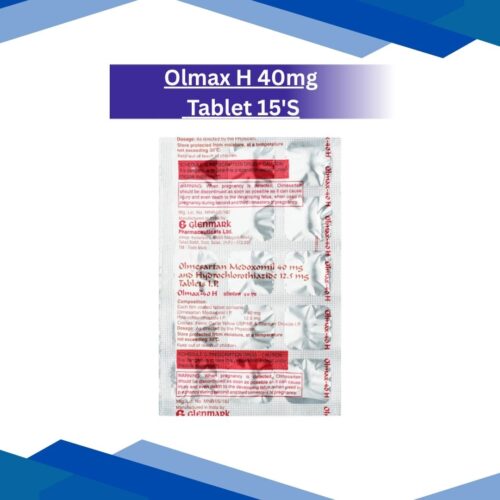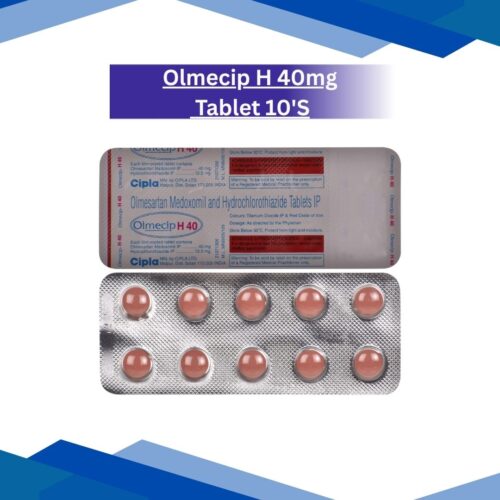

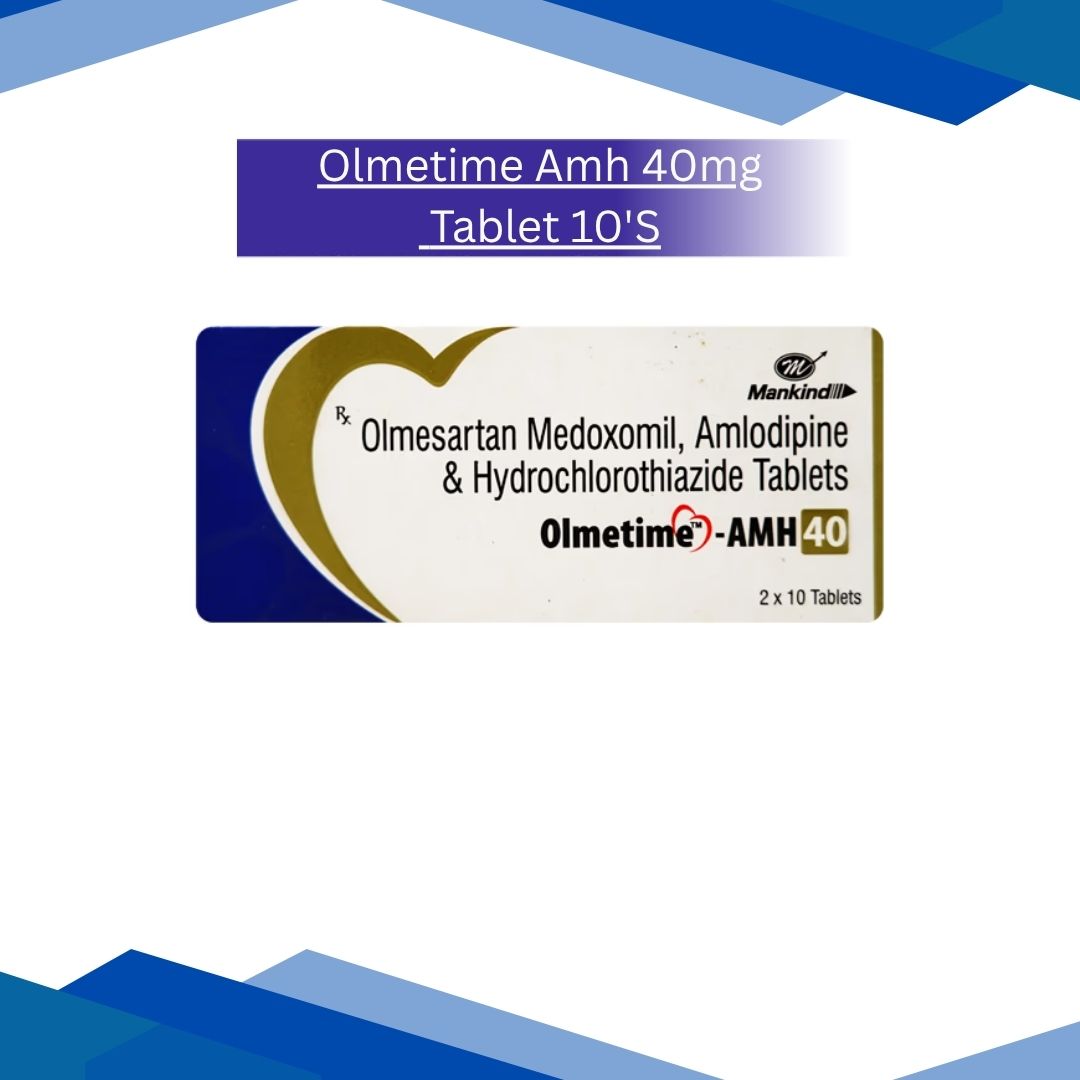
Olmetime AMH 40 mg Tablet 10’s
No Prescription yet? Don’t worry! Click Here to Get Online Consultation
Olmetime AMH 40 mg Tablet 10’s is a prescription medicine used to manage high blood pressure (hypertension) by combining three active agents that relax blood vessels and help remove excess fluid. For more details kindly click on Medicine Salts below:
Amlodipine
Dosage: The typical initial dosage is 5mg taken once per day. Your physician may increase your dosage up to 10mg, given your response.
Consistency: One needs to take the medicine at the same time every day to maintain a steady bloodstream level.
Administration: You can take this medication with or without food. Taking it post-meals is often a useful technique for those who have a sensitive stomach to Amlodipine.
Missed Dose: In case you forget to take a dose, then take it at once. But if your next dose is due to be taken within the next 12 hours, forget the missed dose and continue with your regular dosing times; never try to compensate for that missed dose. It is ideal to take the medication as soon as you remember to.
Regular Side Effects While censurable by many, a few notice water retention in ankles, feet, or lower legs. Dizziness, more pronounced at rising time. Flushing feeling in the face, neck the list continues. Fatigue Discriminating sleepiness Palpitations perception of fast, or strong beating of the heart.
Note: Report to your doctor of any side effects that could possibly be severe, e.g., fainting, irregular pulsations, or aggravated chest malia.
Precautions & Safety
Liver Function: In patients of impaired liver function, one has to consider a caution in decidomoederate-to-severe hepatic impairment (patients with severe liver impairment may require a starting dose of 2.5mg).
Alcohol: Restriction on alcohol consumption as will further lower the BP and lead to further dizziness.
Pregnancy/Nursing: Ask your doctor before using Amlodipine since there lies a prescription conflict while used during pregnancy by the benefit offsetting the risk.
Drug Interactions: Should you be on medications for heart, let your doctor know as soon as possible: Simvastatin, Clarithromycin Amlodipine.
Frequently Asked Questions (FAQs)
Q: How long does it take for Amlodipine to work?
It starts working from the very first day of use, but it may take up to 1 to 2 weeks of regular use to observe the full effects of lowering your blood pressure. One could notice an improvement in chest pain from a few days of use for angina.
Q: Can I stop the medicine if my blood pressure is normal?
No. High BP is often called the "silent" killer as it does not display severe symptoms in many patients. Suddenly discontinuing Amlodipine increases the risk of dangerously escalating BP. Always consult your physician before discontinuing treatment.
Q: Does Amlodipine make you gain weight?
Weight gain is not a direct consequence of Amlodipine usage. However, there may be some mild weight gain due to swelling in the ankles or legs, which usually is seen and felt as fat gain. If the swelling is not tolerable, a dose adjustment may become necessary.
Q: Are there any specific foods I should avoid?
Although one can take it with most foods, grapefruit and grapefruit juice must be avoided as they tend to increase the amlodipine level in the blood, thereby increasing the risk of side effects.
Q: Can I take Amlodipine at night?
Yes. Amlodipine can be taken at any time of the day as long as the timing remains consistent. A lot of people find it convenient to take it early in the morning. Nevertheless, if taking it in the morning makes you feel lethargic, it is therefore better to take it at night.
Hydrochlorothiazide
Hyaluronidase Injection: Uses, Side Effects, and Precautions
Hyaluronidase is a genetically engineered enzyme that acts as a “spreading agent.” Unlike many drugs that target a specific symptom, its primary role is to enhance the absorption and dispersion of other injected medications.
It works by temporarily breaking down hyaluronic acid, a natural “glue-like” substance in the body, thereby making tissues more permeable.
Primary Indications
Enhanced Drug Absorption: Often combined with other injectable medications to improve their diffusion and absorption at the target site.
Subcutaneous Infusions: Used in rehydration therapy (hypodermoclysis), allowing the body to absorb larger volumes of fluids under the skin.
Extravasation Management: Helps disperse leaked drugs from blood vessels, reducing the risk of tissue damage.
Aesthetic Correction: Widely used in dermatology to break down or reverse hyaluronic acid-based dermal fillers.
The Ways of Administration
Clinical Use Only: Must be administered by trained healthcare or aesthetic professionals. Routes include subcutaneous, intramuscular, or intra-articular injection.
Skin Test for Sensitivity: A patch/skin test is required before first use to check for allergic reactions.
Hydration: Adequate water intake is recommended before the procedure, unless otherwise advised by your doctor.
Warnings and Safety Precautions
Special Warning: Do not inject into areas with infection, severe inflammation, tumors, or open wounds, as it may increase the spread of harmful conditions.
Pregnancy and Lactation: Consult your physician before use. The effects on infants are not well established.
Drug Interactions: Inform your doctor about all medications, especially Furosemide, Phenytoin, and Corticosteroids, as they may interfere with Hyaluronidase activity.
Possible Side Effects
Generally safe when administered properly, but some individuals may experience:
Redness or swelling at the injection site
Mild itching or hives
Seek immediate medical attention if you notice:
Difficulty breathing
Rapid pulse
Frequently Asked Questions (FAQs)
Q: How fast does Hyaluronidase work for dissolving fillers?
A: Effects can be almost immediate, with noticeable improvement within minutes to 24–48 hours, depending on swelling and treatment area.
Q: Is the procedure painful?
A: Most patients feel only mild discomfort or stinging. A topical anesthetic or numbing cream is often applied to make the procedure nearly painless.
Q: Can I use Hyaluronidase if I am allergic to bee stings?
A: This must be carefully discussed with your doctor. Some formulations may carry a risk of allergic reactions, so a skin test is essential to prevent anaphylaxis.
Q: How much natural hyaluronic acid will be affected?
A: Some natural hyaluronic acid may be broken down, but the body naturally regenerates it within a few days.
Q: How many sessions are needed to remove fillers?
A: Usually, one session is sufficient. However, in cases of deep or high-volume fillers, a follow-up session may be required.
Olmesartan
Olmesartan Medoxomil Tablet
Olmesartan is a prescription medicine belonging to the class of Angiotensin II Receptor Blockers (ARB). The dominant use of this tablet is to manage hypertension (high blood pressure) in adults and children above 6 years old. Olmesartan increases the ability of the heart to pump blood by relaxing and widening blood vessels. Consequently, it greatly lowers the long-term risks of stroke, heart attack, and kidney complications.
Key Benefits
Effective Therapeutic Profiles: Its efficacy lies in specifically targeting hormones causing blood vessel tightening, offering a consistently controllable blood pressure profile for 24 hours.
Cardiovascular Protection: Helps maintain cardiovascular endothelial health and prevents damage to the heart and arteries, common in chronic high blood pressure.
Kidney Support: Frequently used to protect against kidney damage in hypertensive patients and those with diabetic nephropathy.
Convenient QD Dosing: Allows once-daily dosing, improving patient compliance while maintaining effectiveness.
The way it works
- Before taking Olmesartan Medoxomil, read the Patient Information Leaflet and inform your doctor about all prescribed medicines.
- Maintain a fixed time of ingestion—take your tablet at the same time every day to keep a constant drug level in the blood.
- Antacids: You may take Olmesartan with or without food. Those with a sensitive stomach may benefit from taking it with food.
- Do Not Crush: Do not crush or chew the tablet; swallow it whole with a glass of water.
- The initial dose may be taken at bedtime, as it can significantly lower blood pressure and cause dizziness in the first few days.
Essential Safety Checks
Pregnancy Warning: Olmesartan is strictly contraindicated during pregnancy. It can cause serious harm or even be fatal, especially in the second and third trimesters. If pregnancy occurs, stop the drug immediately and consult your doctor.
Potassium Levels: This medication may increase potassium levels. Avoid potassium supplements or salt substitutes unless advised by a doctor.
Dehydration: Conditions like severe vomiting, diarrhea, or excessive sweating can lead to low blood pressure. Maintain adequate hydration.
Drug Interactions: Inform your doctor if you are taking Lithium, Aliskiren, or NSAIDs (e.g., Ibuprofen), as interactions may occur.
Possible Side Effects
Most people tolerate Olmesartan well. However, some may experience:
- Dizziness or lightheadedness (especially on standing)
- Headache or fatigue
- Back pain or muscle pain
- Mild digestive issues (nausea or diarrhea)
Note: Contact your doctor if diarrhea becomes persistent or severe, especially if associated with unexplained weight loss.
Frequently Asked Questions (FAQs)
Q: How long does it take for Olmesartan to start its action?
A: Olmesartan begins lowering blood pressure within a few days, but the full effect may take 1–2 weeks of regular use.
Q: Can I consume alcohol while taking Olmesartan?
A: Alcohol intake should be minimized, as it may enhance the blood pressure-lowering effect, leading to dizziness, fainting, or weakness.
Q: What if I miss a dose?
A: Take the missed dose as soon as you remember. If it is close to the next scheduled dose, skip the missed dose. Do not double the dose to compensate.
At Gem Pharmacy, we make every effort to provide accurate, expert-written, and thoroughly reviewed information related to medicines. However, this information should not be considered a substitute for professional medical advice, diagnosis, or treatment from a qualified doctor.
The purpose of this information is to educate users and improve communication between patients and healthcare professionals. It should not be used to diagnose or treat any condition.
Always consult a certified healthcare professional before taking any medication.


Related products
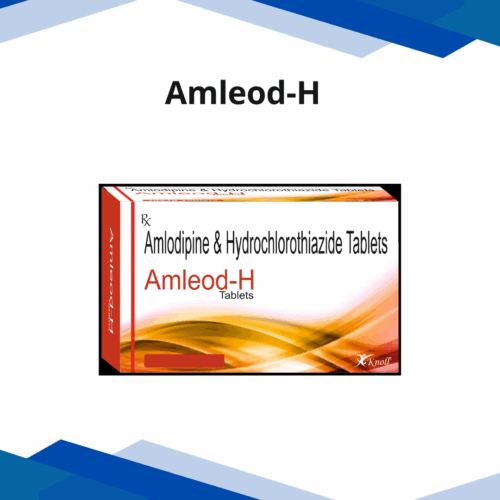
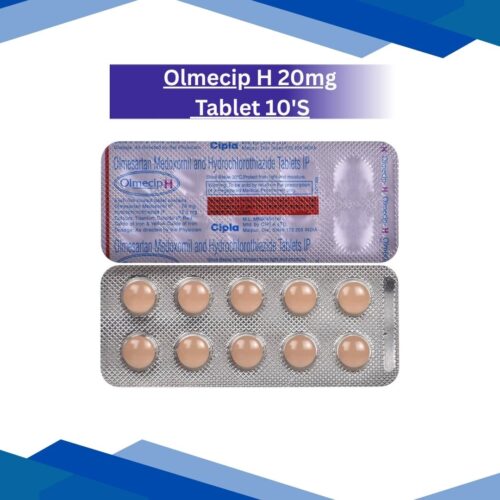
Olmecip H 20 mg Tablet 10’s