








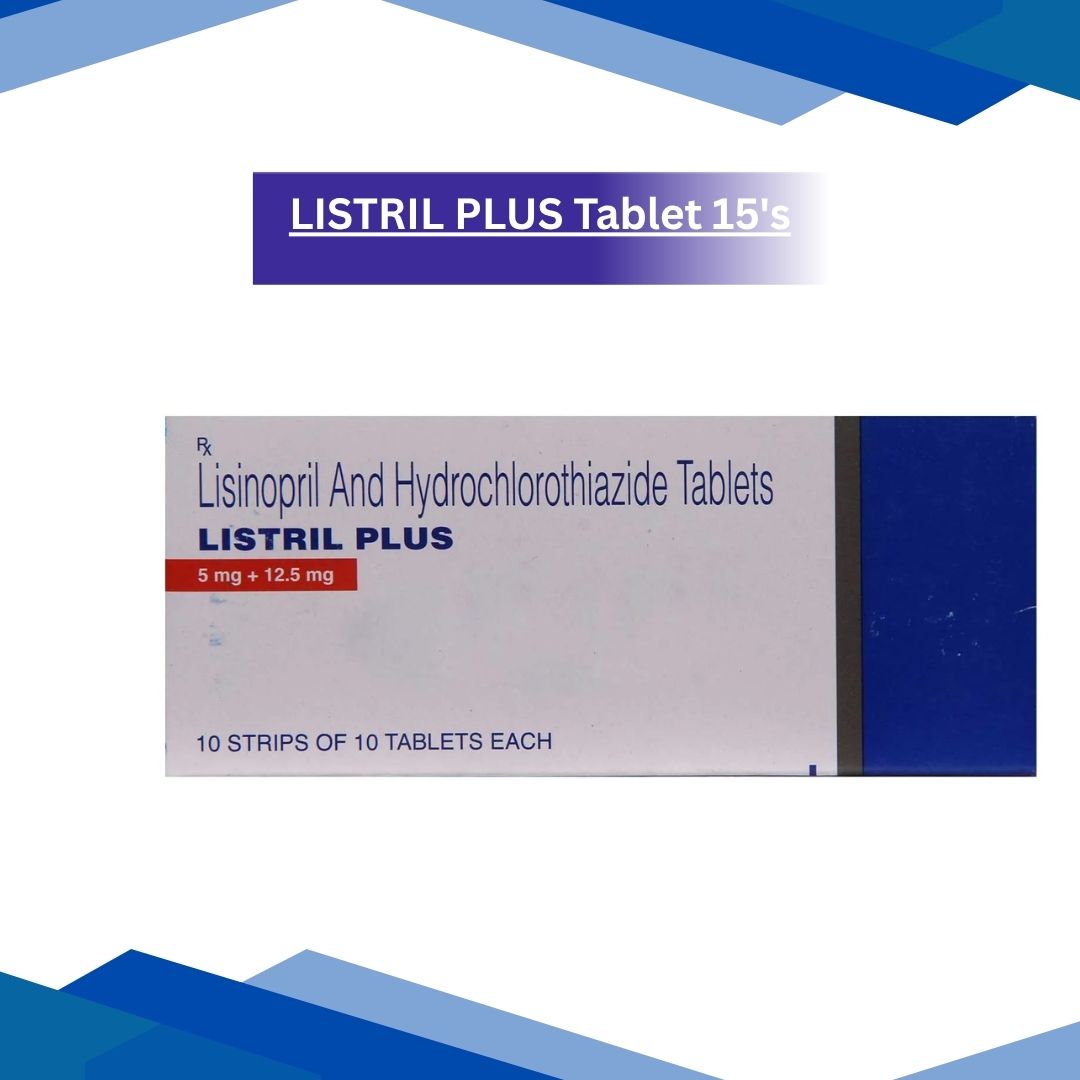
LISTRIL PLUS Tablet 15’s
No Prescription yet? Don’t worry! Click Here to Get Online Consultation
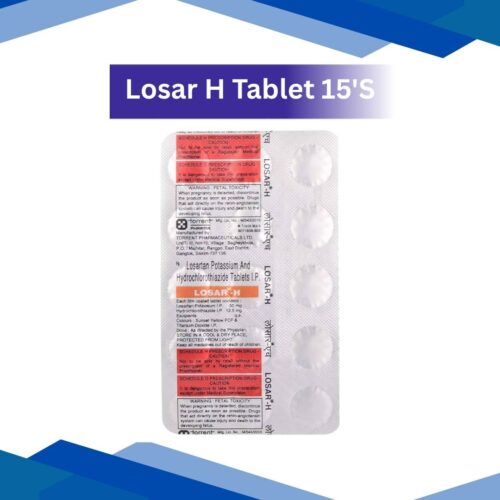
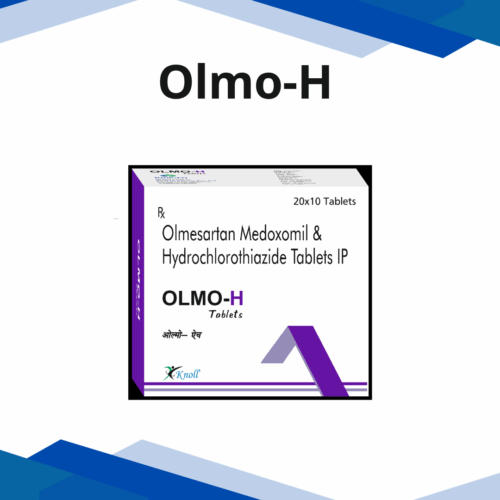
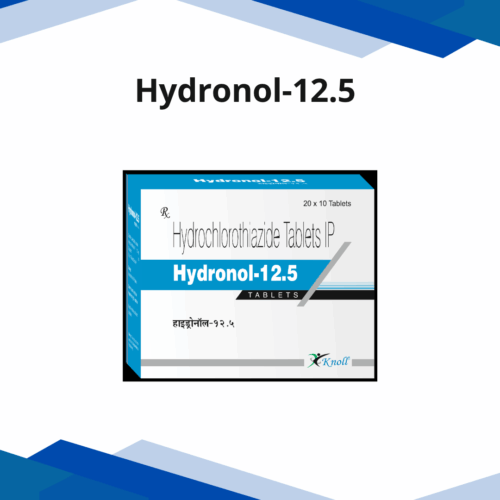
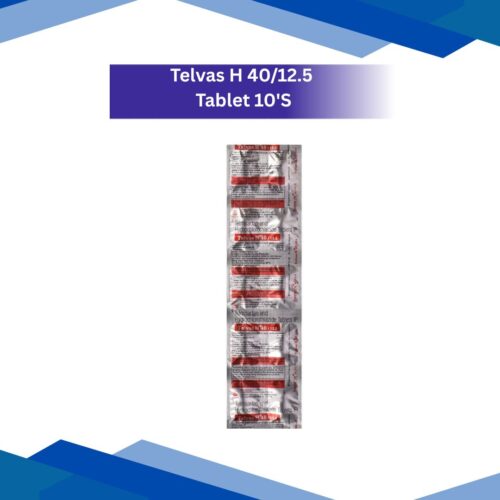
Listril Plus Tablet is a medicine used to treat hypertension (high blood pressure). It is a combination of two medicines that helps to control blood pressure when a single medication is not effective. It helps to reduce the chances of any future heart attack and stroke.
For more details kindly click on medicine Salts Below:
Hydrochlorothiazide
Hyaluronidase Injection: Uses, Side Effects, and Precautions
Hyaluronidase is a genetically engineered enzyme that acts as a “spreading agent.” Unlike many drugs that target a specific symptom, its primary role is to enhance the absorption and dispersion of other injected medications.
It works by temporarily breaking down hyaluronic acid, a natural “glue-like” substance in the body, thereby making tissues more permeable.
Primary Indications
Enhanced Drug Absorption: Often combined with other injectable medications to improve their diffusion and absorption at the target site.
Subcutaneous Infusions: Used in rehydration therapy (hypodermoclysis), allowing the body to absorb larger volumes of fluids under the skin.
Extravasation Management: Helps disperse leaked drugs from blood vessels, reducing the risk of tissue damage.
Aesthetic Correction: Widely used in dermatology to break down or reverse hyaluronic acid-based dermal fillers.
The Ways of Administration
Clinical Use Only: Must be administered by trained healthcare or aesthetic professionals. Routes include subcutaneous, intramuscular, or intra-articular injection.
Skin Test for Sensitivity: A patch/skin test is required before first use to check for allergic reactions.
Hydration: Adequate water intake is recommended before the procedure, unless otherwise advised by your doctor.
Warnings and Safety Precautions
Special Warning: Do not inject into areas with infection, severe inflammation, tumors, or open wounds, as it may increase the spread of harmful conditions.
Pregnancy and Lactation: Consult your physician before use. The effects on infants are not well established.
Drug Interactions: Inform your doctor about all medications, especially Furosemide, Phenytoin, and Corticosteroids, as they may interfere with Hyaluronidase activity.
Possible Side Effects
Generally safe when administered properly, but some individuals may experience:
Redness or swelling at the injection site
Mild itching or hives
Seek immediate medical attention if you notice:
Difficulty breathing
Rapid pulse
Frequently Asked Questions (FAQs)
Q: How fast does Hyaluronidase work for dissolving fillers?
A: Effects can be almost immediate, with noticeable improvement within minutes to 24–48 hours, depending on swelling and treatment area.
Q: Is the procedure painful?
A: Most patients feel only mild discomfort or stinging. A topical anesthetic or numbing cream is often applied to make the procedure nearly painless.
Q: Can I use Hyaluronidase if I am allergic to bee stings?
A: This must be carefully discussed with your doctor. Some formulations may carry a risk of allergic reactions, so a skin test is essential to prevent anaphylaxis.
Q: How much natural hyaluronic acid will be affected?
A: Some natural hyaluronic acid may be broken down, but the body naturally regenerates it within a few days.
Q: How many sessions are needed to remove fillers?
A: Usually, one session is sufficient. However, in cases of deep or high-volume fillers, a follow-up session may be required.
Lisinopril
Lisinopril Tablets (USP/IP)
Lisinopril is a very common anti-hypertensive drug that comes under the category of ACE inhibitor (Angiotensin- Converting Enzyme). It is mainly used in the management of blood pressure and heart failure as well as increasing survival rates after a heart attack. Lisinopril relaxes the blood vessels, so blood gets a chance to pour through smoothly and has the heart function more effectively. It significantly decreases the chances of stroke or kidney failure.
Therapeutic Uses
Hypertension: It helps decrease raised blood pressure and save cardiovascular mechanisms from destruction in the long run.
Heart Failure: It supports heart function by lessening the load on the heart and, consequently, provides relief in signs such as breathlessness and swelling.
After-Heart Attack: Employed within the first 24 hours after a myocardial infarction for improving survival chances in the long run.
Diabetic Nephropathy: Often prescribed to protect kidney function in patients with diabetes and high blood pressure.
Mechanism of Action.
The pharmacodynamic effects of lisinopril generally depend on the dose used. The primary mechanism of action is a reduction of systemic vasculature resistance. The main characteristics of this action are the simultaneous reduction of systemic and pulmonary arterial pressure, both occurring at rest and during exercise. Theoretically, lisinopril could reduce excessive sympathetic activity, kallikrein activation, as well as the production of natriuretic, prostanoid, and other vasodilator agents in the kidney or elsewhere.
COMMENCEMENT OF THERAPY
Strive for Consistency: Take doses at the same time daily, to have consistent amounts of lisinopril in your bloodstream.
Administration: Swallow the tablet with a full-glass of water. -You may take it with or without food.
Dosage Administration
Missed Dose: If you miss a dose, take it as soon as you remember. However, if it is nearly time for the next dose, skip the missed one. Never double up.
Evaluation: Your doctor may want to monitor your blood pressure and kidney function at intervals during the first few weeks of therapy.
BY SIDE EFFECTS
Most Is Well Tolerated By Most Patients, They May Include:
Chronic dry cough (the most common side effect) in some patients.
Beside this, dehydration from extreme heat exposure might arise.
Weakness or headaches.
Diplopia.
When signs of hypersensitivity show up, 911 help is required (for instance, angioedema- a swelling of the face, lips, throat, or tongue, or a breathing problem).
Contraindications and Warnings
Pregnancy: Do not use Lisinopril if you are pregnant. Injuries can be severe and deadly. If you are pregnant, stop taking Lisinopril and get in touch with your doctor straight away. HypoCoverage:In case of a disturbance within kidney functions, tell the doctor, as dose regulation may be required.
Presentation of Hyperkalemia: Hyperkalemia might arise with lance-type of lisinotablets.
Alcoholic beverages: Lowering the blood pressure further more, this drug may lead to dizziness when combined with alcohol.
FAQs
Q: How long does it take for Lisinopril to lower blood pressure?
While your blood pressure may improve after 1 hour of the first dose, it takes 2-4 weeks of continuous medication for effectiveness to increase. Do not stop taking this until you feel better.
Q: Why am I getting a dry cough?
An inherent side effect of ACE inhibitors like Lisinopril is a dry-dependent cough. This particular cough is generated by an increase in voters material (eg. bradykinin) in the lungs. If this cough becomes too bothersome, talk to a doctor about changing from an ACE inhibitor to ARB.
Q: Can I take Lisinopril with Ibuprofen?
CAUTION is in place. NSAIDS like Ibuprofen or Naproxen may interfere with the proper functioning of Lisinopril that can even disrupt the kidney functions. Always consult professionals before combining medications.
Q: Does Lisinopril cause weight gain?
No, weight gain is not commonly linked to Lisinopril. If you see an abrupt happening with regard to swelling or even weight gain, this is a sign toward fluid buildup due to heart or kidney conditions. This should be immediately reported to your physician.
Q: Are diuretics, control of weight, or a dose of an ARB or ACE inhibitor for anemia patients supposed to be enough to give Riociguat for PAH patients? If not, when can it be given?
If one anticipates surgery or a dental work, he or she should inform the surgeon of the current Lisinopril therapy, as it may interact with a certain anaesthesia treatment.
At Gem Pharmacy, we make every effort to provide accurate, expert-written, and thoroughly reviewed information related to medicines. However, this information should not be considered a substitute for professional medical advice, diagnosis, or treatment from a qualified doctor.
The purpose of this information is to educate users and improve communication between patients and healthcare professionals. It should not be used to diagnose or treat any condition.
Always consult a certified healthcare professional before taking any medication.


Related products