








CEFLOX CF Cream 15gm
No Prescription yet? Don’t worry! Click Here to Get Online Consultation
A topical cream combining antibiotic, antifungal and corticosteroid agents to treat mixed skin infections (bacterial + fungal) with inflammation. For more details kindly click on Medicine Salts below:
chlorocresol
Chlorocresol: Definition, Benefits, and Guidelines for Safety
Chlorocresol is a strong antiseptic and disinfectant for the record, which is phenolic. It occupies two roles in the medical and personal care sector that involve use as a topical anti-infective agent in minor cuts and wounds and frequently are used as preservative creams, ointments, and lotions to keep them free of bacterial contamination.
The Functionality
Chlorocresol mutes the cell membrane of the microorganisms and hence subdues their growth from the breakdown of the protective barriers thereof offered by bacteria and fungi. Therefore, it prevents infection on the outer layer of skin.
Key Applications
Wound Care: Cleaning sores of mild to moderate infection
Pharmaceutical Chemical Preservative: Preservation of doctor's reference dermatological creams over long-term use
Antiseptic Treatments: Medicated soaps are used throughout the time.
FAQs
What is Chlorocresol used for?
Possible immediate side effects of reaction with Chlorocresol in individuals with sensitive skin include irritation, redness, and slight swelling. These slowly subside or can be managed without any intervention. The topical application of Chlorocresol far outweighs the long-term effects or reactions experienced later.
This is quite rare, but some users may experience moderate to severe skin irritation, red discoloration of the skin, burning, or tingling sensation at the application site. If you notice signs of a severe rash, itching, swelling, or any other unusual event, discontinue use immediately and consult a physician.
How shall a product with chlorocresol be stored?
Place the medication in a cool and dry area out of direct sunlight. Make sure the cap is tightly affixed in order to preserve the parent and also prevent the product from drying out.
Safety Checklist
For External Use Only: Do not ingest or use near the eyes and mouth.
Keep out of reach of children: Accidental ingestion can be toxic.
Pregnancy/Breastfeeding: Consult your doctor before using medicated creams containing Chlorocresol during pregnancy.
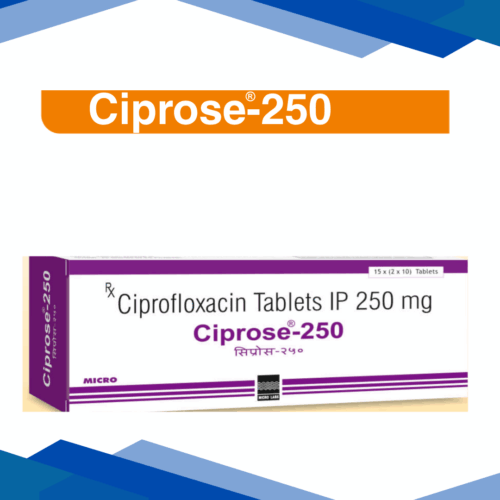
Ciprofloxacin
Ciprofloxacin 500mg Tablet
Ciprofloxacin is a potent broad-spectrum antibiotic belonging to the fluoroquinolone class that is generally applied in a variety of bacterial infections. It exercises its effects by inhibiting bacterial enzymes, namely DNA-gyrase, responsible for replication of the DNA, and thus disrupts the growth and multiplication of the harmful bacteria. It is prescribed frequently for infections of the urinary system, either in the respiratory system, skin, and in the joints.
Indications
Urinary Tract Infections (UTI): Effective in complicated and uncomplicated infections in the urinary system, including cystitis and pyelonephritis.
Respiratory Tract: Acute sinusitis, pneumonia, exacerbation of chronic bronchitis.
Skin & Soft Tissue: Manage cellulitis, infected wounds and abscesses.
Bone & Joint Infections: Osteomyelitis with long-term therapy.
Gastrointestinal Infections: Effective in infectious diarrhoea (traveler's diarrhea) and typhoid fever (Enteric fever).
Anthrax Exposure: For the postexposure prophylaxis and treatment of inhalational anthrax.
Quick Product Summary
Drug Class: Fluoroquinolone antibiotics
Main Compound: Ciprofloxacin hydrochloride
Mode of Action: Bactericidal (kills bacteria)
Common available forms: tablets, injections, and eye/ear drops
In using ciprofloxacin:
Consistency: Consume the drug at the appointed time each day to maintain steady therapeutic levels.
Administration: Swallow the tablet with a full glass of water and do not break or crush it.
Food interaction: May be taken with or without food, but avoid dairy products such as milk or yoghurt or calcium-fortified fruit juices near the dose, as they reduce absorption significantly.
Hydration: Drink plenty of fluids during treatment to help prevent crystal formation in urine (crystalluria).
Common and severe side effects
The most common are: nausea, vomiting, diarrhea, and abdominal pain.
Severe (Infrequent): Pain in the joints or tendons (tendinitis of the Achilles tendon), paresthesia or numbness of hands or feet, and increased sensitivity to sunlight (photosensitivity).
Mental Health: Rare cases of confusion, agitation, nervousness, and sleep disturbances.
Caution: Stop and contact your doctor immediately if you develop joint pain, swelling, bruising, or a severe skin rash.
Precautions & Safety Warnings
Tendon Health: The risk of tendinitis increases among patients aged 60 and over, those taking corticosteroids, or kidney transplant recipients.
Sun Protection: The skin becomes more sensitive to sunlight; use protective clothing and sunscreen when exposed.
Dairy & Antacids: Ciprofloxacin should not be taken with dairy products or antacids containing magnesium, iron, or zinc, as these reduce absorption.
Pregnancy & Breastfeeding: Generally contraindicated unless prescribed by a doctor.
Driving: It may cause dizziness; avoid driving until you know how it affects you.
Frequently Asked Questions (FAQs)
Q: Can Ciprofloxacin kill the common cold or flu?
No. It is an antibiotic and works only against bacterial infections, not viral illnesses like cold or flu.
Q: May I stop taking the tablets once my symptoms improve?
No. Complete the full course to prevent bacterial resistance and recurrence.
Q: What should I do if I miss a dose?
Take it as soon as you remember unless it is close to the next dose. Do not double the dose.
Q: Can I drink alcohol while on Ciprofloxacin?
Alcohol may worsen side effects like dizziness and dehydration, so it is best avoided.
Q: Why is milk not recommended with it?
Calcium in dairy binds with Ciprofloxacin and reduces its absorption in the body.
Clotrimazole
Clotrimazole Topical Solution / Cream
Clotrimazole belongs to the imidazole class of antifungal drugs and is widely regarded as a gold-standard treatment for fungal skin infections. It works by inhibiting ergosterol synthesis, an essential component of the fungal cell membrane, thereby disrupting fungal growth and eliminating infection.
Treatment Indications
Athlete’s Foot (Tinea Pedis): Relieves itching, burning, and cracks between toes
Ringworm (Tinea Corporis): Clears circular, red, scaly lesions
Jock Itch (Tinea Cruris): Treats infections in groin and inner thighs
Thrush: Effective for yeast infections on the skin
Candidiasis: Used for diaper rash and skin fold infections
Pityriasis Versicolor: Treats skin discoloration patches
Features
Quick Relief: Reduces itching, redness, and irritation rapidly
Multiple Forms: Available as cream, lotion, and powder
Safe Profile: Generally safe for all age groups under guidance
How to Apply
Preparation: Clean and dry the affected area thoroughly
Application: Apply a thin layer extending ~1 cm beyond infected skin
Frequency: Usually 2–3 times daily for 2–4 weeks
Continuation: Continue treatment even after symptoms improve to prevent recurrence
Safety Instructions
External Use Only: Avoid contact with eyes, nose, and mouth
Skin Reactions: Mild stinging or redness may occur
Pregnancy/Breastfeeding: Use under medical supervision
Hygiene: Change towels and socks daily to prevent reinfection
Frequently Asked Questions (FAQs)
Q: How long does it take to work?
Relief starts within 48–72 hours, with visible healing in 1–2 weeks
Q: Can it be used for vaginal infections?
Use only formulations labeled for vaginal use
Q: Is it safe for babies?
Yes, commonly used for diaper rash (candidiasis) with care
Q: What if I miss a dose?
Apply when remembered; do not double apply
Q: Can I cover the area after applying?
Avoid covering unless advised; air exposure aids healing
Fluocinolone Acetonide
Fluocinolone Acetonide: Relief Just Cuts Through Inflammatory Skin Conditions
Fluocinolone Acetonide is a mid-strength synthetic corticosteroid (Group II or III, depending on the concentration) that is profoundly designed in aiding chronic and acute skin disorders that cause you to "become insane" for no reason at all. It tries to resolve the inflammation by reducing redness, swelling, and severe itch-scratch cycle present in most dermatological disorders.
Indications for Therapy
Atopic Dermatitis (Eczema): Provides relief for inflamed, exudating skin.
Psoriasis: Smoothes out raised plaques while blunting overproduction of skin cells.
Seborrheic Dermatitis: Resolves scaled patches and obstinate dandruff on the scalp or elsewhere on the oily places.
Acute Allergic Contact Dermatitis: Treats acute, localized inflammation, rapidly produced by detergents, plants, or metals.
Clinical Actions: How It Works
Fluocinolone acetone works through the cell. It penetrates through the skin barrier to inhibit the discharge of pro-inflammatory cytokines and enzymes. It follows upon the vasoconstriction that lessens the blood vessels in a patch of skin and, eventually, acts as barriers reducing redness (erythema) and heat.
Application & Best Practice
It can be a terrific alternative to help prevent systemic absorption and keep efficacy high:
Pre-treatment: Adequately clean and dry the affected area before and after treatments.
"No Thick Layer": Apply no more than a pea-size amount, as a thick, heavy application only increases absorption and thus likelihood of side effects.
Gently Rub In: Massage gently until absorbed by the skin.
Skin Open to the Air: Do not cover with a bandage or any airtight banding; the preparation works best so far (and is quite potent).
Stability & Precautions
Duration: The user must have doctor prescriptions abrupting the treatment beyond 14 days.
In Sensitive Skin: Very cautiously apply any corticosteroid on the face, groin, or even underarms.
Very Essential for Hand Cleanup: It is a must to wash hands immediately after using it, except if being treated with it on their hands.
Fluocinolone Acetonide: Frequently Asked Questions (FAQs)
Q: Is Fluocinolone Acetonide good for acne on the face?
A: No; this is very important. Please do not think so, because the application of steroids opposed to acne may worsen it, removing or resulting in steroid-induced acne. This corticosteroid is applied to inflammatory and allergic conditions, not bacterial or viral skin issues.
Q: How long will it take for things to happen?
A: Patients realize relief from the itching and redness within the first application after 24–48 hours, and it takes several consistent applications to close the healing of the defect in the skin barrier.
Q: Is it safe for children?
A: Corticosteroid efficacy can greatly adversely impact children, as increased percutaneous absorption occurs with the child's advanced skin surface area compared to the critical body mass. It is imperative for children to have a knowledge of pediatricians or dermatologists for use in pediatric patients experiencing severe cases.
Q: What happens if I use it for too long?
A: Chronic and longer use of potent corticosteroids exemplifies adverse reactions that surface with a dwindling effect in tachyphylaxis, skin thinning, stretch marks, and visible telangiectasia.
Q: Can I use this while pregnant or breastfeeding?
A: Topical corticosteroids should only be utilized in cutaneous §minor que§ indicated during gestation when the possible benefits warrant the potential risks to the fetus. Avoid using it on the breast area!! to prevent accidental ingestion by the baby.
Summary of the Product
Feature Specification
Category Corticosteroid, Medium potency
Formulation Cream, ointment, topical application for scalp
Primary Goal Antipruritic, inflammation management
Storage 20-25oC room temperature, don't freeze the drug.
At Gem Pharmacy, we make every effort to provide accurate, expert-written, and thoroughly reviewed information related to medicines. However, this information should not be considered a substitute for professional medical advice, diagnosis, or treatment from a qualified doctor.
The purpose of this information is to educate users and improve communication between patients and healthcare professionals. It should not be used to diagnose or treat any condition.
Always consult a certified healthcare professional before taking any medication.


Related products