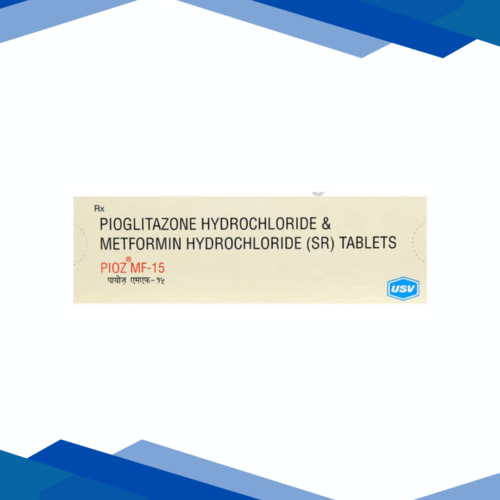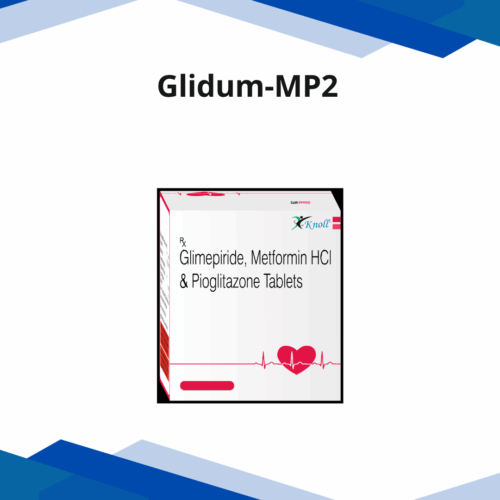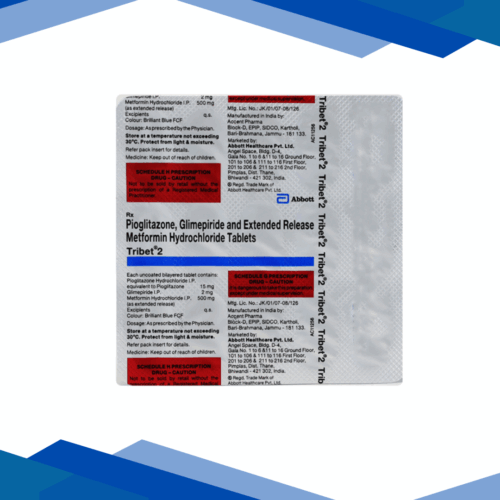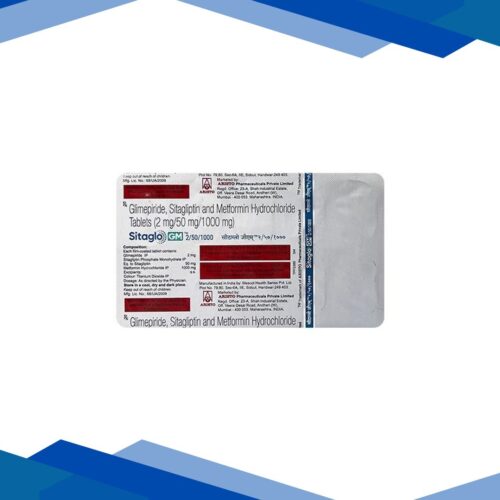



New Triclazone 80
No Prescription yet? Don’t worry! Click Here to Get Online Consultation
New Triclazone 80 Tablet is an anti-diabetic medicine that is used to treat type 2 diabetes mellitus. It helps control blood sugar levels in adults with diabetes. For more details kindly click on Medicine Salts below:
Gliclazide
Gliclazide: Effective Control for Type 2 Diabetes
Gliclazide is a potent oral hypoglycemic agent belonging to the second-generation sulfonylurea class. It is a cornerstone in the management of non-insulin-dependent diabetes mellitus (Type 2 Diabetes), specifically designed for adults whose blood sugar levels cannot be controlled by diet, exercise, and weight loss alone.
Therapeutic Benefits & Uses
- Blood Sugar Regulation: Effectively lowers blood glucose levels by stimulating the natural release of insulin.
- HbA1c Reduction: Helps in achieving long-term glycemic control, significantly reducing the risk of diabetes-related complications.
- Vascular Protection: Unique properties of Gliclazide help in reducing the risk of small blood vessel complications (microvascular disease) affecting the eyes and kidneys.
- Post-Meal Control: Specifically targets "spikes" in blood sugar that occur immediately after eating.
How Gliclazide Works
Gliclazide acts as an "insulin secretagogue." It works by binding to specific receptors on the beta cells of the pancreas. This binding triggers a series of cellular events that result in the release of stored insulin into the bloodstream. By increasing the body's available insulin, it helps cells absorb glucose more efficiently, thereby lowering the overall sugar levels in the blood.
Expert Administration Tips
- The Breakfast Rule: For optimal results and to minimize the risk of low blood sugar during the day, it is generally recommended to take Gliclazide with your first main meal (usually breakfast).
- Don't Skip Meals: Since this medication prompts your body to release insulin, skipping a meal after taking the dose can lead to a dangerous drop in blood sugar.
- Swallow Whole: If you are prescribed the "Modified Release" (MR) or "Extended Release" version, do not crush, chew, or break the tablet.
- Consistency: Take your dose at the same time every day to maintain a steady metabolic rhythm.
Gliclazide: Frequently Asked Questions (FAQs)
Q: Is Gliclazide the same as Metformin?
A: No, they belong to different drug classes. While Metformin improves how your body responds to insulin and reduces sugar production in the liver, Gliclazide works by actively stimulating your pancreas to produce more insulin. They are often prescribed together for a synergistic effect.
Q: Can Gliclazide cause weight gain?
A: Like many sulfonylureas, Gliclazide may cause modest weight gain in some patients. This is often due to the increased efficiency of insulin in the body. Maintaining a balanced diet and regular exercise can help manage this.
Q: What should I do if I experience "hypo" (low blood sugar) symptoms?
A: If you feel shaky, sweaty, dizzy, or confused, consume 15g of fast-acting sugar immediately (like glucose tablets, a half-cup of fruit juice, or regular soda). Always carry a source of sugar with you while on Gliclazide therapy.
Q: How long does Gliclazide take to work?
A: You may see an improvement in your blood sugar readings within a few days, but the full therapeutic benefit for your HbA1c levels is typically assessed after 2–3 months of consistent use.
Q: Can I drink alcohol while taking Gliclazide?
A: It is best to limit or avoid alcohol. Alcohol can mask the symptoms of low blood sugar and, in rare cases, can interact with Gliclazide to cause a "disulfiram-like" reaction (flushing, nausea, and rapid heartbeat).
Safety & Side Effects Profile
Possible Side Effect – Frequency – Recommended Action
- Hypoglycemia – Common → Treat with sugar; adjust diet/exercise.
- Indigestion/Nausea – Occasional → Take the dose with food to soothe the stomach.
- Dizziness – Occasional → Avoid driving until you know how the drug affects you.
- Skin Rash – Rare → Consult your doctor immediately; could be an allergy.
- Yellowing of Eyes/Skin – Very Rare → Seek urgent medical attention (potential liver issue).
Precaution
Inform your doctor if you have a history of "G6PD deficiency," as Gliclazide can cause hemolytic anemia in such cases. Always keep your healthcare provider updated on your kidney and liver health.
Metformin Hydrochloride
Metformin Hydrochloride Tablet
Metformin Hydrochloride is the most frequently bestowed as an initial monotherapy for Type 2 Diabetes Mellitus and belongs to the category of Biguanides (antidiabetics). Unlike several other antidiabetic agents, Metformin does not merely “add” insulin; it helps the body use insulin more effectively and reduces the release of glucose from the liver into the bloodstream.
Working
Decreasing Glucose Formation: Slows down the production of new glucose in the liver.
Boosting Insulin Sensitivity: Enhances the responsiveness of muscles and fat tissues to insulin, improving glucose uptake from blood.
Inhibiting Absorption: Delays intestinal absorption of glucose after meals, helping prevent sudden sugar spikes.
Advantages
Blood Sugar Monitoring: Effectively reduces HbA1c levels over time.
Weight Neutrality: Unlike some medications that cause weight gain, Metformin may lead to modest weight loss or remain weight-neutral.
Heart Protection: Long-term use may reduce cardiovascular risks in diabetic patients.
Polycystic Ovary Syndrome (PCOS): Often used off-label to regulate menstrual cycles and improve fertility.
Usage and Dosage Recommendations
Take with Food: Always take the medication with or after meals to reduce gastrointestinal side effects.
Swallow Whole: Especially for Sustained Release (SR) or Extended Release (ER) tablets—do not crush, chew, or break.
Consistency is Key: Take it at the same time daily to maintain stable blood levels.
Critical Considerations
Warning: Lactic Acidosis
Though rare, lactic acidosis is a serious condition, more likely in people with severe kidney impairment. Seek medical attention if you experience muscle pain, breathing difficulty, or unusual drowsiness.
Alcohol: Limit alcohol intake, as it may increase the risk of lactic acidosis or hypoglycemia.
Kidney Health: Regular monitoring of kidney function (Creatinine/eGFR) is essential during treatment.
Side Effects of Metformin
Most side effects are temporary and improve within a few weeks:
Diarrhea or loose stools
Nausea or vomiting
Metallic taste in the mouth
Abdominal bloating or gas
Note: Starting with a low dose and gradually increasing helps reduce these effects.
Frequently Asked Questions (FAQs)
Q: Will Metformin cause hypoglycemia?
A: The risk is low, as Metformin does not increase insulin production. However, hypoglycemia may occur when combined with insulin or sulfonylureas.
Q: Can I stop Metformin if my blood sugar is normal?
A: No. Metformin controls diabetes but does not cure it. Stopping suddenly may cause blood sugar levels to rise. Always consult your doctor.
Q: Can Metformin cause Vitamin B12 deficiency?
A: Yes, long-term use may reduce Vitamin B12 absorption. Watch for fatigue or tingling sensations and consult your doctor about supplementation.
Q: Why do I see a “shell” of the tablet in my stool?
A: This is normal with Extended Release (ER) tablets. The outer shell may pass intact after the medicine has been absorbed.
Q: Is it safe during pregnancy?
A: Generally considered safe when prescribed, especially for gestational diabetes or PCOS. Always consult your healthcare provider before use.
Pioglitazone
Pioglitazone: Exposition, Applications, and Side Effects
Pioglitazone is an oral antidiabetic drug belonging to the Thiazolidinedione (TZD) drug class. It is mainly used for controlling blood sugar levels in adults with Type 2 Diabetes Mellitus. It improves the efficiency of glucose processing by enhancing the sensitivity of the body towards insulin and regulates carbohydrates in terms of insulin action.
Benefits
Increase Insulin Sensitivity – Raises insulin sensitivity in muscle, fat, and liver tissues, thus allowing cells to use the insulin.
Regulates Glucose Production – Reduces sugar generation in the liver.
Long-Term Management along with Its Prevention – Offsets potential developments in diabetic disease complications, such as kidney disease, neuropathy, and vision loss.
How to take Pioglitazone
Dosage: Usually taken once a day. Follow your health care provider's instructions strictly.
Timing: It can be taken with a meal or on an empty stomach; however, it is advisable for the sake of stability that the intake should be consistent.
Administer: Consume the tablet whole with a glass of water. Do not break, cut, or chew it.
I forgot my dose: Take the prompt dose; take it when you realize, but double dosing is harmful.
Common Adverse Effects
Pioglitazone exhibits the least prejudice in general, but some patients may experience the following:
Upper Respiratory Tract Infection: Signs of cold or sore throat.
Headache and Muscle Pain: Discomfort in general or in a specific site.
Weight Management: Weight gain is often observed due to better glucose storage and/or fluid retention.
Edema: Swelling in legs, ankles, or feet.
Important: If you observe blood in your urine, difficulty breathing, or discoloration of your skin/eyes surface, consult your doctor right away.
First Aid Tips & Cautions
Category
Instructions
Alcohol
Consult your doctor. Alcohol use can increase the chances of hypoglycemia.
Pregnancy
Not advised. Generally, never used unless absolutely necessary. Discuss other medications with your physician.
Breastfeeding
Use caution. Consult with your doctor as it can pass into breast milk when ingested.
Driving
Driving is safe but... Avoid driving if you experience trouble with blurred vision or have vertigo.
Kidney/Liver
Monitor closely. Patients require regular liver enzyme and kidney function monitoring.
FAQs
Q: Is weight gain possible with the use of Pioglitazone?
A: Yes, weight gain is one of the most common side effects. This may be linked to fat loss or fluid retention in the body.
Q: How long will it take for Pioglitazone to take effect?
A2: Although there can be some change in 2 weeks, it may take up to 2–3 months of consistent use for control of sugars.
Q: Is Pioglitazone dose to be stopped if my blood sugars are normal?
A: No, diabetes is a chronic condition and does not have a cure. The discontinuation of the medication without the advice of a doctor will result in the sugars shooting. Consult your doctor.
At Gem Pharmacy, we make every effort to provide accurate, expert-written, and thoroughly reviewed information related to medicines. However, this information should not be considered a substitute for professional medical advice, diagnosis, or treatment from a qualified doctor.
The purpose of this information is to educate users and improve communication between patients and healthcare professionals. It should not be used to diagnose or treat any condition.
Always consult a certified healthcare professional before taking any medication.


Related products