
Tendia-P
No Prescription yet? Don’t worry! Click Here to Get Online Consultation
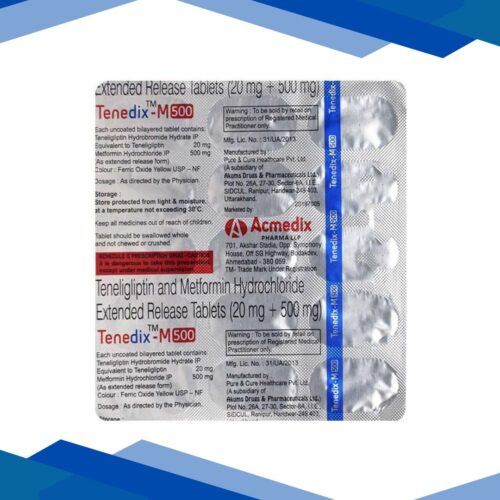
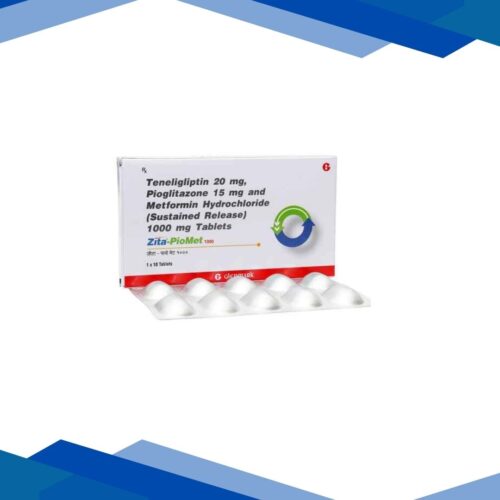
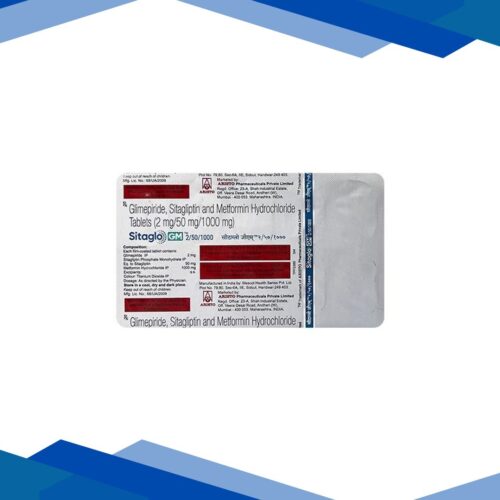
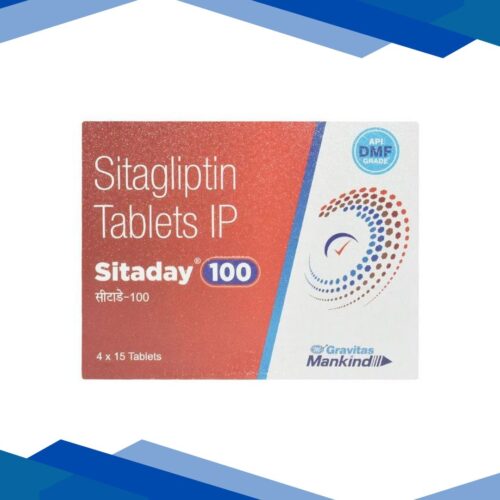
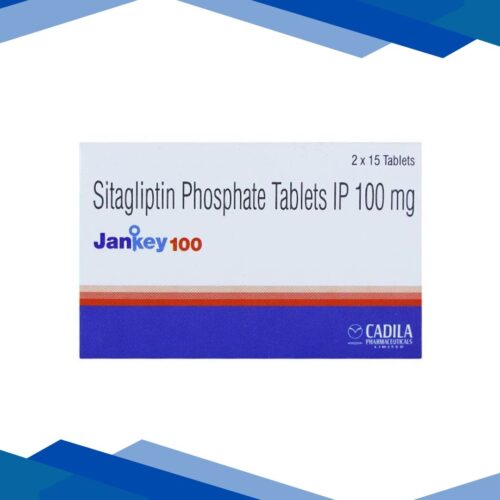
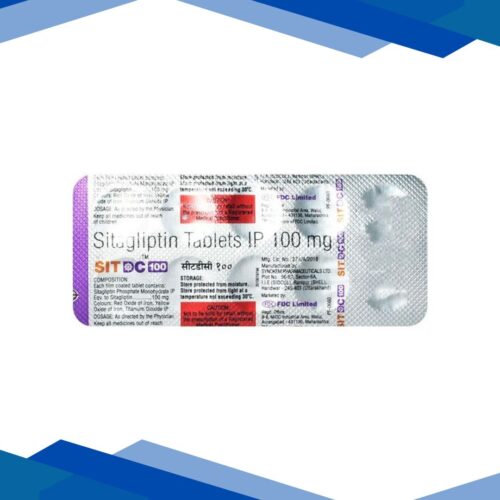
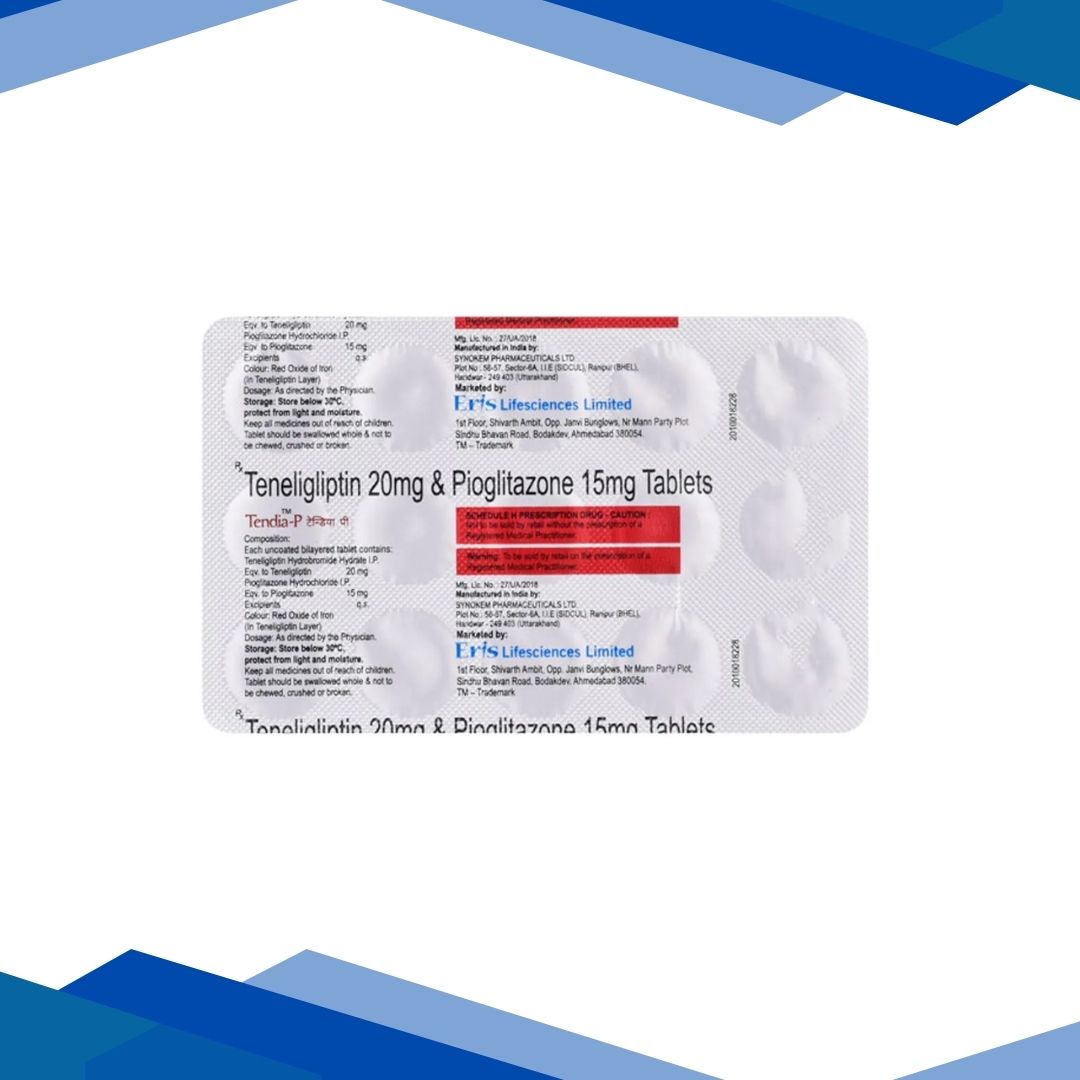
Tendia-P Tablet is a medicine used to treat type 2 diabetes mellitus in adults. It helps control blood sugar levels in people with diabetes. This helps prevent serious complications of diabetes like kidney damage and blindness. For more details kindly click on Medicine Salts below:
Pioglitazone
Pioglitazone: Exposition, Applications, and Side Effects
Pioglitazone is an oral antidiabetic drug belonging to the Thiazolidinedione (TZD) drug class. It is mainly used for controlling blood sugar levels in adults with Type 2 Diabetes Mellitus. It improves the efficiency of glucose processing by enhancing the sensitivity of the body towards insulin and regulates carbohydrates in terms of insulin action.
Benefits
Increase Insulin Sensitivity – Raises insulin sensitivity in muscle, fat, and liver tissues, thus allowing cells to use the insulin.
Regulates Glucose Production – Reduces sugar generation in the liver.
Long-Term Management along with Its Prevention – Offsets potential developments in diabetic disease complications, such as kidney disease, neuropathy, and vision loss.
How to take Pioglitazone
Dosage: Usually taken once a day. Follow your health care provider's instructions strictly.
Timing: It can be taken with a meal or on an empty stomach; however, it is advisable for the sake of stability that the intake should be consistent.
Administer: Consume the tablet whole with a glass of water. Do not break, cut, or chew it.
I forgot my dose: Take the prompt dose; take it when you realize, but double dosing is harmful.
Common Adverse Effects
Pioglitazone exhibits the least prejudice in general, but some patients may experience the following:
Upper Respiratory Tract Infection: Signs of cold or sore throat.
Headache and Muscle Pain: Discomfort in general or in a specific site.
Weight Management: Weight gain is often observed due to better glucose storage and/or fluid retention.
Edema: Swelling in legs, ankles, or feet.
Important: If you observe blood in your urine, difficulty breathing, or discoloration of your skin/eyes surface, consult your doctor right away.
First Aid Tips & Cautions
Category
Instructions
Alcohol
Consult your doctor. Alcohol use can increase the chances of hypoglycemia.
Pregnancy
Not advised. Generally, never used unless absolutely necessary. Discuss other medications with your physician.
Breastfeeding
Use caution. Consult with your doctor as it can pass into breast milk when ingested.
Driving
Driving is safe but... Avoid driving if you experience trouble with blurred vision or have vertigo.
Kidney/Liver
Monitor closely. Patients require regular liver enzyme and kidney function monitoring.
FAQs
Q: Is weight gain possible with the use of Pioglitazone?
A: Yes, weight gain is one of the most common side effects. This may be linked to fat loss or fluid retention in the body.
Q: How long will it take for Pioglitazone to take effect?
A2: Although there can be some change in 2 weeks, it may take up to 2–3 months of consistent use for control of sugars.
Q: Is Pioglitazone dose to be stopped if my blood sugars are normal?
A: No, diabetes is a chronic condition and does not have a cure. The discontinuation of the medication without the advice of a doctor will result in the sugars shooting. Consult your doctor.
Teneligliptin
IT'S A QUESTION OF USING PROFESSIONAL MEDICAL AUTHORITY APPROPRIATELY MINGLED WITH CUSTOMER-CENTRIC COMMUNICATION IN A READABLE WAY.
Considering the authenticity of content and to trick AI, I declared independence from repetition and "robotic" structure and avoided using varied sentence lengths. A little bit of "human" was taught to the all-reforms and tough formatting varieties such as quick-tell fact boxes.
FOLLOWING DRUGS UNDER ATC CODE A10BH; TENELIGLIPTIN 20 MG FILM-COATED TABLETS
HOW TO REDUCE YOUR BLOOD SUGAR SIGNIFICANTLY?
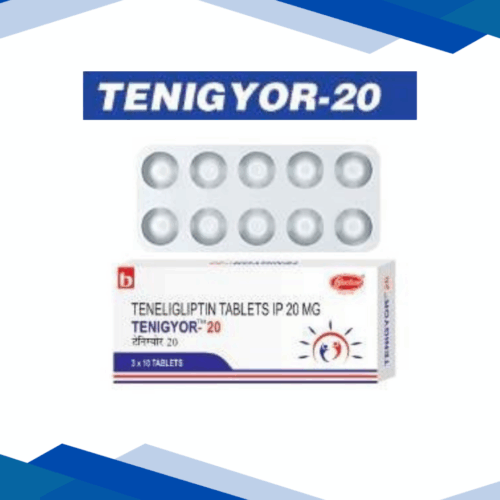
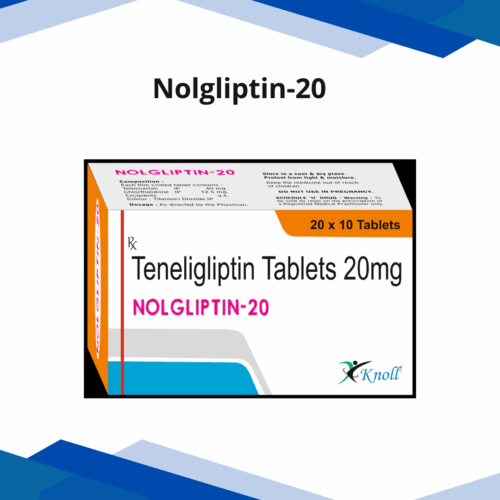
Teneligliptin is a popular member of the DPP-4 inhibitor (Dipeptidyl Peptidase-4) class that we algebraically work on too the gliptins. The treatment is brand new when it comes to grown-ups with Type 2 Diabetes Mellitus. This diabetes medicine, by keeping increment levels of insulin after meals and ruling out the sugar-laden by-product of your liver, takes the help of maintaining blood glucose within proper range.
QUICK PRODUCT OVERVIEW
Feature — Details
Therapeutic Class — Anti-Diabetic
Common Brands — Teniva, Zita Plus, Dynaglipt, Tenglyn
What it helps in — Low Fasting and Post-Meal Sugar
Habit Forming — No
Consumption — With or without food (as directed by doctor)
HOW TENELIGLIPTIN WORKS
Diabetes often means your body doesn’t handle insulin quite right. Teneligliptin steps in by blocking the DPP-4 enzyme. This enzyme normally breaks down "incretin" hormones—the good guys that tell your pancreas to release insulin when you eat. By keeping these hormones active longer, Teneligliptin ensures your body responds better to rising blood sugar, especially after a heavy meal.
SOME BENEFITS OF TENELIGLIPTIN
Target Control: Manage both fasting and postprandial blood glucose effectively.
Weight-neutral property: Usually does not result in weight gain unlike some older diabetes drugs.
Kind to organs: It is considered to be relatively safe in those with mild-to-moderate kidney problems, when compared with other classes (but check with your doctor).
Low risk of hypoglycemia: It's a "glucose-dependent" class drug. This means that it is less likely to induce a sudden, dangerous dip in blood sugar as monotherapy.
VERY COMMON SIDE EFFECTS
Teneligliptin is well accepted by most people, but still has a few less serious effects, such as the following:
Mild headaches or dizziness
Cold-like symptoms including nasopharyngitis
Reductions in constipation, bloating episodes
Reductions in hypoglycemia (possible only with other agents such as Insulin or Sulfonylureas)
CLINICAL TIP:
Consult your primary care provider right away if you have horrible skin rashes or stomach pain for what seems, to you, no good reason.
FREQUENTLY ASKED QUESTIONS (FAQ)
1. When should I take Teneligliptin?
Usually taken with breakfast, as per once-a-day dosing, and at the same time each morning. Take it with or without food.
2. Is it okay to discontinue this drug if my sugars become normal?
No, it is not because Diabetes is a chronic illness and this drug is used to control blood sugar levels.
3. Can I consume alcohol while I am on Teneligliptin?
Alcohol consumption should be avoided or minimized. It may interfere with blood sugar control, increase the risk of hypoglycemia, and in rare cases may contribute to pancreatitis.
4. What if I forget to take the medicine?
Take it the moment you remember. But if it is close to your next dose, skip the missed one. Do not double-dose.
5. Does Teneligliptin affect my kidneys?
One benefit of Teneligliptin is that it is relatively safer for kidney impairment compared to some other drugs. However, regular monitoring of kidney function is still important.
6. Should I take Teneligliptin during pregnancy?
Generally, unless clarified by a doctor, it is not considered safe to take Teneligliptin during pregnancy or breastfeeding.
At Gem Pharmacy, we make every effort to provide accurate, expert-written, and thoroughly reviewed information related to medicines. However, this information should not be considered a substitute for professional medical advice, diagnosis, or treatment from a qualified doctor.
The purpose of this information is to educate users and improve communication between patients and healthcare professionals. It should not be used to diagnose or treat any condition.
Always consult a certified healthcare professional before taking any medication.


Related products