

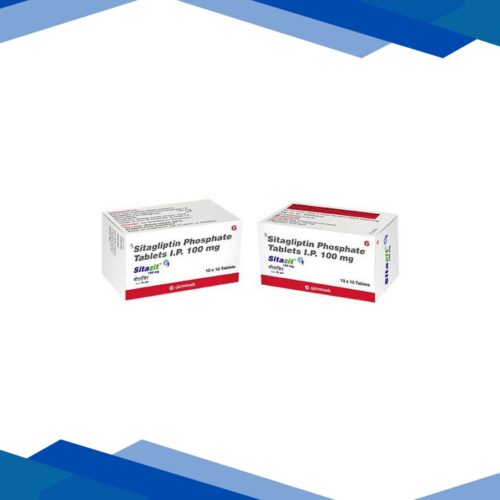

EMPANEO 25 Tablet 10’s
No Prescription yet? Don’t worry! Click Here to Get Online Consultation
Empaneo 25 Tablet (strip of 10) is an antidiabetic medicine used in type 2 diabetes to lower blood sugar by promoting glucose removal via the kidneys. For more details kindly click on Medicine Salts below:
Empagliflozin
Empagliflozin - Uses, Side Effects, Dosage
Empagliflozin is a medicine indicated for treating patients with Type 2 Diabetes. It belongs to the new SGLT-2 inhibitors class. Unlike older medications that work by making the kidneys remove wastes from the blood, Empagliflozin helps the kidneys remove excess sugar from the blood, preventing its reabsorption. Doctors may also recommend it to reduce cardiovascular risks in patients with existing heart disease and to manage chronic kidney disease and heart failure.
How It Works
Upon taking Empagliflozin, glucose is excreted in urine before it enters the bloodstream. Unlike some antidiabetic drugs, it does not rely on the pancreas and does not stimulate insulin secretion. This process can also contribute to weight loss as excess glucose leaves the body.
Quick Facts Table
| Feature | Details |
|---|---|
| Drug Class | SGLT-2 Inhibitor |
| Primary Use | Type 2 Diabetes, Heart Failure, Chronic Kidney Disease |
| Common Brands | Jardiance, Gibtulio, Empaxa |
| Best Time to Take | Once daily, usually in the morning |
| Food Intake | Can be taken with or without food |
Common Side Effects
Among side effects due to glucose in urine, most people tolerate Empagliflozin well:
- Frequency of urination: May urinate more often; maintaining good hydration is important.
- Genital yeast infections: Some may experience irritation; contact a doctor if symptoms persist.
- Diabetic ketoacidosis (rare): Watch for severe stomach pain, vomiting, or a “fruity” breath odor.
Frequently Asked Questions (FAQs)
1. Can I take Empagliflozin if I have Type 1 Diabetes?
No. It is specifically indicated for Type 2 Diabetes and can increase the risk of diabetic ketoacidosis in Type 1 patients.
2. How long does it take for Empagliflozin to start working?
Blood sugar starts lowering within 1 to 2 hours, but full benefits for heart and kidney protection may take several weeks.
3. Does this drug induce weight loss?
Yes, some patients experience weight loss due to calorie loss from glucose excretion in urine.
4. What do I do if I miss a dose?
Take the missed pill as soon as you remember. Do not double dose to compensate.
5. Do I need to maintain a specific diet?
Follow your nutritionist’s dietary plan, drink plenty of fluids, and use alcohol with caution to avoid hypoglycemia or ketoacidosis.
6. Can I take it during pregnancy?
Empagliflozin is rarely used during the second or third trimester due to potential effects on the baby’s kidney development. Always consult an obstetrician before use.
At Gem Pharmacy, we make every effort to provide accurate, expert-written, and thoroughly reviewed information related to medicines. However, this information should not be considered a substitute for professional medical advice, diagnosis, or treatment from a qualified doctor.
The purpose of this information is to educate users and improve communication between patients and healthcare professionals. It should not be used to diagnose or treat any condition.
Always consult a certified healthcare professional before taking any medication.


Related products


