




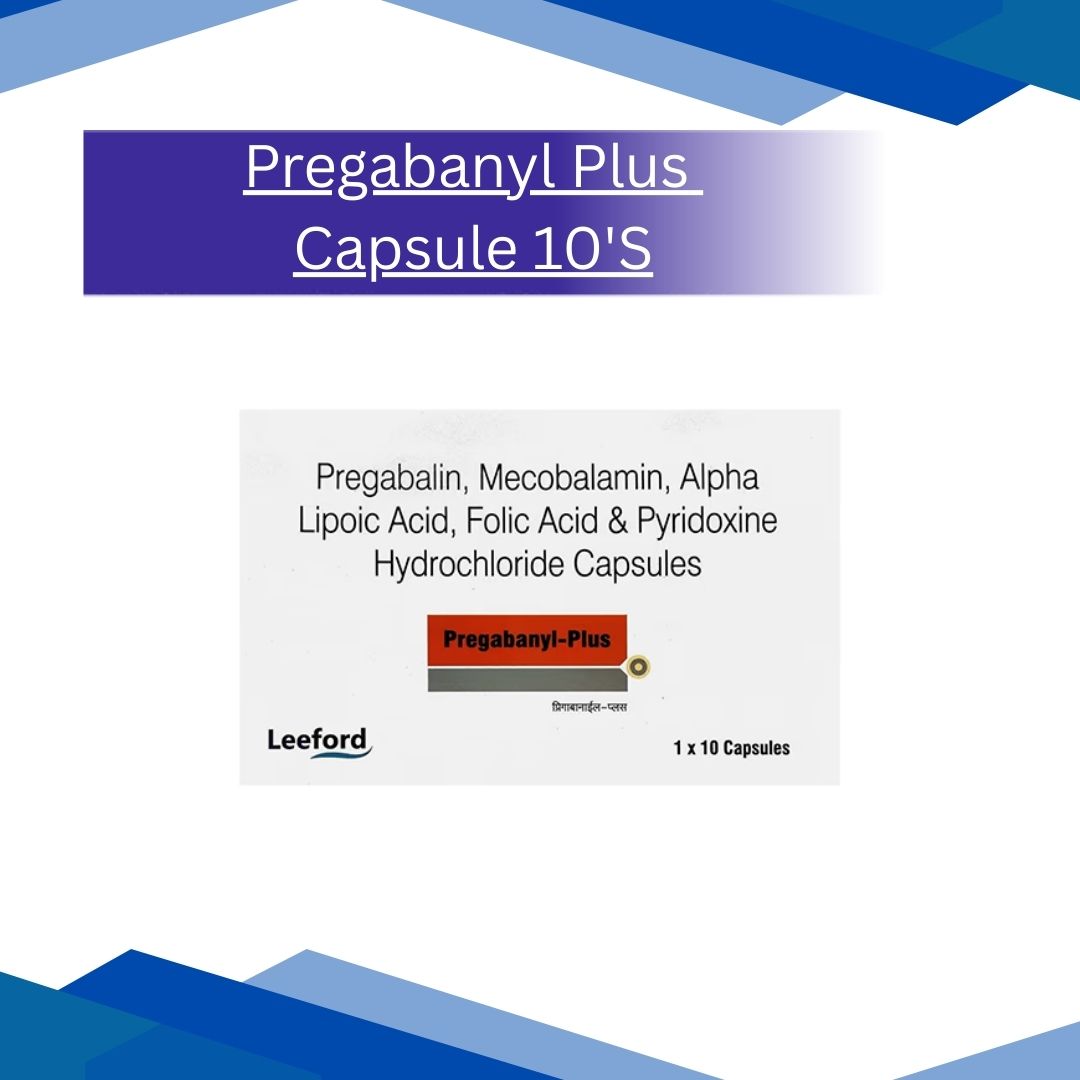
Pregabanyl Plus Capsule 10’S
No Prescription yet? Don’t worry! Click Here to Get Online Consultation
Pregabanyl Plus Capsule is used to treat neuropathic pain. It decreases the pain by controlling calcium channel activity and by decreasing the production of a substance that protects nerve fibers and rejuvenates damaged nerve cells.
Alpha Lipoic Acid
600mg ALA 600mg Capsule
Alpha-Lipoic Acid (ALA) is a versatile and potent antioxidant, an organosulfur compound. Known as the “universal antioxidant” because it is both water- and fat-soluble, it works throughout the body to neutralize free radicals. Besides its protective effect, it also plays a key role in cellular energy production, assisting mitochondria in turning glucose into energy.
Major Health Benefits
Promotion of Nerve Health: Widely used in treating diabetic neuropathy symptoms such as tingling, burning sensation, and numbness in the hands and feet.
Regulation of Blood Sugar: Helps improve insulin sensitivity and supports better blood glucose utilization.
Making of Cellular Energy: Acts as a co-factor in the Citric Acid Cycle, thereby enhancing cellular metabolism.
Recycles Antioxidants: Helps regenerate other antioxidants like Vitamin C, Vitamin E, and Glutathione after they are depleted.
Use Instruction
Absorption Timing: For maximum bioavailability, take on an empty stomach—typically 30 minutes before meals or 2 hours after.
Dosage: Common therapeutic doses include 300mg or 600mg, taken once or twice daily. Always follow your healthcare provider’s advice.
Storage: Store in a cool, dry place away from sunlight to maintain stability of active ingredients.
Safety & Precautions
Clinical Note: Although generally well-tolerated, ALA can significantly lower blood sugar levels. Monitor carefully if you are on insulin or oral antidiabetic medications.
Alcohol Intake: Chronic alcohol use may cause thiamine (Vitamin B1) deficiency. Taking ALA in such cases may pose health risks—consult your doctor.
Thyroid Health: May interact with thyroid hormone therapies (e.g., Levothyroxine). Medical supervision is advised.
Surgery: Discontinue use at least 2 weeks before surgery due to its effect on blood glucose levels.
Common Side Effects
Most individuals tolerate ALA well, but some may experience:
- Mild nausea or stomach upset
- Dizziness or lightheadedness
- Rare skin rash or itching
- Temporary metallic taste in the mouth
Note: Keep a source of sugar handy to manage symptoms of low blood sugar such as sweating, confusion, or shaking.
Frequently Asked Questions (FAQs)
Q: Is Lipoic Acid the same as Omega-3 (alpha-linolenic acid)?
A: No. Both share the acronym ALA but are different. Alpha-Lipoic Acid is a sulfur-containing antioxidant, while Alpha-Linolenic Acid is an essential fatty acid found in flaxseed and fish oil.
Q: Can Lipoic Acid aid in weight loss?
A: Some studies suggest it may support weight management by reducing appetite and boosting metabolism, especially when combined with diet and exercise.
Q: Why should I take it on an empty stomach?
A: Food—especially mineral-rich foods—can reduce absorption. Taking it before meals ensures better bioavailability.
Q: How long does it take to see results for nerve pain?
A: Some may notice improvement within 3–5 weeks, but significant benefits are typically observed over 3–4 months with consistent use.
Q: Can my child take this supplement?
A: High doses may be unsafe for children. Use only under strict medical supervision.
Folic Acid
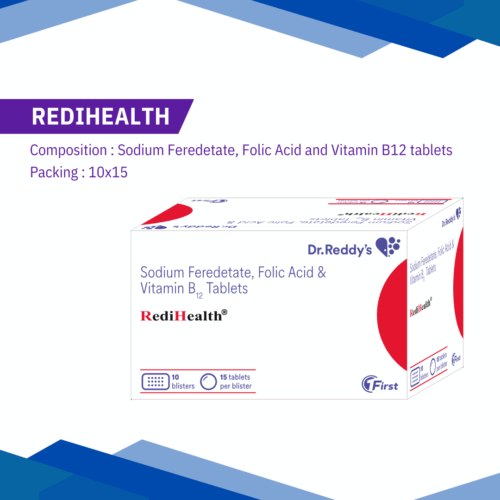
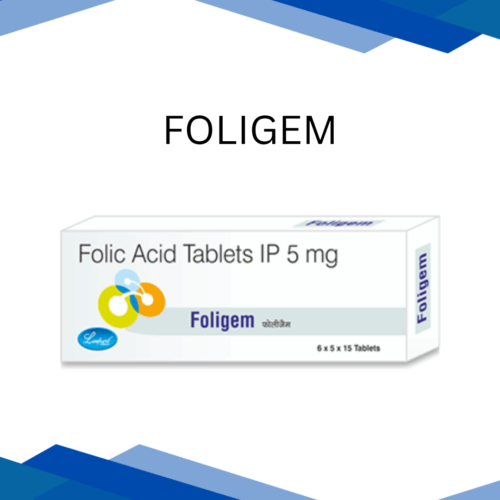
Folic Acid 5mg Tablet
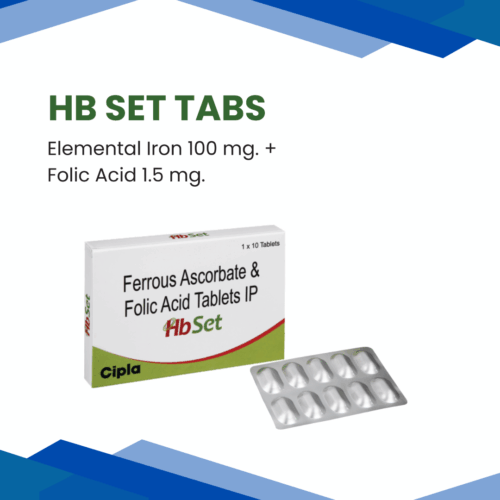
Folic Acid, presenting as Vitamin B9, is a key B-complex vitamin being water-soluble, helping in the synthesis of DNA and the normal maturation of red blood cells (RBCs). The characteristic nature of folic acid lies in its use for the treatment and the prevention of Folate Deficiency Anemia. It is well known globally for its powers to support a healthy pregnancy, among other vital functions. By keeping folate levels good, the medicine stops neural tube defects (NTDs) from forming in developing fetuses and maintains normal neurological health.
Key Therapeutic Uses
Anemia Management: Treats specifically megaloblastic anemia resulting from either poor dietary intake or malabsorption of folate.
Prenatal Support: Essential before pregnancy occurs and during the early stages to protect offspring from having a central nervous system defect (eg, spina bifida).
Methotrexate Adjunct: It is used along with some of the drugs used for arthritis or psoriasis to reduce gastrointestinal and liver side effects.
Cellular Repair- Plays an essential role in rapid cellular division and growth, particularly during childhood and pregnancy.
Product Highlights
High Potency Formula- Containing 5mg active Folic Acid per tablet only.
Rapid Absorption- Designed with good bioavailability for rapid entry into a person's blood.
Physician Endorsed- needed in prenatal care as pat of the extremities of finish carei in the realm of various blood maladies.
Directions for Use
Dosage: Normally, take one 5 mg tablet orally, daily, or as directed after conducting your blood test results in consultation with your physician.
Timing: Take it with or without food. To enhance benefits from consistent levels of the substance throughout the blood, it is suggested to take it within the same restarted interval every day.
Method: Swallow one tablet whole with a full glass of water.
Do not attempt to crush or chew the tablet.
Side Effects and Safety
Folic Acid is generally accepted well, but some individuals may experience some adverse reactions.
Nausea or mild loss of the appetite.
Gastrointestinal distress such as bloating or gas.
Bad taste in the mouth.
Occasionally, an allergic or anaphylactoid reaction like skin rash, itching, or swelling may happen.
Important Note: If you have vitamin B12 deficiency or Pernicious Anemia, take the necessary advice from your healthcare provider before beginning Folic Acid; taking Folic Acid alone sometimes might render a person vitamin B12 deficient, thus highlighting underlying neurologic troubles.
Caution and Drug Interactions
Liver and Kidney: Tell your healthcare provider if you experienced liver issues and if there is any history of kidney dialysis.
Drug Interactions: Some drugs, for example, anti-epileptic medications, antacids, and trimethoprim, can lower the uptake rate by the body of folate. These medications (Folic Acid) must be taken around 2 hours after any of the above drugs.
Alcohol: Heavy alcohol consumption reduces the absorption of folate and weakens the effect.
FAQs
Q: Can you tell me the best time to start taking Folic Acid if I'm planning on becoming pregnant?
Following the recommendations given by medical experts and studies closely, the production of folic acid should be done 1 to 3 months before conception, and at least during the first 12 weeks of pregnancy, which implies maximum safety for the baby's development.
Q: Can Folic Acid and Iron be taken together?
Yes, many doctors prescribe them together for more serious cases of anemia where a prescription of coal tablets is needed. Instead of lessening their efficiency, they generally enhance each other and improve overall blood health.
Q: Does Folic Acid make you gain weight?
No, Folic Acid is a vitamin and does not have a calorific value. It has never been proven in clinical studies that Folic Acid causes weight gain.
Q: Can I simply quit once my hemoglobin turns back to normal?
No, you should follow the course according to the advice and observation of your family physician. Even if your RBC (Red Blood Count) eventually comes back to the normal level, your body still might require re-pleting its folate stores so that you're not left with anemia again.
Q: What should I do if I forget to take the dose?
Missed dose must be taken as soon as it comes to your mind. However, if the next dose is almost due, you should forgo this one. And in no case should a "double" dose be ingested.
Mecobalamin
Mecobalamine Tablet/Injection 500 mcg
This molecule is the bioactive coenzyme form of the Vitamin B12 (hydroxycobalamin) vitamin. Unlike cyanocobalamin, which must be converted by the liver to be useful, Mecobalamin, the active form, is directly beneficial to tissue in treating pathological states, thus making it considerably more effective in treating peripheral neuropathy and megaloblastic anemia. Consequently, Mecobalamin has a very important role in myelination—which is the protective insulator of the nerve fibers—and in promoting the regeneration of damaged nerves.
Indications
Neuropathy: Feelings of numbness, sensation like "pins and needles," or uncomfortable tingling in the hands and feet.
Diabetic Neuropathy: Nerve damage due to high blood sugar levels over long periods.
Vitamin B12 Deficiency: Restoration of low B12 levels caused by diet, poor absorption, or age.
Megaloblastic Anemia: Production of healthy RBCs to lessen tiredness and weakness.
Cognitive Health: It has been helpful in supporting the well-being of the brain and nerve signaling.
Pharmacology & Mechanism
The Methylcobalamin donates methyl groups to ensure homocysteine is converted to methionine. This biochemical process is a must for:
Protein Synthesis: Essential for the growth of nerve cells.
Repair of Myelin Sheaths: Builds up the lipid insulation for nerve arteries to function effectively.
DNA Methylation: This is critical to red blood cell maturation in the bone marrow.
How to Use It
Dosage: Typically, an adult would take a dose of 1500 mcg per day. However, the physician may alter the dosage depending on how severe one's deficiency is.
Method: Tablets may be swallowed with a glass of water. Sublingual tablets should be allowed to dissolve without chewing.
Consistency: It is very essential for the formation of nerves to take the drug at regular intervals daily for steady-blood levels.
Safety and Side Effects
Mecobalamin is usually tolerated, so rarely poses any risks or adverse side effects due to its water-soluble nature. Nevertheless, rare occurrences have led to some individuals exhibiting:
Mild gastrointestinal disturbances like (nausea, diarrhea).
Decrease in the Appetite
Headache
Skin rash or itching (rare allergic reaction)
Note: Slight soreness may be experienced at the injection site with Mecobalamin administration. This will go away in a few hours.
Warnings and precautions
Absorption: Gastritis, Celiac disease, Crohn's disease (interrupting the bowel lining’s function to transport B12 to the rest of the body) can all cause limited absorption. In the treatment of such patients, injectables would be considered best.
Drug Interactions: Metformin or H2-blocking agents can deplete B12 levels with long-term use. If you are already on this medication, consult your doctor.
Pregnancy: Generally considered safe and often prescribed in prenatal vitamins. However, always confirm the dosage with your gynecologist.
Optic Nerve Disease: Patients with Leber's disease should avoid B12 supplements.
Frequently Asked Questions (FAQs)
Q: How soon can Mecobalamin work in patients with nerve pain?
Nerve regeneration is a slow-going process; although some patients could experience an energy boost during the first few days of Mecobalamin therapy, it takes four to eight weeks to notice a considerable reduction in numbness and neuropathic pain.
Q: Is Mecobalamin superior to Cyanocobalamin?
In terms of neurological health, it is indeed because it is the "active" form i.e., a better liver retainer, meaning it will convert better to nerve tissues in contrast to synthetic cyanocobalamin.
Q: Can Mecobalamin be taken empty stomach?
Yes, you can take it with or without food. But for those who are a little sensitive, taking it with a meal may help to minimize the minor upset stomach.
Q: Can Mecobalamin cause weight gain?
No evidence indicates that Mecobalamin causes patients to put on weight. Quite the reverse, it usually makes them more active, assists a lot in terms of energy levels and metabolism.
Q: Can I drink liquor while taking this supplement?
While significant consumption of liquor can inhibit the absorption of Vitamin B12 and exacerbate nerve damage, it is best to avoid this while being treated to be on the safer side.
Pregabalin
The 75 mg capsule of pregabalin
Pregabalin is a potent medication that belongs to the group of gabapentinoids and which is increasingly used for epilepsy and neuropathic pain management. You will find its administration in the treatment of chronic neurogenous pain syndromes such as diabetic neuropathic pain, post-herpetic neuralgia (pain related to shingles), and fibromyalgia. This drug is also served as an add-on therapy in adult patients with certain types of seizures or to manage Generalized Anxiety Disorder (GAD).
Therapeutical Use
Neuropathic Pain: Cures long-term nerve pain from diabetic neuropathy, shingles, or spinal-cord injury. Nuromusculoskel-
Fibromylagia: Straightens out widespread muscle pain, tenderness, and joint pain from this chronic condition.
Epilepsy: Works by modifying other drugs and controlling one part of the partially partial seizures by balancing the firing of brain cells.
Anxiety: Alleviates obsessions, restlessness, and tension in Generalized Anxiety Disorder.
Mode of Action
Pregabalin works by modulating the calcium channels within the central nervous system. By joining the specific subunits of these channels, pregabalin serves to diminish excitation of several neurotransmitters (for example glutamate and substance P). In a sense, it helps in "calming" overactive or damaged nerves, which in turn slows the transmission of the pain signal to the brain and prevents the occurrence of unnecessary abnormal electric discharges which cause seizures.
Brief Specification
Active Ingredient: Pregabalin (USP/IP)
Drug Classification: Anticonvulsant / Gabapentinoid
Common Strengths: 25mg, 50mg, 75mg, 150mg, 300mg
Prescription Category: Schedule H (Prescription-Required)
Administration and Dosages
Method: Preferably swallow the capsule whole with water. Do not open, chew, or crush a capsule.
Food: pregabalin may be taken with or without food. If it tends to cause stomach upset, one may take medication with or after a meal.
Consistency: So as to get the best results, take your dose at the same time(s) each day so that a consistent concentration of medicine can be maintained in your bloodstream.
Side Effects
Most side effects caused by Pregabalin are mild and should gradually wane as your body gets used to them. These may include:
Dizziness and sleepiness
Dry mouth
Blurred vision
Weight gain (increased appetite)
Swelling in hands or feet (edema)
Inability to concentrate and memory lapses
If you have a serious mood change (depression), thoughts of suicide, or an allergic reaction suddenly becomes severe (face/tongue swelling), call for emergency medical help (call) immediately.
Precautions
Alcohol: Avoiding alcohol is suggested while taking Pregabalin because it can be particularly dangerous as it increases drowsiness and interferes with coordination.
Driving: You do not drive or operate heavy machinery until you know will not make you dizzy or drowsy.
Kidney Health: Dose adjustments should be made for patients who have renal impairment, and your doctor should be well- informed about your kidney status.
Discontinue: Pregabalin should never be stopped suddenly. If the patient abruptly stops pregabalin, symptoms of withdrawal, such as insomnia, nausea, and an increase in seizure numbers, can occur. The dose will be tapered down by the doctor gradually over at least one week.
Mental Health: Monitor for development of any unusual changes in mood or behavior, particularly at the outset of treatment.
Frequently Asked Questions (FAQs)
Q: How long does it take for Pregabalin to start to work?
Some patients may start feeling pain reduction within the first week. It may, however, take 2-4 weeks of reasonably regular usage to obtain the full benefits from taking pregabalin.
Q: Is Pregabalin for normal back pain?
It is quite specific for nerve pain and not your everyday muscular strain or typical headaches treatment; therefore, Pregabalin applies to chronic back pain only with the nerve's involvement confirmed by a doctor.(for example, sciatica)
Q: Is Pregabalin addictive?
Pregabalin has a potential for misuse and habituation if taken in higher amounts or for longer than prescribed. Always follow your doctor’s instructions explicitly and never share this medicine with anyone else.
Q: If I miss a dose, what should I do?
Administer the missed dose as soon as you remember. If, in case, it is very near to the scheduled dose, just skip that accidentally missed dose. Do not ever take a double dose for extra benefit.
Q: Will this drug affect fertility?
Data on Pregabalin and human fertility are scarce. If pregnant or breastfeeding or planning to be pregnant, you should seek guidance from your healthcare provider given the potential for risk to the fetus outweighing benefits.
Pyridoxine Hydrochloride
Pyridoxine Hydrochloride (Vitamin B6) Tablets
Pyridoxine Hydrochloride is the hydrochloride salt form of Pyridoxine, a vital water-soluble Vitamin B-complex nutrient. It plays a key role in over 100 metabolic enzyme reactions, especially in protein metabolism. It is essential for neurotransmitter production (like serotonin), red blood cell formation, and maintaining a healthy nervous and immune system.
Indications
Vitamin B6 Deficiency: Treatment and prevention of nutritional deficiencies
Drug-Induced Neuropathy: Used with Isoniazid to prevent nerve damage
Vomiting in Pregnancy: Helps manage morning sickness (often with Doxylamine)
Sideroblastic Anemia: Supports hemoglobin synthesis
Metabolic Support: Helps manage homocysteine levels for heart health
Key Highlights
Neuro-Protective: Maintains myelin sheath integrity
Metabolic Regulator: Aids in energy production from nutrients
Mood & Sleep Support: Supports serotonin and melatonin synthesis
Dosage & Administration
Adult Dose: Typically 10–50 mg daily (higher for specific conditions)
Administration: Swallow whole with water; take after meals
What If I Miss a Dose?
Take it when remembered; skip if close to next dose
Do not double dose
Possible Side Effects
Nausea or stomach pain
Headache or drowsiness
Mild tingling or numbness (paraesthesia)
Loss of appetite
Precautions & Warnings
Neurological Monitoring: High doses (>200 mg/day) may cause sensory neuropathy
Levodopa Interaction: May reduce effectiveness in Parkinson’s treatment
Allergy: Inform doctor if allergic to B-complex vitamins
Lactation: Passes into breast milk—use under supervision
Frequently Asked Questions (FAQs)
Q: Can I take Pyridoxine without a prescription?
Yes, for general supplementation (OTC); higher doses need prescription
Q: Why is it given with TB medication?
Prevents nerve-related side effects of Isoniazid
Q: Does it help with PMS?
May improve mood symptoms—consult a doctor
Q: Is it safe in pregnancy?
Commonly used for nausea, but only under medical supervision
Q: Can diet provide enough Vitamin B6?
Foods like chickpeas, poultry, fish, bananas, and fortified cereals are good sources
Expert Advice
Storage: Store in a cool, dry place (below 25°C) away from sunlight
Patient Tip: Take at the same time daily; avoid excess alcohol
Disclaimer
This information is for educational purposes only and should not replace professional medical advice
At Gem Pharmacy, we make every effort to provide accurate, expert-written, and thoroughly reviewed information related to medicines. However, this information should not be considered a substitute for professional medical advice, diagnosis, or treatment from a qualified doctor.
The purpose of this information is to educate users and improve communication between patients and healthcare professionals. It should not be used to diagnose or treat any condition.
Always consult a certified healthcare professional before taking any medication.


Related products