
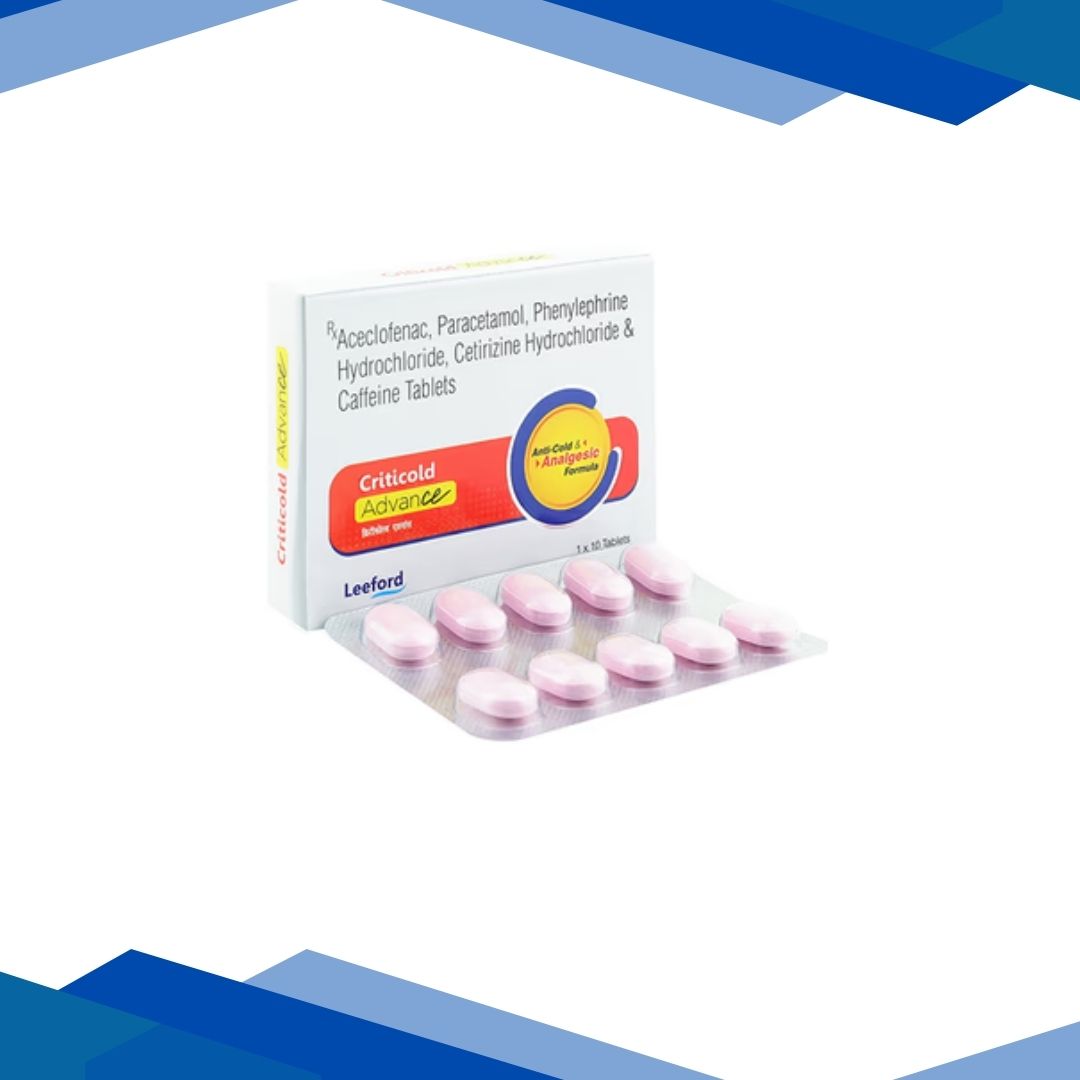
CRITICOLD ADVANCE Tablet 10’s
No Prescription yet? Don’t worry! Click Here to Get Online Consultation
Acebrophylline, Acetylcysteine is a combination medicine commonly used in the management of respiratory conditions associated with excessive mucus production and breathing difficulty, such as chronic obstructive pulmonary disease (COPD), bronchitis, and certain forms of asthma. Acebrophylline helps relax and widen the airways while also reducing inflammation, making breathing easier. Acetylcysteine acts as a mucolytic agent that breaks down thick, sticky mucus in the lungs and air passages, allowing it to be cleared more effectively through coughing. Together, these ingredients help improve airflow, reduce chest congestion, and support better lung function. This medicine is generally prescribed under medical supervision as part of a comprehensive treatment plan for chronic respiratory disorders.
Description
acebrophylline, acetylcysteine is a combination medicine commonly used in the management of various respiratory conditions associated with excessive mucus production, airway inflammation, and breathing difficulties. this combination brings together the bronchodilatory and anti-inflammatory properties of acebrophylline with the mucolytic and antioxidant effects of acetylcysteine, helping patients breathe more comfortably by improving airflow and reducing mucus accumulation within the respiratory tract.
respiratory illnesses such as chronic obstructive pulmonary disease (copd), chronic bronchitis, bronchial asthma with mucus hypersecretion, and other chronic lung disorders often involve thick mucus that obstructs airways and makes breathing difficult. acebrophylline, acetylcysteine helps address these underlying issues through a dual-action mechanism. while acebrophylline relaxes and widens the air passages, acetylcysteine breaks down thick mucus into a thinner consistency, making it easier to cough out and clear from the lungs.
acebrophylline is a xanthine derivative with bronchodilator and anti-inflammatory properties. it helps reduce bronchospasm, improve airflow, and decrease inflammatory processes within the respiratory tract. acetylcysteine acts as a powerful mucolytic agent that disrupts the structure of mucus proteins, reducing mucus viscosity and facilitating easier expectoration. additionally, acetylcysteine possesses antioxidant properties that may help protect lung tissues from oxidative stress caused by chronic inflammation.
this combination is often recommended for adults suffering from chronic respiratory disorders characterized by mucus retention and airflow limitation. by targeting both airway narrowing and mucus accumulation, acebrophylline, acetylcysteine contributes to improved lung function, reduced coughing episodes, better mucus clearance, enhanced breathing comfort, and an overall improvement in quality of life. however, its use should always be guided by a qualified healthcare professional based on individual medical needs and health status.
ingredients
- acebrophylline: acebrophylline is a bronchodilator and anti-inflammatory agent primarily used in respiratory diseases. it helps relax the smooth muscles of the airways, allowing them to widen and improve airflow to the lungs. in addition to its bronchodilatory effects, acebrophylline helps reduce airway inflammation and may decrease the frequency of respiratory symptoms such as wheezing, coughing, and shortness of breath. it also supports improved mucus clearance from the respiratory tract.
- acetylcysteine: acetylcysteine is a mucolytic medication that helps break down thick and sticky mucus in the lungs and airways. it works by disrupting the chemical bonds within mucus, making it thinner and easier to expel through coughing. acetylcysteine also functions as an antioxidant by replenishing glutathione levels in the body, helping protect respiratory tissues from oxidative damage and chronic inflammation.
key uses
- chronic obstructive pulmonary disease (copd): helps improve breathing, reduce mucus buildup, and support better airway function in patients with chronic airflow limitation.
- chronic bronchitis: assists in reducing excessive mucus production and facilitates easier mucus removal from the lungs.
- bronchial asthma with excessive mucus: supports airway relaxation and mucus clearance, helping reduce respiratory discomfort in selected patients.
- mucus hypersecretion disorders: useful in conditions where excessive mucus production contributes to breathing difficulties and airway obstruction.
- respiratory tract inflammation: helps reduce inflammation associated with chronic respiratory diseases and supports improved lung function.
- productive cough associated with lung disorders: helps loosen thick sputum, making coughing more effective and productive.
- airway obstruction due to thick secretions: assists in clearing obstructed airways by reducing mucus viscosity.
- long-term respiratory disease management: may be used as part of a comprehensive treatment plan for chronic respiratory conditions under medical supervision.
how to use
acebrophylline, acetylcysteine should be used exactly as directed by a healthcare professional. the medicine is usually taken orally and may be prescribed in tablet, capsule, or other dosage forms depending on individual requirements. it is generally advisable to take the medication with food or after meals if recommended by a healthcare provider, as this may help reduce stomach discomfort.
patients should swallow the medicine with an adequate amount of water unless otherwise instructed. maintaining good hydration during treatment may further assist the mucus-thinning effects of acetylcysteine and help improve respiratory secretion clearance. the medicine should be taken consistently at the prescribed times to achieve optimal therapeutic benefits.
patients should not alter the prescribed dose, discontinue treatment prematurely, or use the medicine for conditions other than those recommended by their healthcare provider. if symptoms persist, worsen, or fail to improve, medical evaluation is necessary to determine the appropriate course of treatment.
safety information
- warnings: individuals with known hypersensitivity or allergy to acebrophylline, acetylcysteine, or any component of the formulation should avoid using this medicine. caution is advised in patients with severe heart disease, liver disorders, kidney impairment, peptic ulcer disease, seizure disorders, or a history of significant respiratory complications. medical supervision is important when using this medicine in elderly individuals or those with multiple underlying health conditions.
- side effects: common side effects may include nausea, vomiting, abdominal discomfort, indigestion, diarrhea, headache, dizziness, heartburn, mild skin rash, cough, or throat irritation. some patients may experience palpitations or increased heart rate. serious but uncommon side effects may include severe allergic reactions, difficulty breathing, facial swelling, severe skin reactions, chest discomfort, or significant worsening of respiratory symptoms. immediate medical attention should be sought if serious adverse effects occur.
- precautions: patients with asthma should be monitored carefully, particularly during the initiation of therapy. individuals with gastric ulcers or gastrointestinal irritation may require additional caution. patients should inform their healthcare provider about all current medications, supplements, and medical conditions before starting treatment. regular monitoring may be recommended for certain patients with chronic respiratory diseases.
- pregnancy/breastfeeding: the safety of acebrophylline, acetylcysteine during pregnancy and breastfeeding should be assessed by a healthcare professional. the medicine should only be used when the potential benefits outweigh possible risks. pregnant or breastfeeding individuals should always consult their doctor before using this medication.
- interactions: acebrophylline, acetylcysteine may interact with certain antibiotics, bronchodilators, cough suppressants, heart medications, seizure medications, and other respiratory treatments. alcohol consumption may increase the risk of certain side effects such as dizziness or stomach irritation. patients should provide a complete medication history to their healthcare provider to minimize the risk of interactions.
additional information
- storage: store the medicine in a cool, dry place away from direct sunlight, excessive heat, and moisture. keep it in its original packaging and out of the reach of children and pets. do not use the medicine after the expiry date indicated on the package.
- missed dose: if a dose is missed, it should be taken as soon as remembered. if it is almost time for the next scheduled dose, skip the missed dose and continue with the regular dosing schedule. do not take a double dose to compensate for a missed dose.
- overdose: taking more than the prescribed amount may increase the risk of adverse effects such as severe gastrointestinal symptoms, excessive stimulation, palpitations, dizziness, confusion, or other serious complications. in case of suspected overdose, seek immediate medical attention or contact emergency services.
- habit forming: no. acebrophylline, acetylcysteine is not known to be habit-forming or associated with physical dependence when used as prescribed.
frequently asked questions
Q: what is acebrophylline, acetylcysteine used for?
A: acebrophylline, acetylcysteine is primarily used for respiratory conditions associated with excessive mucus production, airway inflammation, and breathing difficulties such as copd and chronic bronchitis.
Q: how does acebrophylline, acetylcysteine work?
A: acebrophylline helps widen the airways and reduce inflammation, while acetylcysteine breaks down thick mucus and supports easier mucus clearance from the lungs.
Q: can acebrophylline, acetylcysteine help with productive cough?
A: yes, it may help loosen thick mucus and make coughing more effective, particularly when excessive sputum production is present.
Q: is acebrophylline, acetylcysteine an antibiotic?
A: no. it is not an antibiotic. it works by improving airway function and mucus clearance rather than treating bacterial infections directly.
Q: can this medicine cure copd?
A: no. copd is a chronic condition that cannot currently be cured. this medicine helps manage symptoms and improve quality of life.
Q: can smokers use acebrophylline, acetylcysteine?
A: it may be prescribed for smokers with chronic respiratory symptoms, but smoking cessation remains essential for optimal lung health.
Q: can the medicine cause stomach upset?
A: yes. some individuals may experience nausea, indigestion, abdominal discomfort, or diarrhea during treatment.
Q: should i drink plenty of fluids while taking this medicine?
A: adequate hydration may support mucus thinning and improve the effectiveness of mucus clearance.
Q: can elderly patients use acebrophylline, acetylcysteine?
A: yes, but elderly patients may require closer monitoring due to the presence of other medical conditions or medications.
Q: can i stop taking the medicine when i feel better?
A: treatment should not be stopped without consulting a healthcare professional, especially in chronic respiratory conditions.
Q: does acebrophylline, acetylcysteine cause drowsiness?
A: drowsiness is not a common side effect, but some individuals may experience dizziness or headache.
Q: can it be used for asthma?
A: it may be prescribed in selected asthma patients with mucus-related symptoms, depending on clinical judgment.
Q: what should i do if i experience an allergic reaction?
A: stop using the medicine and seek immediate medical attention if symptoms such as rash, swelling, severe itching, or difficulty breathing occur.
Q: can this medicine be taken with other respiratory medications?
A: it is often used alongside other respiratory treatments, but all medications should be reviewed by a healthcare provider to avoid interactions.
Q: is acebrophylline, acetylcysteine safe during pregnancy?
A: pregnant individuals should consult their doctor before use, as treatment decisions should be based on individual risk-benefit assessment.
Q: can breastfeeding mothers use this medicine?
A: breastfeeding mothers should seek medical advice before starting treatment to ensure safety for both mother and infant.
Q: how long does it take to show benefits?
A: the time to experience benefits may vary depending on the condition being treated, severity of symptoms, and individual response to therapy.
Q: can it prevent respiratory infections?
A: the medicine is not specifically intended to prevent infections, but improved mucus clearance may support overall respiratory health.
Q: does acetylcysteine have antioxidant properties?
A: yes. acetylcysteine acts as an antioxidant by supporting glutathione production and helping protect tissues from oxidative stress.
Q: is acebrophylline, acetylcysteine habit-forming?
A: no. the medicine is not known to cause dependence, addiction, or habit formation.
this information is for educational purposes only and should not be considered medical advice. always consult a qualified healthcare professional before use.
“`
At Gem Pharmacy, we make every effort to provide accurate, expert-written, and thoroughly reviewed information related to medicines. However, this information should not be considered a substitute for professional medical advice, diagnosis, or treatment from a qualified doctor.
The purpose of this information is to educate users and improve communication between patients and healthcare professionals. It should not be used to diagnose or treat any condition.
Always consult a certified healthcare professional before taking any medication.


Related products