
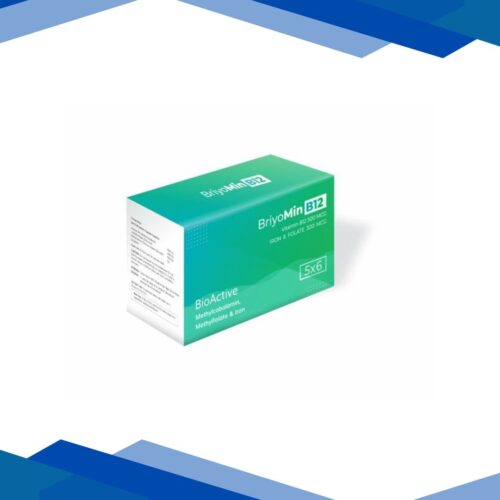

DIPTASE Gel 30gm
No Prescription yet? Don’t worry! Click Here to Get Online Consultation
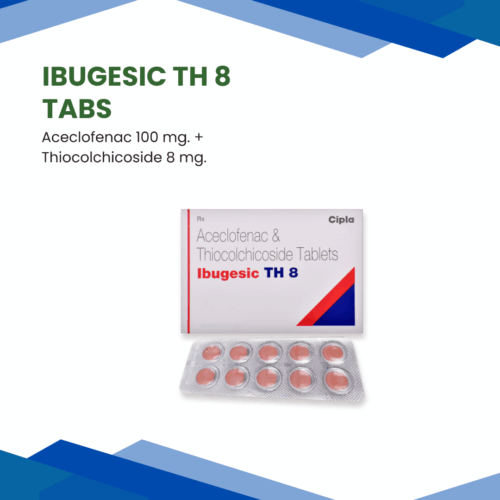
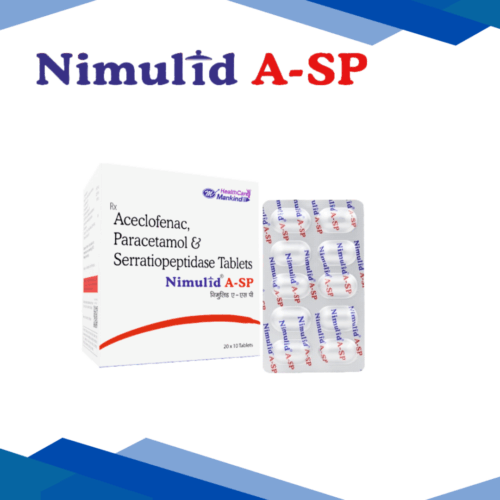
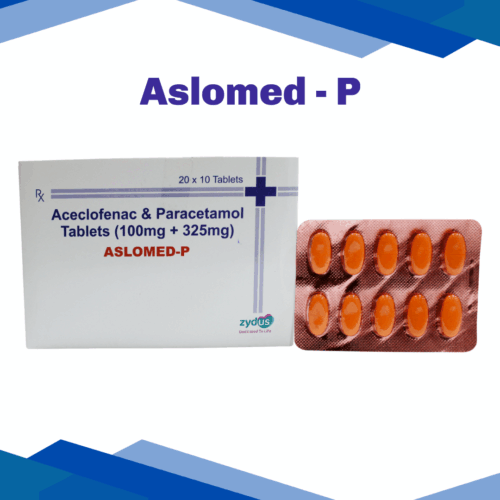
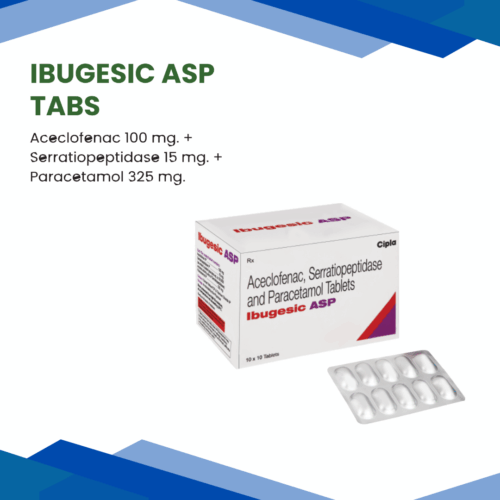
Aceclofenac
Aceclofenac
Overview:
Aceclofenac is a nonsteroidal anti-inflammatory drug (NSAID) analog of diclofenac
Classification: Anti-inflammatory drug (NSAID)
Uses:
Aceclofenac is primarily used for pain management in chronic conditions like rheumatoid arthritis, osteoarthritis, or ankylosing spondylitis.
Rheumatoid arthritis: It relieves swelling and stiffness of joints and overall pain due to the condition.
Osteoarthritis: It helps alleviate painful, tender joints and manages pain.
Ankylosing spondylitis: It helps manage the stiffness and pain in this kind of spondylitis.
How it works:
It works by blocking the release of certain chemical messengers that cause pain and inflammation (redness and swelling).
Dosage: As directed by the physician
Precautions:
Tell your doctor if you have an allergic tendency to the medicine. Even if you are allergic to other medicines, you should discuss them with your doctor.
Alcohol consumption must be avoided as it can cause stomach bleeding.
Pregnant women are not supposed to take Aceclofenac + Paracetamol, more so in the advanced stages of pregnancy. The foetus may develop heart defects, or there may be a delay in birth
Those with ongoing symptoms or a history of stomach ulcers or bleeding anywhere in the digestive tract must not take this medicine.
Patients who suffer from heart disease, have a liver or kidney problem, or have high blood pressure must take caution.
If you have any pre-existing health conditions, like Asthma, Hypersensitivity, Peptic Ulcers, Stroke, Heart, Liver, or Kidney-related conditions, etc., speak with your doctor.
Breastfeeding women must take care and consume the medicine only after seeking a doctor’s advice.
Side Effects:
Mouth ulcer
Fatigue
Constipation
Allergic skin reactions
Abdominal pain
Bloody and cloudy urine
Dizziness
Drowsiness
Constipation
Fainting
Malaise
Disclaimer:
This content is for informational purposes only. Always consult a healthcare provider for medical advice and proper dosage.
Capsaicin
Capsaicin: A targeted relief for nerve and joint pain
Capsaicin is a powerful, naturally occurring alkaloid that is extracted from capsicum plants. It's the substance that provides heat in so much spicy food, and when used clinically, it functions as an effective topical analgesic. Capsaicin is commonly prescribed for the treatment of chronic pain, especially cases that require management of inflammation which doesn't respond to oral analgesic products.
Therapeutic Use and Benefits
Osteoarthritis/Rheumatoid Arthritis: Cap-oatments give localized relief by reducing the tenderness and swelling in affected joints.
Postherpetic Neuralgia: Relieves the "burning" pain due to a persisting shingles infection.
Diabetic Neuropathy: Helping to manage tingling and stabbing sensations in feet and hands, all indicative of nerve damage.
Musculoskeletal Pain: Effective on deep-seated backache, sprains, strains.
Psoriasis Management: Some topical formulations help reduce itch and inflammation related to plaque psoriasis.
How This Medicine Works (Mechanism of Action)
Capsaicin acts through an action known as sensory desensitization. This often starts with a release of Substance P, a chemical messenger transmitting the pain signal of which the brain is aware. With this mechanism, there is a temporary sense of warmth or a feeling of burning. On continued application, a depletion of the local supply of substance P occurs, thereby effectively ab down the volume of pain signals from that area.
How It Works: Safe Usage and Other Pointers How This Medicine Works: Safe Usage and Other Pointers
Rule in Wash Hands: Always wash your hands with soap basics immediately after applying it. Hand residue can cause excessive irritations when in contact with your eyes, nose, or mouth.
For Consistency: Capsaicin isn't one of those things that work instantaneously. In fact, in chronic conditions, several weeks of application about 3-4 times a day is mandatory before gaining the full pain-relieving effects.
Patch Test: Apply to a limited area if you have sensitive skin to test for allergy.
Stay off the Heat! Say no to the utilization of a heat pad in the vicinity of use of the capsaicin cream--to mitigate a serious incidence of burning or blistering.
Frequently Asked Questions (FAQs)
1. Why is there a sting when capsicum is initially applied?
A warming or stinging sensation is a common feature of capsaicin operation. This is because the drug is interacting with the heat-sensing nerves of your skin. Most users experience little-to-no stinging after the first several days of consistent use.
2. Can Capsaicin be applied to broken or irritated skin too?
No. Capsaicin must be applied solely to clear, healthy skin. Applying capsaicin on cuts, rashes, or sunburned skin will cause very intense pain and may worsen the rash.
3. How long do you feel the help?
Some other folks find some relief within the first few days but the real relief usually comes two to four weeks into regular use, though it is noticed that even stopping the use of the cream will gradually bring about relief.
4. Does Capsaicin exist in an oral form for pain?
No, it does not. Capsaicin supplementation has been used around digestive issues. But, pain management is typically channeled into soft creams, cool gels, or high dose patches. This has the advantage of directly benefiting nervous tissue with no side effects of systemic nature (like making the stomach go upset).
5. Will I use it along with my pain-killers taken orally?
Yes, quite frequently, capsaicin therapy is used as an "add-on." This means that because it works locally on the skin and nerves, it would generally not interfere with oral drugs like Ibuprofen or Paracetamol. Always remember to inform your consultant regarding all the treatments you are using.
Linseed Oil
Linseed Oil (Virgin & Cold-Pressed)
Virgin Linseed Oil, obtained from flax plant seeds (Linum usitatissimum), is a rich source of essential fatty acids. It is highly reputed in the medical fraternity on account of the fact that it is extremely high in Omega-3 amino acids, with major content in Alpha-Linolenic Acid (ALA); this is one of the omega-3 fatty acids the body cannot make on its own. Whether as a common dietary supplement in many cases to its beneficial effect in supporting heart function, or as a fungible, multipurpose remedy for certain major systemic illnesses, the benefits of Linseed Oil are deeply embraced in current, modern health and wellness practice.
Key Benefits & Uses
Joint & Muscle Relief: Fittingly incorporated into topical gels to heighten the penetration of anti-inflammatory medicines that work toward alleviating stiffness scenario: osteoarthritis.
Cardiovascular Support: Contributes to the maintenance of healthy cholesterol and the overall support thereof.
Natural Laxative: A differential oil with which an oral dose in its very own specific mild manner that operates as a lube effect in the belly—making a good choice for giving relief to occasional constipation.
Skin Health: Contains Vitamin E and antioxidants that facilitate some skin defense and reduce dryness or irritation.
Doors of Inflammation: Intervention with systemic inflammation/type 1 inflammation is protective and good for metabolic health.
Quick Facts
FeatureDetails
Active Ingredient: Alpha-Linolenic Acid (Omega-3)
Extraction Method: Cold-Pressed (No Heat)
Category: Nutraceutical / Topical Adjunct
Dietary Preference: Vegan, Non-GMO
Usage Instructions
For Oral Health: 5ml–10ml (1–2 tsp) a day. Could be mixed with salads, yogurt, or cold smoothies. This oil is perfect for cold food consumption. Do not use for cooking at high temperature.
For Topical Relief: Apply a few drops at the local joint/muscle area and lightly massage. If using a gel containing Linseed Oil specifically, adhere to the instructions given on the pack.
Safety Precautions
Sensitivity: It is best to perform a patch test first and refrain from extensive application in case of any skin reddening and itching.
Medical Interactions: Patients on anti-coagulant (blood thinning) medications must inform their doctor of their intention to take Linseed Oil supplements.
Pregnant & Nursing: It is always best to talk to your physician beforehand about introducing any new supplements into your system during pregnancy.
Storage: The oil has a high tendency to spoil due to oxidation; thus, keep it in a cool, dark place and make sure it is sealed tight to prevent rancidity.
Frequently Asked Questions (FAQs)
Q: Can I use the Linseed Oil found in hardware stores for health purposes?
Definitely not. Industrial-grade linseed oil gets toxic with the added preservatives and solvents. Always use "Cold-Pressed Virgin Linseed Oil" or "Flaxseed Oil" expounded with reference to human consumption or veterinary use.
Q: Why include Linseed Oil in so many Diclofenac pain relievers?
Basically to use as a conduit: it makes sure the active ingredients of the pain-killing agent are better absorbed through the layers of the skin and actually reach the inflamed area more effectively.
Q: Is it very taste-able?
High-quality virgin linseed oil will taste a bit nutty and mild. If it has an extremely bitter taste or smells bad, it has gone rancid and should not be consumed.
Q: Would it be preferred over fish oil for Omega-3?
Flaxseed oil is one of the best plant-based Omega-3 sources, and offers a good alternative to fish oil. A pool of fish oil brings EPA and DHA; in comparison, linseed oil only offers ALA, which your body can partially convert into both EPA and DHA.
Q: How long will it normally keep?
Once opened, a bottle of it stays freshest for 6–8 weeks. If stored in the refrigerator, it might extend the life of its strength.
Menthol
Menthol (Topical Analgesic)
Menthol is natural ingredient that occurs organically and is extracted from peppermint and other mint oils. It has certain pharmacological properties due to the topical analgesic and counterirritant that is widely utilized in pharmaceutical applications. When applied to the skin, it binds to the cold-sensitive receptor termed TRPM8 nicotine, and thus generates a cooling sensation. It works by producing enough cooling sensation to distract the brain from underlying pain signals, therefore providing some relief, deceiving the skin's pain receptors and authors. It is commonly used in muscle-recovery products and patches to mitigate joint pain.
Primary Indications
Muscle & Joint Relief: Temporary relief of minor aches and pains, caused by arthritis, simple backaches, strains, and sprains.
Counterirritant Action: Provides a cooling, slightly warming sensation with benefits of desensitization of pain nerve endings.
Itch & Irritation Control: Effectively don't entertain the itching from insect bites, sunburn, or minor skin rashes.
Respiratory comfort: Often used in chest rubs to emotionally relieve symptoms of feeling clear airways during common colds.
Post-Workout Recovery: Helps reduce the perception of soreness in overworked muscles and tendons.
The Product Specifications
Drugs Group: Topical Analgesic/ Counterirritant.
Formulations: Gels, sprays creams, ointments, medicated patches are available.
Concentration: Ranges generally from 1% and 16% as per the strength.
Appearance: Clear liquid or white crystalline material, characteristic of a minty aroma.
Instructions of Use
For Pain Relief: Clean and dry the affected area. Then apply a thin layer of gel or cream to the area 3-4 times daily.
Sprays: Spray on the skin evenly from 4" to 6" distance. Do not rub unless otherwise specified.
Patches: Stick one patch to the painful area and leave it for as long as 8 hours. Don't use more than one patch that has formed into a mass.
Hygiene: Wash your hands thoroughly with soap after application to avoid any accidental contact with the eyes and mucosa.
Safety Precautions & Warnings
For external use only: Do not ingest menthol-based topical products.
Avoid Over Broken Skin: Never apply to an open wound, damaged skin, or any irritated rashes.
No Heat therapy: Whether using a heating pad, hot water bottle, or tight bandage applied to the area, do not apply heat either. This will increase permeation and cause severe skin burns.
Flammability: Some menthol sprays and gels are flammable. Keep away from open flames or high heat until the product has completely dried on the skin.
Children: Consult a pediatrician before using on children under 12.
Frequently Asked Questions (FAQs)
Q: How does Menthol actually stop pain?
Menthol does not "numb" the pain as a local anesthetic does, but rather acts as a counterirritant. As the compound creates an intense cold sensation, it blocks the pain signals headed to the brain, effectively turning down the volume on discomfort.
Q: Can Menthol be used with a heating pad?
No. This is a major danger. Menthol causes the blood flow to the skin to increase, and the application of heat tends to make the medication be absorbed too quickly or cause some very bad burns and blisters.
Q: Why do I instantly feel cold but end up feeling warm?
This is essentially because of the 'counterirritant effect.' The menthol first activates the cold receptors, offering initial cooling effects. Then the local circulation is elevated when it is rubbed in, and the now-warm sensation is relaxing tight muscles.
Q: Can Menthol be used with an oral pain medication?
Yes, in practice, no! Since menthol is only used topically, so very little of it penetrates your bloodstream. However, let your doc know if you're on blood thinners, say, on Warfarin, because some of the topical formulations can have methyl salicylate, which can interact with them.
Q: Will the Menthol smell "stick"?
The very minty smell is the strongest during application and then dissipates as the product dries down. I would suggest many "vanishing scent gels" for a more subtle application, if the user prefers it that way.
Methyl Salicylate
At Gem Pharmacy, we make every effort to provide accurate, expert-written, and thoroughly reviewed information related to medicines. However, this information should not be considered a substitute for professional medical advice, diagnosis, or treatment from a qualified doctor.
The purpose of this information is to educate users and improve communication between patients and healthcare professionals. It should not be used to diagnose or treat any condition.
Always consult a certified healthcare professional before taking any medication.


Related products