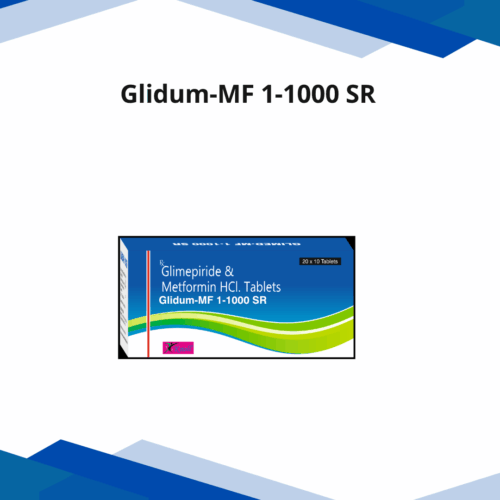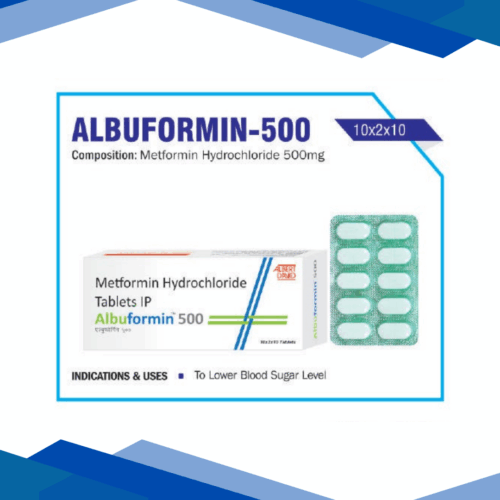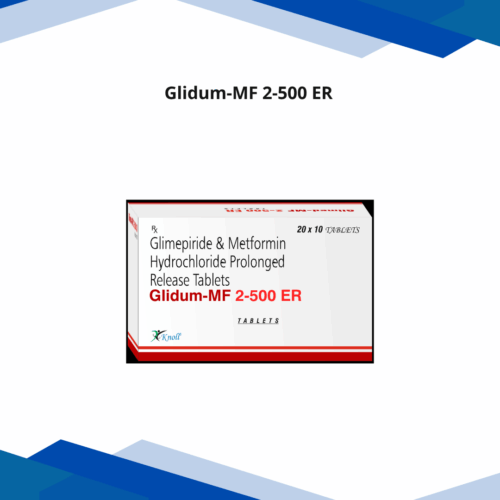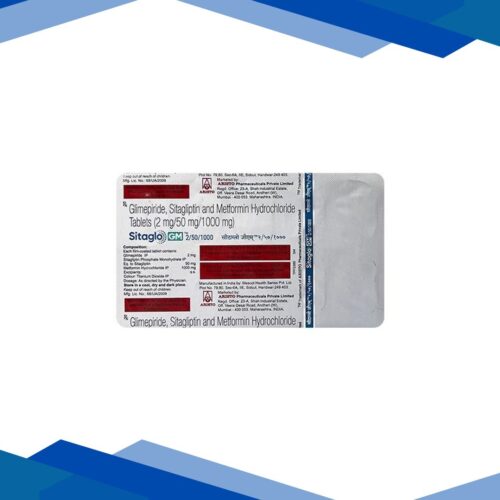
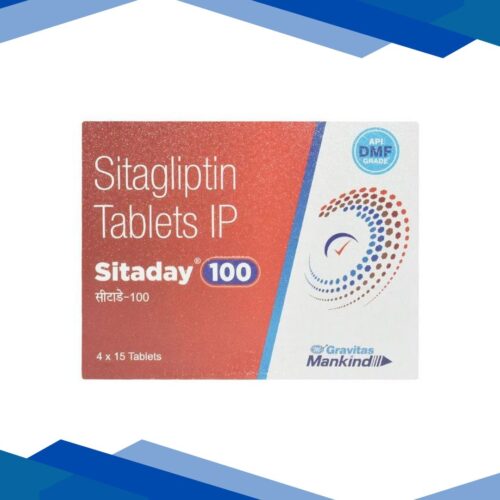
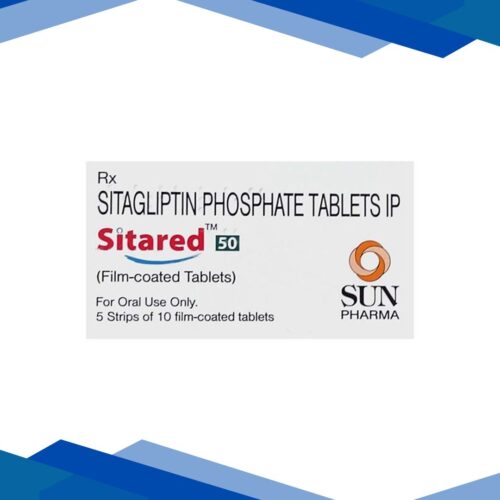
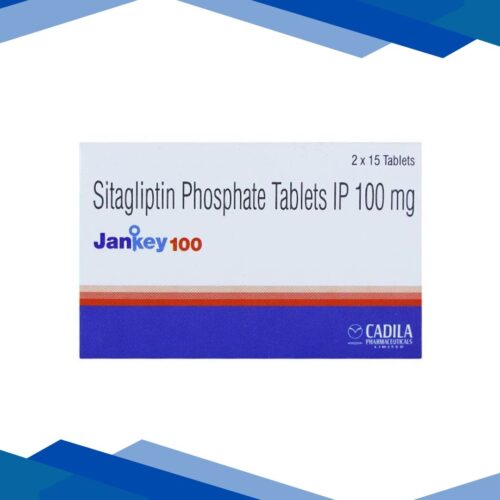
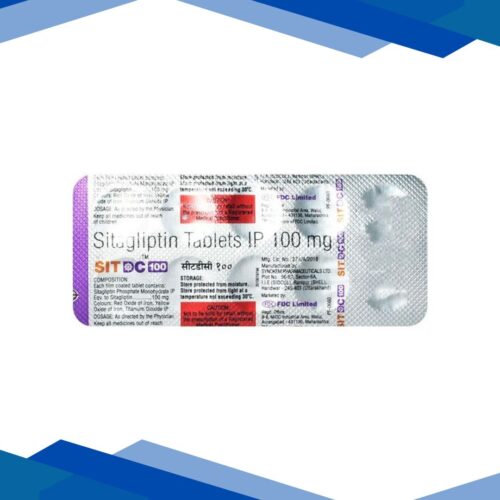
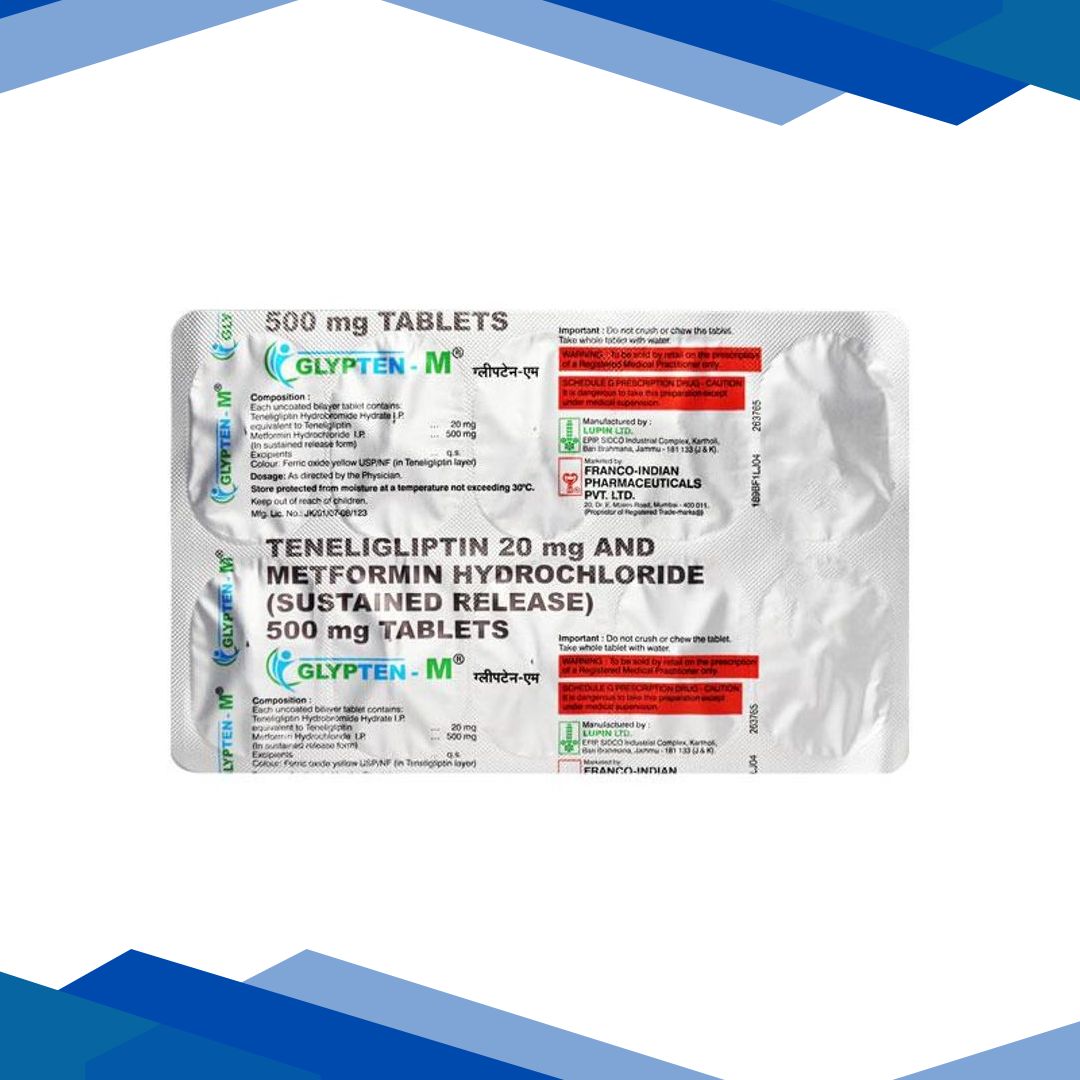
Glypten M Tablet 10’S
❌ Due to high demand, this product is currently out of stock. New stock will be available shortly.
👉 Click here to Buy Same Salt medicine
No Prescription yet? Don’t worry! Click Here to Get Online Consultation
Glypten M Tablet, also known as hyoscine butylbromide, is an antispasmodic medicine used to relieve painful cramps and spasms in the stomach, intestines, urinary tract, and reproductive organs. It works by relaxing smooth muscles through blocking the action of acetylcholine, a chemical responsible for muscle contractions. The medicine is commonly prescribed for conditions such as abdominal cramps, irritable bowel syndrome (IBS), menstrual pain, intestinal colic, and bladder spasms. It is generally well tolerated when used as directed, although some individuals may experience side effects such as dry mouth, dizziness, constipation, blurred vision, or increased heart rate. People with glaucoma, bowel obstruction, urinary retention, or certain heart conditions should use it cautiously and seek medical advice before use. Pregnant or breastfeeding individuals should also consult a healthcare professional before taking this medicine
Description
Glypten M Tablet, also known as hyoscine butylbromide, is an antispasmodic medicine commonly used to relieve painful muscle spasms occurring in the stomach, intestines, urinary tract, and reproductive organs. it works by relaxing the smooth muscles found in these organs, thereby reducing cramping, abdominal pain, discomfort, and spasmodic contractions. this medicine is widely prescribed for gastrointestinal disorders such as irritable bowel syndrome (ibs), intestinal colic, stomach cramps, and bladder spasms. it may also be used in certain diagnostic procedures to reduce involuntary muscle movements in the digestive tract.
Glypten M Tablet belongs to a class of medicines known as anticholinergic or antimuscarinic agents. unlike some related medications that affect the brain, this medicine primarily acts on peripheral organs and generally has minimal effects on the central nervous system because it poorly crosses the blood-brain barrier. this property helps reduce the likelihood of certain neurological side effects while still effectively controlling spasms and cramping in smooth muscles.
the medicine works by blocking the action of acetylcholine, a natural chemical messenger responsible for stimulating muscle contractions in the digestive and urinary systems. by preventing acetylcholine from binding to muscarinic receptors, Glypten M Tablet helps calm excessive muscle activity. as a result, patients may experience significant relief from abdominal pain, bloating, cramping, and discomfort associated with spasmodic conditions.
Glypten M Tablet is intended for adults and, in some cases, children depending on medical guidance and formulation. it may be available as tablets, injections, or oral solutions. although generally considered effective and well tolerated when used correctly, it should be taken responsibly and according to healthcare instructions. people with certain medical conditions such as glaucoma, urinary retention, bowel obstruction, or severe heart disease should exercise caution and consult a healthcare professional before using this medication.
ingredients
- Glypten M Tablet (hyoscine butylbromide): this is the primary active ingredient responsible for the antispasmodic effect of the medicine. it relaxes smooth muscles in the gastrointestinal, biliary, urinary, and reproductive tracts by blocking muscarinic receptors. this action helps relieve pain, cramping, and spasms associated with digestive and urinary disorders.
- microcrystalline cellulose: commonly used as a tablet filler and stabilizer. it helps maintain the structure and consistency of the tablet while ensuring proper absorption of the active ingredient.
- magnesium stearate: functions as a lubricant during tablet manufacturing. it prevents ingredients from sticking to equipment and supports uniform tablet production.
- starch or pregelatinized starch: used as a disintegrating agent to help the tablet break down properly after swallowing, improving medicine release and absorption.
- silicon dioxide: helps maintain stability and prevents clumping of powdered ingredients within the formulation.
- coating agents: some formulations may contain film-coating materials to improve swallowing, stability, and appearance of the tablet.
- purified water: used during manufacturing and may be present in liquid or injectable forms of the medicine.
key uses
- abdominal cramps: commonly used to relieve painful cramps and spasms in the stomach and intestines caused by digestive disturbances.
- irritable bowel syndrome (ibs): helps reduce intestinal spasms, abdominal discomfort, bloating, and cramping associated with ibs.
- intestinal colic: provides relief from sudden severe pain caused by spasmodic contractions of intestinal muscles.
- biliary colic: may help relieve pain resulting from spasms in the bile ducts or gallbladder.
- kidney and urinary tract spasms: used to reduce painful spasms in the urinary tract and bladder, including discomfort related to kidney stones.
- menstrual cramps: can help relieve lower abdominal pain and uterine spasms associated with menstruation.
- functional gastrointestinal disorders: useful in managing non-ulcer digestive discomfort linked to abnormal muscle contractions.
- diagnostic procedures: sometimes administered before imaging or endoscopic procedures to reduce movement and spasms in the digestive tract.
- postoperative intestinal spasms: may be used under medical supervision to manage spasms after certain abdominal procedures.
- traveler’s abdominal discomfort: occasionally used to manage temporary cramping and gastrointestinal spasms related to dietary changes or infections.
how to use
Glypten M Tablet should be used exactly as directed by a healthcare professional or according to the instructions provided on the medicine label. the medicine is generally taken orally with water and may be consumed with or without food. some individuals prefer taking it after meals if stomach discomfort occurs. tablets should be swallowed whole and not crushed or chewed unless specifically advised otherwise.
the timing and frequency of administration depend on the condition being treated, symptom severity, age, and overall health status of the patient. in cases of occasional abdominal cramping, the medicine may be taken when symptoms appear. for chronic conditions such as irritable bowel syndrome, healthcare providers may recommend regular use for a limited duration.
injectable forms are usually administered by healthcare professionals in hospitals or clinical settings. patients should avoid exceeding the recommended amount because excessive anticholinergic activity can increase the risk of adverse effects. if symptoms persist, worsen, or are accompanied by fever, vomiting, severe constipation, blood in stools, or unexplained weight loss, medical evaluation is necessary.
children should only receive Glypten M Tablet under professional supervision, as dosage requirements differ according to age and body weight. elderly individuals may be more sensitive to side effects such as dry mouth, constipation, urinary retention, or rapid heartbeat and should use the medicine cautiously.
safety information
- warnings: Glypten M Tablet should not be used in individuals with known hypersensitivity to the medicine or its ingredients. it is contraindicated in conditions such as myasthenia gravis, megacolon, narrow-angle glaucoma, severe ulcerative colitis, mechanical bowel obstruction, and certain forms of urinary retention. patients experiencing severe unexplained abdominal pain should seek medical attention before using the medicine, as symptoms may indicate a serious underlying condition requiring immediate treatment.
- side effects: common side effects may include dry mouth, dizziness, blurred vision, constipation, reduced sweating, nausea, and mild increase in heart rate. some individuals may also experience difficulty urinating or mild skin flushing. serious but rare side effects can include allergic reactions, severe eye pain, confusion, breathing difficulty, chest pain, and rapid heartbeat. immediate medical attention is required if serious symptoms occur.
- precautions: individuals with heart disease, enlarged prostate, thyroid disorders, liver disease, kidney problems, glaucoma, or chronic constipation should use this medicine carefully and only after medical consultation. the medicine may impair the ability to drive or operate machinery in some individuals due to dizziness or blurred vision.
- pregnancy/breastfeeding: use during pregnancy should only occur if clearly needed and recommended by a healthcare professional. although limited evidence suggests relatively low risk when used appropriately, pregnant individuals should avoid self-medication. small amounts may pass into breast milk, so breastfeeding mothers should consult a doctor before use.
- interactions: Glypten M Tablet may interact with antihistamines, antidepressants, antipsychotics, anticholinergic medicines, parkinson’s disease medications, and certain heart medications. combining it with alcohol may worsen dizziness or drowsiness. inform healthcare providers about all medicines, herbal supplements, and vitamins being used.
- dehydration risk: because anticholinergic medicines may reduce sweating, caution is advised during hot weather or strenuous physical activity, as overheating may occur more easily.
- eye safety: patients with glaucoma or symptoms such as eye pain and blurred vision should avoid unsupervised use because anticholinergic effects may increase eye pressure.
- digestive concerns: persistent constipation or worsening abdominal swelling should be medically evaluated, as the medicine can occasionally slow bowel movement excessively.
additional information
- storage: store the medicine in a cool, dry place away from direct sunlight, heat, and moisture. keep it at room temperature and out of reach of children and pets. injectable forms should be stored according to manufacturer instructions.
- missed dose: if using the medicine regularly and a dose is missed, take it as soon as remembered unless it is close to the next scheduled dose. do not double the dose to compensate for a missed one.
- overdose: taking excessive amounts may result in severe dry mouth, rapid heartbeat, difficulty urinating, confusion, agitation, blurred vision, flushed skin, and reduced sweating. in severe cases, emergency medical attention is required immediately.
- habit forming: no, Glypten M Tablet is not considered habit forming or addictive. it does not produce dependency when used as directed.
- monitoring: patients using the medicine frequently or for prolonged periods should maintain regular follow-up with a healthcare provider to ensure safe and effective treatment.
- travel advice: carry the medicine in its original packaging while traveling and avoid exposure to excessive heat or humidity.
- dietary considerations: maintaining hydration and a balanced diet rich in fiber may help reduce constipation associated with anticholinergic medicines.
- medical supervision: persistent or recurring abdominal pain should not be repeatedly self-treated without professional evaluation because underlying medical conditions may require different treatment.
frequently asked questions
Q: what is Glypten M Tablet used for?
A: Glypten M Tablet is primarily used to relieve muscle spasms and cramps in the stomach, intestines, bladder, urinary tract, and reproductive organs. it is commonly prescribed for abdominal pain, irritable bowel syndrome, and menstrual cramps.
Q: how does Glypten M Tablet work?
A: the medicine works by blocking muscarinic receptors that are stimulated by acetylcholine. this action relaxes smooth muscles and reduces painful spasms in the digestive and urinary systems.
Q: can Glypten M Tablet be taken for stomach pain?
A: yes, it is often used for stomach pain caused by spasms or cramping. however, severe or unexplained abdominal pain should be evaluated by a healthcare professional before treatment.
Q: is Glypten M Tablet safe for long-term use?
A: long-term use should only occur under medical supervision. frequent or prolonged use may mask underlying health conditions or increase the risk of side effects.
Q: can this medicine cause drowsiness?
A: some people may experience dizziness or mild drowsiness, although severe sedation is uncommon. patients should avoid driving if affected.
Q: can Glypten M Tablet help with menstrual cramps?
A: yes, it may help reduce painful uterine spasms and abdominal cramping associated with menstruation.
Q: can children use Glypten M Tablet?
A: certain formulations may be used in children under medical guidance. parents should always consult a healthcare provider before giving the medicine to a child.
Q: can i take Glypten M Tablet with food?
A: yes, the medicine can generally be taken with or without food. taking it after meals may help reduce stomach irritation in sensitive individuals.
Q: what should i avoid while using this medicine?
A: avoid excessive alcohol consumption, overheating, and using other anticholinergic medicines without medical advice, as side effects may increase.
Q: can Glypten M Tablet cause constipation?
A: yes, constipation may occur because the medicine slows intestinal muscle activity in some individuals.
Q: is Glypten M Tablet an antibiotic?
A: no, it is not an antibiotic. it is an antispasmodic medicine used to relax muscles and reduce cramps.
Q: can this medicine affect vision?
A: blurred vision may occur temporarily due to anticholinergic effects. patients should avoid activities requiring clear vision if affected.
Q: can i stop taking the medicine suddenly?
A: yes, the medicine is not habit forming and can generally be stopped when symptoms improve unless otherwise advised by a healthcare professional.
Q: what should i do if symptoms do not improve?
A: seek medical advice if symptoms persist, worsen, or are associated with fever, vomiting, blood in stools, or severe constipation.
Q: can elderly patients use Glypten M Tablet?
A: yes, but elderly patients may be more sensitive to side effects such as constipation, urinary retention, confusion, or rapid heartbeat, so careful monitoring is recommended.
Q: can i take Glypten M Tablet during pregnancy?
A: pregnant individuals should only use the medicine if recommended by a healthcare provider after evaluating potential benefits and risks.
Q: does Glypten M Tablet cure digestive diseases?
A: no, it helps relieve symptoms such as cramps and spasms but does not cure underlying digestive disorders.
this information is for educational purposes only and should not be considered medical advice. always consult a qualified healthcare professional before use.
At Gem Pharmacy, we make every effort to provide accurate, expert-written, and thoroughly reviewed information related to medicines. However, this information should not be considered a substitute for professional medical advice, diagnosis, or treatment from a qualified doctor.
The purpose of this information is to educate users and improve communication between patients and healthcare professionals. It should not be used to diagnose or treat any condition.
Always consult a certified healthcare professional before taking any medication.


Related products