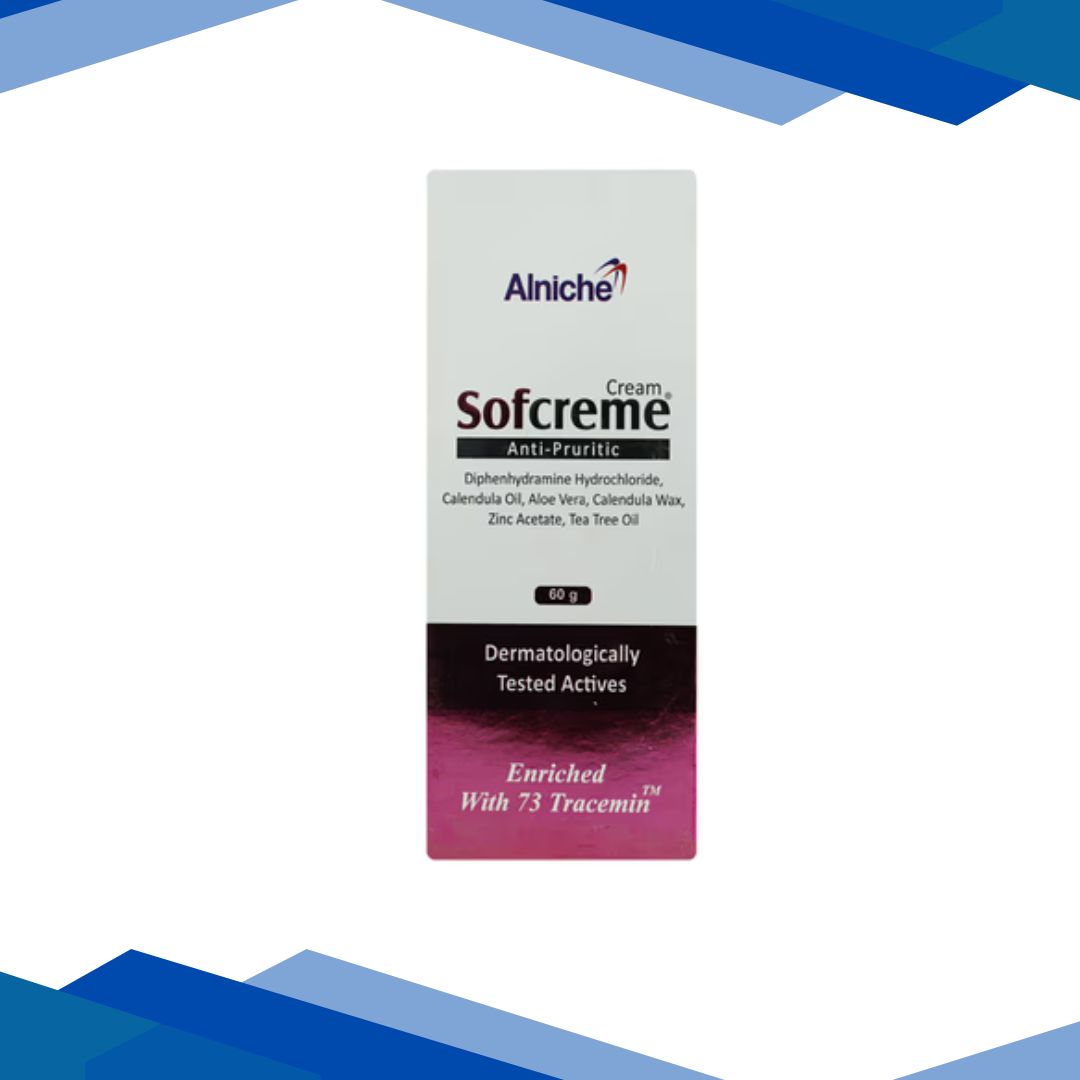
SOFCREME Cream 60gm
❌ Due to high demand, this product is currently out of stock. New stock will be available shortly.
👉 Click here to Buy Same Salt medicine
No Prescription yet? Don’t worry! Click Here to Get Online Consultation
SOFCREME Cream 60 gm is a topical anti‑pruritic and skin‑soothing cream used to relieve itching, irritation, dryness and discomfort associated with minor skin conditions such as insect bites, rashes, sun exposure, or other mild irritations while also hydrating and nourishing the skin. For more details kindly click on Medicine Salts below:
Aloe Vera
One such potent botanical extract has been known since ancient times as Aloe Vera, commonly referred to as "plant of immortality!" In dermatology and gastroenterology, Aloe Vera has a strong presence. Aloe Vera contains more than 75 bio-active compounds, including vitamins, enzymes, minerals, and amino acids, all acting as natural anti-inflammatories and antiseptics. It is used as a skin healer in pharmaceutical grades in topical gels, and as an oral ingestion or juice to support digestive health, and glycaemia control.
Summary of Medical Benefits and Uses
Dermatological use: Acceleration of the healing of first and second-degree burns and sunburn by stimulation of collagen synthesis
Herpes healing properties: Acts as a mild and natural relief for the stomach lining to bring relief from their respective complaints of acid reflux and irritable bowel syndrome.
A further beneficial indication, as borne out in some clinical trials, is that the intake of Aloe Vera juice may reduce fasting blood glucose levels among Type 2 Diabetes patients.
Controlled and subsequent oxidative injuries by improving the strength of antioxidants within the body, thereby conferring viable protection against dangerous pathogens.
Natural biocide effects which fight against the limited growth of any bacteria, Franken-drug, bacteriacidal, bad for the skin or gums, along with acute infections
Assists with breaking down bad digestive enzymes.
Appearance and Composition
100% Aloe Barbadensis Leaf Juice
Emollient / Digestive Tonic
Grade Standards
Paraben Free, Sulphate Free,No Added Artificial Colorants.
Dominant Ingredients
Acemannan (Complex Carbohydrates) 30%, Vitamin E 0.35%, Zinc 0.14%
Usage Information
For Skin/Hair: Apply the preferred amount to the affected area. For a cool effect, keep in the refrigerator for about 15 minutes before use.
For Digestive Health: If using orally, mix 20–30 mL twice with an equal amount of water to be consumed one take empty stomach.
Concern: Best results are seen from application or consumption when done continuously for 7-10 days.
Cautions/Attention
Patch Testing-Most importunately Always carry out a small patch test on the inner wrist to make sure no reactions occur from rare plantallergies with this botanical.
Pregnancy & Nursing-It is typically not suggested to take orally Aloe Vera latex or supplements during pregnancy, as it may cause uterine contractions and stomach cramps.
Surgical Note-When a patient has plans for surgery, it is advised that oral intake be stopped at least 2 weeks before the set date, as it may interfere with the blood sugar marker upon procedure.
Laxative Effect: High intake can cause diarrhea or abdominal cramps because of the presence of aloin.
Frequently Asked Questions (FAQs)
Q: Should Aloe Vera gel be put on open wounds?
Although suitable for minor burns and scrapes, avoid applying Aloe Vera to deep, infected or surgical wounds without the advice of a surgeon since it might prevent the natural closing of deeper tissue.
Q: Are the "Gel" and "Juice" different?
Yes. Gel meant for topical use is the thick substance found inside the leaf. The juice is usually treated for a drink to assist digestion. However, never consume gel meaning only for topical use.
Q: Is Aloe Vera good acne?
Aloe Vera does have some antibacterial properties which can help reduce acne-causing bacteria and reduce the redness on skin after any outbreak. For cystic acne, use prescription medication in addition to an ointment.
Q: Why some Aloe Vera looks green, while some are clear?
Natural Aloe Vera gel is usually clear or slightly yellowish. Gels with bright green color are bound to contain artificial dyes that add no therapeutic potential. The clearest and fragrance-free version is usually the best option for medicinal use.
Q: Can it be used as a moisturizer for oily skin?
Definitely yes. Non-comedogenic in nature, it will hydrate without clogging pores or causing any greasiness, thus being a perfect remedy for oily or acne-prone skin types.
Storage Tips
Shelf Life: Your bottle of aloe Vera should be placed in a cool, dry place that's away from direct heat. Being an organic plant material, one must understand that it will gradually darken: rather often seen as the process of normal aging and oxidation. An increase in color should not be seen as the product is unacceptable.
Important Considerations: The information given is only general information. Therefore, the reader must not seek self-therapeutic advice but contact his/ her attending physician or dermatologist for the same.
Calendula Oil
Key Benefits of Calendula Oil
Accelerates Skin Healing: The treatment enhances the healing process of minor skin injuries through its ability to promote epithelial cell growth which enables faster closure of small wounds and scrapes and burn injuries.
Deeply Soothing: The oil delivers instant relief to skin that has become inflamed and to rashes and to dermatitis and eczema symptoms.
Natural Antiseptic: The product contains low-level antimicrobial components which create a protective barrier against harmful microbes that enter through minor skin cuts.
Hydration Boost: The product contains fatty acids which provide essential hydration to restore dry and cracked skin especially on elbows and knees and heels.
Gentle for All Ages: The product's mild formulation makes it suitable for treating diaper rashes in infants and for treating sensitive skin conditions that affect adults.
How to Use
Cleanse: The person needs to wash the affected area using mild soap and then dry the area by patting it with a towel.
Apply: The user should apply 2 to 3 drops of Calendula oil or a Calendula-infused cream.
Massage: The user should apply the oil to their skin and then use light massage until their skin absorbs all the product.
Frequency: The product should be applied two times every day or according to the instructions given by a medical professional to achieve optimal outcomes.
Common FAQs
Is Calendula oil safe for sensitive skin?
Yes, Calendula is widely recognized for its compatibility with sensitive and easily irritated skin. However, as with any new topical product, a patch test on a small area of the forearm is recommended before widespread use.
Can I use it on open wounds?
The healing properties of Calendula make it suitable for treating minor skin injuries although the treatment should only be used on surface-level skin damage. The person should seek immediate medical attention for deep puncture wounds or severe blood loss.
How is it different from common Marigold flowers?
Medicinal Calendula (Calendula officinalis) exists as a separate species from decorative Marigold (Tagetes) which people grow in their gardens. Only Calendula officinalis is used for therapeutic-grade oils.
Are there any side effects?
Calendula can be safely applied to the skin for most people who want to use it. H…
Diphenhydramine Hydrochloride
Diphenhydramine Hydrochloride: A Great Help for Allergies, Cold, and Insomnia
Diphenhydramine Hydrochloride is a first-generation antihistamine commonly used to relieve seasonal allergies and symptoms of the common cold. It is also sometimes used short-term for insomnia, motion sickness prevention, and situational sleep problems that require medical attention.
How The Drug Works
The primary action of Diphenhydramine is blocking histamine, a chemical released by the body during allergic reactions. The drug crosses the blood-brain barrier quickly and also has anticholinergic effects, which help reduce symptoms like itching, sneezing, and a runny nose.
By reducing histamine activity, the medication also dries excess secretions in body membranes, helping clear the upper respiratory tract and reduce irritation.
Primary Uses & Benefits
Allergy: Helps relieve sneezing, itchy or watery eyes, skin rash, mosquito bites, and hives.
Common Cold: Helps dry nasal passages and reduce postnasal drip.
Sleep Aid: Causes drowsiness, which can help manage temporary insomnia.
Motion Sickness: Helps reduce nausea, dizziness, and lightheadedness during travel.
Parkinsonism: Sometimes used as an adjunct therapy to reduce tremors and muscle stiffness in early stages.
Safety Overview: Use with Care
Category | Clinical Guidance
Alertness: High risk. This medicine can cause significant drowsiness, so avoid driving or operating heavy machinery.
Alcohol: Strictly avoid. Alcohol can intensify the sedative effects of Diphenhydramine and may lead to severe dizziness or breathing problems.
Elderly Patients: Use with caution. Older adults may experience confusion, dizziness, or next-day “hangover” effects.
Children: Consult a pediatrician first. Some children may experience paradoxical excitement instead of sleepiness.
Possible Side Effects
Although Diphenhydramine is effective, some side effects may occur due to its drying and sedative properties.
Dryness: Dry mouth, nose, or throat may occur. Staying well hydrated can help manage this.
Vision: Some people may experience blurred vision or sensitivity to bright light.
Digestive: Mild constipation or stomach upset may occur.
Other Effects: Headache, heart palpitations, or a groggy feeling the next morning when used as a sleep aid.
Patient Tip: If using Diphenhydramine for motion sickness, take it about 30 minutes before traveling. Chewing sugar-free gum may also help reduce nausea.
Frequently Asked Questions (FAQs)
1. Can I take Diphenhydramine every night to help me sleep?
It is generally intended for short-term use only, usually no more than 7–10 days. Over time, the body can develop tolerance to its sedative effects, making it less effective. Consult a healthcare professional if insomnia continues.
2. Why does it make my mouth so dry?
This occurs due to its anticholinergic effects, which reduce mucus and saliva production. Drinking water frequently or using lozenges may help relieve dryness.
3. Can I take this medicine with other cold medicines?
Be careful. Many multi-symptom cold medicines already contain antihistamines. Combining them may lead to accidental overdose. Always check the active ingredients before taking multiple medications.
4. How long do the effects last?
The medication usually starts working within about 2 hours and the effects typically last 4–6 hours. It may be taken multiple times daily for allergies or once at night for sleep support.
5. What should I do if I miss a dose?
If you miss a dose, take it as soon as you remember. If it is close to the next scheduled dose, skip the missed one. Do not double the dose, as this may lead to excessive drowsiness or other side effects.
Tea Tree Oil
Zinc Acetate
Zinc Acetate (USP/IP)
Zinc Acetate in its bioavailable salt form is the most essential source of trace Zinc which could help build the deteriorated health system. It is mainly used in the treatment of Wilson's disease (a genetic disorder in which copper builds up) and also as an emergency Zinc replenisher for acute Zinc deficiency. Through the stimulation of metallothionein production in the intestinal cells, it blocks copper absorption from the diet preventing the accumulation of a toxic amount of copper in the blood and liver.
Indications
1. Copper Management: The gold standard for long term maintenance therapy in Wilson’s Disease.
Immune System Support: housing production of immune cells: An immune system activator, Zinc acetate helps in fighting off viral infections and the common cold.
Wound Healing: Stimulates tissue growth, therefore promoting skin integrity.
Growth & Development: Plays a definitive role in healthy physical growth and cognitive development in children and adolescents.
Key Features
Superior Absorption: The acetate form has better absorption through the gut as opposed to the oxide and sulfate forms.
Gastric Tolerance: It is generally well tolerated by the stomach and does not elicit the metallic taste or nausea that may occur with zinc salts.
Clinically Proven: The quick correction of zinc acetate in hospital settings is an example of clinical grading.
Dosage of Zinc Acetate
On an Empty Stomach: The best absorption results will occur if it is taken at a minimum of 1 hour should it be prior to food, and up to 2–3 hours in the event it is administered afterwards.
Consistency: All meals should be at the same time every day since then your body will maintain a continuous level of minerals.
Avoid interference: Do not take Zinc Acetate along with iron or calcium supplements as they will compete for absorption.
Side Effects & Safety
While Zinc Acetate is safe for most, some individuals may experience:
Mild stomach upset or cramping.
Nausea, which can be minimized by changing the timing of dosing.
Changes in taste.
Warning: Zinc, taken over the long term and in high doses, leads to copper deficiency. Your blood count and cholesterol levels might be monitored by your healthcare provider during treatment.
Precautions & Warnings
Pregnancy/Breastfeeding: Consult with your doctor because zinc requirements while pregnant will change and the dose should be very carefully regulated.
Kidney Health: Any patients with already-existing kidney problems should strictly use this medication as directed by a competent physician.
Laboratory Tests: If you are having any lab tests, be sure to inform your doctor that you are taking zinc or have recently stopped it, as it might interfere with certain lab tests for liver functioning.
Most Frequently Asked Questions (FAQs)
Q: Does Zinc Acetate cure the common cold?
While it is not a “cure,” studies show that using Zinc Acetate lozenges or syrup within 24 hours after the onset of symptoms can significantly decrease the duration and severity of symptoms.
Q: Explain why you would use it for Wilson's Disease.
In Wilson Disease, the body is unable to excrete copper. Zinc acts as a binder, trapping the bulk of the copper from the diet in the intestinal lining and is eliminated via natural bowel movements, so that less copper goes out of the intestine and enters the bloodstream.
Q: Can I drink milk coffee with it?
No, both caffeine and phytates are in dairy products, and when these become bound up with Zinc, your body cannot use it. Water should be the only liquid used with it.
Q: For how long do I need to take this supplement?
For Wilson's Disease, it is normally lifelong treatment. Supplements are usually prescribed for 10 to 14 days in other cases of severe deficiency or to keep up the immune balance.
Q: What if I forget to take one dose?
If you forget to take a pill one day, take it as soon as you remember, as long as it is not almost time for the following dose. Never double your dose just to “catch up.”
At Gem Pharmacy, we make every effort to provide accurate, expert-written, and thoroughly reviewed information related to medicines. However, this information should not be considered a substitute for professional medical advice, diagnosis, or treatment from a qualified doctor.
The purpose of this information is to educate users and improve communication between patients and healthcare professionals. It should not be used to diagnose or treat any condition.
Always consult a certified healthcare professional before taking any medication.


Related products
Bodywise Anti Dandruff Serum 50 ml
Scalp Sense Hair & Scalp Conditioner 200 ml