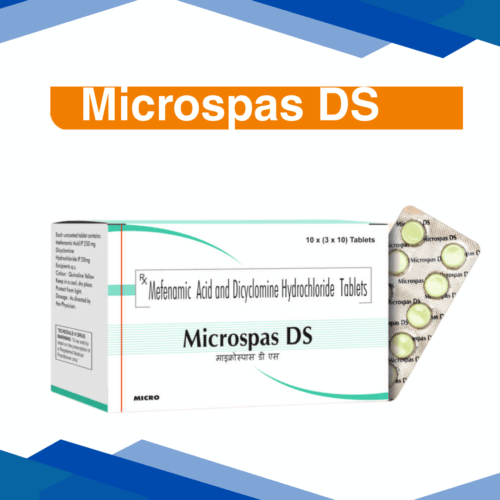













Spasmofirst Tablet 10’S
Dicyclomine hydrochloride
Dicyclomine hydrochloride has an antispasmodic effect and is used for treatment of symptoms of functional or irritable bowel syndrome. It stiffens the muscles of the stomach and intestines to lessen abdominal pain, bloating, and discomfort due to spasticity.
Mechanism of Action
Dicyclomine belongs to the class of medications referred to as anticholinergics/antispasmodics.
This Medication Acts By:
• Muscle Relaxation (by blockade of the neurotransmitter acetylcholine)
• Impaired Gut Motility (thereby calming the action of the digestive tract with potential for restoring more coordinated movements of the bowel and relieving a good part of the cramping).
Indications and Key Uses
IBS Trip Relief: Really working against the always frustrating chronic pain in the abdomen seen with irritable bowel syndrome.
Decreases hypothyroidism: This medicine is also good in alleviating the symptoms of gas or digestive discomfort with acute spasm.
Immediate Ampitheatre: This is for patients who experience immediate discomfort after having a meal.
Dosage & Administration
Administration: This product is generally taken four times a day, the best time being between 30 minutes and 1 hour before meals.
Consistency: It is your routine every day to maintain Dicyclomine at an equal level in the blood.
Missing a Dose: In case of a missed dose, you should take it as soon as you remember. If minor time remains for the next dose, skip the missed dose, do not have a double dose.
Side Effects
For the majority of individuals, Dicyclomine is exceptionally well tolerated; but it may indicate signs of:
- Unpleasant mouth and throat
- Experiencing a type of visual discomfort, occasionally accompanied by dizziness
- Mild nausea
- Sedative effect
Urgent: These signs are more concerning: if they occur, then inform your good physician regarding your condition.
FAQ for Dicyclomine Hydrochloride
Dicyclomine is usually to be either four times every day or before your complete dose.
1. Can I put Dicyclomine on an empty stomach?
The best time to take Dicyclomine is actually around 30 to 60 minutes earlier than your meal to avoid developing symptoms of post-meal cramping.
2. Does Dicyclomine make a person sleepy?
Yes, one or more of these can cause dizziness or blurred vision. Please don't drive a car or do anything dangerous until you have discerned how the drug affects you and does not allow these effects to steer your reaction.
3. Is Dicyclomine an anti-pain drug?
At large, no, the medication is not purely an analgesic (like Paracetamol). It only suits muscle spasm pains of the digestive tracks. Then as an analgesic, it cannot be wanted word-for-word for headaches or structural injuries.
4. Can I drink alcohol while taking the medication?
Do not at all in any causal circumstances use alcohol to be mixed with Dicyclomine, lest it might add to extreme forms of would-be drowsiness or coordination problems.
5. How long will Dicyclomine take to work?
While the one-off dose might offer relief to people within an hour or two, others might need several weeks of continuous use to treat long-term patients.
Special Recommendations:
Pregnancy/lactation: Consult a doctor; use in such stages if benefit outweighs risk.
Glaucoma: It is not recommended in cases of narrow-angle glaucoma.
Hydration: Keep yourself warm during hot weather while you are on this med as the drug can reduce sweating.
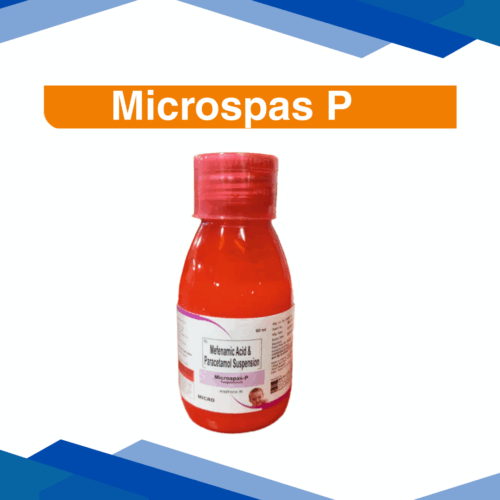
Mefenamic Acid
Mefenamic Acid 500mg Tablet
Mefenamic Acid is a well-known Non-Steroidal Anti-Inflammatory Drug (NSAID) used for mild-to-moderate pain relief. It is most commonly prescribed for dysmenorrhea and musculoskeletal pain. The drug works by inhibiting the production of prostaglandins, natural chemicals responsible for pain and inflammation.
Indications for Use
Period Pain Relief: Highly effective in reducing uterine contractions and decreasing menstrual flow.
Musculoskeletal Troubles: Relieves pain from sprains, strains, and lower backache.
Dental Problems: Used as an adjunct for toothache or post-dental procedure pain.
Recovery from Postoperative Setbacks: Helps manage pain and swelling after minor surgeries.
Arthritic Pain: Provides temporary relief from inflammation in rheumatoid arthritis and osteoarthritis.
Administration of Mefenamic Acid
With Food: Always take this medicine with or immediately after food or with milk to reduce stomach irritation.
Hydration: Maintain good fluid intake to support kidney function while using this medication.
Timing: Best taken at the first sign of menstrual cramps or bleeding for optimal effectiveness.
Kidney & Heart Health: Patients with heart disease or renal impairment should seek medical advice before use.
Potential Side Effects
Most individuals tolerate Mefenamic Acid well, but some may experience:
Occasional nausea or heartburn
Slight dizziness or a “fuzzy” feeling
Drowsiness
Diarrhea (if persistent or severe, discontinue use)
Seek immediate medical attention if you notice skin rash, facial swelling, or dark stools.
Frequently Asked Questions (FAQs)
Q: Can Mefenamic Acid stop heavy menstrual bleeding?
A: While primarily a pain reliever, it can also help reduce menorrhagia by lowering prostaglandin levels in the endometrium.
Q: How long does it take to work?
A: Most users experience pain relief within 1–2 hours after taking the tablet.
Q: Is it safe to take on an empty stomach?
A: No. Taking NSAIDs like Mefenamic Acid on an empty stomach may cause acidity or gastric irritation. Always take it with food or a snack.
Q: Can this medicine be used during pregnancy?
A: It should not be used in the third trimester, as it may affect the baby’s heart or delay labor. Always consult your OB-GYN before use.
Q: Can I drink alcohol while taking Mefenamic Acid?
A: It is best to avoid alcohol, as both alcohol and the drug can irritate the stomach lining, increasing the risk of ulcers or bleeding.
At Gem Pharmacy, we make every effort to provide accurate, expert-written, and thoroughly reviewed information related to medicines. However, this information should not be considered a substitute for professional medical advice, diagnosis, or treatment from a qualified doctor.
The purpose of this information is to educate users and improve communication between patients and healthcare professionals. It should not be used to diagnose or treat any condition.
Always consult a certified healthcare professional before taking any medication.


Related products