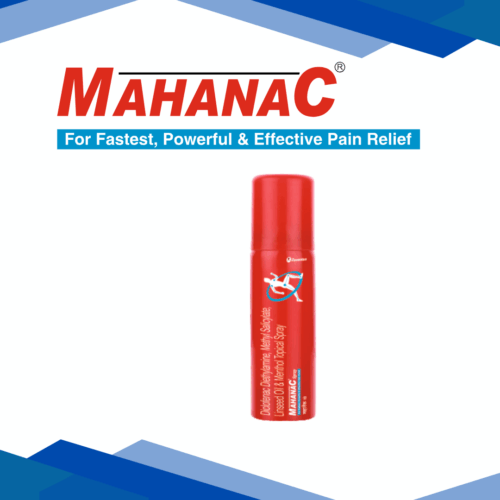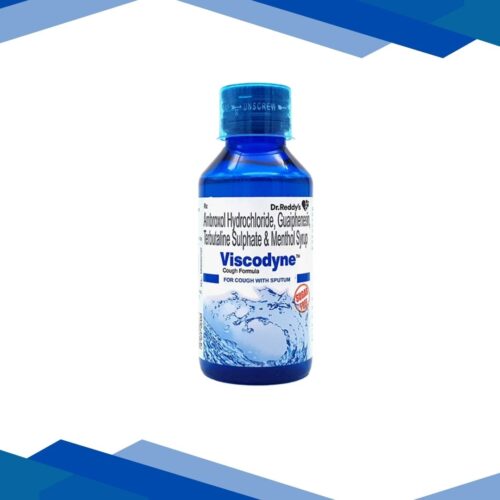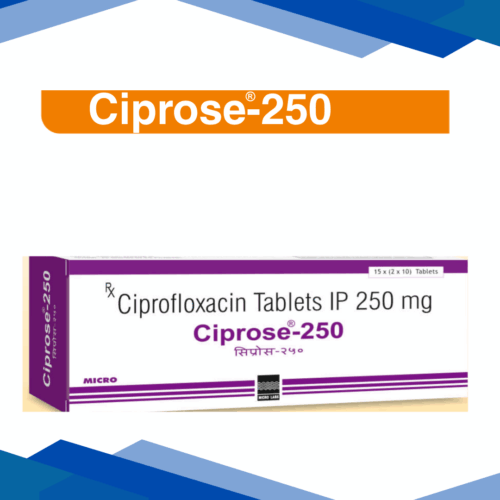


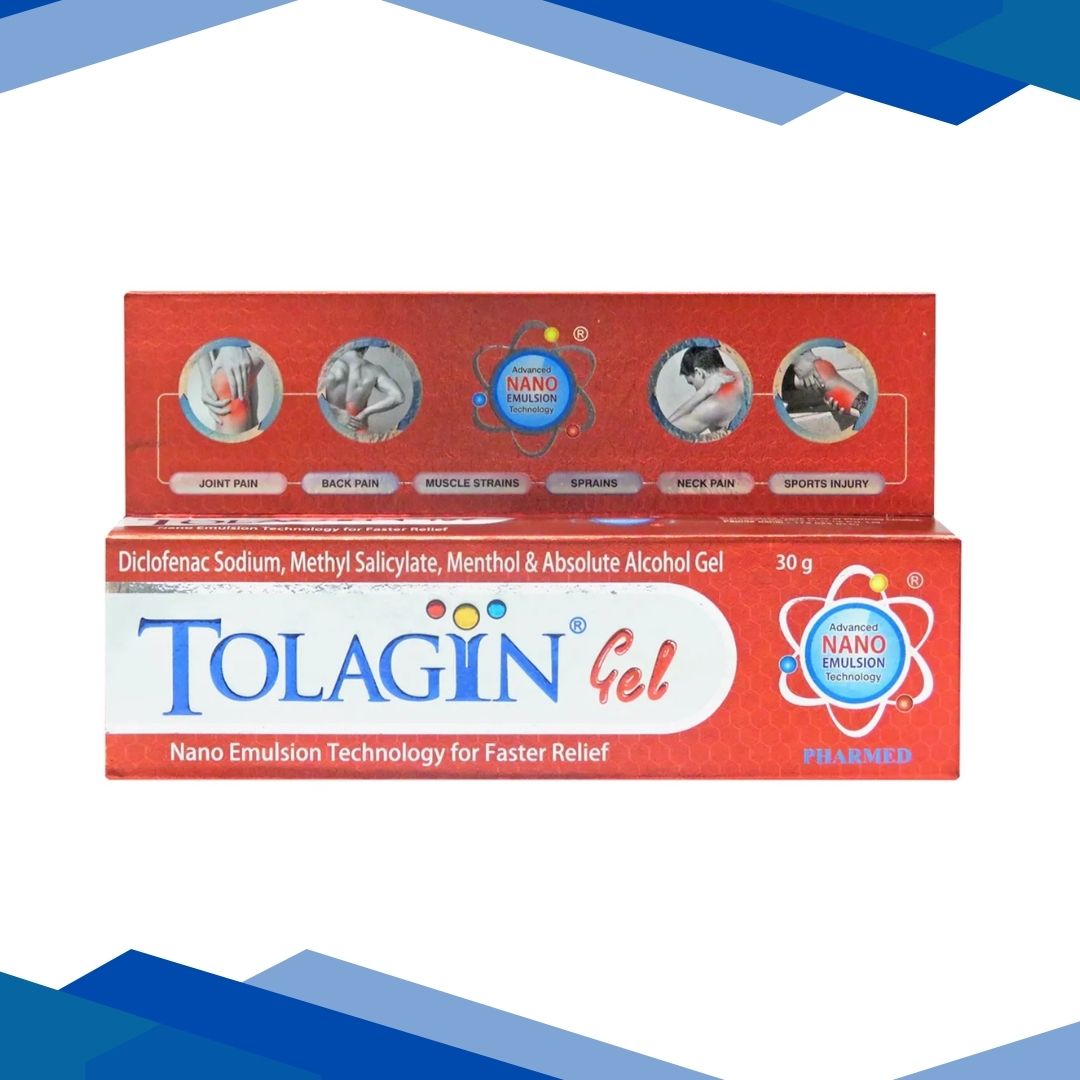
Tolagin Gel 30gm
No Prescription yet? Don’t worry! Click Here to Get Online Consultation
Tolagin Gel | Nano Emulsion Technology for Faster Pain Relief is a pain-relieving medicine. It is used to treat various conditions such as joint pain, neck pain, sprains, spasms, and others. It works by blocking the release of certain chemicals that cause pain and inflammation. It also provides a cooling sensation to the affected area.
Diclofenac Sodium
Diclofenac Sodium: An Aid in Pain and Swelling
Diclofenac Sodium is a widely used Non-Steroidal Anti-Inflammatory Drug (NSAID) that helps reduce pain and inflammation. Whether dealing with chronic conditions such as arthritis or acute pain after an accident or sports injury, Diclofenac works by blocking prostaglandins, the body’s natural chemicals responsible for pain signals and swelling.
Uses In Brief
Management for Arthritis Conditions: Osteoarthritis, Rheumatoid Arthritis, and Ankylosing Spondylitis.
Pain Reliever: Helps relieve back pain, toothaches, and sports-related injuries.
Menstrual Comfort: Provides relief from dysmenorrhea, which refers to severe menstrual cramps.
Relief from Migraine: Certain oral formulations are used during the early phase of migraine attacks.
Quick Facts for Patients
Onset Time: Tablets usually start working within 30–60 minutes.
Food: It is preferable to take the tablet with food or milk to reduce stomach irritation.
Consistency: Take the medication at approximately the same time each day to maintain stable drug levels in the body.
Safety Profile & Expert Advice
Therapy
Guidance
Alcohol: Avoid alcohol. Combining alcohol with Diclofenac can increase the risk of gastric bleeding and ulcers.
Pregnancy: Consult your doctor. Use during late pregnancy may cause heart-related complications in the baby.
Long-Term Use: NSAIDs should be used cautiously for prolonged periods, as they may slightly increase the risk of heart attack or stroke.
Kidney/Liver: Dose adjustments may be required for individuals with kidney or liver disease.
Potential Side Effects
Most patients do not experience severe adverse effects, but some individuals may notice mild symptoms:
Common: Indigestion, bloating, nausea, or mild dizziness.
Less Common: Heartburn, constipation, or mild headache.
Serious (Contact a Physician): Bloody or black tarry stools, yellowing of the eyes, or sudden swelling in the legs require immediate medical attention.
Frequently Asked Questions (FAQs)
1. Is Diclofenac Sodium the same in effect as Ibuprofen?
Both belong to the NSAID family, but Diclofenac is generally considered stronger and is often used for severe joint pain and inflammatory conditions, while Ibuprofen is commonly used for milder pain and fever.
2. Can I take Diclofenac Sodium on an empty stomach?
It is recommended to take it with food, milk, or an antacid. Taking NSAIDs on an empty stomach may irritate the stomach lining and increase the risk of gastritis or ulcers.
3. For how long can I safely take this medicine?
For acute pain, the duration should generally be short (around 3–5 days). For chronic arthritis, doctors may recommend longer treatment with regular monitoring of kidney and liver function.
4. Will it make me sleepy?
Drowsiness is uncommon, but some individuals may experience mild dizziness or slight drowsiness. It is best to observe how your body reacts before driving or operating heavy machinery.
5. Can I use Diclofenac gel while taking oral Diclofenac?
Combining oral and topical Diclofenac can increase the total amount of Diclofenac in the bloodstream. Always consult your healthcare provider before using both forms to avoid accidental overdose.
Menthol
Menthol (Topical Analgesic)
Menthol is natural ingredient that occurs organically and is extracted from peppermint and other mint oils. It has certain pharmacological properties due to the topical analgesic and counterirritant that is widely utilized in pharmaceutical applications. When applied to the skin, it binds to the cold-sensitive receptor termed TRPM8 nicotine, and thus generates a cooling sensation. It works by producing enough cooling sensation to distract the brain from underlying pain signals, therefore providing some relief, deceiving the skin's pain receptors and authors. It is commonly used in muscle-recovery products and patches to mitigate joint pain.
Primary Indications
Muscle & Joint Relief: Temporary relief of minor aches and pains, caused by arthritis, simple backaches, strains, and sprains.
Counterirritant Action: Provides a cooling, slightly warming sensation with benefits of desensitization of pain nerve endings.
Itch & Irritation Control: Effectively don't entertain the itching from insect bites, sunburn, or minor skin rashes.
Respiratory comfort: Often used in chest rubs to emotionally relieve symptoms of feeling clear airways during common colds.
Post-Workout Recovery: Helps reduce the perception of soreness in overworked muscles and tendons.
The Product Specifications
Drugs Group: Topical Analgesic/ Counterirritant.
Formulations: Gels, sprays creams, ointments, medicated patches are available.
Concentration: Ranges generally from 1% and 16% as per the strength.
Appearance: Clear liquid or white crystalline material, characteristic of a minty aroma.
Instructions of Use
For Pain Relief: Clean and dry the affected area. Then apply a thin layer of gel or cream to the area 3-4 times daily.
Sprays: Spray on the skin evenly from 4" to 6" distance. Do not rub unless otherwise specified.
Patches: Stick one patch to the painful area and leave it for as long as 8 hours. Don't use more than one patch that has formed into a mass.
Hygiene: Wash your hands thoroughly with soap after application to avoid any accidental contact with the eyes and mucosa.
Safety Precautions & Warnings
For external use only: Do not ingest menthol-based topical products.
Avoid Over Broken Skin: Never apply to an open wound, damaged skin, or any irritated rashes.
No Heat therapy: Whether using a heating pad, hot water bottle, or tight bandage applied to the area, do not apply heat either. This will increase permeation and cause severe skin burns.
Flammability: Some menthol sprays and gels are flammable. Keep away from open flames or high heat until the product has completely dried on the skin.
Children: Consult a pediatrician before using on children under 12.
Frequently Asked Questions (FAQs)
Q: How does Menthol actually stop pain?
Menthol does not "numb" the pain as a local anesthetic does, but rather acts as a counterirritant. As the compound creates an intense cold sensation, it blocks the pain signals headed to the brain, effectively turning down the volume on discomfort.
Q: Can Menthol be used with a heating pad?
No. This is a major danger. Menthol causes the blood flow to the skin to increase, and the application of heat tends to make the medication be absorbed too quickly or cause some very bad burns and blisters.
Q: Why do I instantly feel cold but end up feeling warm?
This is essentially because of the 'counterirritant effect.' The menthol first activates the cold receptors, offering initial cooling effects. Then the local circulation is elevated when it is rubbed in, and the now-warm sensation is relaxing tight muscles.
Q: Can Menthol be used with an oral pain medication?
Yes, in practice, no! Since menthol is only used topically, so very little of it penetrates your bloodstream. However, let your doc know if you're on blood thinners, say, on Warfarin, because some of the topical formulations can have methyl salicylate, which can interact with them.
Q: Will the Menthol smell "stick"?
The very minty smell is the strongest during application and then dissipates as the product dries down. I would suggest many "vanishing scent gels" for a more subtle application, if the user prefers it that way.
Methyl Salicylate
At Gem Pharmacy, we make every effort to provide accurate, expert-written, and thoroughly reviewed information related to medicines. However, this information should not be considered a substitute for professional medical advice, diagnosis, or treatment from a qualified doctor.
The purpose of this information is to educate users and improve communication between patients and healthcare professionals. It should not be used to diagnose or treat any condition.
Always consult a certified healthcare professional before taking any medication.


Related products