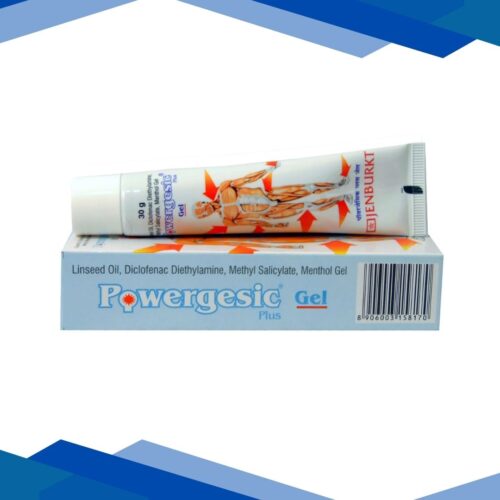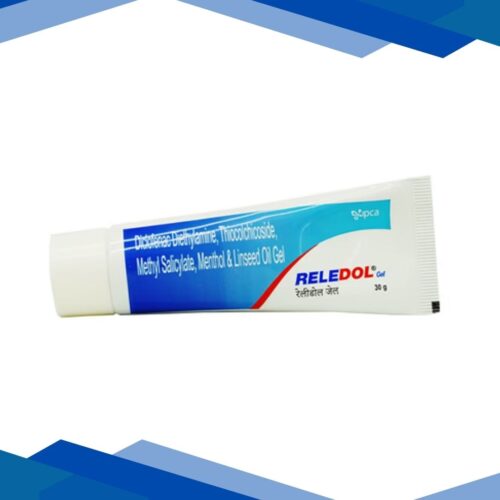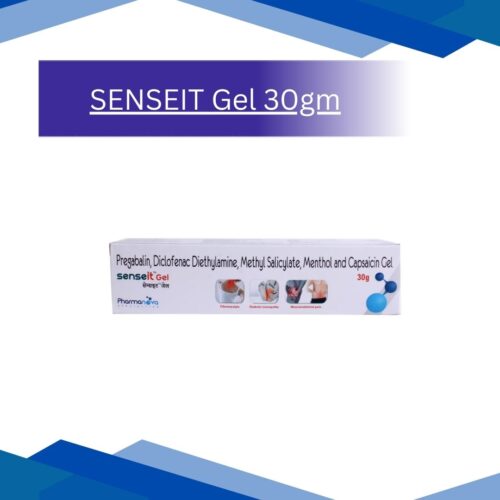

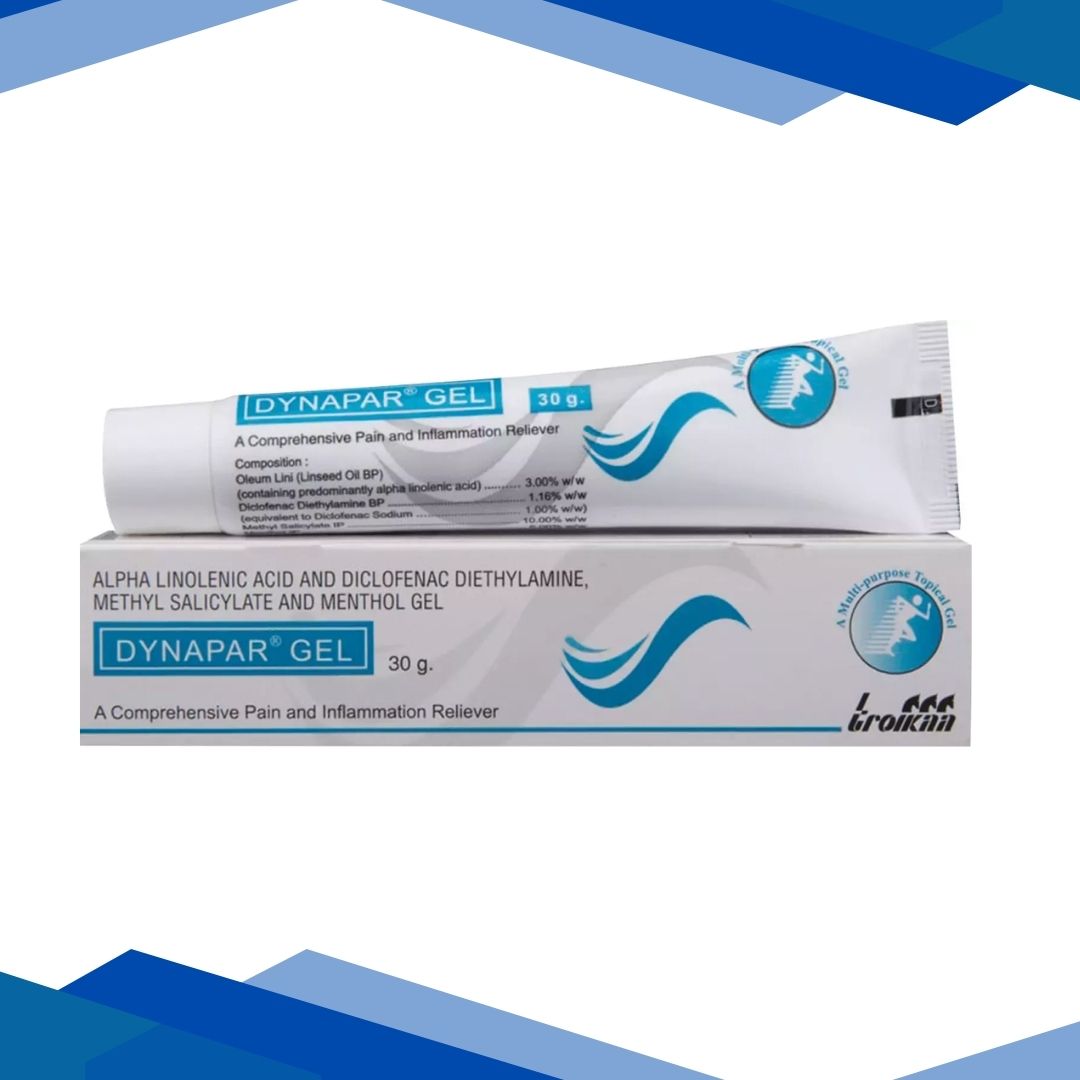
Dynapar Gel 30gm
Dynapar Gel is used to relieve acute musculoskeletal pain and osteoarthritis. It effectively reduces pain, swelling, and joint stiffness, thereby improving one’s ability to move and flex the joint. Osteoarthritis is a long-term musculoskeletal joint disorder that causes damage to the cartilage and surrounding tissues and is characterized by pain, swelling, stiffness, and loss of function.
Alpha Linolenic Acid
Alpha-Linolenic Acid (ALA): The Essential Omega-3 Powerhouse
Alpha-Linolenic Acid (ALA) is a vital, polyunsaturated fatty acid belonging to the Omega-3 family. Contra the body could make some fats on its own, ALA is "essential," meaning it cannot produce itself. It must therefore be taken in through one's diet or high-grade supplements. Mostly from the most exotic vegetarian sources, such as flaxseeds, chia seeds, and walnuts, ALA creates the offspring of all other major fat molecules, such as EPA and DHA.
Discover Therapeutic Benefits & Uses
Cardiovascular Support: ALA could not only protect normal cholesterol levels but really helps reduce systemic inflammation in the body.
Brain Health: As a significant part of cell membranes, ALA assists in brain function, supporting cognition and potentially reducing the development of age-related cognitive decline.
Skin and Hair: Maintains the skin barrier (which is how moisture is retained in skin) giving it a natural glow; also, it strengthens hair follicles so that down the road some follicles might still be alive and strong on top of the head.
Anti-Inflammatory Properties: Suitable for conditions of joint stiffness or other chronic inflammatory conditions.
Quick Product Facts
Feature
Details
Category
Essential Fatty Acid / Omega-3
Primary Sources
Flaxseed Oil, Perilla Oil, Walnut Oil
Best For
Heart Health, Skin Care, Brain Function
Vegetarian Status
100% Plant-Based (Ideal for Vegans)
How to Incorporate ALA into Your Routine
Dosage: Requirements vary depending upon age and gender, but, for most adults, an intake between 1.1g and 1.6g is considered beneficial. Always refer back to the specific content concerning your supplement on its label.
Storage is Critical: As it is an unsaturated fatty acid, ALA is highly unstable in light and heat. Keep your capsules or oil in a cool dark place to prevent it from going rancid, aka oxidizing, leaving your body without the nutrient.
Timing: To ensure optimum absorption and help combat any 'fishy' or 'nutty' aftertaste, it is best to take the supplement with your main meal.
Safety Guidelines & Precautions In Generality
Alpha-Linolenic Acid is safe for most people, but watch out for:
Possible Side Effects:
Mild digestive upset or bloating.
Most common is a temporary increase in number of bowel movements (specific with flax-based ALA).
Interpreted Expert Comments:
Blood Thinning: Omega-3 fatty acids in higher doses have a slight blood-thinning effect. This is important to note if you are scheduled to have surgery or take medication that is intended to thin the blood, for instance, Aspirin or Warfarin. We advise that you speak with your healthcare provider.
General Prostate Health: Some investigations conducted several years ago suggested an elevation in prostate issues with the intake of high levels of ALA. But current information still remains inconclusive. Guys with a history of issues with their prostate may want to discuss with their healthcare provider about any supplementation.
FAQs
1. Is ALA the same thing as the Omega-3 from fish?
Not really. Fish oil is a source of EPA and DHA, with ALA being the plant-based sister. While ALA can be converted into EPA and DHA within your body, the rate of conversion is minimal. ALA, however, is separately beneficial for cardiovascular function and reducing inflammation, as opposed to its fish-derived oil cousins.
2. Is it possible to acquire an adequate amount of ALA from foods alone?
With some degree of diligence, yes, provided that, for example, significantly high doses of ground flaxseed, walnuts, or chia seeds are consumed daily. Many people, however, must say that taking a standardized supplement is more viable for ensuring a "therapeutic dose" and that means without the extra calories of nuts and seeds.
3. Will taking ALA help with dry eyes?
Yes. Many ophthalmologists will recommend consuming higher quantities of ALA (alongside other oils) to help improve the tear film's quality, which assists in providing an effective decrease of the signs and symptoms of dry eye syndrome.
4. Does it work for pregnant women?
Yes, but always consult with an OB/GYN regarding the proper dosage. ALA becomes extremely important for the development of a fetus kept inside a mother's womb.
5. How long will it take for results to become apparent?
For skin and hair benefits, users may expect to see a change within four to six weeks. Heart health or inflammation within the body is a different issue. Surely a few months will go by before seeing any difference in the tests and joint comfort will be recognized.
Diclofenac Diethylamine
Diclofenac Diethylamine Topical Gel
Diclofenac Diethylamine, a potent non-steroidal anti-inflammatory drug, is specifically formulated for topical application. Unlike oral painkillers, which are developed for absorption into the bloodstream, the diethylamine salt is designed for penetrating the skin more thoroughly to allow the active drug to reach deeper into the target site in joints and muscles. By its structural impact on cyclo-oxygenases 1 and 2 to reduce the synthesis of prostaglandins, more specifically PGE2, DDEA inhibits the mechanisms relevant to the establishment of secondary hyperalgesia.
Therapeutic Uses
Joint Pain: Provides targeted relief for osteoarthritis of superficial joints like the knees, elbows, and fingers.
Muscle Strains & Sprains: Staunchly reduces swelling and pain following sports injuries or sudden physical exertion.
Back & Neck Pain: Gets deep down into the musculature to help the stiffness and acute aches present.
Soft Tissue Rheumatism: Useful for localized tendinitis and inflammatory conditions like bursitis.
Key Features
Enhanced Absorption: The diethylamine salt makes absorption via the skin faster and deeper than standard sodium salt formulations.
Localized Action: It keeps systemic absorption to a minimum, reducing the chances of general side effects associated with oral NSAIDs.
Non-Greasy Formula: Usually available as a hydro-alcoholic gel—non-greasy, cooling, and non-staining.
How to Apply
Cleanse: Clean the affected area using soap and water, then dry thoroughly.
Measure: Apply a small amount (about the size of a cherry or walnut depending on the area).
Massage: Gently massage the gel into the skin until absorbed. Avoid vigorous rubbing.
Hygiene: Wash hands after application unless treating the hands.
Frequency: Apply 3–4 times daily or as directed by your physician.
Safety Precautions & Warnings
External Use Only: Do not apply on open wounds, cuts, infected skin, or exfoliative dermatitis.
Sun Sensitivity: Avoid direct sunlight or artificial tanning on the treated area due to photosensitivity.
Avoid Occlusion: Do not use airtight bandages or heat therapy over the applied area.
Pregnancy Warning: Use with caution in the first two trimesters; avoid completely in the third trimester.
Asthma/Allergies: Avoid use if you have aspirin-induced asthma or hypersensitivity; consult a doctor.
Frequently Asked Questions (FAQs)
Q: What is the difference between Diclofenac Diethylamine and Diclofenac Sodium?
Diclofenac Diethylamine is more lipid-soluble, allowing better skin penetration, while Diclofenac Sodium is commonly used in oral formulations.
Q: How long does it take to work?
A cooling effect is felt immediately, while significant pain relief usually occurs within 30–60 minutes, improving further over 2–3 days.
Q: Can I use it with oral painkillers?
Consult your doctor before combining with oral NSAIDs like Ibuprofen or Naproxen, as it may increase side effects.
Q: What if I develop a rash?
Mild irritation may occur. Discontinue use and seek medical advice if severe rash, swelling, or blistering develops.
Q: Does it cure the condition?
It reduces inflammation and pain but does not cure underlying conditions like osteoarthritis.
Storage
Store in a cool, dry place below 30°C. Do not freeze. Keep the tube tightly closed.
Index
This content is for informational purposes only and should not replace professional medical advice. Always read the product label and consult your healthcare provider before use.
menthol gel
Menthol Gel: Fast-Acting Topical Relief for Muscle and Joint Pain
The common topical pain relief product Menthol Gel produces an instant skin "cooling effect" which makes it popular among users. The product functions as a powerful counter-irritant because its main ingredient Menthol comes from natural sources that include peppermint and other mint oils. Menthol produces a cooling sensation on the skin through its activation of cold-sensing nerve endings which include TRPM8 receptors while body temperature remains unchanged. The brain uses this special sensory distraction method to create a "trick" that hides the actual pain signals which come from sore muscles, sprains, and arthritic joints.
Key Benefits & Uses
Quick Pain Relief: The treatment provides fast relief for minor backache, muscle strain, and bruise-related discomfort.
Improved Blood Flow: The process causes blood vessels to widen which creates mild vasodilation that enhances blood circulation to the damaged region and supports the body's healing process.
Sports Recovery Support: Athletes use Menthol-based gels to treat their post-workout symptoms of Delayed Onset Muscle Soreness (DOMS) which occurs after they complete intensive training.
Fast Absorption Formula: The gel base provides rapid absorption through the dermis, leaving no sticky residue on clothing, unlike traditional ointments.
Product Overview Table
Feature
Clinical Detail
Active Ingredient
Menthol (Concentrations vary from 1% to 10%)
Pharmacological Class
Topical Analgesic / Counter-irritant
Common Uses
Arthritis, Backache, Muscle Strains, Sports Injuries
Texture
Cooling aqueous-based clear or blue gel
Methyl Salicylate
At Gem Pharmacy, we make every effort to provide accurate, expert-written, and thoroughly reviewed information related to medicines. However, this information should not be considered a substitute for professional medical advice, diagnosis, or treatment from a qualified doctor.
The purpose of this information is to educate users and improve communication between patients and healthcare professionals. It should not be used to diagnose or treat any condition.
Always consult a certified healthcare professional before taking any medication.


Related products