





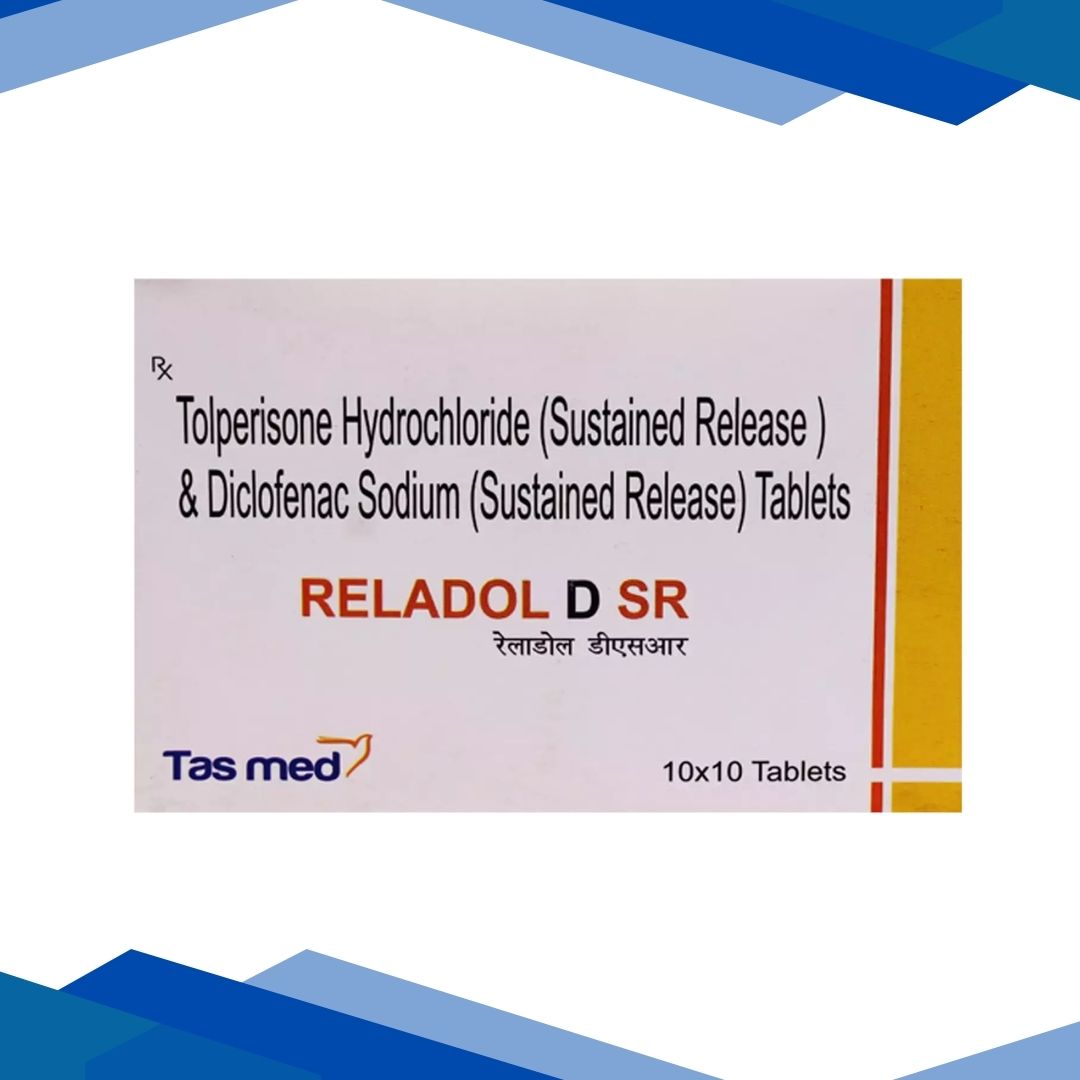
RELADOL DSR Tablet 10’s
RELADOL DSR TABLET is a combination of Diclofenac and Tolperisone, which belongs to the group of medicines called Non-Steroidal Anti-inflammatory Drugs and Skeletal Muscle relaxants respectively. It is used in adults to manage painful muscle spasms.
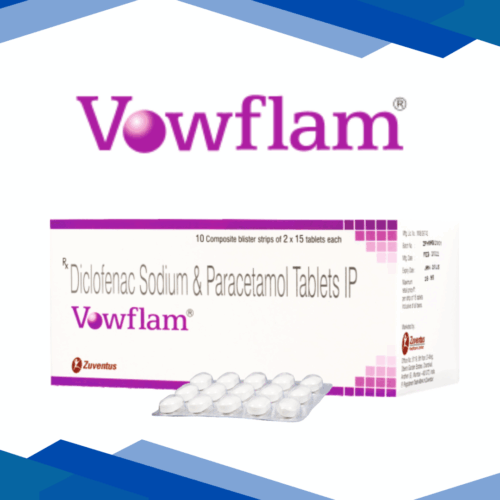
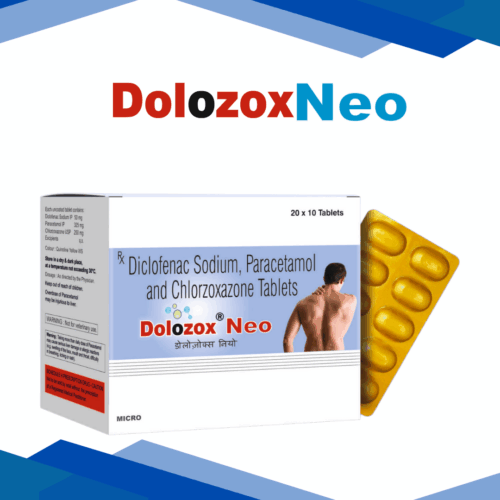
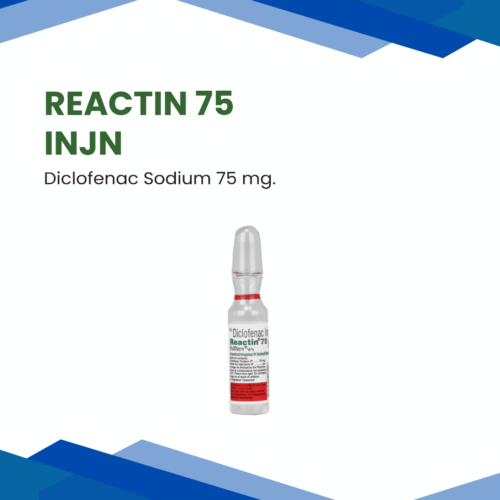
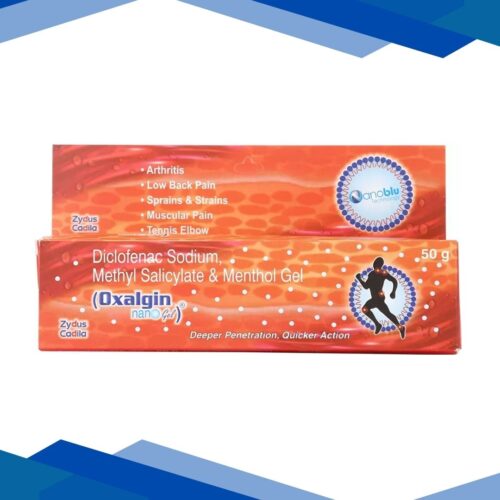
Diclofenac Sodium
Diclofenac Sodium: An Aid in Pain and Swelling
Diclofenac Sodium is a widely used Non-Steroidal Anti-Inflammatory Drug (NSAID) that helps reduce pain and inflammation. Whether dealing with chronic conditions such as arthritis or acute pain after an accident or sports injury, Diclofenac works by blocking prostaglandins, the body’s natural chemicals responsible for pain signals and swelling.
Uses In Brief
Management for Arthritis Conditions: Osteoarthritis, Rheumatoid Arthritis, and Ankylosing Spondylitis.
Pain Reliever: Helps relieve back pain, toothaches, and sports-related injuries.
Menstrual Comfort: Provides relief from dysmenorrhea, which refers to severe menstrual cramps.
Relief from Migraine: Certain oral formulations are used during the early phase of migraine attacks.
Quick Facts for Patients
Onset Time: Tablets usually start working within 30–60 minutes.
Food: It is preferable to take the tablet with food or milk to reduce stomach irritation.
Consistency: Take the medication at approximately the same time each day to maintain stable drug levels in the body.
Safety Profile & Expert Advice
Therapy
Guidance
Alcohol: Avoid alcohol. Combining alcohol with Diclofenac can increase the risk of gastric bleeding and ulcers.
Pregnancy: Consult your doctor. Use during late pregnancy may cause heart-related complications in the baby.
Long-Term Use: NSAIDs should be used cautiously for prolonged periods, as they may slightly increase the risk of heart attack or stroke.
Kidney/Liver: Dose adjustments may be required for individuals with kidney or liver disease.
Potential Side Effects
Most patients do not experience severe adverse effects, but some individuals may notice mild symptoms:
Common: Indigestion, bloating, nausea, or mild dizziness.
Less Common: Heartburn, constipation, or mild headache.
Serious (Contact a Physician): Bloody or black tarry stools, yellowing of the eyes, or sudden swelling in the legs require immediate medical attention.
Frequently Asked Questions (FAQs)
1. Is Diclofenac Sodium the same in effect as Ibuprofen?
Both belong to the NSAID family, but Diclofenac is generally considered stronger and is often used for severe joint pain and inflammatory conditions, while Ibuprofen is commonly used for milder pain and fever.
2. Can I take Diclofenac Sodium on an empty stomach?
It is recommended to take it with food, milk, or an antacid. Taking NSAIDs on an empty stomach may irritate the stomach lining and increase the risk of gastritis or ulcers.
3. For how long can I safely take this medicine?
For acute pain, the duration should generally be short (around 3–5 days). For chronic arthritis, doctors may recommend longer treatment with regular monitoring of kidney and liver function.
4. Will it make me sleepy?
Drowsiness is uncommon, but some individuals may experience mild dizziness or slight drowsiness. It is best to observe how your body reacts before driving or operating heavy machinery.
5. Can I use Diclofenac gel while taking oral Diclofenac?
Combining oral and topical Diclofenac can increase the total amount of Diclofenac in the bloodstream. Always consult your healthcare provider before using both forms to avoid accidental overdose.
Tolperisone
Tolperisone: Novel Muscle Relaxant Action in Cases of Spasm and Pain Relief
An agent exerts its actions on the heights and the muscle cells where it has excessively high tension and spasming that are presented in neurological and spine diseases. However, unlike many traditional muscle relaxants, Tolperisone has been maintained to be "nonsedative," meaning that it relieves stiffness without the heavy sleepiness that is the characteristic of earlier drugs in the same category.
Key Clinical Indications
Following Stroke Spaticity: Helps muscles from being stiff and contracting involuntarily in stroke adult patients.
Musculoskeletal Pain: Helps acute pain from muscle spasms in the back, neck, joints.
Neurological Care: Helps mobility in patients who have, for example, muscle rigidity caused by spinal cord injuries or multiple sclerosis.
Vascular Support: Usually, such cases may have poor peripheral perfusions, and focal vascular spasms treatment could be considered.
How Tolperisone Works
Tolperisone impairs neurotransmitter release in nerve cells (at the central level of CNS at the spinal cord). This happens as a result of the blockage of voltage-gated sodium channels, as well as calcium channels. Thus, exposure of the muscle cells to a lesser amount of impulses makes them relax a bit without affecting posture and alertness.
Guaging the Administration & Dosage
At the time the user is feasting: It is strongly recommended to take Tolperisone tablets after a meal to enhance the absorption of the drug better.
Drink lots of water: The gut will work more efficiently while on painkillers if exposed to plenty of water.
All Used Pills: be sure to take doses precisely as the pill size prescribed by a doctor. Dosage for adults fits inside a range of 150mg to 450mg, and the patient will be further given information concerning the dosing protocol.
Seek medical assistance at once if a person suddenly observes: low blood pressure, rash, or swelling (an allergic reaction).
Status and Profile of Safety and Side Effects
As much of the population has a normal tolerance to Tolperisone, there may be mild side effects as the body adjusts to the treatment.
Side Effect
Frequency
What's Recommended
Mild Muscle Weakness
Occasional
Rest and retest if necessary.
Headache or Nausea
Rare
Take it with a light meal.
Low Blood Pressure
Rare
Stand up slowly from a seated or lying position.
Allergic Reaction
Very Rare
Seek immediate medical care if one manifest a rash or swelling.
Frequently Asked Questions (FAQs) for Tolperisone
Q: Do I need to remain sleepy or "foggy" all day while on Tolperisone?
A: This is one of the primary advantages: unlike relaxants like Baclofen or Diazepam, Tolperisone does not exert significant sedation. For most patients, that means normalcy with minimal drowsiness, but always monitor how you feel in the beginning, especially before driving.
Q: How long does it take for the medicine to start working?
A: For most patients, a reduction of muscle tension occurs within 1 to 2 hours after a single dose. The chronic stiffness may take a couple of days to attain the full effect with consistent use of the drug.
Q: Can I have a drink while on Tolperisone?
A: Drinking alcohol does not main concern about acting too much with the CNS depressant side effects of this medication; however, depending on how the patient reacts, it could be wise to reduce alcohol consumption during treatment or even discontinue it.
Q: Can the long-term usage of Tolperisone be considered safe?
A: Ordinarily it is indicated for both acute and chronic conditions. However, a healthcare provider will often review the progress of the patient's symptoms after weeks to determine whether further treatment needs to be considered.
Q: What should I do if I have had allergies in the past?
A: Ask the patient's doctor never to use it if he or she has ever had any reaction to local anesthetics such as lidocaine and mepivacaine as cross sensitivity with Tolperisone cannot be ruled out.
Patient Care Checklist
Storage: Keep in the original blister package in an area where it closely sealed itself from sunlight and moisture and at room temperature.
Absolutely don't let the drug spare you: If you start to get red, scratchy, or experience severe trouble breathing, do not think to write it off exactly as allergic.
Skinny on Liver and Kidney Health: Your doctor should be kept well in the picture of any information regarding renal and hepatic conditions you have because dose adjustments might be needed.
At Gem Pharmacy, we make every effort to provide accurate, expert-written, and thoroughly reviewed information related to medicines. However, this information should not be considered a substitute for professional medical advice, diagnosis, or treatment from a qualified doctor.
The purpose of this information is to educate users and improve communication between patients and healthcare professionals. It should not be used to diagnose or treat any condition.
Always consult a certified healthcare professional before taking any medication.


Related products