




Alobical Tablet 10’S
No Prescription yet? Don’t worry! Click Here to Get Online Consultation
Alobical Tablet is a nutritional supplement containing antioxidants that manages the breakage of hair and involved in the metabolism of carbohydrates, fats and proteins which plays a key role in the growth of hair. It contains biotin, calcium pantothenate, selenium, N-acetyl cysteine, zinc and copper as active ingredients to manage alopecia, brittle hair and premature greying of hair.
Acetylcysteine
Acetylcysteine 600mg Effervescent contains nebulized sulfa
Indication
Acetylcysteine is a powerful mucolytic agent used in respiratory disorders where mucus production is increased or becomes thick and difficult to expel. It works by altering the structure and elasticity of mucus, making it easier to remove.
It is commonly used in conditions with excessive or thick mucus, where it helps by breaking cystine bonds in mucus, thereby improving mucociliary clearance.
Additionally, Acetylcysteine (NAC) is used as:
- A resuscitative agent in paracetamol overdose
- A potent antioxidant supplement
Acetylcysteine Key Benefits and Uses
- Breaks Down Thick Mucus: Useful in conditions like bronchitis, emphysema, and cystic fibrosis involving mucus blockage.
- Respiratory Relief: Helps in easier breathing by clearing clogged airways.
- Antioxidant Support: Boosts glutathione levels, enhancing the body's defense against oxidative stress.
- Liver Protection: Used clinically to protect the liver from damage (e.g., drug toxicity).
Directions for Use
- Preparation: Dissolve the entire tablet in half a glass (100 ml) of water.
- Dissolve: Allow it to completely dissolve.
- Consume: Drink the solution immediately.
- Timing: Can be taken with or without food, though often recommended after meals to reduce stomach upset.
- Hydration: Maintain adequate fluid intake to enhance mucolytic action.
Common Side Effects
Though generally well tolerated, some individuals may experience:
- Nausea or mild stomach upset
- Sulphur-like smell (normal due to the medication)
- Runny nose or sore mouth
- Fever or drowsiness (rare)
Note: Discontinue use and seek medical attention if you notice skin reactions, breathing difficulty, or facial swelling.
Questions and Answers (Q&A)
Q: How long does it take for Acetylcysteine to work?
A: Effects may begin within 60–120 minutes after the first dose. For chronic conditions, it may take a few days for full benefit.
Q: Is Acetylcysteine safe for asthma patients?
A: Use with caution. It may sometimes cause airway tightening (bronchospasm). Always consult your doctor first.
Q: Why do Acetylcysteine tablets smell like rotten eggs?
A: This is due to its sulfur content and is completely normal, not a sign of spoilage.
Q: Can I take it with dry cough syrup?
A: Generally not recommended. Antitussives suppress cough, while Acetylcysteine helps expel mucus—using both together may trap mucus in the lungs.
Q: Is it safe during pregnancy or breastfeeding?
A: Should be used only if clearly necessary and under medical supervision.
Disclaimer: This information is for educational purposes only and should not replace professional medical advice. Always consult a healthcare provider before starting any medication.
Calcium
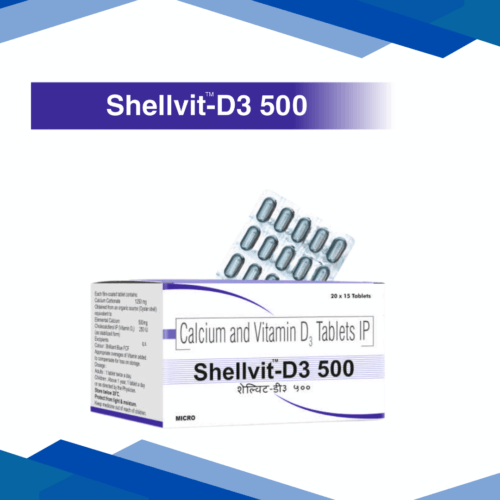
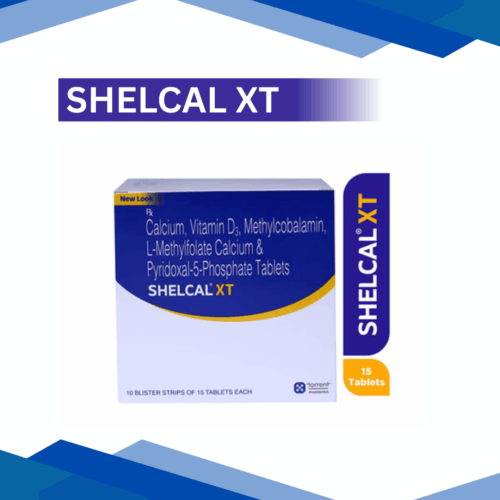
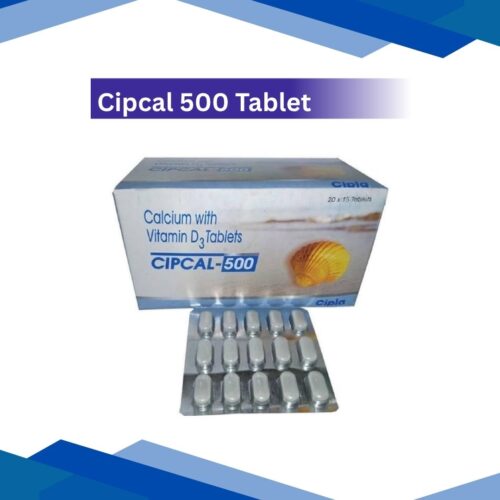
Calcium carbonate/calcium citrate tablets are used for the treatment of Calcium Loss. Calcium is a vital mineral that maintains the integrity of the skeleton while regulating the functioning of heart, muscles, and nerves. Because calcium cannot be synthesized by the body, ensuring adequate intake is important to prevent the body's "borrowing" of calcium from bones. Calcium supplements help the body absorb calcium and are crucial to the control of bone density and metabolic health. The Calcium supplement is often combined with Vitamin D3 to improve calcium absorption.
Therapeutic uses of calcium are:
- Bone mineralization: To a greater extent Osteoporosis, Osteomalacia.
- Corrects hypocalcemia and calcium deficiency, and returns blood calcium concentration to normal.
- Antacids: Provide immediate relief from heartburn and acid indigestion; made with calcium carbonate.
- Pregnancy & lactation: These are highly welcomed on top of good food during fetal skeletal formation and breastfeeding.
- Support: This would normally be supplemental to any hypertensive therapy or long-term corticosteroid therapy.
Key Features
High Element Yield: These will offer high amounts (i.e., in comparison to coal) of elemental calcium that are close to the directed allowances ERE (HAI).
Excellent Absorption: Available in forms predisposed to maximum bioavailable conditions, hence considerably enhanced mineral uptake.
Skeletal Strengthening: Diminishes the hiatus risk, fractures, and age-linked bone loss for menopausal women and elderly subjects.
Direction for Use
Dosage: Normally 500–1000 mg daily, or as directed by your personal doctor.
Best Time to Take:
- Calcium Carbonate: Usually taken with food due to stomach acid; adequate stomach acid is essential for efficient calcium absorption.
- Calcium Citrate: Can be taken with or without food, largely favored by people with low stomach acid or intolerance of certain foods.
Multiple Doses: In order to maximize absorption, it is recommended to take a higher dose more than 500 mg divided into intervals (e.g., in the morning and evening).
Who Should Not Take This Product?
Health issues that may hinder patient usage of such supplements include a history of kidney stones, nephropathy, or renal disease; therefore, consultation with a specialist prior to commencement of the supplementation is due.
There are certain possible interactions with substances that may lessen calcium development or reduce absorption by the bowels, such as antibiotics (tetracyclines and fluoroquinolones) and thyroid medications (levothyroxine); these are discussed in more detail below. Allow 2 to 4 hours apart between calcium and the above-listed drugs.
For safety's sake, ensure you drink enough extra water to facilitate smooth mineral uptake in an effort to avoid kidney stones. Over-the-top intake could actually produce biochemical hypercalcemia.
Q&A
Q: Should I take Iron and Calcium supplements together? No. The absorption of Iron and Calcium takes place through the same absorption pathways in the body during supplementation, thereby competing with each other. Q: The best time of day to take Iron is in the morning and later in the evening for Calcium.
Q: Why is Vitamin D with Calcium recommended so often? For calcium to leave the gut and enter the bloodstream, Vitamin D acts as a guardian. Without this important vitamin, the calcium consumed by mouth does not get utilized in the body, regardless of dose.
Q: Does the use of Calcium cause constipation? Some may experience minor constipation or gas from taking these supplements. Increase a good source of fiber in your diet or drink lots of water if you experience this. If that does not help, consult your doctor about moving to Calcium Citrate's milder formulation.
Q: Would milk alone provide me with enough Calcium I need? Milk is an excellent source; however, many adults will still find it tough to meet the daily requirements of Calcium through their diet, particularly if they suffer from lactose intolerance or have some other underlying health condition. Supplements are the most recommended way to tide over the nutritional gap.
Q: How long do I need to take Calcium supplements? Duration of use can depend on other conditions present (like pregnancy, menopause, or a diagnosis of deficiency). Generally, your levels would be checked every 3–6 months, and the therapy would be recommenced.
STORAGE
Please store in a cool, dry place that is far away from moisture and direct sunlight.
Store the container sealed with the least humidity in the tablets.
Disclaimer: The above content should serve for only informational purposes and should be considered replacement or substitute for professional medical advice. Before starting any regimen involving intake of supplements, consult your provider.
At Gem Pharmacy, we make every effort to provide accurate, expert-written, and thoroughly reviewed information related to medicines. However, this information should not be considered a substitute for professional medical advice, diagnosis, or treatment from a qualified doctor.
The purpose of this information is to educate users and improve communication between patients and healthcare professionals. It should not be used to diagnose or treat any condition.
Always consult a certified healthcare professional before taking any medication.


Related products