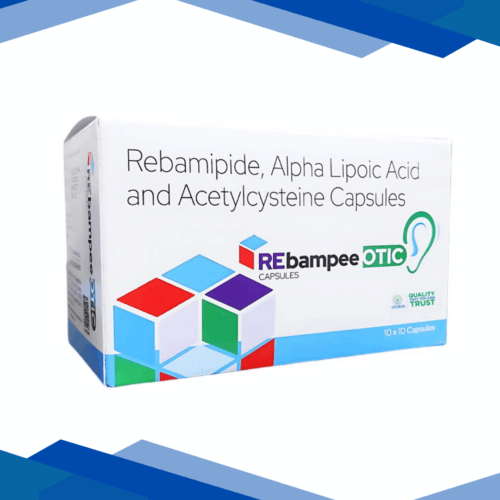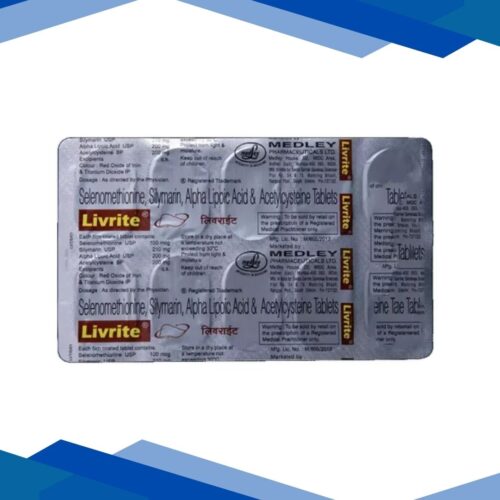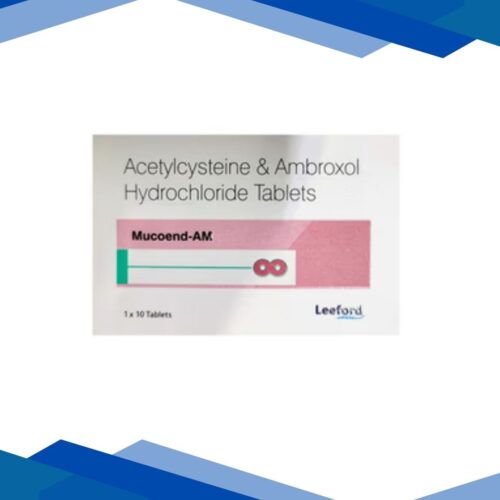

Phenergan 10mg Tablet 10’S
Phenergan 25mg Tablet 10’S
NOBEL COLD NEW Tablet 10’s
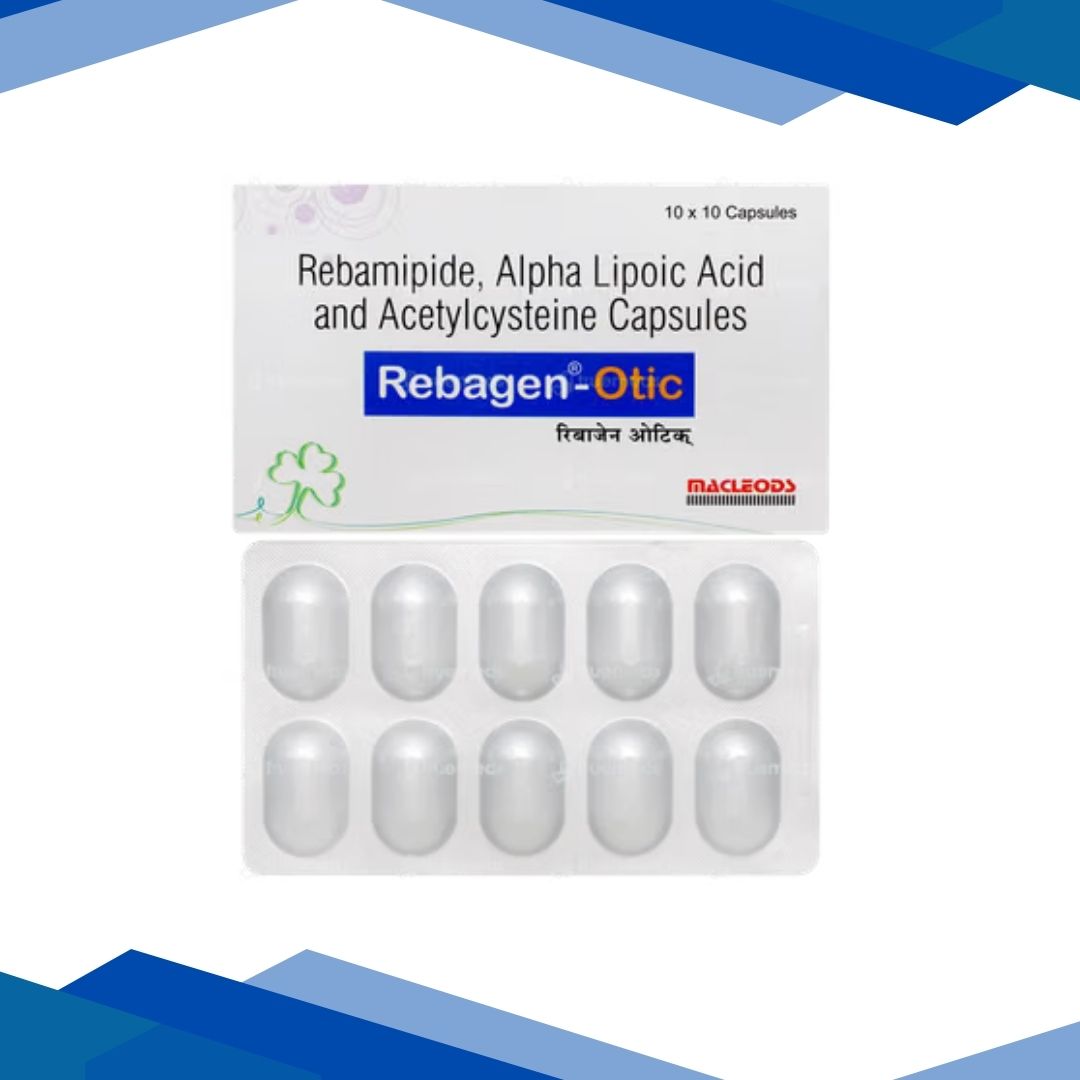
Rebagen Otic Capsule 10’S
No Prescription yet? Don’t worry! Click Here to Get Online Consultation
Why Prescription is Required?
✅ Providing Right Medicines
Prescriptions are complex documents. We proofread and recheck at various steps to provide you the right medication in the correct form and dose.
⚖️ Helps Comply with the Law
Most medicines cannot be sold without a valid prescription, as per the Drugs and Cosmetics Act, 1940 and Rules, 1945.
Book Appointment with Doctor
REBAGEN OTIC CAPSULE is a combination of N-Acetylcysteine, Alpha lipoic acid, and Rebamipide which belongs to the group of medicines called Mucolytic agent, Antioxidants and Mucolytic agent respectively. It is used to manage hearing loss especially in old age.
Acetylcysteine
ACETYLCYSTEINE
Overview:
Acetylcysteine is a medicine that helps make thick mucus in your lungs and airways thinner, so it’s easier to cough up and breathe.It helps with thick mucus, respiratory infections, or lung conditions. It also helps protect the liver if someone has taken too much paracetamol (acetaminophen). In short, it helps clear your airways and supports your body in dealing with certain types of damage.
Classification: Mucolytic agent
Uses:
Acetylcysteine is a medicine that helps clear thick mucus from your lungs, making it easier to breathe and cough.It helps with bronchial issues, chest congestion, or ongoing coughs.. It can also protect your liver if someone takes too much paracetamol. In short, it helps your lungs stay clear and your body stay safe.
How it works:
Acetylcysteine works by breaking down the thick, sticky mucus in your lungs and airways, making it easier to cough up and clear. It also helps the liver produce a natural protective substance called glutathione, which can neutralize harmful chemicals, especially in cases of paracetamol (acetaminophen) overdose. In simple terms, it clears your lungs and protects your liver at the same time.
Dosage:As prescribed by your doctor.
Side Effects:
- Nausea, vomiting, or stomach upset
- Diarrhea
- Mild rash or itching
- Runny nose, sneezing, or throat irritation
Precautions:
When taking Acetylcysteine, make sure to follow your doctor’s instructions and use the medicine properly, especially if it’s a liquid or inhaled form. Tell your doctor if you have asthma, liver or kidney problems, allergies, or stomach issues. If you’re pregnant or breastfeeding, check with your doctor first. Stop taking it and get help immediately if you notice any allergic reactions like swelling, rash, or trouble breathing.
Disclaimer:This content is for informational purposes only. Always consult a healthcare provider for medical advice and proper dosage.
Alpha Lipoic Acid
ALPHA LIPOIC ACID
Overview:
The potential benefits of alpha-lipoic acid include improving blood sugar in diabetes, relieving nerve pain, promoting weight loss, reducing inflammation, and supporting heart and skin health
Classification: Antioxidant
Uses:
Diabetes and diabetic neuropathy (nerve pain)
Antioxidant support (protects cells from oxidative stress)
Improving skin texture (in anti-aging creams)
Weight loss and metabolism support (though evidence is limited)
Brain health (studied for use in Alzheimer’s and cognitive decline)
Liver support (in conditions like fatty liver disease)
How It Works:
Conversion to EPA & DHA (Partially)
ALA is partially converted in the body into eicosapentaenoic acid (EPA) and docosahexaenoic acid (DHA)—the active forms of omega-3s found in fish oil.
This conversion is limited: typically less than 10% of ALA becomes EPA, and even less becomes DHA.
These converted forms play critical roles in anti-inflammatory pathways, brain health, and cardiovascular protection.
Incorporation into Cell Membranes
ALA is integrated into cell membranes, especially in the heart and immune system, improving membrane flexibility and function.
Regulates Inflammation
ALA helps reduce inflammation by affecting the production of pro-inflammatory eicosanoids (signaling molecules).
This can be beneficial in conditions like heart disease, arthritis, and metabolic syndrome.
Lipid Regulation
ALA can lower blood triglycerides and improve cholesterol profiles (increasing HDL and reducing LDL in some studies).
Antioxidant Effects
While not a direct antioxidant, ALA supports antioxidant defenses by modulating gene expression and reducing oxidative stress markers.
Dosage: As prescribed by your doctor.
Side effects:
Low blood sugar
Nausea
Rash (when using an ALA cream or ointment)
Vomiting
Headache
Heartburn
Precautions:
Ask a doctor other healthcare provider before taking ALA if it is safe for you to use this product if you have:
liver disease;
diabetes (Alpha Lipoic Acid can cause low blood sugar);
a thyroid disorder;
a thiamine deficiency (thiamine is a form of vitamin B); or
if you drink large amounts of alcohol.
Disclaimer:
This content is for informational purposes only. Always consult a healthcare provider for medical advice and proper dosage
Rebamipide
REBAMIPIDE
Overview:
Rebamipide is a medicine that helps soothe and protect your stomach. It works by increasing the natural mucus that lines the stomach and calming inflammation, which helps heal existing ulcers and irritation.This helps reduce discomfort, promote healing, and protect the stomach, making it feel stronger and more at ease.
Classification: Gastroprotective agent
Uses:
Rebamipide is a medicine that helps repair and protect the stomach lining when it’s irritated or damaged by ulcers or inflammation. It works by boosting the natural mucus that shields your stomach lining, helping it feel better and stay healthy, especially if you’re taking medicines that might upset your stomach.
How it works:
Rebamipide works by increasing the stomach’s natural protective mucus, which shields it from acid and harmful substances. It also reduces inflammation and supports the repair of damaged stomach cells by enhancing antioxidants and improving blood circulation. These effects allow the stomach to heal sooner, experience less discomfort, and stay safeguarded against further injury.
Dosage: As prescribed by your doctor.
Side Effects:
- Mild stomach discomfort or upset
- Nausea
- Diarrhea or constipation
- Headache (rare)
- Allergic reactions like rash or itching
Precautions:
When using rebamipide, stick to your doctor’s directions and don’t adjust the dose on your own. Let your doctor know if you have liver or kidney issues or any medication allergies. Taking it with food can help prevent stomach discomfort. If you notice anything unusual, like a rash, ongoing nausea, or strong stomach pain, stop the medicine and contact your doctor to stay safe.
Disclaimer:This content is for informational purposes only. Always consult a healthcare provider for medical advice and proper dosage.