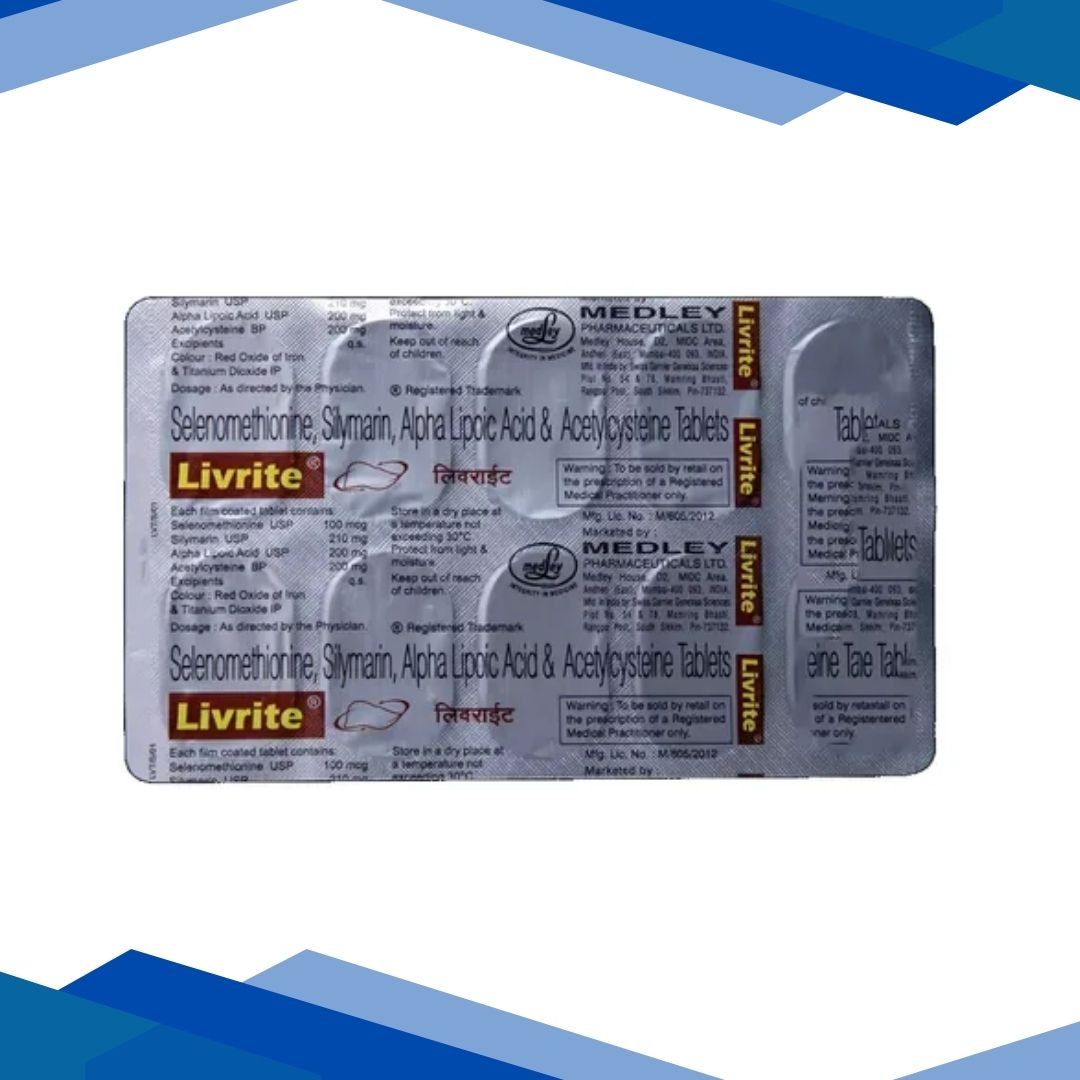
Livrite Tablet 10’S
No Prescription yet? Don’t worry! Click Here to Get Online Consultation
LIVRITE TABLET is a combination of Acetylcysteine, Alpha Lipoic Acid, Selenomethionine and Silymarin which belongs to the group of medicines called Amino acids, Antioxidant, Amino acids, Flavonolignans respectively. It is used to manage jaundice (yellowish discolouration of skin or whites of the eye), alcoholic liver disorder, and viral hepatitis (infection of the liver causing inflammation or liver damage due to hepatitis A, B, C, D, E viruses).
Acetylcysteine
Acetylcysteine 600mg Effervescent contains nebulized sulfa
Indication
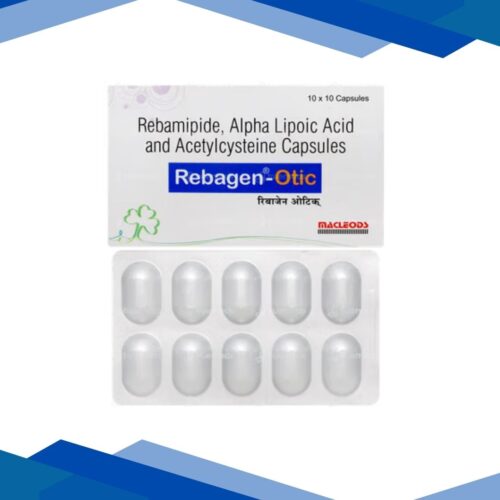
Acetylcysteine is a powerful mucolytic agent used in respiratory disorders where mucus production is increased or becomes thick and difficult to expel. It works by altering the structure and elasticity of mucus, making it easier to remove.
It is commonly used in conditions with excessive or thick mucus, where it helps by breaking cystine bonds in mucus, thereby improving mucociliary clearance.
Additionally, Acetylcysteine (NAC) is used as:
- A resuscitative agent in paracetamol overdose
- A potent antioxidant supplement
Acetylcysteine Key Benefits and Uses
- Breaks Down Thick Mucus: Useful in conditions like bronchitis, emphysema, and cystic fibrosis involving mucus blockage.
- Respiratory Relief: Helps in easier breathing by clearing clogged airways.
- Antioxidant Support: Boosts glutathione levels, enhancing the body's defense against oxidative stress.
- Liver Protection: Used clinically to protect the liver from damage (e.g., drug toxicity).
Directions for Use
- Preparation: Dissolve the entire tablet in half a glass (100 ml) of water.
- Dissolve: Allow it to completely dissolve.
- Consume: Drink the solution immediately.
- Timing: Can be taken with or without food, though often recommended after meals to reduce stomach upset.
- Hydration: Maintain adequate fluid intake to enhance mucolytic action.
Common Side Effects
Though generally well tolerated, some individuals may experience:
- Nausea or mild stomach upset
- Sulphur-like smell (normal due to the medication)
- Runny nose or sore mouth
- Fever or drowsiness (rare)
Note: Discontinue use and seek medical attention if you notice skin reactions, breathing difficulty, or facial swelling.
Questions and Answers (Q&A)
Q: How long does it take for Acetylcysteine to work?
A: Effects may begin within 60–120 minutes after the first dose. For chronic conditions, it may take a few days for full benefit.
Q: Is Acetylcysteine safe for asthma patients?
A: Use with caution. It may sometimes cause airway tightening (bronchospasm). Always consult your doctor first.
Q: Why do Acetylcysteine tablets smell like rotten eggs?
A: This is due to its sulfur content and is completely normal, not a sign of spoilage.
Q: Can I take it with dry cough syrup?
A: Generally not recommended. Antitussives suppress cough, while Acetylcysteine helps expel mucus—using both together may trap mucus in the lungs.
Q: Is it safe during pregnancy or breastfeeding?
A: Should be used only if clearly necessary and under medical supervision.
Disclaimer: This information is for educational purposes only and should not replace professional medical advice. Always consult a healthcare provider before starting any medication.
Alpha Lipoic Acid
600mg ALA 600mg Capsule
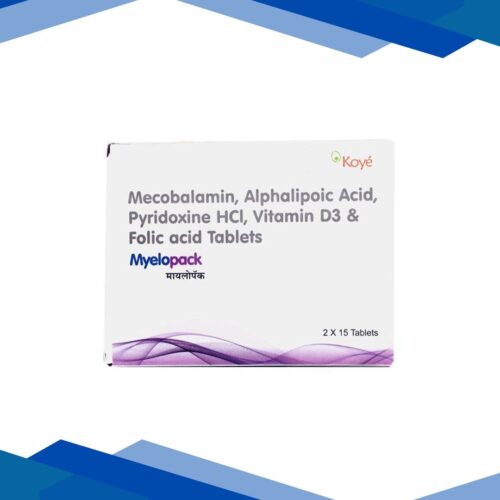
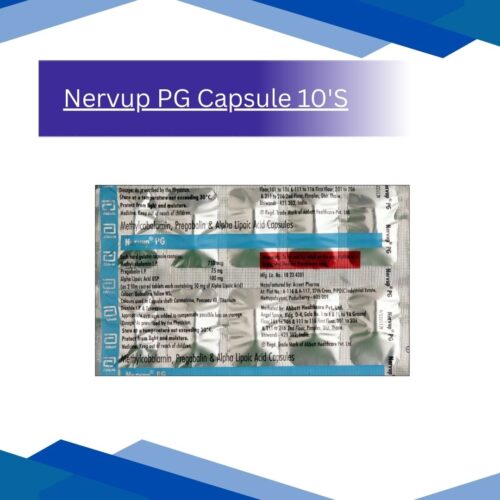
Alpha-Lipoic Acid (ALA) is a versatile and potent antioxidant, an organosulfur compound. Known as the “universal antioxidant” because it is both water- and fat-soluble, it works throughout the body to neutralize free radicals. Besides its protective effect, it also plays a key role in cellular energy production, assisting mitochondria in turning glucose into energy.
Major Health Benefits
Promotion of Nerve Health: Widely used in treating diabetic neuropathy symptoms such as tingling, burning sensation, and numbness in the hands and feet.
Regulation of Blood Sugar: Helps improve insulin sensitivity and supports better blood glucose utilization.
Making of Cellular Energy: Acts as a co-factor in the Citric Acid Cycle, thereby enhancing cellular metabolism.
Recycles Antioxidants: Helps regenerate other antioxidants like Vitamin C, Vitamin E, and Glutathione after they are depleted.
Use Instruction
Absorption Timing: For maximum bioavailability, take on an empty stomach—typically 30 minutes before meals or 2 hours after.
Dosage: Common therapeutic doses include 300mg or 600mg, taken once or twice daily. Always follow your healthcare provider’s advice.
Storage: Store in a cool, dry place away from sunlight to maintain stability of active ingredients.
Safety & Precautions
Clinical Note: Although generally well-tolerated, ALA can significantly lower blood sugar levels. Monitor carefully if you are on insulin or oral antidiabetic medications.
Alcohol Intake: Chronic alcohol use may cause thiamine (Vitamin B1) deficiency. Taking ALA in such cases may pose health risks—consult your doctor.
Thyroid Health: May interact with thyroid hormone therapies (e.g., Levothyroxine). Medical supervision is advised.
Surgery: Discontinue use at least 2 weeks before surgery due to its effect on blood glucose levels.
Common Side Effects
Most individuals tolerate ALA well, but some may experience:
- Mild nausea or stomach upset
- Dizziness or lightheadedness
- Rare skin rash or itching
- Temporary metallic taste in the mouth
Note: Keep a source of sugar handy to manage symptoms of low blood sugar such as sweating, confusion, or shaking.
Frequently Asked Questions (FAQs)
Q: Is Lipoic Acid the same as Omega-3 (alpha-linolenic acid)?
A: No. Both share the acronym ALA but are different. Alpha-Lipoic Acid is a sulfur-containing antioxidant, while Alpha-Linolenic Acid is an essential fatty acid found in flaxseed and fish oil.
Q: Can Lipoic Acid aid in weight loss?
A: Some studies suggest it may support weight management by reducing appetite and boosting metabolism, especially when combined with diet and exercise.
Q: Why should I take it on an empty stomach?
A: Food—especially mineral-rich foods—can reduce absorption. Taking it before meals ensures better bioavailability.
Q: How long does it take to see results for nerve pain?
A: Some may notice improvement within 3–5 weeks, but significant benefits are typically observed over 3–4 months with consistent use.
Q: Can my child take this supplement?
A: High doses may be unsafe for children. Use only under strict medical supervision.
At Gem Pharmacy, we make every effort to provide accurate, expert-written, and thoroughly reviewed information related to medicines. However, this information should not be considered a substitute for professional medical advice, diagnosis, or treatment from a qualified doctor.
The purpose of this information is to educate users and improve communication between patients and healthcare professionals. It should not be used to diagnose or treat any condition.
Always consult a certified healthcare professional before taking any medication.


Related products