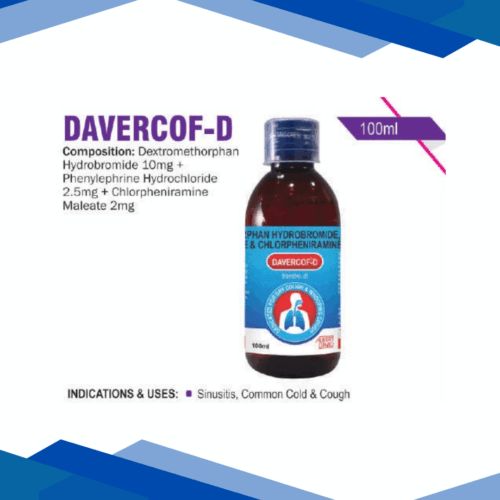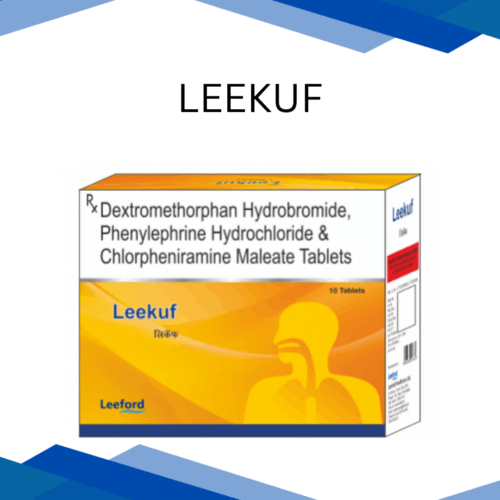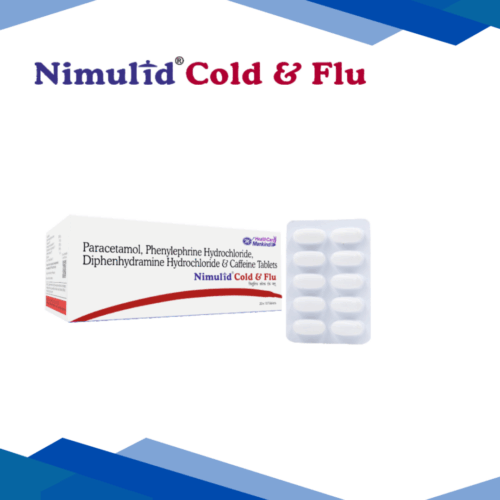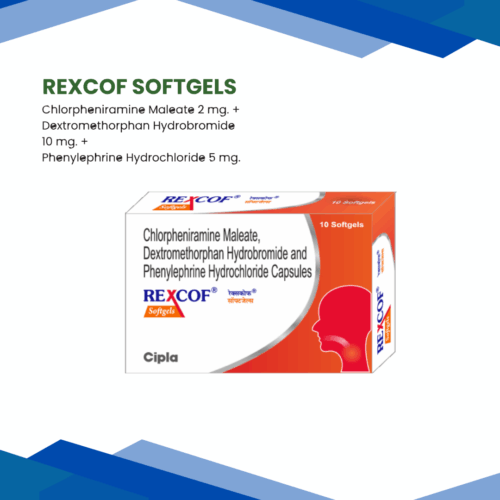





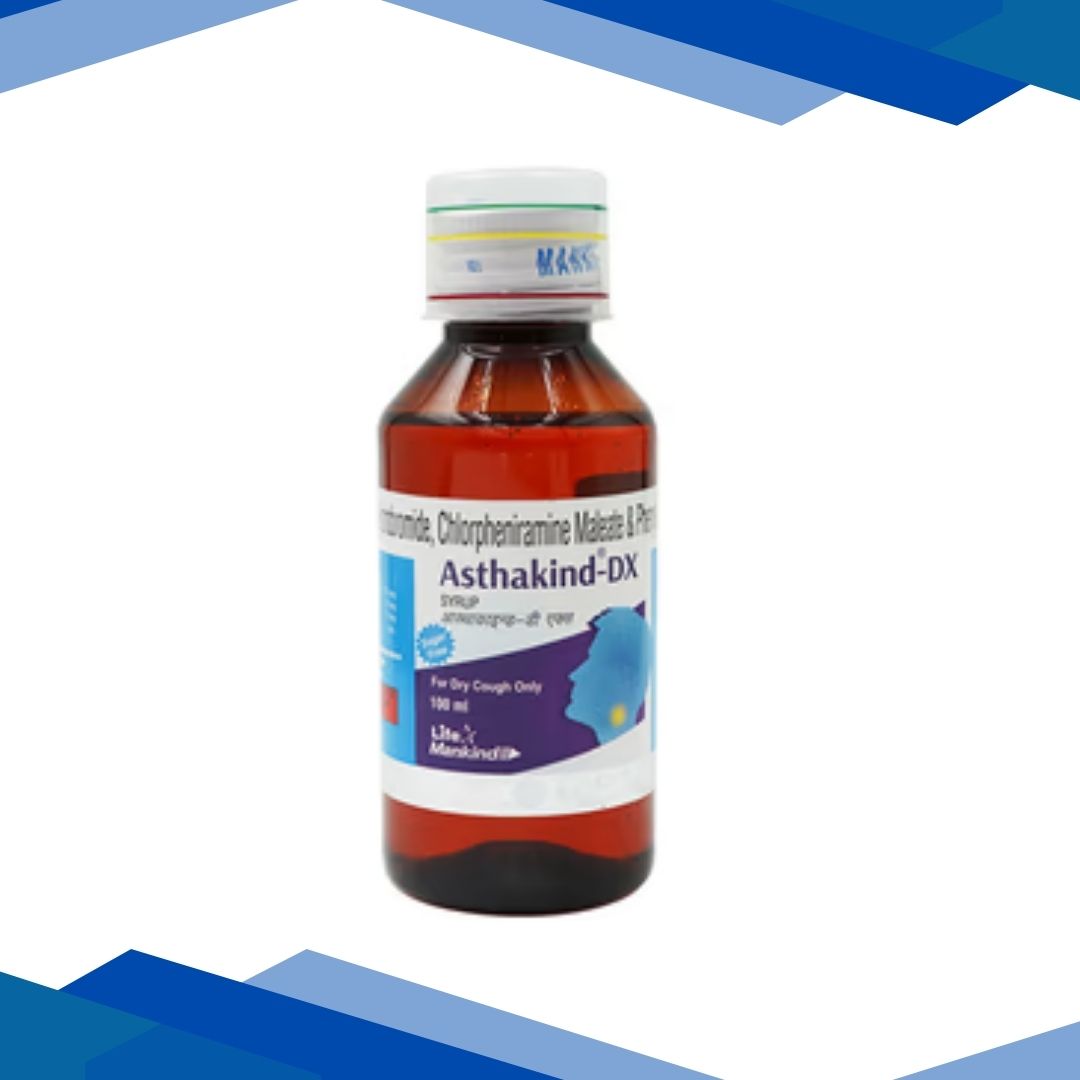
Asthakind DX Sugar Free Syrup 100ml
No Prescription yet? Don’t worry! Click Here to Get Online Consultation
ASTHAKIND DX SYRUP should be generally avoided or used with caution in children (aged less than 2 years). Your doctor will decide the correct dose and duration for your child according to age, body weight, and disease condition.
Chlorpheniramine
Phenylephrine Hydrochloride
Phenylephrine Hydrochloride: Relief for Nasal and Sinus Congestion That Really Works
Phenylephrine hydrochloride is a strong decongestant that is used for temporary relief from the feeling of a "stuffed-up nose" that occurs with a cold, hay fever, or other upper respiratory allergies. Unlike some of the older decongestants, phenylephrine focuses on primarily reducing swelling of the nasal passages so that breathing is restored to be easy.
Measurements and Types of Use
Rhinal Decongestion: Quick clearance of blocked passages.
Sinus Pressure Relief: Reduction of heavy-pressure, painful forehead and cheek discomfort due to sinusitis.
Allergic Conditions Help: Managing the hypersensitivity reactions of allergic rhinitis (hay fever).
Ophthalmic Use: Dilating eyes to treat redness in specific concentrations.
Haemorrhoidal Relief: Shrinks swollen tissues when topically applied.
Phenylephrine Mechanism
Phenylephrine belongs to a category of drugs described as sympathomimetic amines. Specific to alpha-1 adrenergic receptors in smooth muscles of blood vessels: it is crystal clear! For instance, when one catches a cold, blood vessels in the nose dilate and become inflamed. This congests the field ready for action in a no-go area. As long as it does, phenylephrine will allow you to breathe in a stable pattern by aiming for alpha-1 adrenergic receptors in order to create tension and prevent the dilation of blood vessels. This helps to shrink the swelling and obstruct the flow of mucus, thus making it easy to resume using the gear again.
Usage and Dosage
Orally: Usually taken every 4 hours when needed. Dose not exceed six doses in one cycle, unless advised by a physician.
Nasal spray: Usually used every 4 hours. Do not use for more than 3 consecutive days to prevent "rebound congestion."
Hydration: Always make sure to drink water to thin secretions during the use of decongestants.
Phenylephrine Hydrochloride: Frequently Asked Questions (FAQs)
Q: Does Phenylephrine cause high blood pressure?
A: Yes. Since Phenylephrine narrows blood vessels (vasoconstriction), higher blood pressure might occur on a temporary basis. If you have hypertension already or some heart disease, consult your primary physician before its use.
Q: Can I take Phenylephrine at night?
A: Most people do not find that Phenylephrine causes "jitteriness" or keeps them awake. But if you're sensitive to decongestants, try taking your last dose early in the evening.
Q: Can I take this with Paracetamol or Ibuprofen?
A: Remember that a lot of the so-called "all-in-one" cold-and-flu products already contain Phenylephrine mixed with painkillers. Always look at the ingredients list for your other medications to avoid accidental double dosing.
Q: Three days with a nasal spray shouldn't hurt, right?
A: Extended nasal spray use typically results in "rhinitis medicamentosa." This refers to a condition where the nose becomes reliant on the spray, subsequently leading to a worse state of congestion once you stop it.
Q: Does it heal the cold or flu from within?
A: No, Phenylephrine is symptomatic treatment. It has mainly been designed to clear your airways and hence make you feel at ease, but it does not work to kill the infection-causing virus.
Safety and Precautions
Side EffectsFrequencyAdvice
Dizziness / HeadacheOccasionalRest, drink liquids
Nervousness / RestlessnessOccasionalReduce dose or avoid dosing at night
Increased Heart RateRareDiscontinue and consult a doctor
Stinging (Nasal Spray)CommonTemporary; normally fades within seconds.
Important Contraindications
Not to be used in patients taking MAOIs (certain drugs used to treat depression or Parkinson's disorders) or till two weeks have elapsed since they were stopped. The reason for this contraindication is an emergency hazardous hypertensive syndrome that develops due to an interaction.
At Gem Pharmacy, we make every effort to provide accurate, expert-written, and thoroughly reviewed information related to medicines. However, this information should not be considered a substitute for professional medical advice, diagnosis, or treatment from a qualified doctor.
The purpose of this information is to educate users and improve communication between patients and healthcare professionals. It should not be used to diagnose or treat any condition.
Always consult a certified healthcare professional before taking any medication.


Related products