





MUCOBREX Suspension 60ml
No Prescription yet? Don’t worry! Click Here to Get Online Consultation
MUCOBREX SUSPENSION contains Chlorpheniramine maleate, Paracetamol, phenylephrine, and Sodium citrate which belong to the group of medicines called antihistamines, analgesics, nasal decongestants, and mucolytics respectively. It is used in children to manage and relieve symptoms of the common cold, cough, hay fever(seasonal allergy) and other respiratory conditions.
Paracetamol
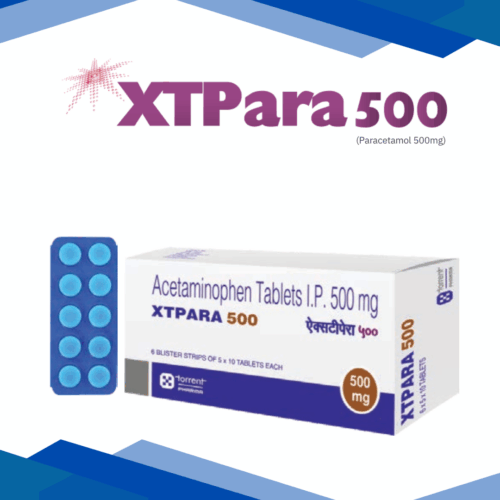
Paracetamol 500mg Tablet
Paracetamol is probably the most prescribed and widely used medicine in the world. It is commonly administered to relieve mild-to-moderate pain and to reduce fever. It is well known for its dual action as an analgesic and antipyretic. It is considered a first-line treatment for common ailments such as headaches and fever, and is generally regarded as safe when used within recommended limits.
Key Therapeutic Uses
Fever: Helps in the rapid reduction of high body temperature during viral infections or common flu.
Headache & Migraine: Effective for dull, throbbing pain associated with tension-type headaches.
Muscle & Joint Pains: Relieves minor backache, period cramps, and toothache.
Post-Vaccination Recovery: Used to manage mild soreness or low-grade fever after vaccination.
Usage Guidelines
Standard Adult Dose: Typically 500mg to 1000mg every 4 to 6 hours as needed.
Maximum Limit: Do not exceed 4000mg (4 grams) in a 24-hour period, as this may cause serious liver damage.
Administration: Swallow the tablet whole with water; it can be taken with or without food.
Children: Dosage must be weight-based. Use pediatric formulations like syrups or drops as advised.
Safety & Precautions
Combination Medicines Warning: Many cold and flu products contain paracetamol (acetaminophen). Avoid double dosing.
Alcohol: Limit alcohol intake, as combining with paracetamol increases the risk of liver toxicity.
Liver & Kidney Health: Consult a doctor if you have liver or kidney disorders.
Allergic Reactions: Rarely may cause rash, swelling, dizziness, or breathing difficulty. Seek immediate medical attention if these occur.
Adverse Effects
Paracetamol is usually well tolerated, but rarely may cause:
- Mild nausea
- Skin rash or itching
- Very rare blood disorders (leukopenia, thrombocytopenia)
⚠️ Warning: Yellowing of eyes or extreme fatigue may indicate serious liver issues—seek urgent care.
Frequently Asked Questions (FAQs)
Q: How long does Paracetamol take to work?
A: Relief usually begins within 30 minutes to 1 hour. Fever reduction may take slightly longer.
Q: Can I take paracetamol during pregnancy?
A: It is generally considered safe when used at the lowest effective dose, but always consult your OB-GYN before use.
Q: Is paracetamol better than ibuprofen?
A: It depends on the condition. Paracetamol is ideal for pain and fever, while ibuprofen may be better for inflammation.
Q: Can I take Paracetamol on an empty stomach?
A: Yes, it is gentle on the stomach and can be taken without food.
Q: What happens if I miss a dose?
A: If taken as needed, take it when remembered, ensuring at least a 4-hour gap and not exceeding the daily maximum dose.
Phenylephrine HCl
PHENYLEPHRINE
Overview
Phenylephrine is a medicine often used to relieve a stuffy or blocked nose. It works by shrinking swollen blood vessels in your nasal passages, helping you breathe more easily. You might find it in many cold, flu, or allergy medications.
Classification
Decongestants
Uses
Relieves nasal congestion due to colds, allergies, or sinus infections
Sometimes used to increase low blood pressure during surgery or in critical care
May be found in eye drops to dilate pupils during eye exams
How It Works
Phenylephrine works by narrowing the blood vessels in the nose. This reduces swelling and opens up your airways. When taken for blood pressure support, it tightens blood vessels throughout the body, which helps raise blood pressure.
Dosage
As prescribed by your doctor.
Side effects
Some common or possible side effects may include:
Headache
Dizziness
Nervousness or restlessness
Trouble sleeping (insomnia)
Increased heart rate or blood pressure
In rare cases, serious side effects like irregular heartbeat or chest pain can occur. Always report unusual symptoms to your doctor.
Precautions
Avoid it if you have high blood pressure, heart disease, thyroid problems, or glaucoma, unless your doctor says it’s safe.
Do not use more than the recommended dose – overuse can increase side effects.
Tell your doctor if you’re pregnant or breastfeeding before using.
If taken with other medications (especially for depression or blood pressure), it could interact negatively.
Not recommended for young children without medical advice.
Disclaimer
This content is for informational purposes only. Always consult a healthcare provider for medical advice and proper dosage
Sodium Citrate
Sodium Citrate: Working as an Efficient Systemic Alkalizer and Kidney Care Sodium Citrate is a multifunctional medicinal salt: its principal role is systemic alkalizer and is clinically prescribed not only to combat the over productions of acid in the blood and urine but for the goodness of pH balance in the management of metabolic conditions and prevention of certain kinds of kidney stones.
Key Therapeutic Uses
Prevention of Kidney Stones: Specifically effective against uric acid and cystine stones due to urine becoming more alkaline.
Metabolic Acidosis: Helps to lessen excess acid levels in the body from certain kidney diseases.
Urinary Tract Comfort: Used frequently for alleviation of burning sensation and discomfort of mild UTIs by alkalizing the urine.
Management of Gout: It assists in long-term management of gouty arthritis in lowering uric acid levels.
Mechanism of Action
In G. I. tract, Sodium Citrate is metabolized into bicarbonate ions, which buffer the hydrogen ions, thereby slightly increasing the pH of the urine and blood. This shift in chemical conditions reduces the tendency of minerals to crystallize into stone, thereby lessening irritations to delicate urinary tissue.
Dosage and Direction
Continued application of large doses of syrup will inflict an otherwise uncomfortable burnt taste in the mouth. To remove this problem, water or juice must be taken alongside the preparation.
Right Use
The Dilution Rule: Always dilute the liquid (syrup) form with at least a full glass of water or juice. This increases palatability and minimizes stomach irritation.
Timing is Key: Taking after meals or at bedtime is favored for best effect. This helps with better absorption and prevents any acid rebound.
Hydration is Essential: Make sure to drink 2–3 liters of water daily whilst on this treatment to get the best results in preventing kidney stones.
A Brief Chill Means Better Taste: From talks with some users, chilling the solution makes it a bit more palatable by masking the salty/citric flavor.
Overview of Safety and Side Effects
Even though widely utilized, beginners should tread with caution in cases of sudden negative response.
SIDE EFFECTS
FREQUENCY
MANAGEMENT
Nausea/Stomach Upset
Common
Most patients find taking with a meal and thoroughly diluted perfect.
Loose stools/diarrhea
Occasional
Transient, usually easily resolved by adjusting medications if necessary and hydration
Fluid retention or swelling
Rare
Make sure to monitor your salt intake and consult your doctor when you notice any symptoms of swelling in the ankles.
Muscle twitching
Very Rare
Report immediately, for this can indicate a mineral imbalance.
Sodium Citrate: Frequently Asked Questions (FAQs)
Q: Can I have high blood pressure and take Sodium Citrate?
A: Given that the medicine has sodium, hence if you have increased blood pressure, your blood pressure could interact, or you could be on a low-salt diet, so it means you should just prefer consulting with your cardiologist on taking Sodium Citrate.
Q: Will it relieve UTI pain in an instant?
A: It begins to alkalize the urine within hours, which can significantly reduce the "stinging" sensation during urination. However, it does not kill the bacteria causing the infection; you may still need an antibiotic.
Q: Should I take Sodium Citrate when pregnant?
A: Sodium Citrate is generally considered safe when taken for short periods while pregnant. However, hormonal changes during pregnancy can affect how your kidneys process salts; consult your OB-GYN first.
Q: Can I take it with other antacids?
A: Do not take Sodium Citrate with antacids containing aluminum (because most of the common liquids are) as taken with Sodium Citrate these can enhance aluminum absorption several times. It is thus causing aluminum-related adverse events.
Q: What can happen if I forget a dosage?
A: Take it as soon as you remember. If it is almost time for your next dose, skip the missed one. Do not take a "double dose" to make up for it.
Pre-Treatment Checklist
Before taking Sodium Citrate, inform your health provider if you have the following:
Chronic kidney disease (CKD) and thus present decreased urine output.
High potassium levels (hyperkalemia).
Addison's disease (adrenal insufficiency).
A historical background of heart failure or pulmonary edema.
At Gem Pharmacy, we make every effort to provide accurate, expert-written, and thoroughly reviewed information related to medicines. However, this information should not be considered a substitute for professional medical advice, diagnosis, or treatment from a qualified doctor.
The purpose of this information is to educate users and improve communication between patients and healthcare professionals. It should not be used to diagnose or treat any condition.
Always consult a certified healthcare professional before taking any medication.


Related products