




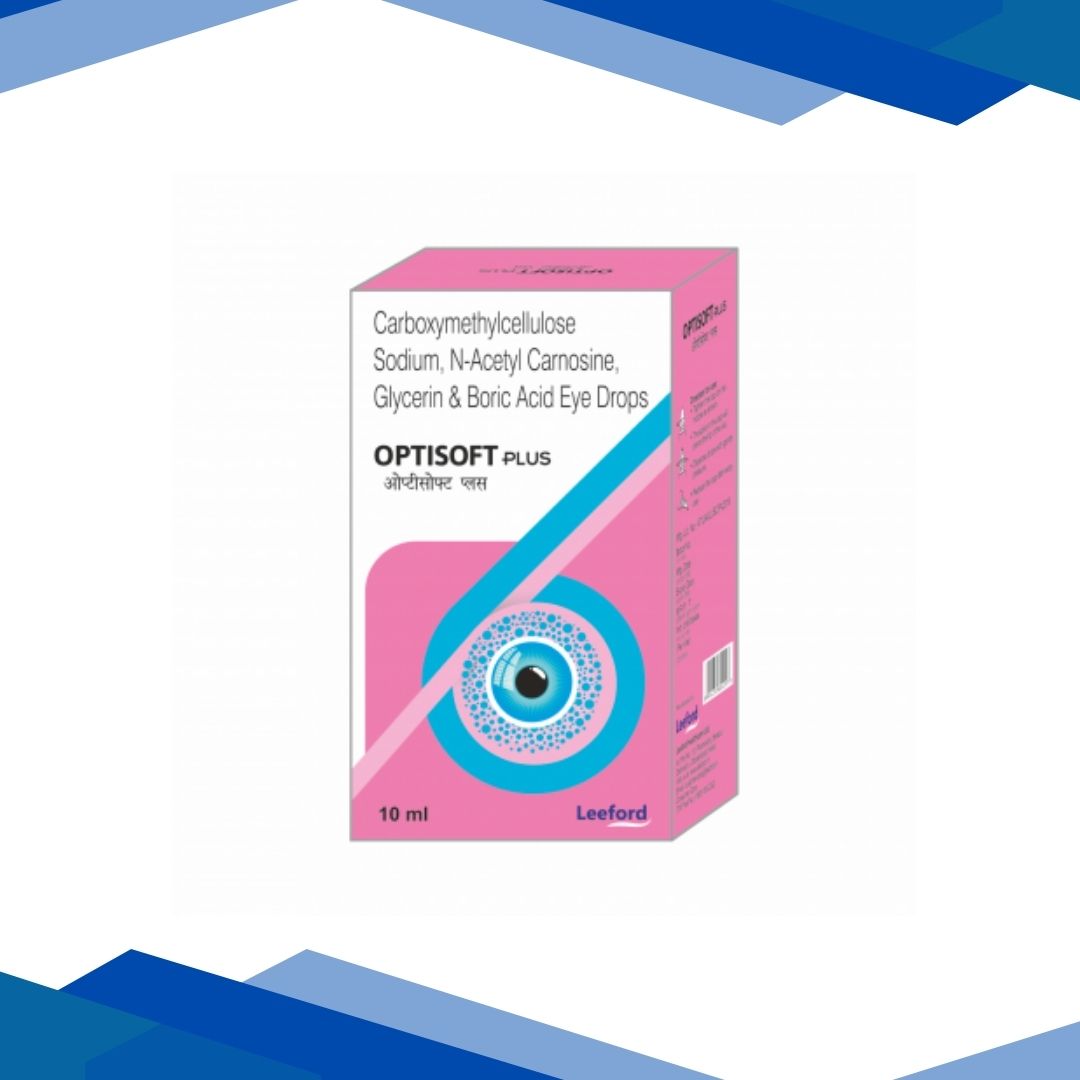
OPTISOFT PLUS Eye Drops 10ml Doctor prescription required on this medicine
No Prescription yet? Don’t worry! Click Here to Get Online Consultation
A prescription drug called Optisoft Plus Eye Drop is used to treat dry eye symptoms. It helps to keep the eyes hydrated and lubricates the eyes. In this manner, it offers short-term respite from the discomfort and burning brought on by dry eyes. Additionally, it lessens eye swelling and redness.
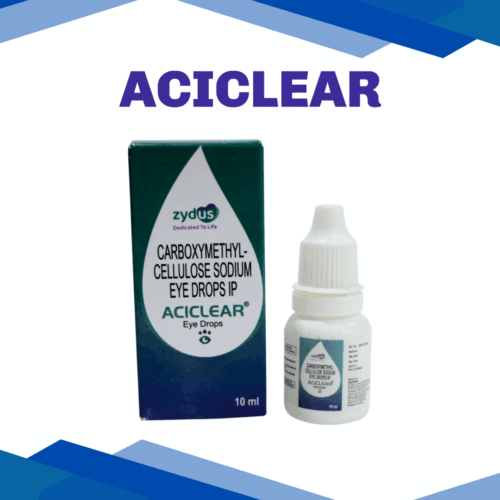
Carboxymethylcellulose
Carboxymethylcellulose Eye Drops: Relief for Dry, Tired Eyes
Carboxymethylcellulose (CMC) belongs to a class of medications known as lubricants or artificial tears. The medication provides temporary relief for burning, irritation, and discomfort signs which result from dry eyes, wind exposure, and sun exposure.
How It Works
The CMC substance increases tear film thickness, which causes moisture to stay on the eye surface for extended periods. The CMC compound establishes an extended eye hydration period by imitating natural eye mucin, which prevents rapid water loss.
Key Benefits
Instant Hydration: The product delivers immediate cooling effects which begin when users apply the solution.
Long-Lasting: The muco-adhesive properties of the product enable the drops to remain on the eye surface for an extended period compared to regular saline solutions.
Post-Surgery Care: Ophthalmologists recommend this treatment for patients who need to recover after LASIK or cataract surgery.
Protection: The product creates an invisible barrier which protects users from environmental irritants such as smoke and dust.
Usage Instructions
- Perform a complete hand washing procedure before application.
- Tilt your head backward while pulling the lower eyelid downwards to form a small pocket.
- Hold the dropper above your eye and dispense 1–2 drops according to your requirements.
- Keep your eyes closed for one minute while applying light pressure to the eye corner near your nose to stop the liquid from escaping.
Pro Tip: Verify whether your contact lens-specific formulation contains "preservative-free" status before use. Certain preservatives may cause soft contact lenses to change color.
Frequently Asked Questions (FAQs)
What is Carboxymethylcellulose used for?
The primary medical application of this treatment involves Dry Eye Syndrome management. The treatment helps patients with screen time, air conditioning exposure, and age-related changes because it relieves symptoms of grittiness, itching, and the sensation of a foreign body in the eye.
How often can I use these eye drops?
The over-the-counter eye drop products allow users to apply them as needed.
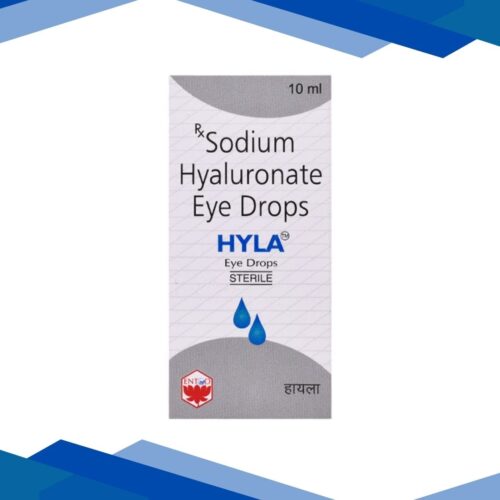
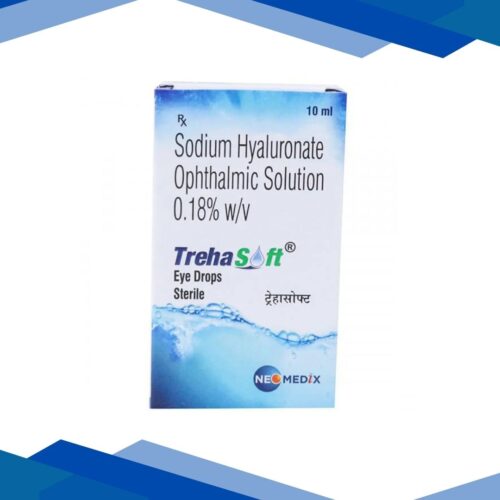
Sodium Hyaluronate
Sodium Hyaluronate: The Ultimate Hydrator for Eyes and Joints
Sodium Hyaluronate is a naturally occurring substance in the human body, known for its incredible ability to retain moisture. As a salt form of Hyaluronic Acid, it is widely utilized in medicine to treat dry eyes and provide relief for joint discomfort caused by osteoarthritis.
Whether you are staring at a screen all day or seeking better mobility, Sodium Hyaluronate acts as a "biological lubricant," restoring the natural cushions your body needs to function smoothly.
Key Benefits & Uses
- Intense Ocular Hydration: Quickly relieves burning, itching, and "gritty" sensations in the eyes.
- Post-Surgical Recovery: Frequently used by ophthalmologists during and after cataract surgery to protect delicate tissues.
- Joint Cushioning: When administered as an injection, it mimics the synovial fluid in knees to reduce friction and pain.
- Skin Barrier Support: Found in medical-grade topicals to accelerate wound healing and deep hydration.
How to Use Safely
- For Eye Drops: Wash hands thoroughly. Tilt your head back and instill the prescribed number of drops. Avoid touching the dropper tip to any surface to prevent contamination.
- For Injections: This must only be administered by a qualified healthcare professional, usually directly into the joint space.
Safety Advice & Precautions
- Expert Note: While Sodium Hyaluronate is highly biocompatible, always inform your doctor if you have a known allergy to avian products (like eggs or feathers), as some formulations are derived from these sources.
- Pregnancy/Breastfeeding: Consult your physician before use. While topical or ophthalmic use is generally considered low-risk, clinical guidance is essential.
- Driving: Eye drops may cause temporary blurred vision. Wait until your vision clears before operating machinery.
- Storage: Keep in a cool, dry place below 30°C. Do not freeze.
Frequently Asked Questions (FAQs)
1. Is Sodium Hyaluronate the same as Hyaluronic Acid?
Not exactly. Sodium Hyaluronate is a derivative of Hyaluronic Acid. It has a lower molecular weight, which allows it to penetrate deeper and move more easily into tissues, making it more effective for medical applications.
2. Can I use Sodium Hyaluronate drops while wearing contact lenses?
It depends on the specific brand. Many "preservative-free" versions are safe for contact lens wearers, but some preservatives can discolor soft lenses. Always check the packaging or ask your pharmacist.
3. How long does it take to see results for joint pain?
For joint injections, relief is rarely instant. Most patients notice a significant improvement in mobility and a decrease in pain within 2 to 4 weeks after the full course of treatment.
4. Are there any side effects?
Common side effects are mild and may include temporary blurred vision (for eye drops) or slight swelling and redness at the injection site. If you experience severe itching or a rash, discontinue use and consult a doctor immediately.
Disclaimer
The information provided above is for educational purposes only and does not substitute for professional medical advice. Always consult your physician before starting any new medication.
At Gem Pharmacy, we make every effort to provide accurate, expert-written, and thoroughly reviewed information related to medicines. However, this information should not be considered a substitute for professional medical advice, diagnosis, or treatment from a qualified doctor.
The purpose of this information is to educate users and improve communication between patients and healthcare professionals. It should not be used to diagnose or treat any condition.
Always consult a certified healthcare professional before taking any medication.


Related products