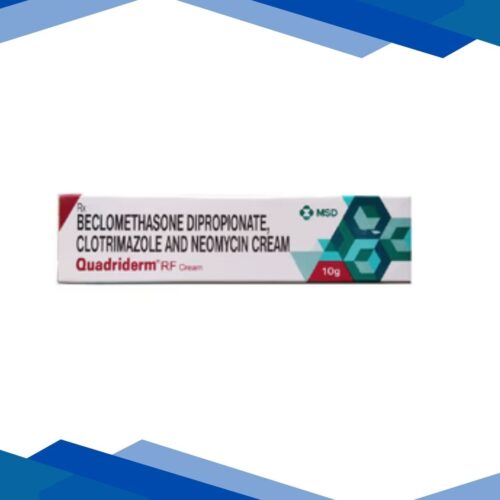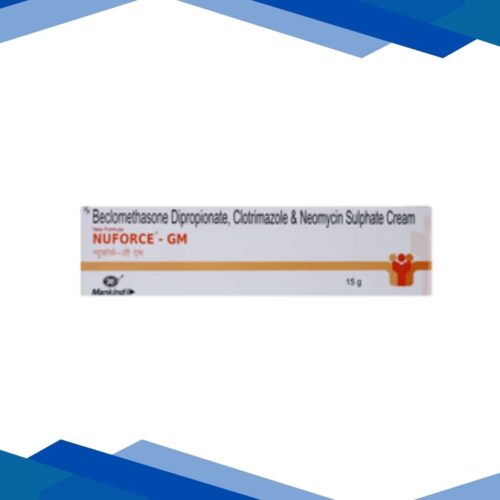

LULIACT B Cream 10g
No Prescription yet? Don’t worry! Click Here to Get Online Consultation
Luliact-B Ointment is a topical medicine used to treat fungal skin infections such as ringworm, athlete’s foot, jock itch, and fungal infections with redness, swelling, or itching. It works by killing the fungus responsible for the infection. It also helps reduce inflammation, redness, and itching.
Beclometasone Dipropionate
Beclometasone Dipropionate: For the Targeted Relief of Airway and Skin Inflammation
The glory of the synthetic corticosteroid Beclometasone Dipropionate lies in its ability to control and prevent inflammatory conditions in the airway and the skin. While widely known as a “preventing” drug in asthma, it acts by decreasing swelling and sensitivity of the airways, helping patients breathe easier over time.
Therapeutic Uses
Asthma Maintenance: It serves as a daily prophylactic therapy to prevent symptoms like wheezing and tightness of the chest.
Allergic Rhinitis: For nasal use, it is effective for treating nasal symptoms like hay fever, sneezing, and long-term nasal congestion.
Skin Disorders: When used topically (cream and lotion), it treats inflammatory skin conditions such as eczema, psoriasis, and severe dermatitis.
Ulcerative Colitis: In specific oral formulations, it helps decrease gastrointestinal (GI) tract inflammation.
Mechanism of Action
Beclometasone Dipropionate works as a prodrug that requires conversion to its active form, beclometasone-17-monophosphate, at the target tissue. This active compound inhibits a series of inflammatory mediators, reducing the release of chemical agents such as prostaglandins and leukotrienes. As a result, capillary edema and inflammation decrease, restoring airway stability and preventing the hyper-reactive state that leads to bronchial asthma attacks.
Summary of the Need
Not for Emergencies: This medicine is not indicated for acute asthma attacks. Fast-acting inhalers such as Salbutamol should be used in such situations.
After Using: If administering an inhaler, rinse the mouth with water, spit it out, and rinse again to remove the drug and prevent oral thrush, a fungal infection.
Tapering: Do not stop this medication abruptly when used long-term. A doctor should guide gradual dose reduction (tapering).
Questions & Answers (Q&A)
1. Is Beclometasone Dipropionate a Cure for Asthma?
Asthma is a chronic disease, and Beclometasone is not a cure. However, when used regularly as prescribed, it helps control symptoms effectively and prevents irreversible airway remodeling caused by untreated inflammation.
2. When can I expect the inhaler to start working?
Some improvement may appear within 24–48 hours, but full therapeutic benefits usually occur after 1–2 weeks of consistent daily use. Even if symptoms improve, the inhaler should not be stopped suddenly without medical advice.
3. Will Beclometasone inhaler cause weight gain or “moon face”?
Such steroid-related side effects are mostly associated with oral steroid tablets. With inhaled or nasal forms, very little medication enters the bloodstream, making these effects extremely rare.
4. What should I do if I miss a dose?
Take the missed dose as soon as you remember. If it is close to the next scheduled dose, skip the missed one. Do not double the dose, as this may increase side effects such as hoarseness.
5. What foods should be avoided while on this medication?
There are generally no strict dietary restrictions. However, if taking tablet forms, it is recommended to take them with food to avoid stomach upset. Maintaining a balanced diet rich in calcium and Vitamin D is beneficial, as long-term steroid use at high doses may affect bone density.
6. Is it safe for children?
Yes, Beclometasone is commonly prescribed for children above 5 years of age with proper medical supervision. In younger children, doctors may monitor growth and development regularly to ensure the lowest effective therapeutic dose is used.
Luliconazole
Luliconazole 1% Cream
Luliconazole is a potent antifungal agent belonging to the imidazole group of drugs, which works by inhibiting the synthesis of ergosterol, an essential component of the fungal cell membrane. By disrupting this structure, it kills fungi, prevents their reproduction, and stops the infection from spreading.
Therapeutic Uses:
Athlete's Foot (Tinea Pedis): A fungal infection usually occurring between the toes; Luliconazole provides effective relief.
Jock Itch (Tinea Cruris): A red, itchy (pruritic) rash in the groin and genital area.
Ringworm (Tinea Corporis): Treats scaly, circular skin rashes affecting various parts of the body.
Drip Instructions on Its Usage
Application: Apply a thin layer and gently rub it over the infected area, including about a half-inch margin of surrounding healthy skin.
Ringworm/Jock Itch: Usually applied once daily for one week.
Athlete's Foot: Typically requires once-daily application for about two weeks.
Just Focus: First wash and dry the affected area thoroughly before applying the cream. Maintain good hygiene and wash your hands after application to prevent spreading the infection to other body parts or individuals.
Significant Precautions and Contraindications
For External Use Only: Avoid contact with eyes, nose, mouth, or vaginal mucosa. If accidental contact occurs, rinse immediately with clean water.
Main Trustworthiness: Even if symptoms improve early, complete the full prescribed course to prevent relapse or recurrence.
Pregnancy & Breastfeeding: Consult a doctor before use. Although topical absorption is minimal, it should be used only if benefits outweigh risks.
Age Division: Use in children under 12 years should be supervised by a pediatrician. It is not recommended for children below 2 years for tinea corporis.
Possible Side Effects
Luliconazole is generally well tolerated, but some individuals may experience:
• Mild skin irritation or redness
• Burning or stinging sensation (temporary)
• Dryness or peeling of the skin
Seek medical attention if you notice severe irritation, swelling of the face, or difficulty breathing.
Frequently Asked Questions (FAQs)
Q: How long will it take Luliconazole to start functioning?
A: Many patients notice improvement in itching and redness within a few days. However, the fungus may still be present, so complete the full 7–14 day course as prescribed.
Q: Can I cover the treated area with a bandage?
A: It is best to keep the area open to air. Avoid bandaging unless advised by a doctor, as trapped moisture may promote fungal growth.
Q: How does Luliconazole compare with other antifungal creams like Ketoconazole?
A: Luliconazole has high skin penetration and a fungicidal action (kills fungi rather than just inhibiting growth), often resulting in shorter treatment durations compared to older antifungals like Ketoconazole.
Q: What should I do if the infection is not healed after two weeks?
A: Consult a dermatologist. You may require a longer course or an alternative treatment for resistant infections.
Q: Can Luliconazole be used on the face?
A: Yes, it can be used for facial ringworm, but avoid contact with eyes, nostrils, and lips. Always seek medical advice before applying it to sensitive facial skin.
At Gem Pharmacy, we make every effort to provide accurate, expert-written, and thoroughly reviewed information related to medicines. However, this information should not be considered a substitute for professional medical advice, diagnosis, or treatment from a qualified doctor.
The purpose of this information is to educate users and improve communication between patients and healthcare professionals. It should not be used to diagnose or treat any condition.
Always consult a certified healthcare professional before taking any medication.


Related products
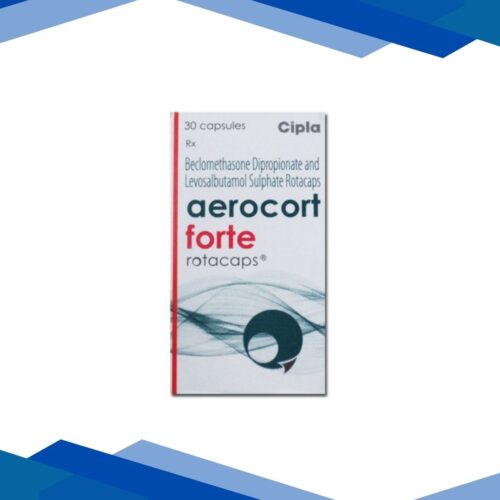
Aerocort Forte Rotacap 30’S