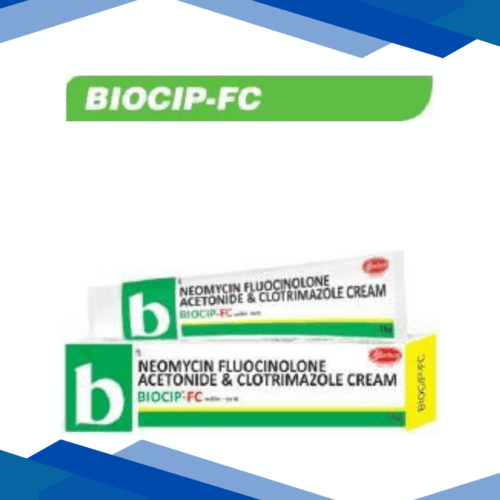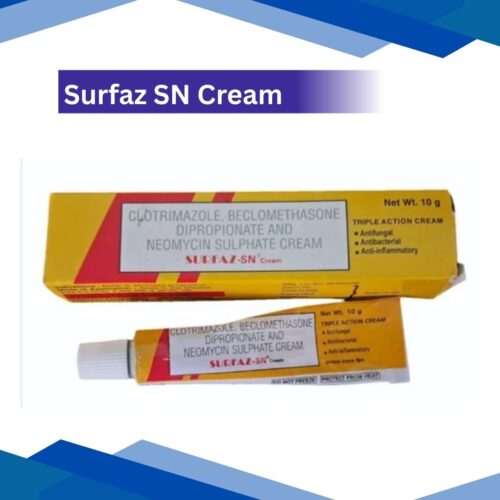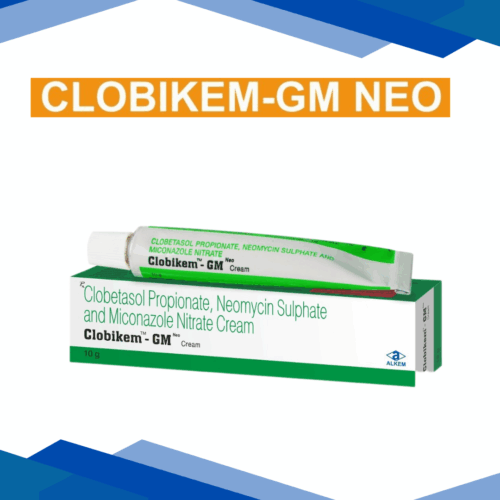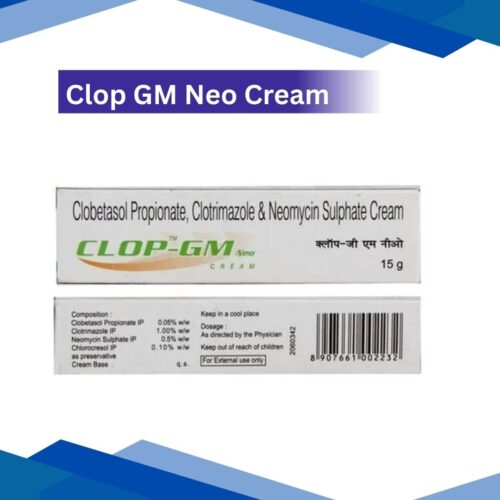
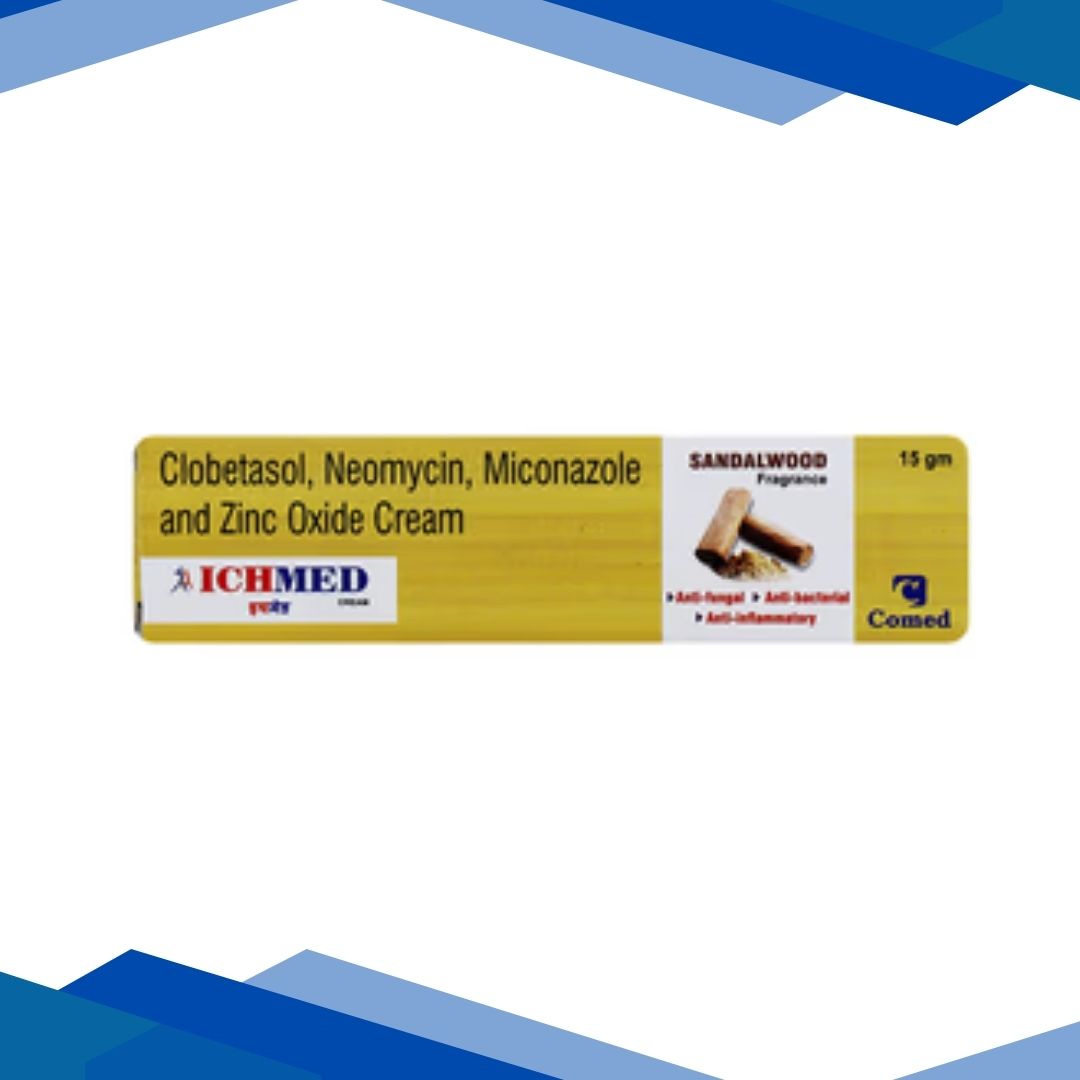
ICHMED Cream 15gm
No Prescription yet? Don’t worry! Click Here to Get Online Consultation
ICHMED Cream 15gm is a topical combination medication (Clobetasol 0.05%, Miconazole 2%, Neomycin 0.5%, Zinc Sulphate 2%) used to treat skin infections and inflammation, such as eczema, psoriasis, and fungal infections. It acts as an anti-inflammatory, antibacterial, and antifungal agent. Common side effects include burning, itching, and skin thinning.
Clobetasol propionate
Clobetasol Propionate 0.05% Cream/Ointment
Clobetasol Propionate is considered one of the strongest medications against various severe skin problems. This drug, by acting upon these substances in the skin, helps in decreasing the swelling, redness, and itching that happen in skin diseases. This is classified under "super-potent" class I steroid and is therefore reserved for very severe dermatoses that do not respond to less potent steroids.
Indications
This medicine can basically be prescribed for inflammatory and pruritic conditions responsive to corticosteroids, which are represented by:
- Psoriasis: Especially plaque psoriasis localized on the scalp, elbows, and knees.
- Eczema: Incapacitating atopic dermatitis unresponsive to other types of treatment.
- Lichen Planus: An inflammatory disease of the skin and mucous membranes
- Discoid Lupus Erythematosus
Key features
Rapid Action: Quick relief from severe itching and localized inflammation.
Targeted Therapy: High skin permeability ensures deep immunization of the affected dermal tissues by the active material.
Multiple Formulations: Available as a cream, ointment, gel, and scalp solution depending on skin typology and what part of the body might be affected.
Application Directions
Pre-treatment: Wash and dry hands and the area on the skin where the medication is to be applied.
Gentle Layering: Use pea-sized amounts, and gently rub the cream, drug, or gel into the area being treated, making sure it disappears into the skin.
Use Frequency: Use frequency is usually 1-2 times daily, but no more than what is recommended by your dermatologist, in terms of dosing or frequency.
Cleanliness of the Hands: Rinse hands, unless hands are to be treated on.
Major Precautions
Use Short-term: Owing to the high potency, prolonging usage should not go beyond two consecutive weeks.
Cautiousness in Facial Areas: The owned should be directed merely to the areas of application; however, if this has to end up being the face, an alternative medicine is otherwise recommended for such cases on strict grounds.
Occlusion: Unless otherwise advised by a physician, the patient shall make sure that the treated skin is not occluded by bandages or air-tight dressings, which increase systemic absorption of the medicine.
No Data on Adrenal Insufficiency: Long-term use of clobetasol propionate over a significant body area has the potential to increase the systemic absorption of the drug and possibly affect the hypothalamic-pituitary-adrenal axis.
Adverse Effects
Common side effects of Clobetasol Propionate 0.05%/gm are:
Irritation or stinging after application.
Skin thinning or infrequently striae.
Folliculitis.
Spider telangiectasia veins.indicators
FAQs (Frequently Asked Questions)
Q: Is Clobetasol Propionate a fungal or antibiotic cream?
Clobetasol is a steroid type. It does not treat infections mediated by bacteria, fungi, or viruses, and can enhance them if used on the infected area alone.
Q: Is it okay to use Clobetasol for baby diaper rash?
No, Clobetasol is too strong for the delicate infant skin and should never be used in diaper dermatitis cases as mentioned above. The inclusion of steroids in the diaper region increases the risk of systemic absorption from the 'occlusive' property of a diaper.
Q: Should I start using it if I missed a dose?
When you remember, use it; otherwise, wait and continue with your regular dosing schedule. Do not "double up" to make up for the missed dose.
Q: How long should I expect to wait before I see some form of improvement?
Most patients start to feel a decrease in itching and redness within the first couple of days of applying it. Should you be unable to see any improvement after two weeks, talk with an experienced person from the dermatology society.
Q: Would pregnant women use it?
Topical steroids are used during pregnancy exclusively when the potential benefit of treating the mother far exceeds the theoretical risk to the fetus. It is always wise to have a discussion with your OB-GYN before you start treatment.
Neomycin
Neomycin Topical Sulfate (USP/IP)
Neomycin is a potent aminoglycoside antibiotic used to treat and prevent bacterial skin infections. It works by inhibiting bacterial protein synthesis, thereby stopping the growth and multiplication of bacteria. It is effective mainly against gram-negative and some gram-positive organisms, and is commonly included in “triple antibiotic” ointments for minor skin care.
Therapeutic Uses
Infected Minor Wounds: Prevents infection in cuts and abrasions
Minor Burns: Protects damaged skin from secondary bacterial infection
Secondary Skin Infections: Used in eczema or impetigo when infected
Pre-Surgical Prep: Helps in surface sterilization before minor procedures
Salient Features
Localized Action: Works directly at the site of infection
Rapid Effect: Begins acting on surface bacteria quickly
Multiple Forms: Available as creams, ointments, and powders
Usage
Preparation: Wash hands and clean area with soap and water
Application: Apply a thin layer to affected area
Frequency: Use 1–3 times daily as advised
Protection: Cover with a sterile bandage if required
Unwanted Side Effects and Safety
Mild redness or irritation
Itching or stinging sensation
Allergic Contact Dermatitis: rash or hives may occur
Warning: Avoid use on large open wounds due to risk of systemic absorption and rare ototoxicity or nephrotoxicity
Precautions and Warnings
Duration: Do not use beyond 7 days without medical advice
Sensitive Areas: Avoid use in eyes or ear canal
Pregnancy: Use under medical supervision
Pediatric Use: Generally safe for children above 2 years with guidance
Frequently Asked Questions
Q: Can it treat acne?
Not ideal; better options include benzoyl peroxide or clindamycin
Q: What if swallowed accidentally?
Usually causes mild stomach irritation; seek help if large amount ingested
Q: Why is my skin red and itchy?
Possible allergic reaction; discontinue use and consult a doctor
Q: Can it treat fungal infections?
No, it works only against bacterial infections
Q: Can it be used under a dressing?
Yes, but consult a doctor if the wound is severe or highly inflamed
ZINC
Zinc (Elemental Zinc/Zinc Salts)
Zinc is an essential trace mineral vital for the activity of more than 300 enzymes in the human body. It plays a fundamental role in immune function, protein synthesis, wound healing, and DNA synthesis. With no specialized zinc storage system, a daily intake is necessary to maintain homeostasis. Zinc is mostly applied clinically to treat nutritional deficiencies, assist in pediatrics' growth and manage acute diarrhea.
Therapeutic Uses
Immune System Support: Acts as a gatekeeper of immune function, helping the body resist infections and reducing the duration of the common cold.
Diarrhea Management: WHO recommends zinc to reduce the severity and duration of diarrhea, particularly in children.
Skin Health & Repair: Essential for maintaining skin integrity; often used to treat acne, eczema-like rashes, and slow-healing wounds.
Sensory Function: Crucial for the maintenance of the senses of taste and smell.
Growth & Development: Synergists during growth & development, from pregnancy to childhood, & adolescence.
Key Features
Several Salt Forms: This nutritional mineral comes in Zinc Sulfate, Zinc Gluconate, and Zinc Acetate; the latter two should be preferred probably for easy GI tolerance as and when needed.
High Bioavailability: High bioavailability makes it rapidly absorbed from the small intestine.
Essential Micronutrient: Iron serves as an 'essential' mineral because it can't be made in the body.
Instructions for Use
Dosage: Per prescription from health care providers or on causal bases, one to two tablets is the recommended dose to make up the RDA of, say, 8mg for women and 11mg for men.
Timetime: One hour before or two hours after meal for maximal absorption.
Questionable Stomach? Nausea from zinc is through- add some food and this might reduce absorption a tad.
Avoid Interference: Do not take zinc with iron or calcium supplements, as these minerals compete for absorption.
Possible Side Effects
At recommended doses, side effects with Zinc are uncommon. Nonetheless, a few users may encounter the following difficulties:
GI Disturbances: Zinc Sulfate causes common nausea, vomiting, and stomach pains.
Metallic Taste: A lingering taste in the mouth will occur.
Copper Deficiency: Excessive zinc intake, longer than 40 mg/day, can be an obstruction to copper absorption, leading to anemia.
Cautions and Restriction
Drug Interactions: Zinc may interfere with the absorption of certain antibiotics (eg. Quinolones and Tetracyclines). So if you are on these medications, take them at least 2 hours before or 4–6 hours after taking Zinc.
Renal Health: Be cautious if you have kidney deficiencies, as minerals can build up.
Pregnancy & Lactation: Zinc needs are higher during these periods and supplementation should be by prescription only.
Avoid taking antacids two hours before/after your zinc dose since they may actually reduce its effectiveness.
Frequently Asked Questions (FAQs)
Q: Which is the best form of Zinc, sulfate, gluconate, or acetate?
All forms are equally good carriers of elemental zinc. Zinc sulfate tablets offer more zinc for the money and is commonly found, but zinc gluconate or acetate forms are most often desired in syrups and lozenges as they are less bitter and milder on the stomach.
Q: Can Zinc delete a common cold faster?
Yes, clinical studies show that taking Zinc lozenges or syrup less than 24 hours after the initial phase of a common cold can significantly reduce the duration and severity of a cold.
Q: How can I tell if I have Zinc deficiency?
Common signs include frequent infections, thinning of the hair, decreased appetite, changes in taste or smell, and wounds that are slow to heal among other few. If you are experiencing these symptoms, it is suggested to check with your clinician for a blood test.
Q: Can I take Zinc and Iron together?
That's correct. A large intake of iron (25mg or more) will seriously inhibit zinc absorption. It is best we supplement each with enough hours separation (e.g. morning and evening).
Q: Will it be safe to consume 50mg of zinc every day?
The "Tolerable Upper Intake Level" figure for adult consumption stands at 40 mg/mg per day. In any case, taking 50 mg/day or more on one's own overtime without any doctor's supervision will result in a copper deficiency and weakened immunity.
Storage
Store in the same fashion others are stored: dry places away from direct sunlight with the container tightly closed to prevent moisture from getting in.
Disclaimer: INFO THIS ARTICLE OFFERS IS PRESENTED IN AN INFORMATIVE WAY. IT IS NOT SUBSTITUTING FOR PROFESSIONAL MEDICAL ADVICE OR DIAGNOSIS. ALWAYS CONSULT YOUR DOCTOR BEFORE TAKING ANY NEW MINERAL SUPPLEMENT.
At Gem Pharmacy, we make every effort to provide accurate, expert-written, and thoroughly reviewed information related to medicines. However, this information should not be considered a substitute for professional medical advice, diagnosis, or treatment from a qualified doctor.
The purpose of this information is to educate users and improve communication between patients and healthcare professionals. It should not be used to diagnose or treat any condition.
Always consult a certified healthcare professional before taking any medication.


Related products