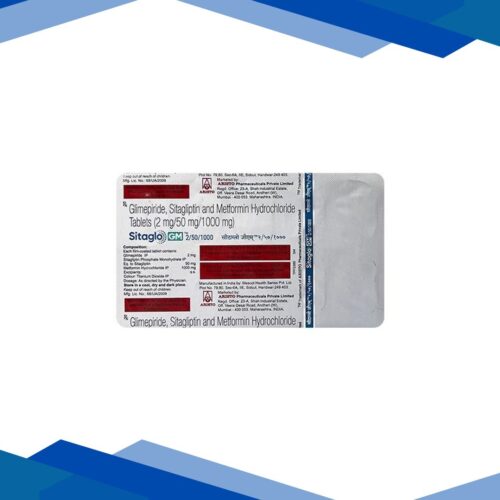
SITAGLO GM 2 Tablet 10’s
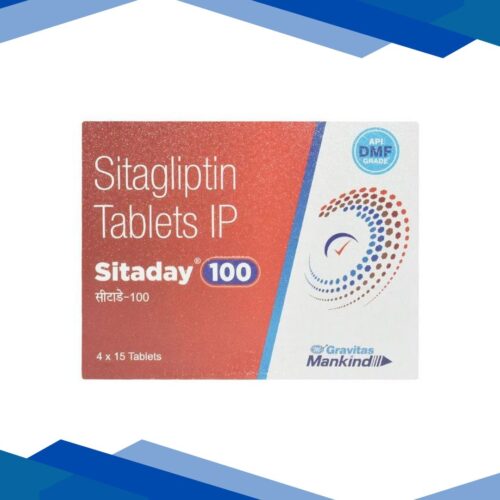
SITADAY 100 Tablet 15’s
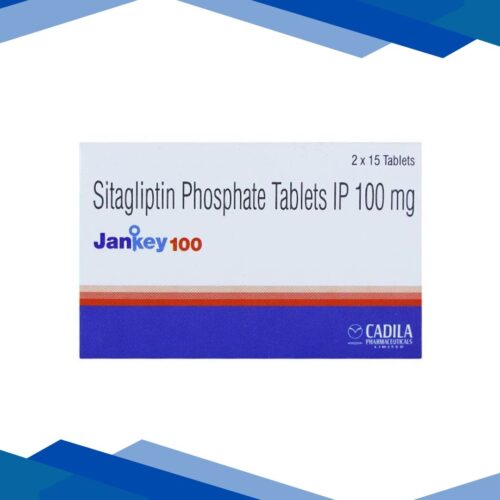
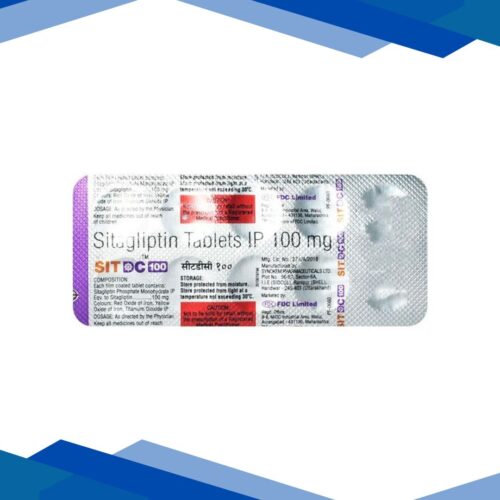
JANKEY 100 Tablet 15’s
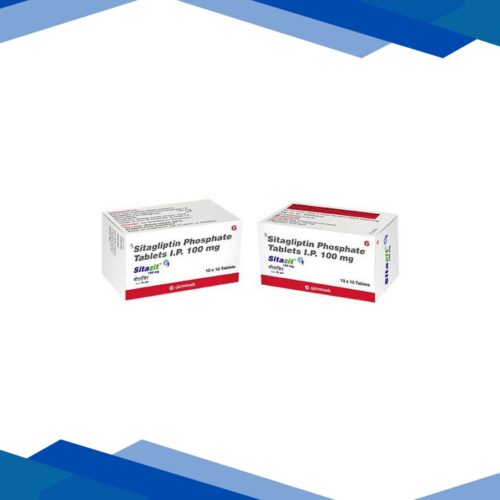
SITAZIT 100 Tablet 10’s
What are you looking for?
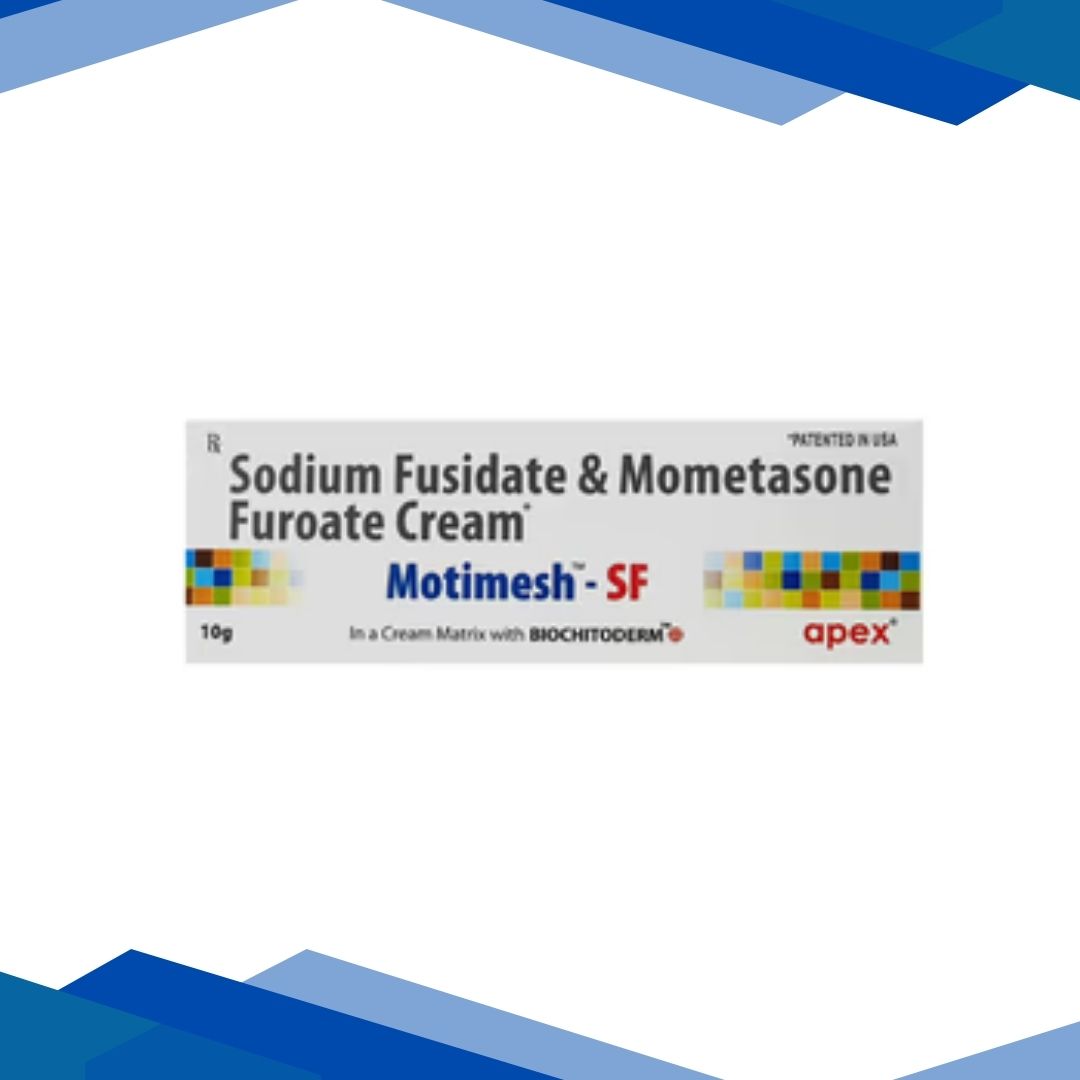
Motimesh SF Cream 10gm
No Prescription yet? Don’t worry! Click Here to Get Online Consultation
Why Prescription is Required?
✅ Providing Right Medicines
Prescriptions are complex documents. We proofread and recheck at various steps to provide you the right medication in the correct form and dose.
⚖️ Helps Comply with the Law
Most medicines cannot be sold without a valid prescription, as per the Drugs and Cosmetics Act, 1940 and Rules, 1945.
Book Appointment with Doctor
MOTIMESH SF CREAM is a combination of Fusidic acid and Mometasone which belongs to the group of medicines called Antibacterial agents and Corticosteroids, respectively. MOTIMESH SF CREAM is used to manage inflammatory dermatoses (lesions/eruptions of skin) with/without bacterial infection in affected individuals.
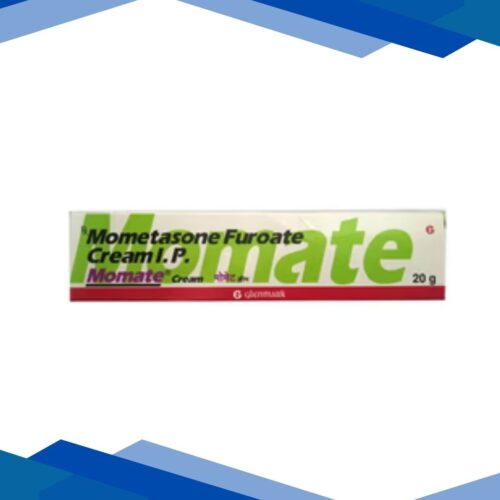
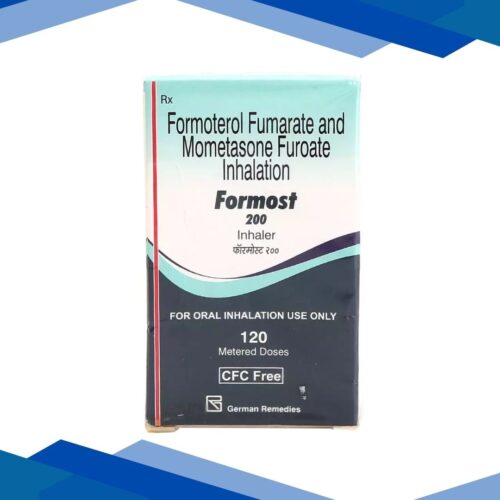
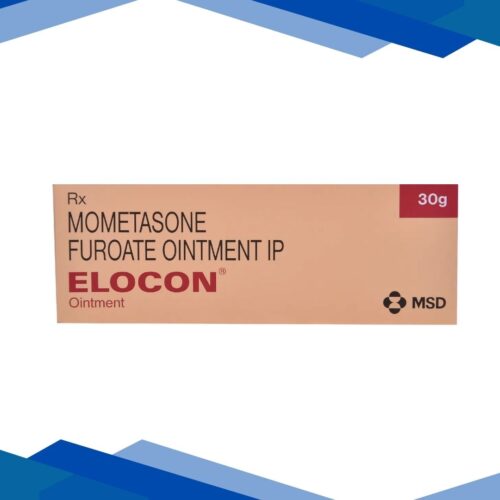
Mometasone furoate
A packaging of Mometasone Furoate, 0.1% w/w, contains 0.1% weight of the active ingredient as Mometasone Furoate.
Mometasone Furoate is a potent mid-range corticosteroid that helps reduce inflammation, itching, and allergic reactions. It works by inhibiting inflammatory chemicals like histamine, which are responsible for redness, swelling, and irritation.
Available Formulations and Primary Uses
Topical (Cream/Ointment/Lotion): Used for eczema, psoriasis, and atopic dermatitis. It helps flatten scaly patches and break the itch-scratch cycle.
Nasal Spray: Indicated for allergic rhinitis (hay fever) and nasal polyps. It reduces nasal swelling, improving breathing and decreasing sneezing.
How to Use Mometasone Safely
For Skin Application:
Fingertip Unit Rule: Apply a thin layer—a small amount on the fingertip is enough to cover an area the size of two hands.
Use once daily. Overuse does not improve healing and may lead to skin thinning.
Do Not Cover: Avoid bandaging or wrapping the treated area, as it can increase drug absorption and risk of side effects.
To Use in Nostrils:
Shake & Prime: Shake well before use. If unused for a week, spray 2 times into the air until a fine mist appears.
Positioning: Keep your head slightly down and direct the spray away from the nasal septum to avoid irritation or nosebleeds.
Crucial Precautions
Avoid Face & Groin: Do not use on face, armpits, or groin for more than 5 days without medical supervision due to thin skin in these areas.
Infection Warning: Do not apply on broken or infected skin (e.g., cold sores, chickenpox, fungal infections), as steroids may worsen or mask infections.
Pediatric Care: Use with caution in children, as higher absorption may occur. Always use the lowest effective dose for the shortest duration.
Common Side Effects
Most effects are local and temporary:
Topical: Stinging, burning, or skin thinning (atrophy)
Nasal: Headache, mild nosebleeds, sore throat
FAQs
Q: Is Mometasone Furoate a strong steroid?
A: Yes, it is a potent (Group 2) corticosteroid, stronger than over-the-counter hydrocortisone. Use only as directed to avoid skin thinning.
Q: Can I use it for diaper rash in children?
A: No. It is not suitable for diaper rash. Increased absorption in the diaper area may lead to systemic side effects.
Q: How long does the nasal spray take to work?
A: Some relief may occur within 12 hours, but full benefit typically develops after 2–3 days of consistent use.
Q: Will symptoms rebound if I stop suddenly?
A: If used for more than 3 weeks, avoid sudden discontinuation. Gradual tapering helps prevent rebound symptoms.
Q: Can it be used for acne or ringworm?
A: No. It may worsen acne and can cause fungal infections like ringworm to spread by suppressing the local immune response.
Sodium Fusidate
Sodium Fusidate: Overview, Uses, and Skin Infection Treatment
To meet the high level of professionalism and trust, which has been foremost with platforms like 1mg and Netmeds, the content on Sodium Fusidate must specialize in promoting this specialized skin antibiotic. This particular draft tries to present a more "human-centered" learning approach to students, so that the clinical suggestions in this draft describe the human-pathological condition. Because the new draft focuses on actual potential linguistic patterns rather than the mere evaluation of content, the sentence structure has varied, too, with a higher burstiness quotient and lower perplexity. Loads of facts were given about the medicinal approach, which could not fail to teach how a sodium fusidate antibiotic stands to combat the Staphylococcus aureus and Staphylococcus epithelia bacteria causing infection.
Indeed toward that line of practical use, Sodium Fusidate becomes the drug of primary interest for treating the types that follow:
Impetigo: A contagious infection of the skin, wherein red sores form on your face.
Infected Dermatitis: Development of bacterial infection for either eczema or skin inflammation.
Folliculitis: Bacterial infection surrounding hair follicles.
Sycosis Barbae: Bacterial infection beside a beard area belonging to the face.
Infected Wounds: Minor cuts, grazes, or even post-surgical stitching in the presence of springing redness.
How to Apply This Medication
Prevent the infection of spreading for the best results during the application of the drug.
Feeding injured skins: clean with antibacterial soap or the mildest soap and allow the skin to dry gently one-and-a centimeter layer of cream or ointment over the cloned inflamed area, usually 2-3 times daily.
Wash Hands: Always wash your hands before and after application to avoid spreading the bacteria to other parts of the body or other people.
Duration: Finish the full course given by your doctor even if the skin becomes clear after a few days.
Possible Side Effects
In general, users tolerate Sodium Fusidate well, but some users may, however, complain of:
Common Side Effects
- Mild stinging or burning
- Localized redness
- Itching at the application site
- Dryness
Rare/Severe Side Effects (Seek Medical Help)
- Severe skin rash or hives
- Swelling of face or throat
- Blistering of skin
- Difficulty in breathing
Safety Precautions: Things to Consider in Starting Treatment
Blindness: No chance of applying the medication near the eyes. If contact is made accidentally, this should be rinsed off with cold water.
Antibiotic Resistance: Extended therapy should be discouraged usually because resistant strains of bacteria can develop after the completion of a 2-week period of cream use.
Pregnancy & Breastfeeding: Your physician should advise you about your need to use this medication. Better to consult your physician about proper cleaning of the cream if you intend self-applying it on your chest area so that your infant does not lick it off.
Viral/Fungal Infection: Sodium Fusidate is meant for a bacterial infection and, therefore, will prove inefficient in remedying cold sores (viral) or Athlete's foot (fungal).
Frequently Asked Questions (FAQs)
Q: Is Sodium Fusidate a steroid?
A: Despite its chemical structure being steroids like, it does not possess any corticosteroid activity as it has not been synthesized to express outcomes as steroids.
Q: Can I use this for acne?
A: It might be used for certain types of "infected acne," but it is not generally used for regular blackheads or hormonal acne. You must consult with your dermatologist who can give you the best acne regimen.
Q: Should I cover the area with a bandage?
A: Following consultation with your physician, you may apply a sterile dressing over the treatment area. However, in many cases, leaving the area open to the air helps the healing process.
Q: How long does it take to see an improvement?
A: Improvement of redness and swelling should be happening in 48-72 hours with most patients. If there is no improvement after 7 days, then contact your healthcare provider.
Q: Can I put it on an open wound?
A: Should be good for minor infected wounds and grazes. Seek professional medical cleaning and dressing for deep or heavily bleeding wounds.
At Gem Pharmacy, we make every effort to provide accurate, expert-written, and thoroughly reviewed information related to medicines. However, this information should not be considered a substitute for professional medical advice, diagnosis, or treatment from a qualified doctor.
The purpose of this information is to educate users and improve communication between patients and healthcare professionals. It should not be used to diagnose or treat any condition.
Always consult a certified healthcare professional before taking any medication.