
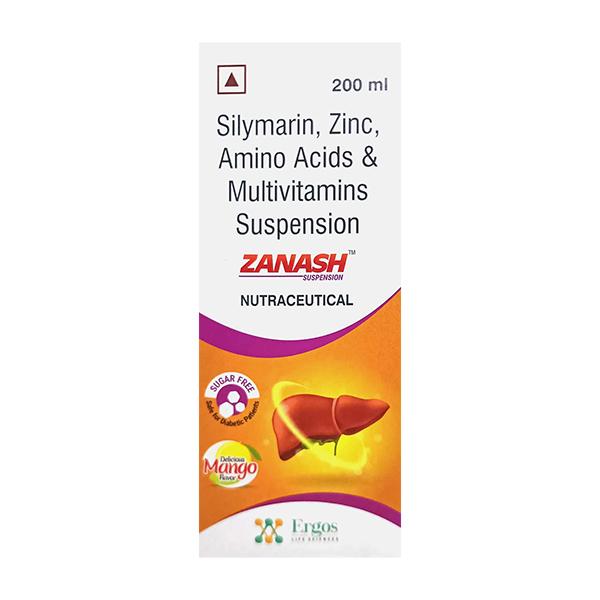
ZANASH SUGAR FREE DELICIOUS MANGO FLAVOR Suspension 200ml
No Prescription yet? Don’t worry! Click Here to Get Online Consultation
Acetyl-L-Carnitine is a naturally occurring amino acid derivative that helps the body produce energy by transporting fatty acids into the mitochondria of cells. It is commonly used to support nerve health and may help manage conditions such as Peripheral neuropathy and Alzheimer’s disease. It is also known for its role in improving mental energy, memory, and overall brain function.
Ascorbic Acid
Impactful in Immunity Improvement, Vitamin C Supplement, or Ascorbic Acid
Ascorbic Acid, commonly known as Vitamin C, is an essential water-soluble vitamin that plays a critical role in the growth, development, and repair of body tissues. Since the human body cannot produce or store Vitamin C, a daily dietary or supplemental intake is necessary to maintain overall health and immunity.
Vitamin C performs multiple biological functions. It helps strengthen the immune system, supports collagen synthesis, and protects body cells from oxidative stress and environmental damage caused by pollution, toxins, and UV exposure.
Presentation
Therapeutic Category: Nutritional Supplement / Vitamin
Primary Action: Antioxidant and Collagen Booster
Available Forms: 500 mg or 1000 mg chewable tablets, effervescent tablets, and skin serums
Indications: Faster wound healing, healthy-looking skin, and stronger immunity
Health Benefits
1. Extensive Immune Support
Ascorbic Acid stimulates the production of white blood cells such as lymphocytes and phagocytes, which help the body fight infections effectively. It also strengthens the skin’s barrier function, acting as a powerful antioxidant shield against harmful pathogens.
2. Encouragement in Collagen Synthesis and Anti-Aging
Vitamin C acts as a major cofactor for collagen formation, helping stabilize and cross-link collagen fibers. This is essential for maintaining skin elasticity, strong joints, healthy gums, and faster wound healing.
3. Increase in Iron Absorption
If you have iron deficiency or anemia, Ascorbic Acid plays an important supportive role. It helps convert plant-based (non-heme) iron into a form that is more easily absorbed by the digestive system, improving iron utilization in the body.
4. Antioxidant Shield
Vitamin C helps neutralize free radicals—unstable molecules that damage cells. By reducing oxidative stress, it may lower the risk of chronic health conditions while protecting the body from environmental stressors like pollution and UV radiation.
Storage, Use, and Dosage Guidelines
Dosage: For general health, adults commonly take 500 mg to 1000 mg daily. In cases of acute infections like the common cold, a physician may recommend slightly higher doses for a short period.
How to Take: Swallow tablets with a glass of water. For chewable tablets (such as Limcee or Celin), allow them to dissolve slowly in the mouth.
When to Take: Vitamin C can be taken at any time of the day, but taking it with meals—preferably breakfast—may reduce mild stomach irritation.
Precautions & Safety Warnings
Kidney Stones: Individuals prone to calcium-oxalate kidney stones should consult a doctor before using high doses of Vitamin C, as it may increase oxalate levels in urine.
Diabetes: Vitamin C may sometimes interfere with certain blood glucose tests, so inform your healthcare provider or lab technician if you are taking high-dose Vitamin C supplements.
Storage: Vitamin C is sensitive to light and heat. Store it in an airtight, opaque container to prevent oxidation, which may appear as tablet discoloration.
Common Side Effects
Vitamin C generally has very low toxicity. However, exceeding the Upper Limit (2000 mg per day) may cause:
- Abdominal cramps
- Heartburn
- Diarrhea or nausea
Frequently Asked Questions
Q. Is Ascorbic Acid the same as Natural Vitamin C?
A. Chemically, yes. Ascorbic Acid is the same molecule found naturally in citrus fruits like oranges and lemons. However, whole foods also contain bioflavonoids and other phytonutrients, though the body still recognizes supplemental Ascorbic Acid as Vitamin C.
Q. Can I use Vitamin C daily?
A. Yes. Vitamin C is a water-soluble nutrient, meaning any excess is excreted through urine. Since the body does not store significant reserves, daily intake is recommended.
Q. Does it really cure the common cold?
A. Vitamin C does not instantly cure the common cold, but research suggests that regular supplementation may shorten the duration and reduce the severity of symptoms by supporting the immune response.
Q. Are Vitamin E and Vitamin C compatible together?
A. Absolutely. Vitamin C works synergistically with Vitamin E to support skin health, while combinations with Zinc help strengthen immune defense and antibody production.
Q. What causes my tablets to turn orange-brown?
A. This change usually occurs due to oxidation of Vitamin C when exposed to light, air, or heat. Significant discoloration may indicate loss of potency, and the product should be replaced if the change is severe.
N-Acetylcysteine
N-Acetylcysteine (NAC) 600mg Tablet
N-Acetylcysteine (NAC) is widely used as an antidote to acetaminophen overdose. It also acts as a mucolytic agent and helps boost Glutathione levels—the body’s “master antioxidant.” Additionally, it is prescribed for conditions involving thick, sticky mucus that block airways, and plays an important role in liver detoxification.
Treatment Uses And Benefits
Respiratory: Helps thin and break down mucus in the airways, making it easier to expel. Useful in conditions like chronic bronchitis, COPD, and cystic fibrosis.
Oxidative Stress Prevention: Promotes the production of Glutathione, helping neutralize free radicals and protect against oxidative damage.
Liver Protection: Used in acetaminophen poisoning to prevent or limit liver damage.
Neurological Support: May help regulate glutamate levels in the brain, supporting mental balance and mood stability.
Recommendations for Use
Recommended Dose: Typically 600 mg once or twice daily for adults (as prescribed by a physician).
Hydration: Maintain adequate fluid intake to enhance mucus thinning.
Method of Administration: Can be taken with or without food. Effervescent tablets should be dissolved in half a glass of water and consumed immediately.
Odor Note: A sulfur-like or “rotten egg” smell is normal due to the sulfur-containing nature of NAC and does not indicate spoilage.
Things To Must Check On Safety
Doctor’s Note: Patients with asthma should monitor for possible bronchospasm.
Peptic Ulcers: Use cautiously in individuals with active or recurrent ulcers.
Pregnancy & Breastfeeding: Consult a healthcare provider before use.
Drug Interactions: May interact with medications like nitroglycerine. Always inform your doctor about all medications and supplements.
Common Side Effects
Most people tolerate NAC well, but some may experience:
- Mild nausea or vomiting
- Abdominal discomfort or diarrhea
- Dizziness
- Skin rash or hives (rare)
Seek immediate medical attention if there is swelling of lips/face or difficulty breathing.
Frequently Asked Questions (FAQs)
Q: Is NAC a vitamin?
A: No. NAC is a form of cysteine, a semi-essential amino acid. Though available as a supplement, it is also used as a pharmaceutical drug in certain conditions.
Q: Can I take NAC daily?
A: Yes, in many cases it is used regularly for respiratory or antioxidant support, but duration should be guided by a healthcare provider.
Q: Does NAC help with hangovers?
A: NAC supports liver detoxification, especially when taken before alcohol consumption, but it is not a guaranteed hangover cure.
Q: Why does NAC smell like sulfur?
A: This is normal. The sulfur content is essential for its antioxidant activity.
Q: How quickly does it work for cough?
A: It may start loosening mucus within 1–2 hours, but full benefits usually develop over several days of consistent use.
Pyridoxine
Pyridoxine Tablet (Vitamin B6)
Pyridoxine, also known as vitamin B6, is an important water-soluble nutrient necessary for more than 100 enzymes of the human body. It is involved in protein, carbohydrate, and lipid metabolism, the formation of neurotransmitters and red blood cells. Pyridoxine is primarily used to treat nutritional deficiencies, treat or mitigate drug-induced neuropathies (often from TB medications), and alleviate pregnancy-induced nausea.
Some of the Major Uses are as Follows:
Nutritional Deficiencies: Successful treatment and prevention of Vitamin B6 deficiency due to poor nutrition, chronic alcohol abuse, or malabsorption.
Drug-Induced Neuropathy: Pyridoxine is often given in conjunction with Isoniazid (for TB) to prevent peripheral neuritis (nerve damage).
Pregnancy-induced nausea: Often used as first-line management in morning sickness, sometimes together with Doxylamine.
Sideroblastic Anemia: It helps SSA-related type of hereditary anemias in producing healthy red blood cells.
Metabolic Support: Maintains the healthy brain development and makes the immune system work properly.
Pharmacologic Mechanism
Pyridoxine taken up is converted to an active coenzyme form Pyridoxal 5-Phosphate (PLP) by the liver. This active form acts as a catalyst for the following:
a. Amino acids metabolism: Breaking apart proteins into their constituent control for maintenance and repair.
Neurotransmitter formation: Serotonin, dopamine, GABA—neuromodulators that control mood modulation and rest.
Hemoglobin Synthesis: Assists in ensuring iron availability from GIT for hemoglobin production in an effort to obviate anemia.
Standard Dosage & Use
For Deficiency: Normally 50 mg to 150 mg in divided doses as prescribed by the physician.
For Isoniazid Prophylaxis: About 10 mg to 50 mg typically taken daily to stop symptoms of nervousness.
How to Take: Swallow the tablet whole with water. It can be taken with or without food. Try to take it at the same time every day to keep your B6 levels constant in your body.
Missed Dose: Take as soon as remembered; however, avoid a double dose. Skip the scheduled dose if close to another dose timing.
Safety Profile and Side Effects
Even though pyridoxine is a vitamin and generally safe, side effects at high use, long-term, or overdose were seen with the following:
Common: Mild nausea, headache, drowsiness
Sensory: Parasthesia may announce with tingling, "pins and needles" in the hands and feet.
Severe (rare): Chronic high doses (>200 mg/day for months) can cause reversible nerve parasthesia.
Alternative Lungales: Promptly consult your doctor if you observe an awkward gait and coordination loss while you are on this therapy.
Before Use and Interactions
Levodopa Interaction: If Levodopa (with Carbidopa) is used for Parkinson's Disease, supplementation with Pyridoxine may reduce the drug's effectiveness.
Precautions: Discretion should be exercised in people having a history of renal or hepatic disease.
Beverage: Too much alcohol decreases blood amounts of B6 and may actually make things worse in case of deficiency symptoms.
Pregnancy/Breast Feeding: Safe at therapeutic dosages but must be under doctor's administration.
Frequently Asked Questions (FAQs)
Q: Does Pyridoxine help with fatigue?
While Pyridoxine is involved in energy metabolism, it is most effective when that weakness arises due to Vitamin B6 deficiency. A blood test or doctor consultation should confirm the actual cause of fatigue.
Q: Can Pyridoxine be taken daily?
Most individuals can use daily supplementation in varying amounts or as advised by their doctor, unless they are megadosing like in the case of sideroblastic anemia.
Q: Does it change urine color like other B vitamins?
It is not the case. Pyridoxine is pretty unlikely to change the color of your urine.
Q: Should I take this along with TB medication?
Yes, Pyridoxine can be taken with your other TB medications, including Isoniazid, to protect your nerves from the effects of the TB medications.
Q: How long does it take to see results?
Relief may show within 24–48 hours for morning sickness. As for pain from B6-deficiency, do not expect quick results; these neural pains may need several weeks to settle with consistent treatment.
Tocopherol
Vitamin E (tocopherol)
The fat-soluble antioxidant known as tocopherol, or vitamin E, is incredibly important for the overall health of the body. As opposed to being just one single substance, eight different compounds make up one form of tocopherol, namely alpha-tocopherol, which is the most biologically active in humans. One of its functions is to defend the cells from being screwed up by oxidative stress thanks to the free radicals—army of unstable molecules that harm cellular structures.
In addition to keeping ourselves healthy, tocopherol also assists with immune function, skin well-being, and the prevention of abnormal blood clotting. It is used commonly in clinics as a remedy for deficiencies, as well as in cosmetics due to its extremely moisturizing and healing properties.
Salutary Effects & Uses
Antioxidant Therapy: It provides protection against the deleterious effects of environmental pollutants and metabolic byproducts on the body's tissues.
Skin & Hair Care: It is often available in serums or creams for supporting cell repair, diminishing UV damage and maintaining scalp health.
Immune System Support: It enhances one's ability to fight off harmful invaders.
Heart Health: It nourishes healthy blood vessels and prevents oxidation of low-density lipoprotein.
Recommended Usage
Tocopherol can be consumed in oral capsules, liquid drops or topical oils. For better absorption, it should ideally be taken with a meal rich in good fats.
General Cautions:
Talk to a Professional: Always consult your healthcare provider before taking high doses of vitamin E. This recommendation especially applies if you are already taking blood-thinning medication.
Storage: Keep in a cool, dry place where the oil is protected from heat and direct light, which can spoil its good quality.
FREQUENTS QUERIES
1. What are some natural sources of vitamin E?
Vitamin E is bound to be found in high concentrations in vegetable oils, that is, sunflower or wheat germ oil, nuts (almonds, hazelnuts), seeds, and green leafy vegetables, such as spinach and broccoli.
2. Can I apply Tocopherol capsules directly to my skin?
Yes, the oil from Vitamin E capsules is very frequently applied topically to soothe dry skin or light scars; be aware of the reaction of a little area of your skin before applying directly.
3. What does it do to me if I take too much Vitamin E?
While rare, overdosing on Vitamin E may lead to nausea, fatigue, increased bleeding in the body. Stick to the RDAs unless advised otherwise by the doctor.
4. Would you say that there is a difference between natural and synthetic Tocopherol?
Natural Vitamin E is always labeled as "d-alpha-tocopherol," whereas the synthetic version is "dl-alpha-tocopherol." Research has also demonstrated that the natural form is absorbed better by human beings.
Zinc Sulphate
Zopiclone: Overview and Use
Zopiclone falls into the category of a non-benzenicized hypnotic with an essential role for short-term therapy of intense insomnia. If you find yourself lying awake for hours, waking up frequently, or feeling exhausted the next morning, Zopiclone could assist in establishing good sleep patterns.
Its mode of action is to modulate natural chemicals in the brain to allow the buildup of calming effects, helping increase the speed of sleep onset and prolonging sleep duration.
Significance
- Faster Sleep Onset: Reduces the time it takes to drift off.
- Improved Sleep Quality: Increases the number of hours in uninterrupted sleep.
- Acute Relief: Effective for sudden sleep disturbances due to stress or travel.
How to Take This Medicine
Taking Zopiclone as directed by your doctor ensures the best results.
- When to Take: Take one tablet 30–45 minutes before bedtime.
- The "7-Hour Rule": Only take this medication if you can provide yourself 7–8 hours of sleep. Waking up earlier may cause drowsiness or fogginess.
- With or Without Food: More effective on an empty stomach; high-fat meals slow onset.
- Consistency is Key: Take Zopiclone at the same time each night for steady blood levels.
Safety Precautions & Side Effects
Although Zopiclone is generally well tolerated, the initial days may cause temporary responses as your body adapts to the medication.
Common Side Effects
- Metallic Taste: A bitter or metallic taste is common. Drinking water or using a mild mouthwash may help.
- Daytime Drowsiness: May feel drowsy the next morning.
- Dry Mouth: Keep the oral cavity moisturized throughout the day.
Important Warnings
- Avoid Alcohol: Can cause excessive sedation and breathing difficulties.
- Avoid Driving: Do not drive or operate heavy machinery until you know how the medication affects you.
Frequently Asked Questions (FAQs)
Q1: How long does Zopiclone take to start its work?
Most people feel sleepy within 30–60 minutes. It is advised to go to bed immediately after taking the dose.
Q2: Can I take Zopiclone every night?
No. Normally prescribed for short periods (2–4 weeks). Prolonged use may cause tolerance or dependence.
Q3: What should I do if I miss a dose?
If the missed dose is too near bedtime, skip it. Only take the dose if you still have 7–8 uninterrupted hours of sleep. Never double dose.
Q4: Is Zopiclone safe in pregnancy?
Consult your doctor before taking if you are pregnant, planning to conceive, or breastfeeding. Safety for the child has not been proven.
Q5: Why does my mouth have a bitter taste?
This is a common side effect due to the processing of the medication in the body. It usually resolves after treatment ends.
At Gem Pharmacy, we make every effort to provide accurate, expert-written, and thoroughly reviewed information related to medicines. However, this information should not be considered a substitute for professional medical advice, diagnosis, or treatment from a qualified doctor.
The purpose of this information is to educate users and improve communication between patients and healthcare professionals. It should not be used to diagnose or treat any condition.
Always consult a certified healthcare professional before taking any medication.


Related products