


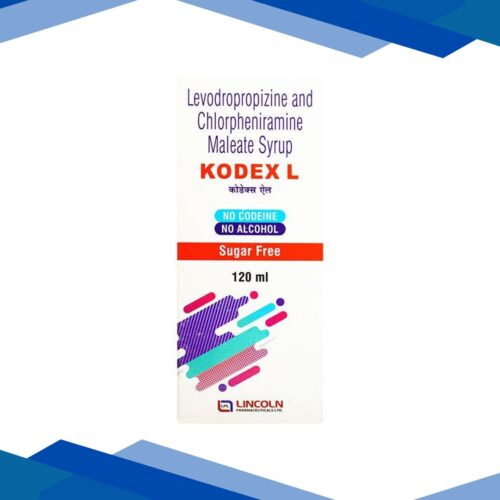




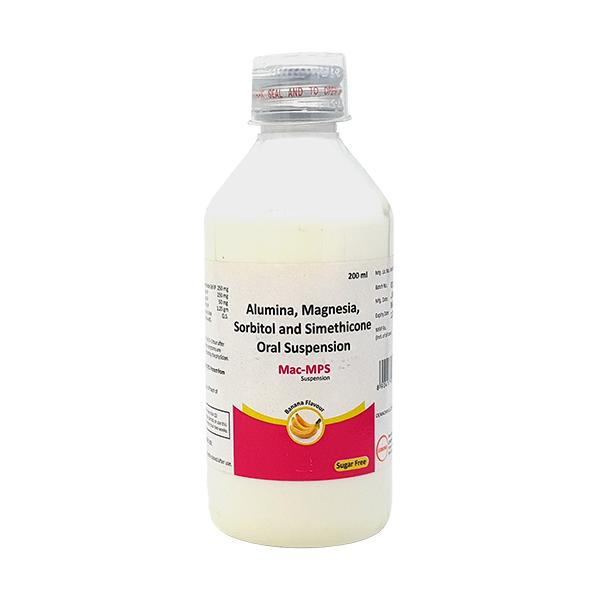
MAC MPS Banana Flavour Sugar Free Suspension 200ml
No Prescription yet? Don’t worry! Click Here to Get Online Consultation
Almagate + Simethicone is a combination medicine commonly used to relieve acidity, heartburn, gas, and indigestion. Almagate works as an antacid that neutralizes excess stomach acid, while Simethicone helps break down gas bubbles in the stomach and intestines, reducing bloating and discomfort. It provides quick relief from symptoms associated with acid reflux and gastric irritation.
Aluminium Hydroxide
Aluminium Hydroxide Suspension / Tablets
Aluminium Hydroxide, an effective antacid and inorganic salt used for neutralizing excess gastric juice, is predominantly indicated in the symptomatic management of heartburn, acid indigestion, and sour stomach. Also, in patients suffering from chronic kidney diseases, it serves as a phosphate binder to normalize high phosphate levels in the blood by active phosphate binding in the digestive tract.
Indication
Neutralization Diagnosis: Provides immediate relief for gastritis, ulcer, and heartburn.
Godsend for Phosphate Balance: Highly prescribed for mineral imbalance in renal failure.
Diagnosis for chronic abdominal Problem: Conditions include bloating and discomfort in patients with hyperacidity.
Mechanism of Action
Aluminium Hydroxide acts on the stomach's local environment, thereby stabilizing the equilibrium of acid to base in the stomach. Aluminium hydrate is able to neutralize gastric acidity because it reacts with the acid in the gastric juice (hydrochloric acid) to form aluminum chloride and water. This shifts the pH of the gastric contents upwards considerably, reducing the burning sensation of acidity while having little effect on the body's overall acid–base status.
Dosage Form & Administration
Acidity: Between meals and at bedtime.
Phosphate: Must be swallowed with food to bind with phosphorus in food.
Liquid Form: Shake the bottle well before use. Use a graduated measuring cup to measure your dose.
Tablet Form: Chew the tablet completely before swallowing for faster activation in the stomach.
Safety Information & Interactions
Drug Spacing: Aluminium hydroxide increases other drugs' decreased absorption (such as tetracyclines, digoxin, and iron supplements). These other medications are commonly dosed at least 2 hours before or after the antacids are taken.
Kidney: If you have kidney disease, use this drug with caution, as the aluminium can accumulate in your body.
Long Use Chronic Phosphate Levels: Long-term use can lead to decreased phosphate levels (hypophosphatemia) in your bloodstream, resulting in muscle weakness or bone pain.
A significant side effect profile is minimal, with a possibility of occasional constipation that can mostly be managed by increasing water or fiber intake. Some may experience chalky taste after consumption.
Frequently Asked Questions (FAQs)
Q: Can I take Aluminium Hydroxide every day?
It is safe for short-term relief of acidity. However, if you find yourself needing it for more than two weeks consecutively, consult a doctor to rule out underlying conditions like chronic ulcers.
Q: Why does it cause constipation, and how can I prevent it?
Aluminium salts naturally slow down bowel movements. Many commercial formulations combine Aluminium Hydroxide with Magnesium Hydroxide to balance this effect. To prevent constipation, stay hydrated and maintain a high-fiber diet.
Q: Is it safe during pregnancy?
Antacids are generally considered safe during pregnancy when used occasionally. However, you should always consult your OB-GYN before starting any medication while pregnant.
Q: Can I take this with fruit juice?
Avoid taking Aluminium Hydroxide with citrus juices (like orange or lemon juice). Citric acid can significantly increase the absorption of aluminium into your bloodstream, which may be harmful over long periods.
Q: How soon will I feel relief?
For heartburn or indigestion, you should feel a reduction in symptoms within 15 to 30 minutes after consumption.
Bromhexine
Bromhexine
Bromhexine is a mucolytic drug indicated in the relief of productive cough associated withexcessive tenacious mucus. The drug provides relief by increasing the thickness of mucus: it breaks the chemical structure of thick mucus so as to render it less thick and less viscous-thereby it (the cough) gets clear in the form of mucus from trachea and lung into air.
Indications:
Productive Cough:
To clear extremely thick mucus secretions from the respiratory tract
Acute & Chronic Bronchitis:
To relieve inflammation and congestion of the bronchial tubes
Emphysema:
Helps in the maintenance of clear airway for patients with chronic lung conditions
Sinusitis:
Drainage of accumulated sinuswith mucous secretion from the nasal passages
Bromhexine works by mesmerizing the thick secretion in the respiratory tract.
Bromhexine works directly on goblet cells of bronke. It enhances the production of liquid mucus and lowers the density of bronchial secretions. By acting and undoing the structure of the phlegm that will otherwise hold tight against it, this Bromhexine-induced phlegm becomes more "productive" and the cough that follows nearly always dislodges it; a body firmly committed to flushing obstructive irritants from its bronchus must allow the effective deployment.
Instructions for use
Dosage: The typical dose for adults is 8-16 mg three times daily. Follow the particular timetable set by your doctor.
Route of Administration: Tablets should be swallowed whole with a glass of water. Consume with food wherever possible to avoid irritation of the stomach lining.
Hydration: Whenever Bromhexine is being taken, increased water consumption will go a long way in improving mucus thinning potential.
Key points of caution
Gastric ulcers: Bromhexine should be used with caution in patients with a history of gastric ulcers, because it has been shown to impair the gastric mucosal barrier sometimes.
Severe Liver/Kidney Impairment: In patients that have considerable hepatic or renal problems, a dose adjustment may be needed.
Pregnancy & Lactation: It is best to avoid Bromhexine during the first trimester of pregnancy. Consult your doctor for a benefit-risk assessment in lactation.
Common Adverse Effects
Bromhexine is usually well tolerated by the patient, but some patients may experience the following:
Minimal upset in the gastrointestinal tract like nausea, bloating, or diarrhea.
Occasional dizziness or headache.
Skin rash or itching (rare allergic reaction).
Note: If you experience swelling of the face suddenly or are having difficulty breathing, do not wait for your mother to come and help you, just stop the medicine and see a doctor.
Frequently Asked Questions (FAQs)
Q: Is Bromhexine the same as an antibiotic?
No. Bromhexine is a mucolytic so it helps loosen up the mucus but does not kill the bacteria. However, if your cough is bacterial, the doctor will prescribe you antibiotics along with bromhexine.
Q: Can Bromhexine work for a dry, hacking cough?
Bromhexine is specifically meant for "wet" or productive coughs, where mucus is present. If you have a dry, tickly, cough without phlegm, it is likely that a cough suppressant (antitussive) will be more appropriate. Please consult with your pharmacist to make the correct selection.
Q: How long does it take for Bromhexine to act?
Most patients will begin to feel some "loosening" of the chest at around 24-48 hours after the continuous dose of Bromhexine. Full clearance of the airways usually happens approximately 3-5 days into the ongoing course.
Q: Can I give Bromhexine to my child?
Bromhexine is available as pediatric drops and syrup. The adult 8-mg tablet is generally appropriate for teenagers and children older than 12 years. Always ascertain pediatric dose with a physician.
Q: Does Bromhexine cause drowsiness?
Unlike some older cough syrups, Bromhexine typically doesn't cause sleepiness or drowsiness. It's typically safe to drive up and operate machinery while on Bromhexine.
Storage & Safety
Store in a cool, dry place below 30°C, protecting from light, and moisture. Always keep your medication out of reach of children.
This content is for information only and does not replace the advice of the healthcare provider. Always seek the guidance of a registered medical practitioner before starting any treatment in any dose.
Magnesium Hydroxide
Magnesium Hydroxide Oral Suspension/Tablet
A non-toxic, white substance, Magnesium Hydroxide is an inorganic compound used especially as an antacid in preventing peptic ulcers and as a laxative. Many people know it better as “Milk of Magnesia”, owing to its efficacy in neutralizing excess stomach acid and creating a laxative effect by drawing water into the intestines to make bowel movements easier.
Whether it is mild heartburn or occasional constipation, fast-acting Magnesium Hydroxide provides effective relief.
Primary Uses and Indications
Heartburn Relief: Neutralizes hydrochloric acid in the stomach, alleviating indigestion and heartburn.
Laxative Use: Acts as a saline laxative, temporarily relieving constipation by increasing water retention in the colon.
Reflux Support: Soothes discomfort associated with Gastroesophageal Reflux Disease (GERD).
Sour Stomach: Provides quick relief from stomach upset due to overeating or alcohol consumption.
How to Use with the Best Possible Effect
Use Magnesium Hydroxide exactly as prescribed. If advised as a single dose, take it once daily, preferably at bedtime. If divided doses are prescribed, follow the label instructions carefully. Always take each dose with a full 250 ml glass of water to enhance the laxative effect.
For acidity relief, take it after meals to counteract excess stomach acid effectively.
Shake Well: When using the liquid suspension, shake thoroughly before use and measure with a medicinal cup (not a household spoon).
Drug Interaction Timing: Take Magnesium Hydroxide at least 2 hours before or after other medications, as it may affect their absorption.
Importance
Do not use this medication for more than 7 consecutive days unless directed by a doctor. Prolonged use may lead to mineral imbalances.
Health of Kidneys
Patients with kidney disease should consult a doctor before use, as the kidneys are responsible for eliminating excess magnesium from the body.
Medical Restrictions
Individuals on a magnesium-restricted diet should consult their doctor before using this medication.
For Pregnancy & Nursing
Consult your healthcare provider before use. Although generally considered safe, medical guidance is recommended.
Adverse Effects
Although uncommon, some individuals may experience:
Diarrhea (often indicating a high dose)
Stomach cramps
Nausea
Dehydration (especially with insufficient fluid intake)
Seek immediate medical attention if you experience severe thirst, muscle weakness, or a slow heartbeat.
Frequently Asked Questions (FAQs)
Q: How fast does Magnesium Hydroxide work for constipation?
A: A bowel movement typically occurs within 30 minutes to 6 hours after ingestion. Many users prefer taking it at bedtime.
Q: Can it be used daily?
A: It is intended for short-term use only. Regular use may lead to laxative dependence. If symptoms persist beyond one week, consult a doctor.
Q: Can children take Magnesium Hydroxide?
A: Yes, but dosage depends on the child’s age and weight. Always follow label instructions or consult a pediatrician.
Q: Does it interfere with other medications?
A: Yes. It may reduce the effectiveness of certain drugs, including tetracyclines, blood thinners, and others. Maintain a 2-hour gap between doses.
Q: Why is drinking plenty of water important with this medicine?
A: As a saline laxative, it works by drawing water into the intestines. Without adequate hydration, it may cause dehydration instead of relieving constipation.
At Gem Pharmacy, we make every effort to provide accurate, expert-written, and thoroughly reviewed information related to medicines. However, this information should not be considered a substitute for professional medical advice, diagnosis, or treatment from a qualified doctor.
The purpose of this information is to educate users and improve communication between patients and healthcare professionals. It should not be used to diagnose or treat any condition.
Always consult a certified healthcare professional before taking any medication.


Related products
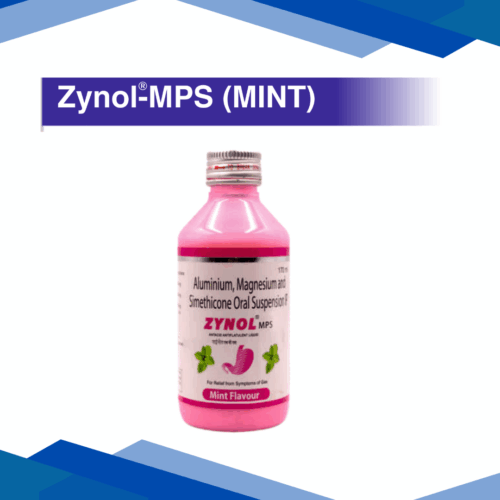
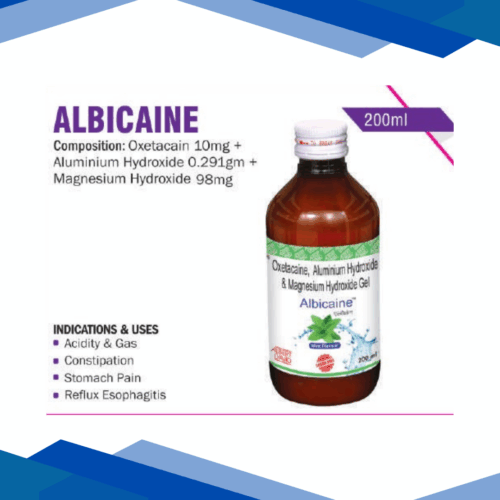

LOAGEL O MINT FLAVOUR Suspension 170ml