
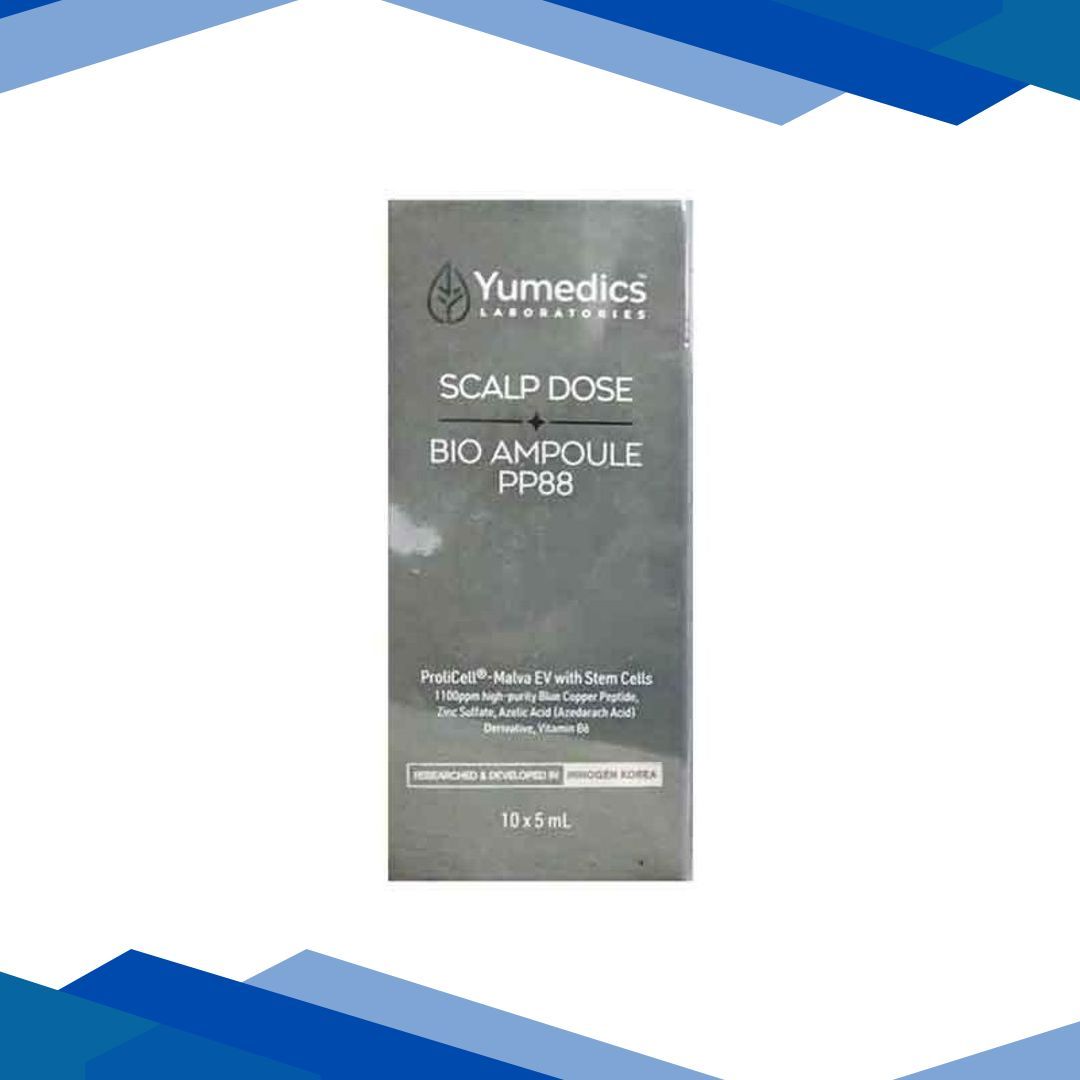
SCALP DOSE BIO AMPOULE PP88 Liquid 10X5ml
No Prescription yet? Don’t worry! Click Here to Get Online Consultation
**Bacillus Calmette-Guérin (BCG)** is a live attenuated bacterial preparation derived from *Mycobacterium bovis* and is mainly used as a vaccine for the prevention of **tuberculosis (TB)**, particularly severe forms of the disease in infants and children. It works by stimulating the body’s immune system to develop protection against tuberculosis infection. In addition to its role as a vaccine, BCG is also used in medical therapy for **non-muscle invasive bladder cancer**, where it activates the immune response within the bladder to help destroy cancer cells and reduce the risk of tumor recurrence.
Caffeine
Caffeine 100/200 mg Tablet
Caffeine is a potent Central Nervous System (CNS) stimulant belonging to the class of methylxanthines. When fatigued or drowsy, most users will turn to this compound for a successful return to mental alertness or wakefulness. Instead of merely using Caffeine in the treatment of patient's energy levels, the drug is very useful in aiding the treatment of pain medications giving great recourse to enhance analgesics along with Paracetamol or Aspirin and then in selected treatment conditions where respiratory symptoms are overt.
Indications
Mental Alertness: Serves as a quick aid to improved concentration and focus with a rapid cognitive processing speed.
Relief of Pain: Assists in the relief of migraines and tension headaches as an adjuvant.
Physical Performance: Reduces perception of effort and fatigue during high-intensity exercise.
Respiratory support: In a neonatal unit, under close medical supervision, Caffeine is used to manage apnea of prematurity.
Mechanism of Action
Caffeine works primarily as an adenosine receptor antagonist in the brain. Adenosine is a naturally occurring neurotransmitter that promotes relaxation and sleep; thus, by inhibiting its receptor binding, caffeine suppresses the onset of fatigue/lassitude. Additionally, it causes an excess release in the brain of the neurotransmitters dopamine and norepinephrine, which improve mood and make one more perceptive.
Usage/Dosage Instruction
For Adults: 100 to 200 mg every 3 to 4 hours as needed.
Maximum Doses: Not to exceed 400 mg in a 24-hour period.
How to Use: Swallow the tablet with water; it can be taken without food or with some light snack to reduce stomach acidity.
Safety Information and Warnings
Pregnancy and Breastfeeding: Limit intake. At high doses, they are linked with low birth weight. Consult your OB-GYN.
Cardiovascular diseases: Use with extreme caution if you have hypertension (high blood pressure) or even heart diseases, as these may cause increased heart rate.
Anxiety Disorders: Stress, tremors, and panic attacks can exacerbate symptoms in people with sensitivity.
Sleep Hygiene: Consumption of tablets past six hours before bedtime may cause sleep obstruction.
Possible Side Effects
Generally well-tolerated at recommended doses, yet some users may occur:
Nervousness or "jitters"
Increased heart rate (palpitations)
Urination: more frequent (diuretic effect)
Digestive Troubles or Heartburn
Headaches (Often associated with the withdrawal of caffeine)
Frequently Asked Questions
Q: Can I take Caffeine tablets instead of sleeping?
A: No. Caffeine tablets are a stimulant and not a sleep substitute. Caffeine has the ability to mask sleep with tiredness, and not to play a healing biological role in sleep.
Q: Can I combine these tablets with coffee or energy drink?
Limit other caffeine sources while taking these tablets, or else you could easily take a dose of 400mg or more throughout the day, which would easily exacerbate caffeine toxicity symptoms like severe anxiety or a racing heartbeat.
Q: Why is caffeine included in pain relievers?
Caffeine constricts blood vessels in the brain which helps the body absorb pain-relief medication like Ibuprofen 40 percent faster, thus enabling better relief from a migraine.
Q: Can caffeine cause dehydration?
Caffeine tends to encourage increased urination; the substances do not lead to dehydration in those who habitually consume enough fluids throughout the day.
Q: Can Children Take No-Doz Caffeine Tablets?
No-Doz tablets should be avoided in children under 12 years of age; adolescent consumption should be exercised only under parental or medical guidance.
Expert Opinion
Pro Tip: For beginners of caffeine, a dose of 100 mg or below will work in order for the beginning while assessing tolerance. Keep the "crash" under control by keeping yourself hydrated and getting the necessary amount of sleep without relying on stimulants for exhaustion you might get due to chronic lack of sleep.
Disclaimer: Information presented here is for educational purposes only, not in the place of professional medical advice. Consult your physician before starting the regimen mentioned herein.
Glycerin
Panthenol
Phenoxyethanol
Phenoxyethanol (BP/USP Grade)
Phenoxyethanol is an important, versatile pharmaceutical preservative and broad-spectrum antiseptic extensively employed in topical medications, vaccines, and modern dermatological care. It belongs to the glycol ether family and is often utilized as an important stabilizer that prevents the growth of bacteria, yeasts, and molds in water-based formulations. It is far safer at lower concentrations and is often used in preference to paraben and formaldehyde-releasing agents.
Offered Clinical Uses
Microbial Protection: Works as a potent preservative, ensuring that the therapeutic cream remains sterile throughout its shelf life.
Antiseptic for Topical Application: Used for minor wound treatment to diminish the chances of getting secondary infections.
Solvent Enhancer: Helps stabilize complicated chemical mixtures so that active medicinal ingredients will not separate when compounded into cream and lotion.
Making livelihood through perfume-making: Has been applied in fragrant oils and ointments for the proper fixation of scent and essential oils.
Product Profile
Chemical Class: Glycol Ether / Aromatic Alcohol.
Common Concentration: This is usually found at levels of 0.5% to 1% in finished pharmaceutical products.
Purity: 99.9% Pharmaceutical Grade (BP/USP).
Compatibility: Extremely stable across a wide pH range (3 to 10), recommending its use in various skin treatments.
How to Use & Safety Guidelines
Preparation Routes: Semisolid preparations may be prepared by using well-advised concentrations indicated in the Pharmacopoeias.
For Topical or Cutaneous Applications: Phenoxyethanol should be introduced as per the advice of a dermatologist. It is generally not irritating for most skin types.
Internal Use: Strictly for external use only. Do not ingest, taking care not to apply it near the eyes or mucous membranes if specifically formulated for such areas.
Information on Safety and Immediate Side Effects
Phenoxyethanol is generally recognized as safe for use by adults according to global regulatory bodies like the FDA and EMA. However, there are a few who may experience:
Mild Skin Sensitivity: Usually appears in the form of redness or a faint stinging sensation in sensitive individuals or those with eczema.
Allergic Contact Dermatitis: Rare but probable following prolonged exposure in predisposed individuals.
Babies safety: Infants should not use products with higher concentrations of Phenoxyethanol in those areas that pose a risk of accidental ingestion, like around the mouth.
Frequently Asked Questions (FAQs)
Q: Is phenoxyethanol a paraben?
No. Phenoxyethanol is a glycol ether and not a paraben. It is often used in products that claim to be detox of preservatives as a safer and more stable alternative to traditional preservatives.
Q: Is phenoxyethanol safe for acne-prone skin?
Yes. It's non-comedogenic, meaning it doesn't clog pores. In fact, its antibacterial properties promote good hygiene while used in creams for acne.
Q: Why is phenoxyethanol used in vaccines?
It goes into some vaccines as a preservative against bacterial contaminants that might be there during the manufacturing process or because the vial is needed for multidose use keeping the vaccine safe for administration.
Q: Can products with phenoxyethanol be used during pregnancy?
Yes. It is generally safe for consumer health products at below one percent. However, seek advice from your obstetrician before engaging in any new medicated skincare routines.
Q: Does Phenoxyethanol have a distinct odor?
In its pure form, Phenoxyethanol has a mild, rose-like odor. However, at such low concentrations, in finished drug formulations, it is rarely if ever noticed.
Storage
Keep in a cool and ventilated room away from direct heat with a tight seal. Protect from light. Keep out of reach of the kids.
At Gem Pharmacy, we make every effort to provide accurate, expert-written, and thoroughly reviewed information related to medicines. However, this information should not be considered a substitute for professional medical advice, diagnosis, or treatment from a qualified doctor.
The purpose of this information is to educate users and improve communication between patients and healthcare professionals. It should not be used to diagnose or treat any condition.
Always consult a certified healthcare professional before taking any medication.


Related products

Aravi Organic Rosemary Shampoo 200 ml