





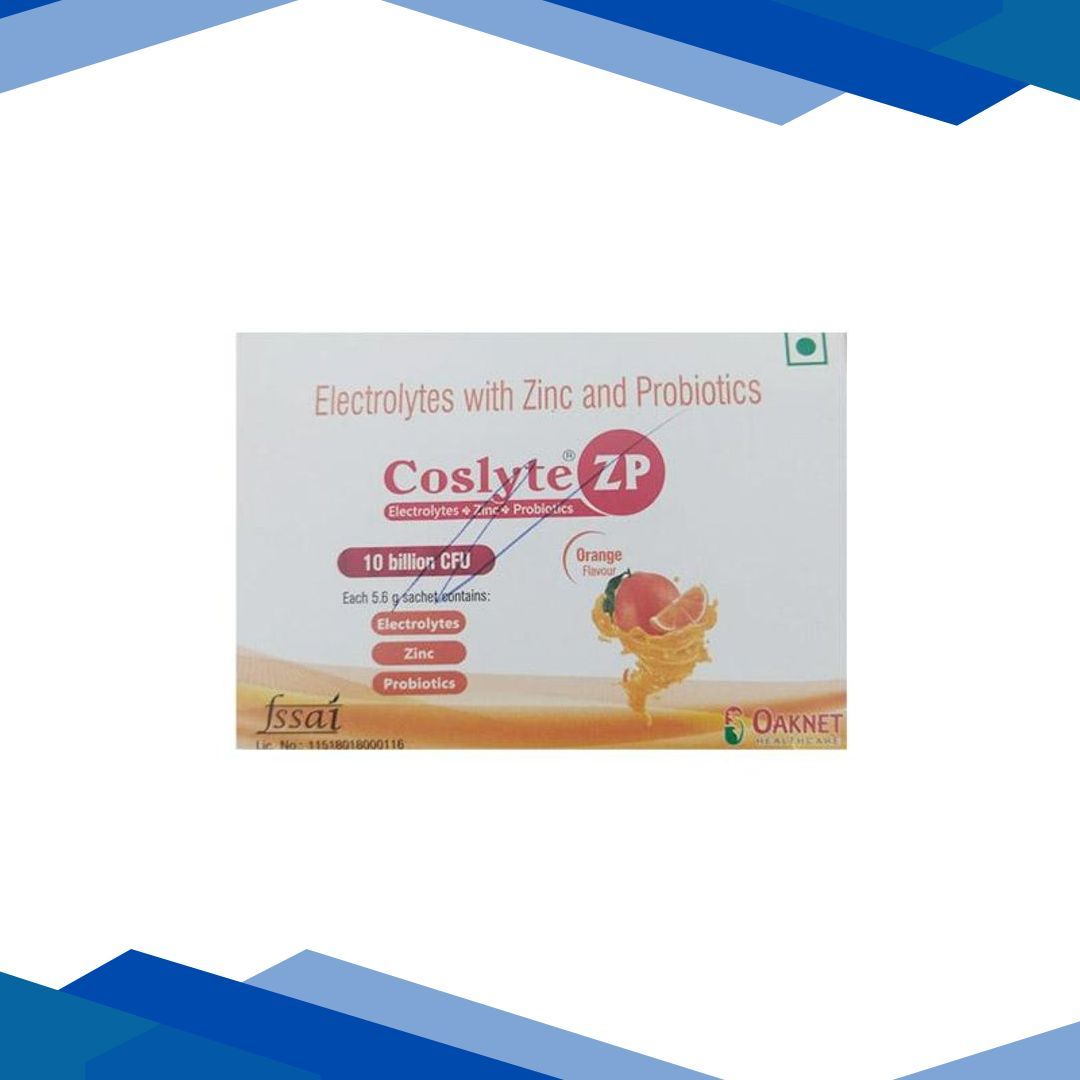
COSLYTE ZP ORANGE FLAVOUR Sachet 5.6gm
❌ Due to high demand, this product is currently out of stock. New stock will be available shortly.
👉 Click here to Buy Same Salt medicine
No Prescription yet? Don’t worry! Click Here to Get Online Consultation
**Bacillus Calmette-Guérin (BCG)** is a live attenuated bacterial preparation derived from *Mycobacterium bovis* and is mainly used as a vaccine for the prevention of **tuberculosis (TB)**, particularly severe forms of the disease in infants and children. It works by stimulating the body’s immune system to develop protection against tuberculosis infection. In addition to its role as a vaccine, BCG is also used in medical therapy for **non-muscle invasive bladder cancer**, where it activates the immune response within the bladder to help destroy cancer cells and reduce the risk of tumor recurrence.
Chloride 61.27 mg
Chloride is a basic mineral supplement used for prevention or treatment of low blood potassium level (hypokalemia). Potassium is a crucial electrolyte keeping the electrical balance within our own cells that in turn supports a good rhythm in the heart, nerve transmission, and muscle function. Hypokalemia can be induced by prolonged illness, administration of certain “water pills” (diuretics), or constitutional disease.
Its Salient Therapeutic Benefits
Balance of Electrolytes: Mediates intense repletion of the cellular content of potassium for their normal functioning.
Heart Health: Its presence in rhythm is needed for proper function and may prevent arrhythmia due to potassium deficiency.
Muscle and Nerve Functions: Reduces cramp, weakness, and fatigue occurring with ripping electrolyte imbalance.
Inhibition of Blood Pressure: Salts in a major part of managing sodium levels—critical for proper blood pressure.
Product Specification
Section: Electrolytes / Mineral Supplements.
Available in: Extended-release tablets, capsules or liquid form.
Key Ingredient: Potassium Chloride (KCl).
Salt Form: Chloride (essential for maintaining acid-base balance in the body).
Whenever using: How to Use
Dosage: Follow the exact instructions given by your therapist. Do not crush, chew, or break the extended-release tablet; instead, swallow it whole.
Taking with Food: To prevent stomach upset, it is very important to swallow either this medication with a meal and a lot of water.
Positioning: To prevent throat irritation, do not lie down until at least 30 minutes after dosing.
Effects and Anything Usual
A good number of people don't have side effects when consumed in the correct dosage. However, one or two may:
Mild nausea or stomach upset.
Gas, bloating.
A slight “tingling” sensation in the hands or feet.
A stringent warning is given to call for help from a doctor if any of the given cases of hyperkalemia exist: black or tarry stools, severe abdominal discomfort, or those with an abnormal heartbeat.
Precautions
Kidney Health: A great warning in this regard! Use with extreme caution in chronic kidney disorder, bearing in mind that kidneys assist in efficiently flushing out excess potassium.
Serve occasionally: Do not employ a high potassium salt substitute unless your doctor or dietitian allows it.
Dehydration: Inform your physician if you experience extreme diarrhea or vomiting as low water retention may rapidly lead to changes in your electrolyte needs.
Frequently Asked Questions (FAQs)
Q- Why is Chloride attached to the potassium in this medicine?
A: Chloride is an essential electrolyte that works alongside potassium and helps maintain proper ion exchange, blood volume, and pH balance within body fluids.
Q. Can that be taken when I have high blood pressure?
R. Potassium is often prescribed for patients on certain blood-pressure medicines (diuretics) that lower potassium levels. However, caution is required if you are on ACE inhibitors or ARBs, as they may increase potassium levels—consult your doctor.
Q: What happens if I have taken too much?
A: Excess potassium can lead to hyperkalemia, which is dangerous for the heart. Symptoms may include muscle weakness, confusion, and irregular pulse.
Q. May I dissolve the tablet in the water?
A: Do not dissolve or crush the tablet unless it is specifically labeled as effervescent or dispersible. Doing so may cause rapid release and irritate the stomach lining.
Q. How long do I need to remain on this supplement?
A: This depends on the underlying cause. Acute conditions may require short-term use, while chronic conditions need ongoing monitoring and longer therapy.
Storage
Hold at room temperature ($20°C$ to $25°C$) away from moisture and direct heat. Keep the container tightly closed.
Disclaimer: The information provided is for educational purposes only and should always be used under the supervision of a qualified doctor.
Potassium 20.19 mg
Potassium Chloride/ Potassium Citrate (Electrolyte Supplement)
Potassium is a crucial nutrient classified as the most important intracellular electrolyte needed for normal cell functioning. It assists in maintaining fluid balance, supporting nerve conduction, and regulating rhythmic contractions in muscular cells of the heart and skeleton. Clinically, potassium supplementation is used for the prevention or management of hypokalemia (low potassium level); hypokalemia could arise due to prolonged illness, certain diuretics, or as a result of specific kidney conditions.
Therapeutic Uses
Management of Hypokalemia: Replenishes reduced amount of potassium required due to excessive fluid loss or the adverse effects of drugs.
Uninterruptions in BP: Maintains cell wall tension and helps regulate normal blood pressure levels.
Protection of Muscle Function: Offers defense against muscle cramps and weakness occurring due to mineral imbalances.
Prophylaxis Against Kidney Stones: Alkalization of urine by potassium citrate minimizes the risk of calcium-based kidney stones.
Main Features
Extended Release (ER/SR): Helps avoid stomach irritation.
Therapeutic Absorption: Rapid ion exchange followed by systemic restoration of electrolyte balance.
Clinically Effective: A key component in cardiovascular and metabolic management.
The Use Instructions in a Clique
Oral Administration: Tablets or liquids should be administered under supervision. Extended-release tablets must not be crushed or chewed to avoid sudden release.
You Must Also Take It With Food: To prevent stomach irritation, take with a full meal and plenty of water (200–250 ml).
Keep it Consistent: Take the dose at the same time daily to maintain stable plasma levels.
Safety Warnings & Side Effects
Overdosing is dangerous as potassium imbalance can be life-threatening. Common mild effects include:
Nausea
Tummy discomfort
Gas and bloating
Diarrhoea
Warning: Seek emergency help if you experience coffee-colored vomit, black/tarry stools, or heart palpitations.
Precautions
Kidney Function: Use cautiously in kidney disorders, as impaired kidneys cannot effectively eliminate excess potassium.
Contraindicated Drugs: Inform your doctor if using ACE inhibitors (e.g., Enalapril), ARBs (e.g., Losartan), or potassium-sparing diuretics (e.g., Spironolactone), as these may raise potassium levels.
Salt Substitutes: Avoid “low-sodium” salts containing potassium unless advised by a healthcare professional.
Frequently Asked Questions (FAQs)
Q: Do I get enough potassium from my diet to avoid supplements?
Potassium-rich foods like bananas, oranges, spinach, and potatoes often suffice. However, in chronic conditions or medication-induced deficiency, supplements may be necessary.
Q: Why should I take it with so much water?
Potassium can irritate the esophagus and stomach lining. Adequate water helps it pass smoothly and reduces irritation.
Q: What are the signs of low potassium (hypokalemia)?
Muscle weakness, fatigue, cramps, and heart palpitations.
Q: How long does it take for potassium levels to normalize?
Usually within a few days, depending on the cause. Doctors may repeat serum potassium tests for monitoring.
Q: Can I take potassium on an empty stomach?
It is not recommended, as it increases the risk of gastric irritation and abdominal pain.
At Gem Pharmacy, we make every effort to provide accurate, expert-written, and thoroughly reviewed information related to medicines. However, this information should not be considered a substitute for professional medical advice, diagnosis, or treatment from a qualified doctor.
The purpose of this information is to educate users and improve communication between patients and healthcare professionals. It should not be used to diagnose or treat any condition.
Always consult a certified healthcare professional before taking any medication.