



Bactoflora BC Syrup
No Prescription yet? Don’t worry! Click Here to Get Online Consultation
This syrup helps restore healthy gut flora, improve digestion, and prevent diarrhea or stomach upset.It also boosts immunity, supports energy, and maintains overall growth and well-being.
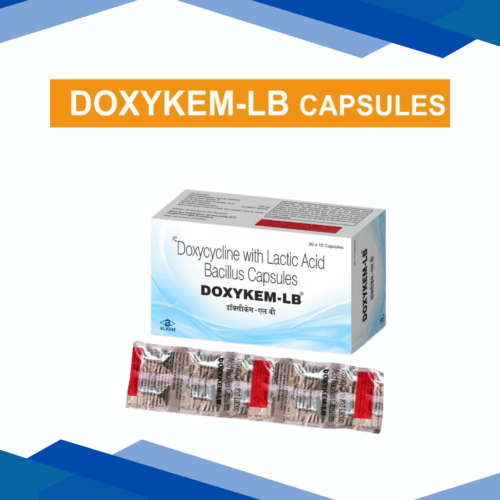
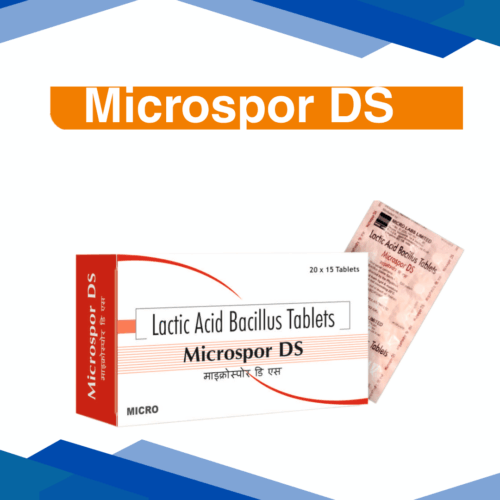
Lactic Acid Bacillus
Lactic Acid Bacillus (Probiotic Capsules/Tablets)
Lactic Acid Bacillus, also known as Lactobacillus, is a beneficial sporulated bacteria belonging to the class of probiotics—the “good bacteria” naturally present in the digestive tract. This supplement helps restore the balance of gut microflora, especially after disruption due to antibiotics, infections, or poor diet.
Core Therapeutic Benefits
Restores Gut Health: Supports healthy intestinal bacteria, improving digestion and overall gut balance.
Prevents Antibiotic-Related Diarrhea: Commonly used alongside antibiotics to protect and replenish beneficial bacteria.
Boosts Immunity: A balanced gut microbiome strengthens the immune system.
Relieves Digestive Distress: Helps reduce irritable bowel syndrome (IBS), bloating, and gas.
Supports Lactose Intolerance: Assists in lactose digestion, making dairy easier to tolerate.
Taking Probiotic Lactic Acid Bacillus
Best Time: Take 30 minutes before meals for optimal delivery to the intestines.
With Antibiotics: Maintain a 2-hour gap between antibiotics and probiotics.
Consistency: Take daily at the same time to maintain stable gut flora levels.
Storage: Most formulations are shelf-stable, but check if refrigeration is required.
Safety and Use
Pro Tip: Generally safe, but individuals with a weakened immune system should consult a doctor before use.
Hydration: Always take with a full glass of water.
Pregnancy & Nursing: Typically considered safe, but medical advice is recommended.
Possible Side Effects
Usually mild and temporary as the body adjusts:
Temporary gas or bloating
Mild abdominal rumbling
Increased thirst
These effects usually subside within 2–3 days of continued use.
Frequently Asked Questions (FAQs)
Q: Is Lactic Acid Bacillus the same as curd (yogurt)?
A: While curd/yogurt contains Lactobacilli, supplements provide a higher, standardized concentration of acid-resistant strains for better gut colonization.
Q: Can I take it daily?
A: Yes, many people use probiotics daily for digestive health and immunity, but usage should be tailored based on individual needs or medical advice.
Q: How does it help during antibiotic therapy?
A: Antibiotics eliminate both harmful and beneficial bacteria. Lactic Acid Bacillus helps restore good bacteria, reducing risks of diarrhea and stomach discomfort.
Q: Is it safe for children?
A: Yes, commonly used for digestive support in children, but always use pediatric formulations or follow a doctor’s recommendation.
Q: Can it help with acne?
A: Emerging research on the “gut-skin axis” suggests improved gut health may reduce inflammation and enhance skin clarity over time.
Multivitamin
What are Multivitamin Tablets & Capsules?
As a cornerstone of dietary supplements designed to bridge nutritional gaps in modern lifestyles, multivitamins combine essential vitamins (such as A, C, D, E, and B-Complex) with key minerals like Zinc, Magnesium, Iron, and others. Whether your goal is to improve immunity, enhance skin health, or combat daily fatigue, a high-quality multivitamin can provide comprehensive support for optimal body function.
Key Health Benefits
Immunity Booster: Vitamin C, Vitamin D, and Zinc help strengthen the body’s natural defense system against infections.
Sustained Energy: B vitamins (B12, B6, folic acid) play a vital role in energy production and help reduce fatigue.
Skin & Hair Vitality: Biotin and Vitamin E support collagen production and reduce oxidative stress, promoting healthier skin and hair.
Bone & Joint Strength: Calcium and Vitamin D3 contribute to bone density and overall skeletal health.
Cognitive Function: Antioxidants protect brain cells and support focus and memory retention.
Popular Variants & Formulations
Men’s Daily: Supports muscle recovery and stamina (Ginseng, Zinc, Vitamin B12).
Women’s Daily: Aids hormonal balance and bone health (Iron, Folic Acid, Calcium).
Senior 50+: Promotes heart and eye health (Lutein, Lycopene, CoQ10).
Kids’ Gummies: Supports growth and immunity (Vitamin D, DHA, Vitamin C).
How to Use
Timing: Take with a meal (preferably breakfast or lunch) for better absorption.
Consistency: Take one tablet or capsule daily at the same time each day.
Water Intake: Always consume with a full glass of water. Avoid taking with tea or coffee, as caffeine may reduce mineral absorption.
Expert Advice & Precautions
Pro Tip: Not all multivitamins are equal. Vegetarians should look for Vitamin B12 supplementation, as it may be lacking in plant-based diets.
Avoid Overdosing: Excess intake of fat-soluble vitamins (A, D, E, K) can lead to toxicity.
Medical Conditions: If you have kidney disease or kidney stones, consult your doctor before taking Calcium or Vitamin D.
Pregnancy: Pregnant women should switch to a prenatal vitamin as advised by their gynecologist.
Frequently Asked Questions (FAQs)
Q: Can I take a multivitamin on an empty stomach?
A: No. Taking it without food may cause nausea or stomach upset. Food also helps absorb fat-soluble vitamins (A, D, E).
Q: Can multivitamins cause weight gain?
A: No. They contain negligible calories. However, correcting a vitamin deficiency may improve appetite.
Q: How long should I take these supplements?
A: Improvements in energy or skin/hair may appear within 2–3 months. Long-term use is generally safe if within RDA limits.
Q: Can I take multivitamins with other medications?
A: Usually yes, but Calcium and Magnesium may interfere with antibiotics or thyroid medications. Maintain a 4-hour gap.
Q: Why does my urine turn bright yellow after taking it?
A: This is normal and due to excess Vitamin B2 (Riboflavin) being excreted harmlessly.
At Gem Pharmacy, we make every effort to provide accurate, expert-written, and thoroughly reviewed information related to medicines. However, this information should not be considered a substitute for professional medical advice, diagnosis, or treatment from a qualified doctor.
The purpose of this information is to educate users and improve communication between patients and healthcare professionals. It should not be used to diagnose or treat any condition.
Always consult a certified healthcare professional before taking any medication.


Related products