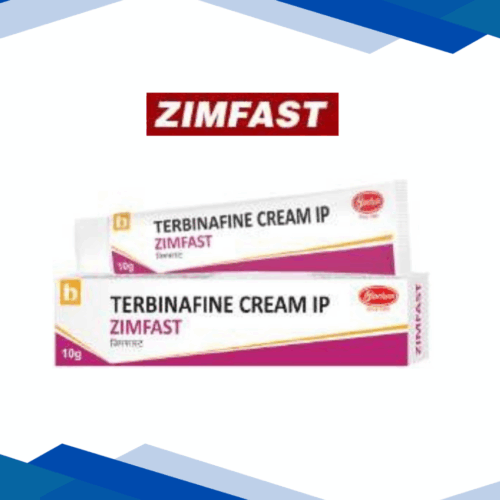
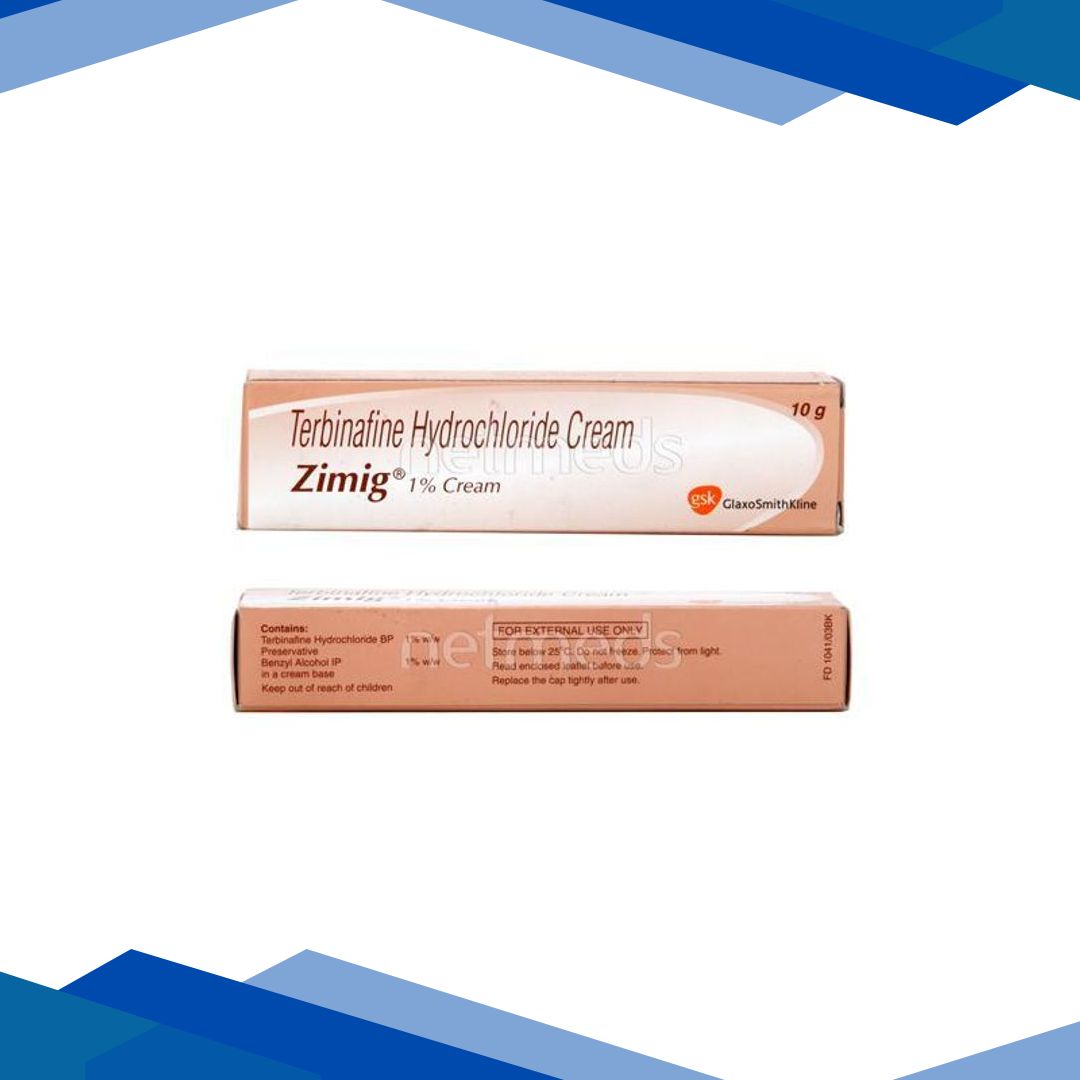
Zimig 1% Cream 10gm
❌ Due to high demand, this product is currently out of stock. New stock will be available shortly.
👉 Click here to Buy Same Salt medicine
No Prescription yet? Don’t worry! Click Here to Get Online Consultation
Zimig 1% Cream is a potent antifungal medication used to treat a wide range of fungal infections affecting the skin, nails, and scalp. It works by blocking the production of ergosterol, an essential component of fungal cell membranes, leading to the destruction of the fungus. Available in both topical and oral forms, it is commonly prescribed for conditions such as athlete’s foot, ringworm, jock itch, and fungal nail infections. Terbinafine is known for its fast-acting and fungicidal properties, but it should be used under medical guidance, especially in oral form, due to potential side effects such as liver-related issues.
Description
Zimig 1% Cream is a widely used antifungal medication that belongs to the allylamine class of drugs, known for its potent ability to eliminate fungal infections affecting the skin, hair, and nails. it is commonly prescribed for conditions such as athlete’s foot, ringworm, jock itch, and fungal nail infections (onychomycosis). unlike many antifungal agents that only inhibit fungal growth, terbinafine exhibits fungicidal activity, meaning it actively kills the fungal organisms. this property makes it particularly effective in stubborn or chronic infections that may not respond well to other treatments.
the mechanism of action of Zimig 1% Cream involves the inhibition of a key enzyme called squalene epoxidase, which plays a crucial role in the synthesis of ergosterol, an essential component of fungal cell membranes. by blocking this enzyme, terbinafine causes an accumulation of squalene within the fungal cells while simultaneously depleting ergosterol levels. this dual action disrupts the integrity of the fungal cell membrane, ultimately leading to cell death. importantly, this mechanism selectively targets fungal cells without significantly affecting human cells, which contributes to its favorable safety profile when used appropriately.
Zimig 1% Cream is available in multiple formulations, including oral tablets, topical creams, gels, sprays, and solutions. the choice of formulation depends on the severity and location of the infection. topical forms are typically used for mild to moderate skin infections, while oral tablets are reserved for more extensive or resistant infections, especially those involving the nails or scalp. the drug is suitable for both adults and certain pediatric populations, although its use in children should always be guided by a healthcare provider.
this medication is particularly beneficial for individuals suffering from recurrent fungal infections or those with compromised immune systems, where infections tend to persist or spread. however, its use must be guided by proper diagnosis and medical supervision, especially for oral therapy, as systemic exposure may carry additional risks. overall, Zimig 1% Cream remains a cornerstone in antifungal therapy due to its effectiveness, targeted mechanism, and relatively convenient dosing regimens.
ingredients
- Zimig 1% Cream: the primary active ingredient responsible for the antifungal action. it works by inhibiting the enzyme squalene epoxidase, leading to disruption of fungal cell membrane synthesis and ultimately causing fungal cell death. it is highly effective against dermatophytes, which are the most common fungi responsible for skin and nail infections.
- excipients (inactive ingredients): these may include substances such as lactose, microcrystalline cellulose, magnesium stearate, and other formulation-specific agents. in topical preparations, additional ingredients like alcohols, emulsifiers, and stabilizers help improve absorption, consistency, and shelf-life of the product.
key uses
- athlete’s foot (tinea pedis): helps relieve itching, burning, and scaling by eliminating fungal organisms between the toes and on the soles.
- ringworm (tinea corporis): effectively treats circular, red, itchy rashes on the body caused by dermatophyte infections.
- jock itch (tinea cruris): reduces inflammation and itching in the groin area by targeting the underlying fungal cause.
- fungal nail infections (onychomycosis): oral terbinafine is particularly effective in clearing nail infections and promoting healthy nail regrowth over time.
- scalp fungal infections (tinea capitis): used in oral form to treat fungal infections of the scalp, especially in children under medical supervision.
- cutaneous candidiasis: may be used in certain yeast infections affecting the skin, though it is primarily more effective against dermatophytes.
how to use
Zimig 1% Cream should be used exactly as directed by a healthcare professional or as indicated on the product label. for topical formulations such as creams, gels, or sprays, the affected area should be cleaned and dried thoroughly before application. a thin layer of the medication is usually applied once or twice daily, depending on the severity of the infection. it is important to cover the entire affected area and a small margin of surrounding skin to prevent recurrence. hands should be washed after application unless the hands themselves are being treated.
for oral tablets, the medication is typically taken once daily, with or without food, as directed by a physician. treatment duration varies depending on the type and severity of the infection. for example, skin infections may require a few weeks of therapy, while nail infections often require several weeks to months of continuous treatment. it is essential to complete the full course of therapy even if symptoms improve early, as premature discontinuation may lead to recurrence or resistance.
patients should maintain good hygiene practices during treatment, including keeping affected areas clean and dry, avoiding tight-fitting clothing, and using antifungal powders if recommended. regular follow-up may be required for oral therapy to monitor liver function and assess treatment progress.
safety information
- warnings: oral terbinafine has been associated with rare but serious liver toxicity. patients should be evaluated for liver disease before starting therapy and monitored during treatment. any signs of liver dysfunction, such as fatigue, nausea, dark urine, or yellowing of the skin or eyes, should be reported immediately.
- side effects: common side effects include headache, gastrointestinal discomfort, nausea, diarrhea, and mild skin irritation (for topical use). serious but rare side effects include liver dysfunction, severe allergic reactions, taste disturbances, and blood disorders.
- precautions: individuals with pre-existing liver or kidney disease should use this medication with caution. it should also be used carefully in patients with autoimmune conditions or those taking other medications that may affect liver function.
- pregnancy/breastfeeding: the safety of terbinafine during pregnancy is not fully established, and it should only be used if clearly needed. it may pass into breast milk, so breastfeeding mothers should consult a healthcare provider before use.
- interactions: terbinafine may interact with certain medications such as antidepressants, beta-blockers, and drugs metabolized by the liver enzyme cyp450 system. alcohol consumption should be limited, as it may increase the risk of liver-related side effects.
additional information
- storage: store at room temperature, away from moisture, heat, and direct sunlight. keep out of reach of children and pets.
- missed dose: if a dose is missed, it should be taken as soon as remembered. however, if it is close to the next scheduled dose, the missed dose should be skipped. do not double the dose to make up for a missed one.
- overdose: overdose may result in symptoms such as nausea, vomiting, dizziness, and abdominal pain. in case of suspected overdose, seek immediate medical attention or contact a poison control center.
- habit forming: no, Zimig 1% Cream is not habit-forming and does not cause dependence.
frequently asked questions
Q: how long does terbinafine take to work?
A: the time to see improvement depends on the type of infection. skin infections may improve within 1–2 weeks, while nail infections can take several months to fully resolve due to slow nail growth.
Q: can i stop using terbinafine once symptoms improve?
A: no, it is important to complete the full course of treatment as prescribed to ensure complete eradication of the fungus and prevent recurrence.
Q: is terbinafine effective for all fungal infections?
A: terbinafine is highly effective against dermatophyte infections but may be less effective against certain yeast infections. a proper diagnosis is necessary for appropriate treatment.
Q: can terbinafine be used in children?
A: yes, but only under medical supervision. the dosage and duration depend on the child's age, weight, and type of infection.
Q: does terbinafine cause liver damage?
A: while rare, terbinafine can cause liver toxicity, especially with oral use. monitoring and medical guidance are important during treatment.
Q: can i drink alcohol while taking terbinafine?
A: it is advisable to limit or avoid alcohol, as it may increase the risk of liver-related side effects.
Q: why is my nail not improving quickly with terbinafine?
A: nail infections take longer to resolve because new, healthy nail growth is slow. even after the infection is cleared, visible improvement may take months.
Q: can i use topical and oral terbinafine together?
A: in some cases, healthcare providers may recommend combination therapy for severe infections, but this should only be done under medical supervision.
Q: is terbinafine safe for long-term use?
A: long-term use, especially oral therapy, should be closely monitored by a healthcare provider due to potential side effects.
Q: what should i do if i experience side effects?
A: mild side effects may resolve on their own, but severe or persistent symptoms should be reported to a healthcare professional immediately.
this information is for educational purposes only and should not be considered medical advice. always consult a qualified healthcare professional before use.
At Gem Pharmacy, we make every effort to provide accurate, expert-written, and thoroughly reviewed information related to medicines. However, this information should not be considered a substitute for professional medical advice, diagnosis, or treatment from a qualified doctor.
The purpose of this information is to educate users and improve communication between patients and healthcare professionals. It should not be used to diagnose or treat any condition.
Always consult a certified healthcare professional before taking any medication.


Related products
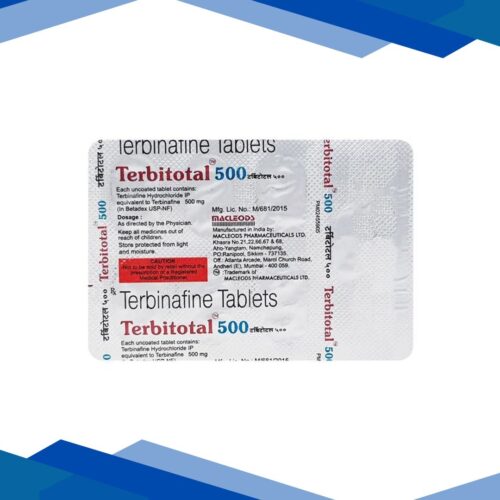
Terbitotal 500mg Tablet 7’S