






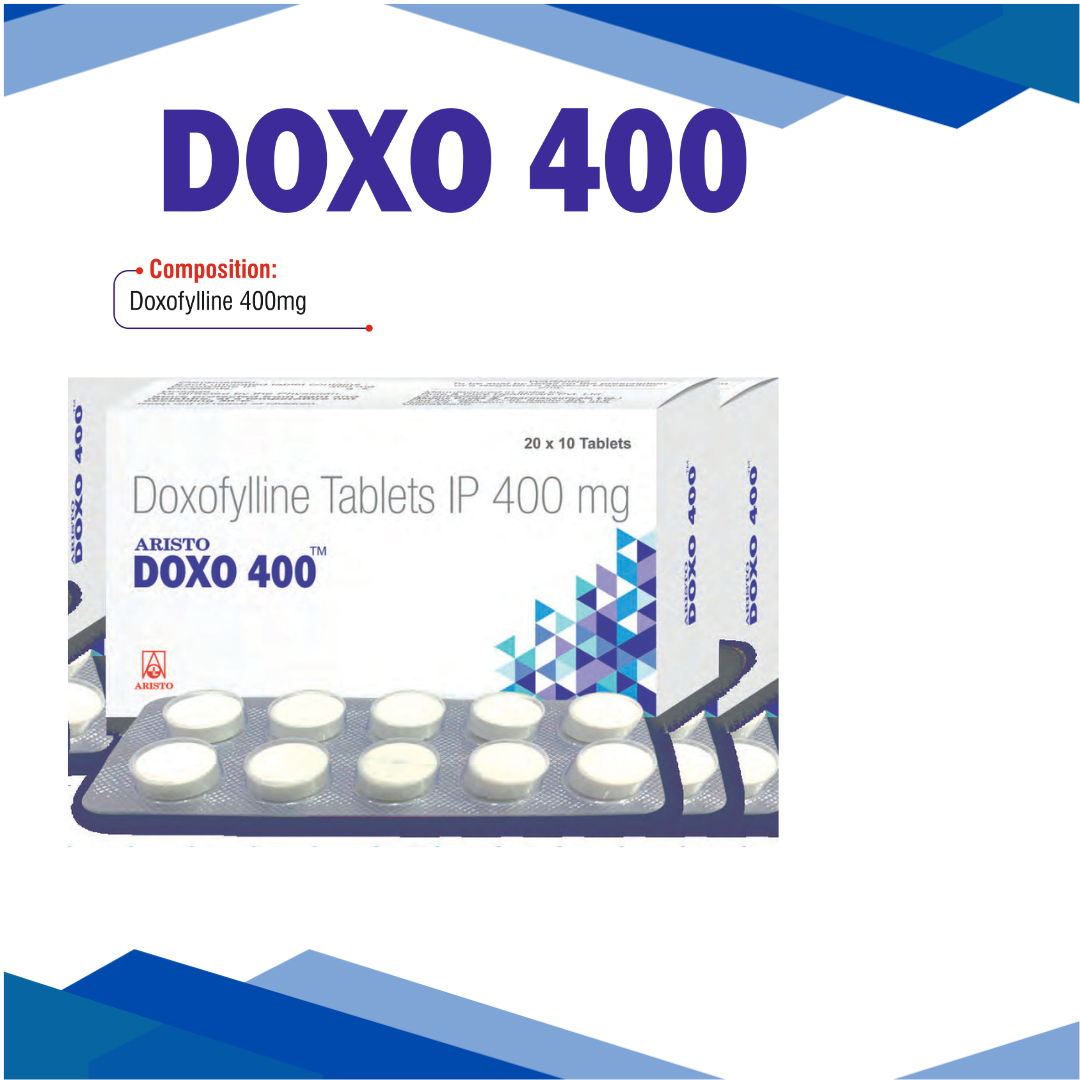
Doxo 400
No Prescription yet? Don’t worry! Click Here to Get Online Consultation
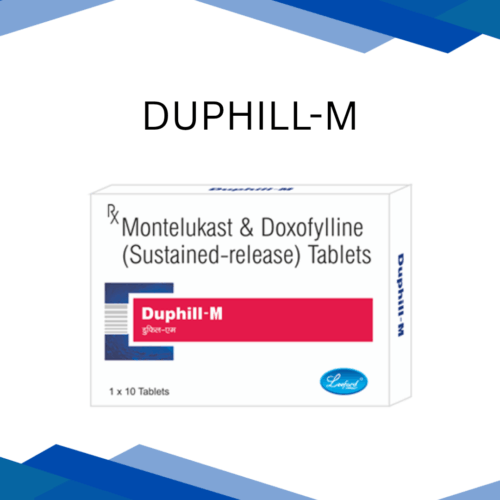
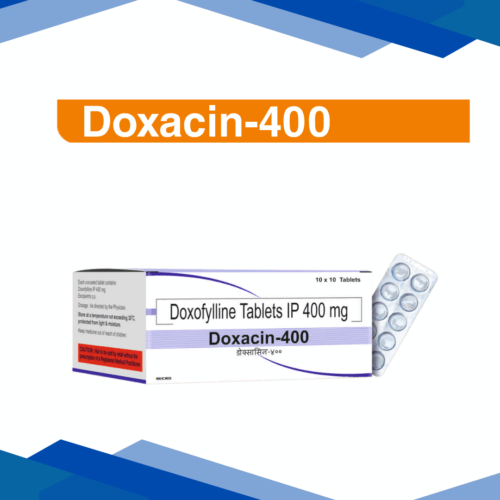
Doxo 400mg Tablet is used to treat and prevent symptoms of asthma and chronic obstructive pulmonary disorder and relax airway muscles to make it easier to breathe. For more details kindly click on Medicine Salts below:
Doxofylline
Doxofylline: Relief for Chronic Respiratory Conditions
Doxofylline, a modern bronchodilator, is characterized by the relief of symptoms in bronchial asthma and Chronic Obstructive Pulmonary Disease (COPD). Named as the “xanthine of tomorrow,” Doxofylline helps to relax your airways, making breathing easier.
As distinguished from its predecessor, theophylline, Doxofylline has a better safety profile, particularly with regard to cardiac and neurologic function.
Key Features
Overview: Asthma, COPD, Bronchitis.
Primary Use: Asthma, COPD, and Bronchitis.
Drug Class: Methylxanthine derivative (Bronchodilator).
Common Strengths: 400 mg tablets – also available as syrup or injection form.
Onset of Action: Effects usually begin within 30 to 60 minutes.
How Does Doxofylline Work?
When airways become narrow or inflamed, it becomes harder to push air in and out of the lungs.
Doxofylline works by blocking an enzyme called phosphodiesterase (PDE). This action increases the levels of cyclic AMP in the body, which directly relaxes the smooth muscles of the bronchial tubes.
This process:
- Opens the airways
- Improves airflow to the lungs
- Reduces chest tightness and breathing difficulty
Benefits
Ease in Breathing: Helps reduce wheezing and shortness of breath.
Long-term Management: Helps prevent sudden breathing problems when taken regularly.
Fewer Side Effects: Compared with older asthma medicines, Doxofylline causes fewer jitters or palpitations.
Side Effects
Doxofylline is generally well tolerated, but some people may experience side effects. If symptoms persist, consult your healthcare provider.
Common Side Effects
- Nausea or upset stomach
- Mild headache
- Trouble sleeping (insomnia)
- Irritability or restlessness
Rare but Serious Side Effects
- Irregular heartbeats (arrhythmia)
- Severe dizziness or fainting
- Seizures (fits)
- Very fast breathing
Expert Advice and Precautions
Take at the Same Time Daily: Maintain consistent timing for better effectiveness.
Take After Meals: Helps prevent stomach irritation.
Not for Acute Asthma Attacks: Doxofylline should not be used during sudden asthma attacks. Always keep a rescue inhaler available.
Reduce Caffeine Intake: Excess coffee or caffeine may increase stimulation or heart palpitations.
Driving and Machinery: If dizziness occurs, avoid driving or operating heavy machinery.
Medical History: Inform your doctor if you have a history of heart disease, liver problems, or peptic ulcers before using Doxofylline.
Frequently Asked Questions (FAQs)
1. Is Doxofylline a steroid?
No. Doxofylline is not a steroid. It belongs to a group of medicines called bronchodilators (methylxanthines). Unlike steroids that reduce inflammation over time, Doxofylline relaxes lung muscles to open airways.
2. Can I take Doxofylline during pregnancy?
Its use during pregnancy or breastfeeding should only occur if the doctor determines that the benefits outweigh potential risks. Always consult your OB-GYN or physician first.
3. Will Doxofylline make me sleepy?
Generally no. Unlike many antihistamines, Doxofylline usually does not cause drowsiness. In some cases, it may even make you feel more alert.
4. What should I do if I miss a dose?
Take the missed dose as soon as you remember. If it is almost time for the next dose, skip the missed dose and continue with the regular schedule. Do not take a double dose.
5. Can I drink alcohol while taking Doxofylline?
Alcohol consumption is not recommended because it may increase stomach irritation or dizziness during treatment.
At Gem Pharmacy, we make every effort to provide accurate, expert-written, and thoroughly reviewed information related to medicines. However, this information should not be considered a substitute for professional medical advice, diagnosis, or treatment from a qualified doctor.
The purpose of this information is to educate users and improve communication between patients and healthcare professionals. It should not be used to diagnose or treat any condition.
Always consult a certified healthcare professional before taking any medication.


Related products