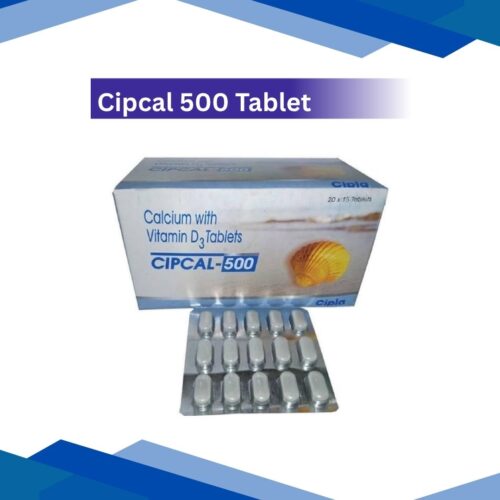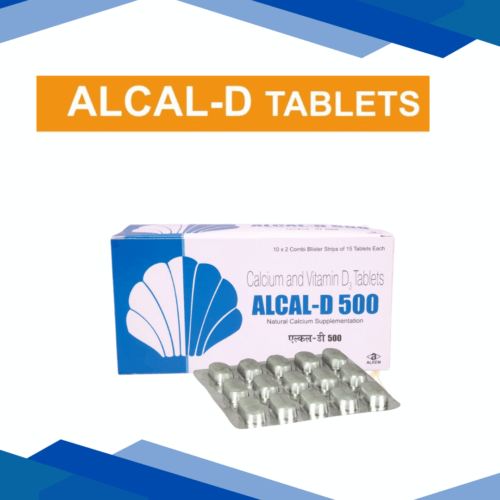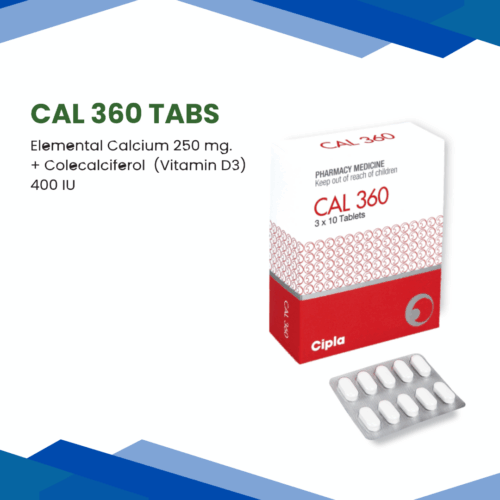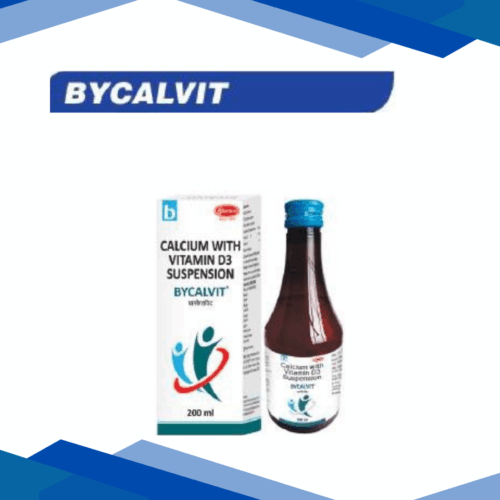
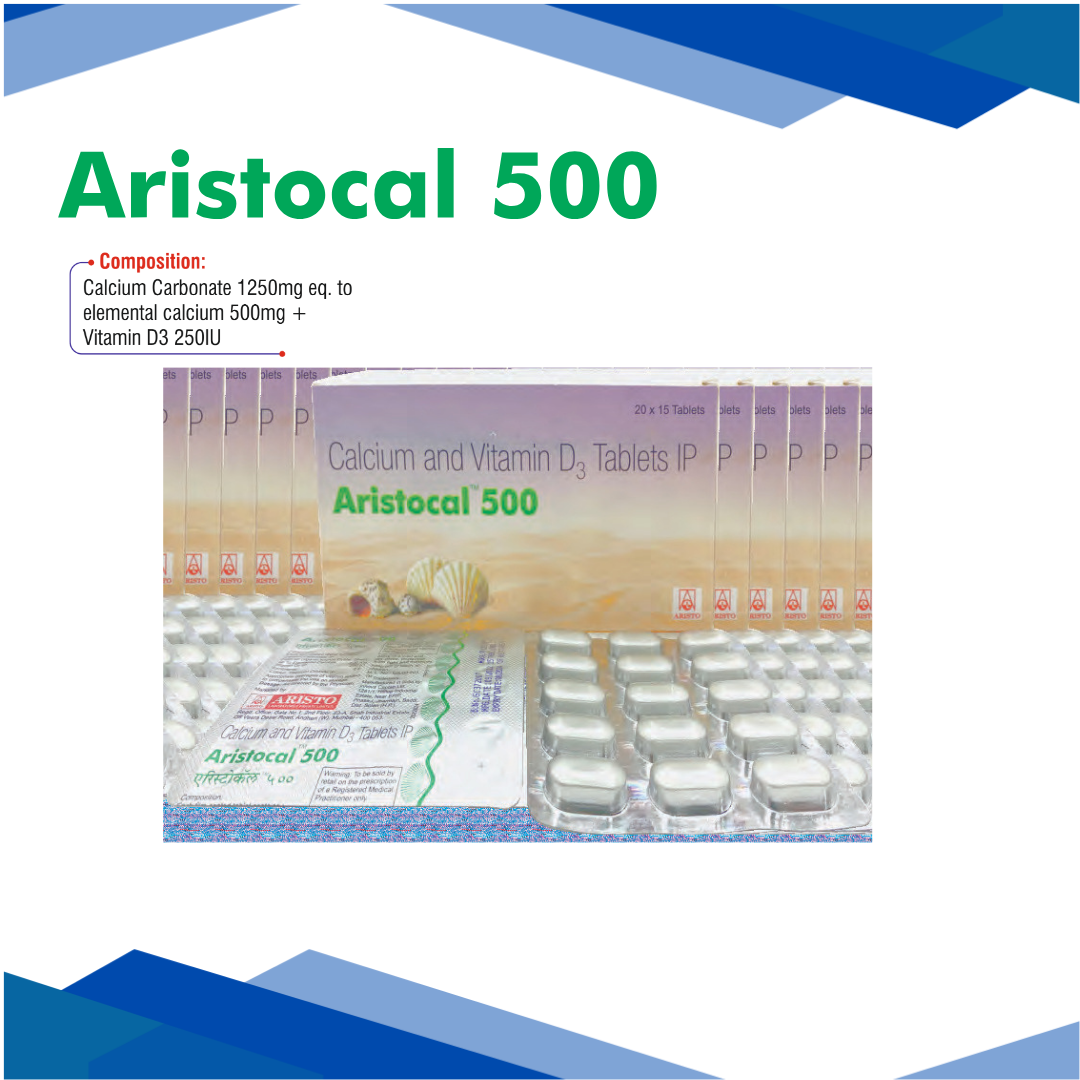
Aristocal 500
No Prescription yet? Don’t worry! Click Here to Get Online Consultation
Aristocal 500 is used to treat vitamin D deficiency, rickets, and osteoporosis. Calcium supports important body functions and bone health, while Vitamin D3 helps your body absorb calcium better. For more details kindly click on Medicine Salts below:
Calcium Carbonate
Calcium Carbonate: Essential Mineral for Bone Strength and Digestive Relief
Calcium Carbonate is a versatile mineral supplement widely used to support skeletal health and manage digestive discomfort. As one of the most concentrated forms of elemental calcium (approximately 40%), it is a primary choice for individuals looking to prevent or treat calcium deficiencies. Additionally, it serves as a fast-acting antacid to neutralize excess stomach acid.
Major Therapeutic Uses
Bone Health: It is a vital aspect of the prevention and treatment of both Osteoporosis and Osteomalacia.
Belching: Provides a fast buffer against acid reflux and any discomforting acidity.
Supplementation: Supplying the nutrients needed during pregnancy, breastfeeding, or postmenopausal needs, when calcium is more highly needed.
Indication: Sometimes used for extracting phosphate from blood in the case of Chronic Kidney Disease.
How It Works
In the skeletal system, Calcium Carbonate provides the necessary building blocks to maintain bone density and structural integrity.
In the digestive tract, it acts as a chemical buffer. When it enters the stomach, the carbonate ions react with gastric hydrochloric acid to neutralize it, effectively raising the pH level and stopping the "burning" sensation of reflux.
Expert Usage & Administration Tips
Take It with Food: Unlike Calcium Citrate, Calcium Carbonate requires stomach acid for optimal absorption. It is best taken immediately after a meal.
Drink Water: Keeps you hydrated throughout the day to help wash the mineral downward further to be fully absorbed by the body and prevent side effects like constipation.
500mg Is the Limit: In a single dose, the body requires about 500mg of elemental calcium; if your dose exceeds this amount, consume that larger dose into a few smaller ones taken during diverse times of the day.
Avoid Interactions: Do not take calcium within 2 hours before/after taking iron supplements, tetracycline antibiotics, or thyroid medications, as it can significantly reduce their effectiveness.
Calcium Carbonate: Frequently Asked Questions (FAQs)
Q: Is Calcium Carbonate the same as "Chalk"?
A: While they share the same chemical formula, the Calcium Carbonate sold for medicinal use is highly purified and processed under strict pharmaceutical standards to ensure it is free from contaminants and safe for human consumption.
Q: Can I take this every day for heartburn?
A: While it is effective for occasional relief, you should not use it as an antacid for more than two weeks straight without consulting a doctor. Persistent heartburn may indicate an underlying condition that requires different treatment.
Q: Why does my doctor suggest taking Vitamin D with my Calcium?
A: Vitamin D acts as a "key" that unlocks the door for calcium absorption in the intestines. Without adequate Vitamin D, your body may struggle to utilize the calcium you ingest, regardless of the dosage.
Q: What are the common side effects?
A: Some users may experience mild gas, bloating, or constipation. If these occur, try increasing your fiber intake or switching to a different form of calcium after speaking with a healthcare provider.
Q: Is it safe for pregnant women?
A: Yes, it is frequently recommended during pregnancy to support the baby's bone development. However, always confirm the specific dosage with your obstetrician.
Quick Facts & Safety Profile
Feature: Elemental Calcium Content — High (~40% by weight)
Best Time to Take: With a full meal
Common Side Effects: Bloating, Constipation, Gas
Key Precaution: History of Kidney Stones
Safety Warning: Individuals with a history of kidney stones (calcium oxalate stones) or high levels of calcium in the blood (hypercalcemia) should use this supplement only under strict medical supervision.
Elemental Calcium
Elemental Calcium: The Basis for the Building Blocks of Stronger Bones
Elemental Calcium truly shines as a mineral supplement. Its purpose is to bridge the gap between insufficient dietary intake and the body’s genuine mineral needs. As a "building block" of the skeletal system, it is indispensable not only for bone structure but also for muscle contraction, nerve signaling, and heart rhythm.
Elemental Calcium is perfect for someone who wants: a wholesome reference for a growing child, to manage postmenopausal bone loss, or to support heart and muscle health. It is a pure mineral that the body can absorb and use efficiently.
It Provides:
- Strengthens Bones and Teeth: Builds a strong skeletal structure with reduced fracture risk.
- Controls Osteoporosis: Regular intake may slow age-related bone loss.
- Supports Muscles: Essential for the "squeeze and release" function to prevent cramps.
- Vital in Pregnancy: Supports fetal skeletal development while preserving maternal bone density.
How It Works
Elemental Calcium raises calcium levels in the bloodstream. At adequate levels, the body does not "borrow" calcium from bones, keeping them strong and dense.
How to Use
- Dosage: Follow your doctor’s instructions. Maximum absorption occurs at around 500 mg at a time.
- Timing: For Calcium Carbonate, take with meals; Calcium Citrate can be taken with or without food.
- Consistency: Take at the same time daily to maintain steady calcium levels.
Side Effects
Though generally well-tolerated, some individuals may experience:
- Mild constipation or bloating
- Stomach upset or gas
- Nausea
Pro Tip: Drink plenty of water and consume fiber-rich foods to minimize constipation.
Questions
1. What is the difference between Calcium and Elemental Calcium?
A: Elemental Calcium refers to the amount of absorbable calcium in a supplement. For example, a 1250 mg calcium carbonate tablet provides about 500 mg of elemental calcium.
2. Can I take calcium at the same time as my multivitamin?
A: Yes, but avoid simultaneous intake with iron or certain antibiotics (e.g., tetracyclines). Allow at least 2 hours between doses.
3. Can calcium form kidney stones?
A: At safe dosages, calcium is not harmful. Excessive intake over time may increase the risk in predisposed individuals. Staying hydrated and consulting your doctor if you have a history of kidney stones is recommended.
4. Does Vitamin D requirement depend on the type of animal?
A: Vitamin D needs depend on calcium requirements, not the species.
Vitamin D3
Vitamin D3 also called Cholecalciferol, an example of a fat-soluble vitamin, strongly influences the absorption capacities of calcium and phosphorus from the gut. This vitamin, at times called the "Sunshine Vitamin," is important for maintaining bone density, modulating immune function, and maintaining neuromuscular health. Generally, the strong 60K variants are meant to correct clinical Vitamin-D deficiency levels and manage bone-adverse state.
Key Health Aspects
Bones and Joints: Facilitates the absorption of calcium for the prevention of osteoporosis, osteomalacia, and rickets.
Immunity: Modulates the immune system supporting the body in the fight against respiratory infections and chronic inflammation.
Muscle Strength: Supports muscle strength and balance and protects against falls, especially in the elderly.
Mood Regulation: The emerging research suggests that Vitamin D3 also plays a role in the synthesis of neurotransmitters, which can have positive effects on the treatment of Seasonal Affective Disorder (SAD).
Dental health: Vitamin D3 acts as a force to help in the formation of tooth enamel by promoting the coordination of the calcium-phosphorus balance.
Product Specs
Active Ingredient: Cholecalciferol (Vitamin D3) 60,000 IU.
Form: Softgel / Granules / Tablets.
Category: Nutritional Supplements / Vitamins.
Storage: Store in a cool, dry place below 25 deg. C. Protect the product from direct light.
Usage
Dosage: A high-capacity capsule of this vitamin (60,000 IU) typically has one capsule per week for a usual adult dose, which may be supplied for 8–12 weeks of treatment, with the maintenance dose to follow.
Administration: The capsule is to be swallowed whole with a big glass of water.
Pro-Tip: Vitamin D3 is a fat-soluble nutrient, so it will be absorbed best if taken along with the meal that has the most fat content, or taken with milk, nuts, oils, etc.
Safety & Side Effects
Vitamin D3 is generally safe when taken in the recommended doses. However, excessive intake may lead to hypervitaminosis D, which is characterized by:
Nausea or vomiting.
Excessive thirst or frequent urination.
Constipation.
Loss of appetite.
High blood calcium (hypercalcemia).
Warning: This supplement should not be used if the patient has hypercalcemia or hypervitaminosis D with severe kidney stones for which they should take a specialist's approval.
Precautions
Renal Health: Patients with chronic renal disease or a history of having renal stones are heavily monitored.
Pregnancy & Lactation : Safe when administered under a doctor's supervision. Dosage is determined based on blood sugar levels.
Interactions: Tell your healthcare provider if you use antacids; diuretics such as water pills; or medications with Digoxin or those seeking heart treatment.
Frequently Asked Questions - FAQs
Q: Why does my Doctor decide to give me one dose once a week?
The safety of children receiving a 60K dose has not been fully demonstrated.
No. The adult version of a high-strength Vitamin D supplement is intended for you. Lower doses of Vitamin D supplements are available for young children (generally 400-800 IU drops or syrups). Always get advice from a pediatrician for children.
Q: Can you show me services to yield results in a quick interval?
While your blood levels will begin to rise within days, it may take several weeks to notice a significant improvement in symptoms like bone pain or fatigue. A follow-up blood test (25-Hydroxy Vitamin D) is usually recommended after 3 months.
At Gem Pharmacy, we make every effort to provide accurate, expert-written, and thoroughly reviewed information related to medicines. However, this information should not be considered a substitute for professional medical advice, diagnosis, or treatment from a qualified doctor.
The purpose of this information is to educate users and improve communication between patients and healthcare professionals. It should not be used to diagnose or treat any condition.
Always consult a certified healthcare professional before taking any medication.


Related products