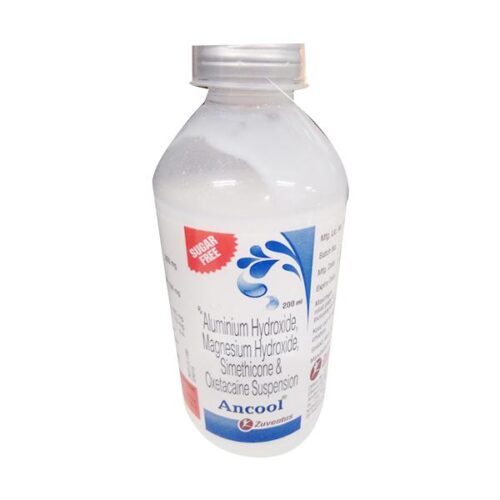






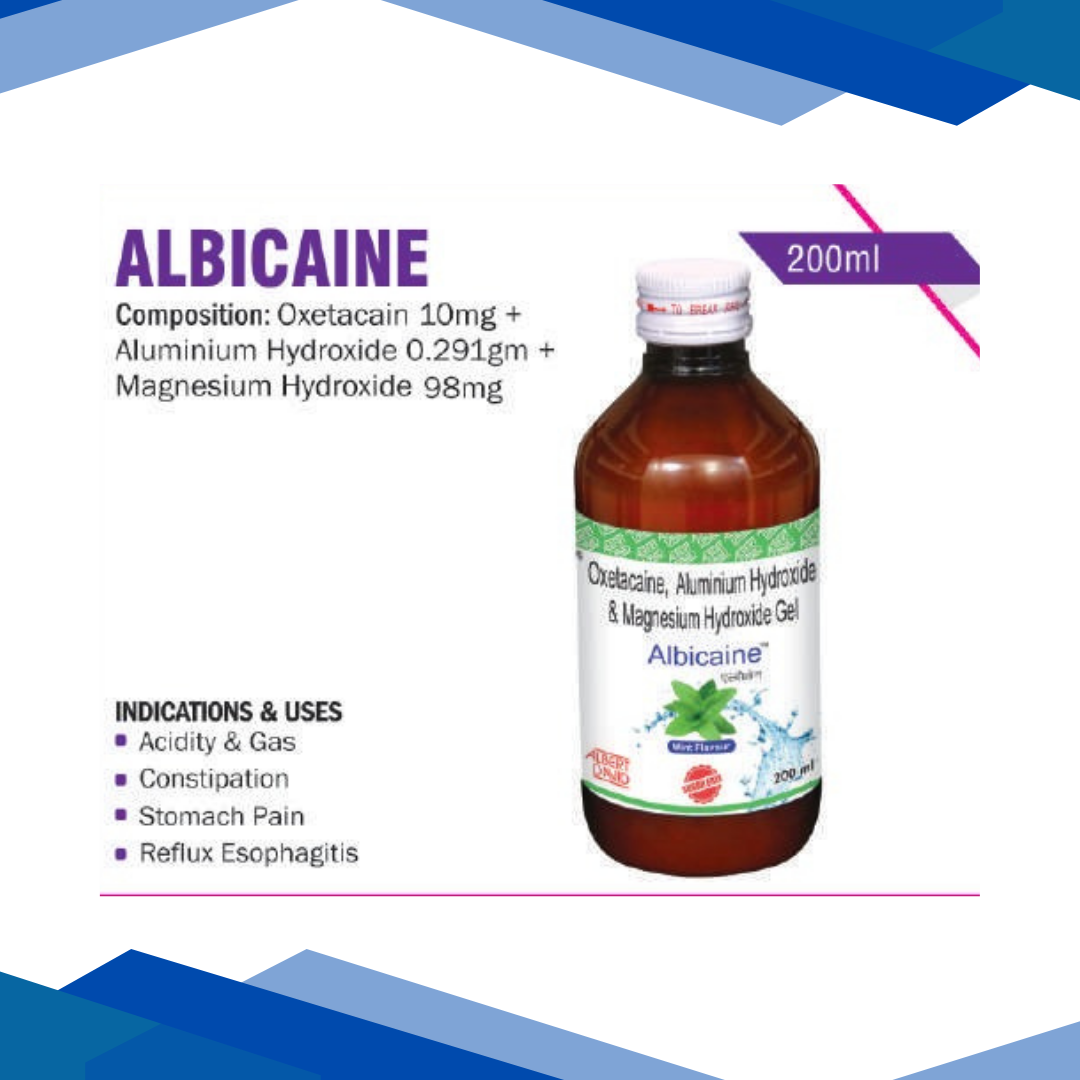
Albicaine Syrup
❌ Due to high demand, this product is currently out of stock. New stock will be available shortly.
👉 Click here to Buy Same Salt medicine
No Prescription yet? Don’t worry! Click Here to Get Online Consultation
Oxetacaine is used to relieve pain, burning, and discomfort caused by acid peptic disorders like gastritis, esophagitis, and peptic ulcers. Aluminum hydroxide is used to neutralize excess stomach acid and relieve symptoms of heartburn, indigestion, gastritis, and acid reflux. Magnesium hydroxide is used to neutralize stomach acid (as an antacid) and to relieve constipation (as a laxative). For more details kindly click on Medicine Salts below:
Aluminum Hydroxide
Aluminum Hydroxide
OVERVIEW
Aluminum hydroxide is an antacid.Aluminum hydroxide is used to treat heartburn, upset stomach, sour stomach, or acid indigestion. Aluminum hydroxide is also used to reduce phosphate levels in people with certain kidney conditions.
CLASSIFICATION
Antacid and alkalizer.
USES
Aluminium Hydroxide is used in the treatment of acidity, intestinal ulcers and stomach ulcers.
HOW IT WORKS
Aluminum hydroxide enters your stomach and reacts with the acid present there. This reaction neutralizes the acid, forming water and aluminum chloride. As a result, the overall acidity in your stomach decreases, which helps alleviate discomfort caused by acid-related issues.
DOSAGE
As directed by the physician
PRECAUTIONS
If you're considering taking aluminum hydroxide—commonly used as an antacid—it's important to consult with a healthcare professional if you have any of the following conditions:
Kidney Issues: Aluminum hydroxide is primarily eliminated through the kidneys. Impaired kidney function can lead to a buildup of aluminum in the body, potentially causing serious health problems such as bone softening (osteomalacia), anemia, and neurological issues .
Severe Constipation: This medication can exacerbate constipation. If you already experience severe constipation, using aluminum hydroxide may worsen your condition and lead to complications like bowel obstruction
Dehydration: If you're dehydrated, your body's ability to process and eliminate aluminum may be compromised, increasing the risk of aluminum toxicity .
Frequent Alcohol Consumption: Regular alcohol intake can irritate the stomach lining and increase acid production, potentially reducing the effectiveness of aluminum hydroxide and worsening acid-related symptoms
SIDE EFFECTS
Diarrhea
Constipation
Loss of appetite
Unusual tiredness
Muscle weakness
DISCLAIMER
This content is for informational purposes only. Always consult a healthcare provider for medical advice and proper dosage
Magnesium Hydroxide
Magnesium Hydroxide Oral Suspension/Tablet
A non-toxic, white substance, Magnesium Hydroxide is an inorganic compound used especially as an antacid in preventing peptic ulcers and as a laxative. Many people know it better as “Milk of Magnesia”, owing to its efficacy in neutralizing excess stomach acid and creating a laxative effect by drawing water into the intestines to make bowel movements easier.
Whether it is mild heartburn or occasional constipation, fast-acting Magnesium Hydroxide provides effective relief.
Primary Uses and Indications
Heartburn Relief: Neutralizes hydrochloric acid in the stomach, alleviating indigestion and heartburn.
Laxative Use: Acts as a saline laxative, temporarily relieving constipation by increasing water retention in the colon.
Reflux Support: Soothes discomfort associated with Gastroesophageal Reflux Disease (GERD).
Sour Stomach: Provides quick relief from stomach upset due to overeating or alcohol consumption.
How to Use with the Best Possible Effect
Use Magnesium Hydroxide exactly as prescribed. If advised as a single dose, take it once daily, preferably at bedtime. If divided doses are prescribed, follow the label instructions carefully. Always take each dose with a full 250 ml glass of water to enhance the laxative effect.
For acidity relief, take it after meals to counteract excess stomach acid effectively.
Shake Well: When using the liquid suspension, shake thoroughly before use and measure with a medicinal cup (not a household spoon).
Drug Interaction Timing: Take Magnesium Hydroxide at least 2 hours before or after other medications, as it may affect their absorption.
Importance
Do not use this medication for more than 7 consecutive days unless directed by a doctor. Prolonged use may lead to mineral imbalances.
Health of Kidneys
Patients with kidney disease should consult a doctor before use, as the kidneys are responsible for eliminating excess magnesium from the body.
Medical Restrictions
Individuals on a magnesium-restricted diet should consult their doctor before using this medication.
For Pregnancy & Nursing
Consult your healthcare provider before use. Although generally considered safe, medical guidance is recommended.
Adverse Effects
Although uncommon, some individuals may experience:
Diarrhea (often indicating a high dose)
Stomach cramps
Nausea
Dehydration (especially with insufficient fluid intake)
Seek immediate medical attention if you experience severe thirst, muscle weakness, or a slow heartbeat.
Frequently Asked Questions (FAQs)
Q: How fast does Magnesium Hydroxide work for constipation?
A: A bowel movement typically occurs within 30 minutes to 6 hours after ingestion. Many users prefer taking it at bedtime.
Q: Can it be used daily?
A: It is intended for short-term use only. Regular use may lead to laxative dependence. If symptoms persist beyond one week, consult a doctor.
Q: Can children take Magnesium Hydroxide?
A: Yes, but dosage depends on the child’s age and weight. Always follow label instructions or consult a pediatrician.
Q: Does it interfere with other medications?
A: Yes. It may reduce the effectiveness of certain drugs, including tetracyclines, blood thinners, and others. Maintain a 2-hour gap between doses.
Q: Why is drinking plenty of water important with this medicine?
A: As a saline laxative, it works by drawing water into the intestines. Without adequate hydration, it may cause dehydration instead of relieving constipation.
Oxetacaine
Oxetacaine (Mucosal Anesthetic)
Oxetacaine (also known as Oxethazaine) is a potent local anesthetic designed for mucosal applications, especially for rapid relief of gastrointestinal pain. It acts locally on the lining of the esophagus and stomach, unlike systemic painkillers. Notably, it retains its effectiveness even in the acidic environment of the stomach, making it a “gold standard” for gastric pain relief.
Principal Therapeutic Uses
Gastritis and Peptic Ulcers: Helps numb the stomach lining and protect against acid irritation.
Heartburn & GERD: Relieves the burning sensation in the chest and throat.
Esophagitis: Soothes inflammation and pain caused by acid reflux in the esophagus.
Hiatus Hernia: Helps manage pain and discomfort behind the sternum due to stomach displacement.
Administration of Oxetacaine
Timing: Take just before bedtime or 15–30 minutes before meals for optimal effect.
Do Not Dilute: If using a suspension, avoid mixing with water, as it may reduce the coating effect on the stomach lining.
Shake Well: Always shake the bottle to ensure uniform distribution of ingredients.
Correct Dosage: Follow the prescribed dose (5 ml or 10 ml). Taking more will not speed recovery.
Safety & Precautions
Expert Tip: Avoid eating or drinking immediately after taking the dose to allow proper protective coating formation.
Kidney Health: Use cautiously in chronic kidney disease, especially with magnesium or aluminium-containing combinations.
Pregnancy & Lactation: Seek medical advice before use.
Dosage Limit: Do not exceed prescribed limits (e.g., 2 teaspoons within 24 hours) without consulting a doctor.
Potential Side Effects
Most side effects are mild and temporary:
- Temporary numbness of the tongue or mouth
- Constipation or diarrhea
- Dizziness or drowsiness (rare)
- Loss of appetite
Warning: Discontinue use and consult a doctor if you experience skin rash or swelling of lips.
Frequently Asked Questions (FAQs)
Q: How fast does Oxetacaine work?
A: Relief is usually felt within 2–5 minutes, making it a rapid-acting local anesthetic.
Q: Why does my tongue feel numb after taking it?
A: This is normal. Oxetacaine may temporarily numb surfaces it comes into contact with. Swallowing promptly can reduce this effect.
Q: Can it be taken with other medications?
A: It may interfere with absorption of certain drugs (e.g., tetracycline, digoxin). Maintain a gap of at least 2 hours.
Q: Does it treat the cause of acidity?
A: No. It mainly relieves pain and burning. Underlying causes require antacids, diet changes, or further treatment.
Q: Is it safe for children?
A: Use in children is not recommended unless prescribed by a pediatrician.
At Gem Pharmacy, we make every effort to provide accurate, expert-written, and thoroughly reviewed information related to medicines. However, this information should not be considered a substitute for professional medical advice, diagnosis, or treatment from a qualified doctor.
The purpose of this information is to educate users and improve communication between patients and healthcare professionals. It should not be used to diagnose or treat any condition.
Always consult a certified healthcare professional before taking any medication.


Related products
GASOWEL Sugar Free Orange Flavaour Suspension 170ml

RABEMAC MPS Sugar Free Suspension 200ml